





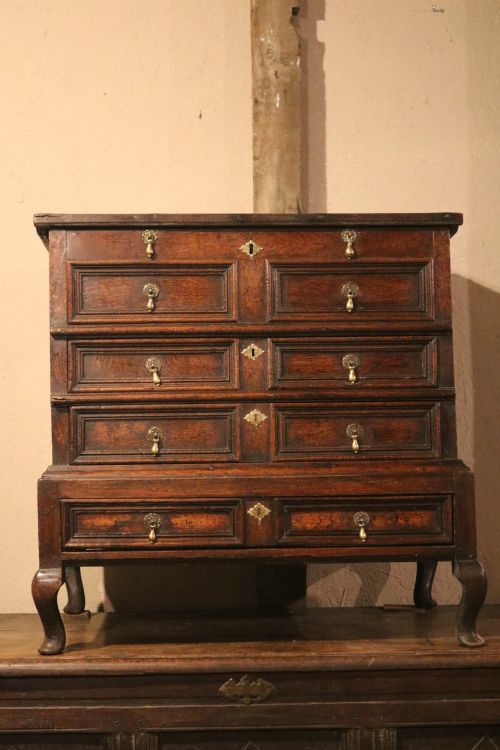


Miniature Oak Cabinet
These miniature oak cabinet examples are scaled-down pieces of antique furniture that offer compact storage and genuine period character.
Miniature Oak Cabinet
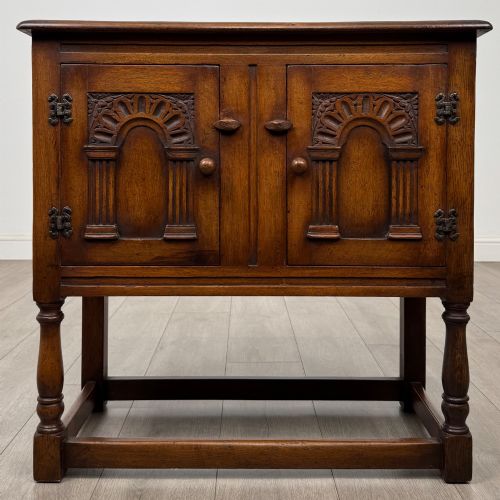
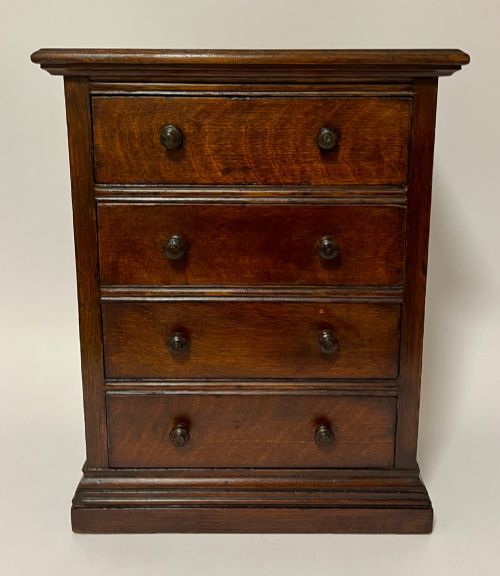
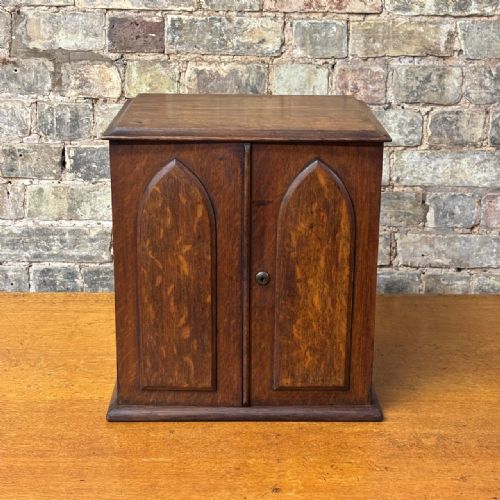
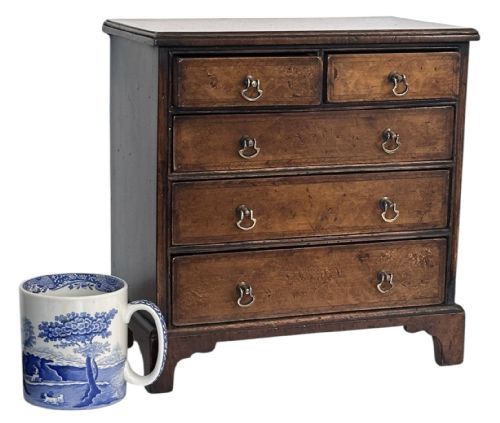
A miniature oak cabinet represents a scaled-down version of domestic furniture, constructed to house small valuables, spices, or collections. These items range from tabletop chests of drawers and wall-hanging spice boxes to diminutive armoires and court cupboards.
The pieces appearing on this page span several distinct eras, stretching from the eighteenth century through the Victorian and Edwardian periods up to the nineteen-twenties. Buyers frequently encounter Georgian and Victorian iterations, alongside revival styles that mirror larger domestic furniture.
Forms vary significantly, encompassing kneehole desks, tallboy chests, compactum wardrobes, and glass-fronted display cases. Each object reflects the functional domestic requirements of its original period scaled down for tabletop or wall use.
How they were made
Makers utilised solid timber construction, predominantly oak, frequently pairing secondary woods such as pine within drawer linings or internal carcases. Panels were typically frame-and-panel construction to accommodate seasonal wood movement, while joints relied on dovetails for drawers and mortise-and-tenon framing for doors.
Hardware played a functional role using brass handles, escutcheons, and hinges, occasionally supplemented by iron fittings or specialised locks. Decorative detailing involved carved panels, ebonised accents, parquetry patterns, and applied mouldings rather than extensive surface veneers.
Materials appearing across current and past stock include solid oak, walnut, pine, mahogany, brass, glass, iron, and ebonised wood.
What varies in quality
Construction fidelity dictates the standing of a piece, specifically the precision of the dovetail joinery and the snugness of drawer fits within the carcase. Superior examples maintain original timber surfaces without excessive sanding, retaining the natural grain and historic patina.
Proportion and architectural integrity separate exceptional items from simpler utilitarian versions, where finer mouldings and balanced scaling mirror full-sized furniture. The retention of original brass hardware, working locks with keys, and uncompromised internal shelving further elevate the standing of an individual piece.
The Miniature Oak Cabinet Glossary
- Spice cabinet
- A small wall-mounted or tabletop cupboard fitted with multiple small internal drawers designed originally for culinary herbs and spices. These compact units frequently feature panelled doors and brass pulls.
- Court cupboard
- A diminutive two-stage storage piece featuring enclosed upper and lower sections used historically for plate display and provisions. In miniature form, it reproduces the heavier proportions of full-scale sixteenth and seventeenth-century furniture.
- Parquetry
- A geometric mosaic of wood pieces used for decorative surfaces on cabinet doors or drawer fronts. This technique creates patterned visual interest through contrasting timber tones.
- Compactum
- A multi-compartment wardrobe or cabinet combining hanging space, shelves, and internal drawers within a single unified carcase. Miniature iterations compress these varied storage options into desktop or floor-standing proportions.
- Kneehole desk
- A small writing table featuring a central recess for the user's legs flanked by banks of small drawers. Miniature versions replicate this functional domestic layout on a reduced scale.
Miniature Oak Cabinet: Frequently Asked Questions
What were miniature oak cabinets used for?
These small pieces served practical household functions ranging from storing expensive spices and medicinal ingredients to holding personal letters, documents, and small collectables. Wealthy households often utilised them on tabletops or desks where full-sized furniture was impractical.
Over subsequent generations, their purpose shifted towards decorative display and the organisation of delicate hobby items, small curiosities, or jewellery.
How do I date a miniature oak cabinet?
Dating relies heavily on observing construction techniques, timber selection, and stylistic details that match documented periods. Hand-cut dovetails, specific hardware types, and regional building methods provide reliable clues to a piece's age.
Comparing the object's proportions and decorative motifs against full-sized furniture of the same era helps confirm whether it originated in the Georgian, Victorian, or Edwardian epoch.
Are apprentice pieces different from miniature cabinets?
Apprentice pieces represent test items created by trainees to demonstrate mastery of woodworking joints and furniture forms to a guild master. While they share a reduced scale with miniature cabinets, they focus primarily on technical proficiency.
Miniature cabinets were typically manufactured as commercial products for domestic use rather than as formal trade tests, though both categories utilise similar construction methods.
How do I care for antique oak furniture?
Maintaining antique oak involves keeping the timber away from direct heat sources and sudden humidity changes to prevent wood splitting or warping. Applying traditional beeswax periodically helps nourish the historic surface and preserve the natural sheen.
Avoiding modern silicone polishes ensures the timber retains its characteristic breathability and historic patination over decades of domestic placement.