




Antique Hanging Spice Box
An antique hanging spice box is a compact wall-mounted receptacle designed to keep valuable provisions secure, bringing historic utility and warm timber tones to any kitchen.
Antique Hanging Spice Box
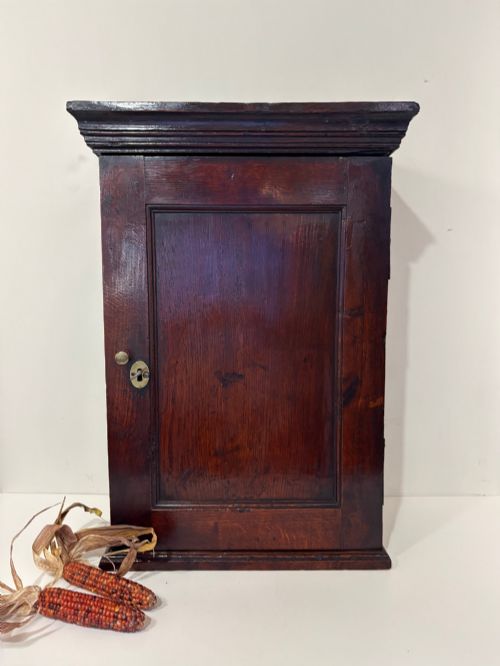
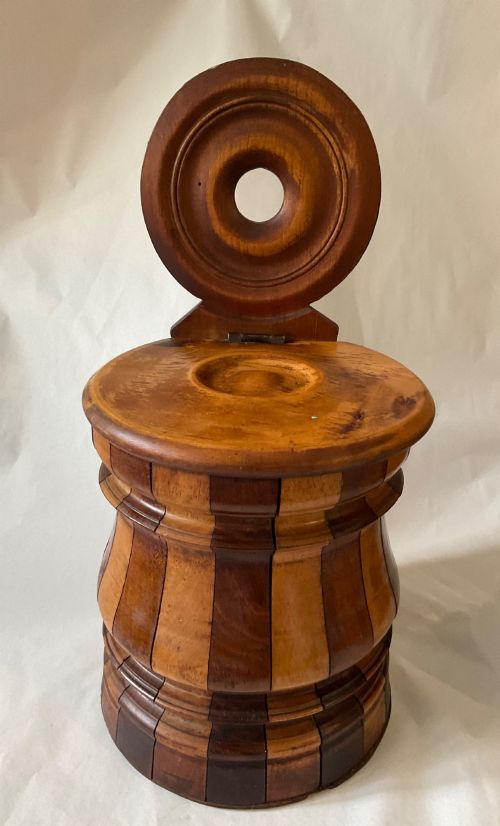
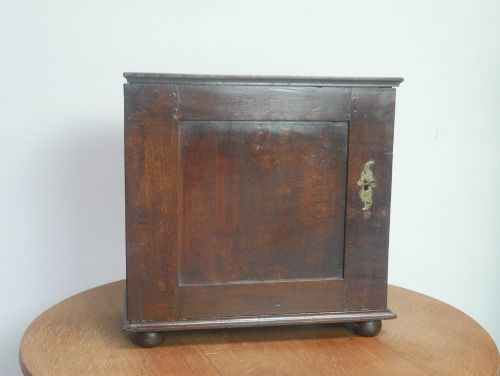
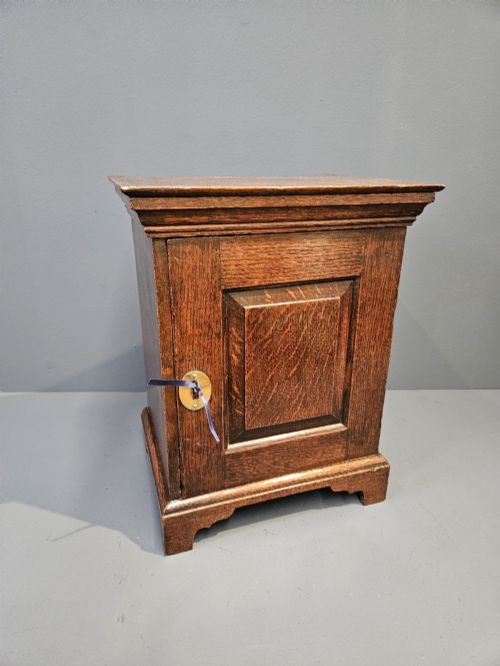
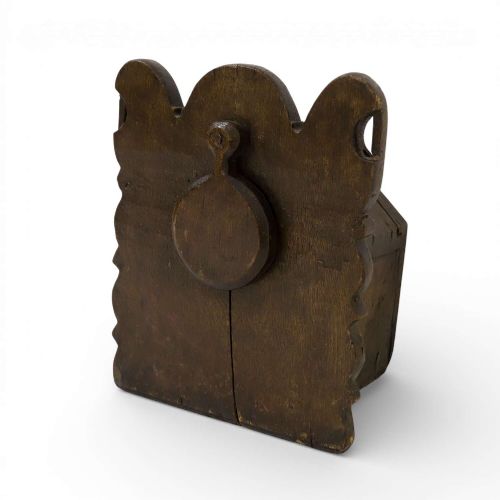
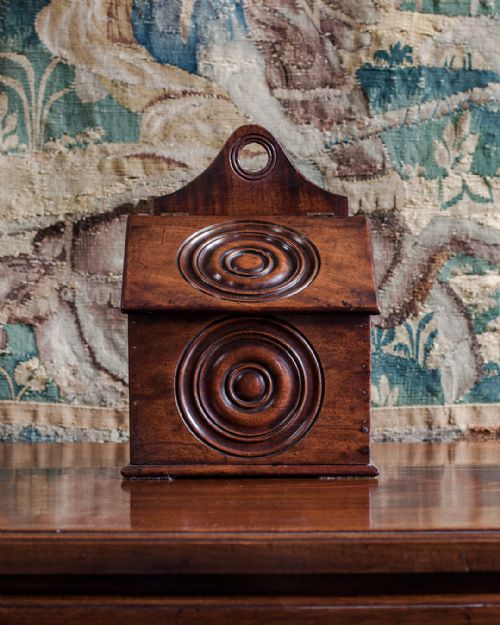
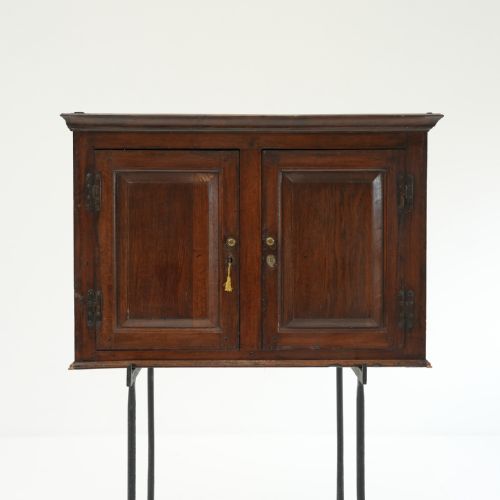
An antique hanging spice box is a small wall-mounted cabinet or container built to safeguard costly culinary aromatics in domestic kitchens. These pieces span the seventeenth, eighteenth, and nineteenth centuries, taking the form of miniature cupboards, salt boxes, and small wall cabinets with hinged doors.
The versions most commonly met on this page are constructed from sturdy British oak, often dating from the Georgian period or the eighteenth century. Alongside domestic oak examples, collectors encounter regional variations including pine, mahogany, mixed timber, and Scandinavian folk art pieces with painted surfaces.
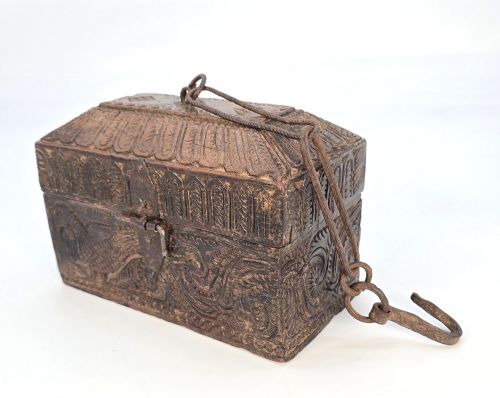
Beyond standard British and European styles, the selection incorporates specific regional forms such as Welsh wall-hanging spice cupboards and eighteenth-century Indian carved teak boxes. These functional objects range from simple utilitarian salt boxes with original iron hardware to richly carved wall cabinets featuring internal drawers.
How they were made
The primary material used across these pieces is solid oak, frequently paired with secondary woods like pine for internal elements or backboards. Cabinetmakers utilised traditional joining techniques to construct these small wall units, ensuring the heavy timber doors and small shelves remained stable over centuries of domestic use.
Metalwork played a crucial role in construction, with blacksmiths providing durable brass hinges, latches, and wrought iron hardware to secure the small compartments. Some pieces also display decorative surface treatments, ranging from traces of early red paint to Scandinavian painted finishes on softwoods.
Listings feature oak as the dominant material, appearing across eighteenth and nineteenth-century wall cabinets, salt boxes, and spice cupboards.
What varies in quality
Quality in an antique hanging spice box rests on the selection of timber and the sophistication of the joinery used in its construction. Finer examples display carefully figured oak or mahogany, crisp carving on the door panels, and well-proportioned mouldings that reflect the stylistic traits of periods like the George II era.
The retention of original hardware, such as brass escutcheons, hinges, and wrought iron latches, significantly elevates a piece. Furthermore, surviving traces of original paint or untouched surface patination separate standard utilitarian containers from exceptional examples of regional folk art.
The Antique Hanging Spice Box Glossary
- Spice cupboard
- A small wall-mounted wooden cabinet specifically partitioned to hold precious culinary spices and seasonings. These miniature storage units typically feature a single hinged door and occasionally include internal drawers.
- Salt box
- A domestic wall container designed to keep coarse cooking salt dry and accessible near the hearth. They often feature a sloping lid and a high backboard with a suspension hole for hanging.
- Wrought iron
- Iron that has been heated and shaped by a blacksmith's hammer, commonly used for hinges, latches, and hanging brackets on period woodwork. Its fibrous texture distinguishes it from cast alternatives.
- Escutcheon
- A protective metal plate surrounding a keyhole on a cabinet door, which prevents the surrounding timber from wearing away through repeated use.
Antique Hanging Spice Box: Frequently Asked Questions
Where were spice boxes hung?
These compact cabinets were typically mounted on kitchen walls near the hearth or food preparation areas where seasonings were needed close at hand.
Their elevated position kept expensive spices safe from household pests, dampness, and opportunistic pilfering in busy domestic kitchens.
How do I date an oak spice box?
Dating relies on examining construction methods, timber grain, and stylistic details such as panel moulding and hardware type.
Eighteenth-century examples often display pegged mortise and tenon joints and hand-wrought iron hinges, whereas later nineteenth-century pieces may show machine-sawn elements.
Can I hang these boxes on modern walls?
Most of these pieces retain their original suspension hooks or backboard hanging holes designed for period wall studs.
Care should be taken to ensure modern fixings match the weight and historical structure of the timber without damaging the backboards.