


Miniature Japanese Urns
Miniature Japanese urns are delicate decorative vessels of exceptional craftsmanship, offering collectors intricate artistry in a remarkably small scale.
Miniature Japanese Urns
Miniature Japanese urns encompass small decorative vases and vessels originating from the nineteenth and early twentieth centuries, primarily spanning the Meiji and Showa periods. These small objects demonstrate the meticulous skill of Japanese artisans working in ceramics and metalwork during a time of great international trade.
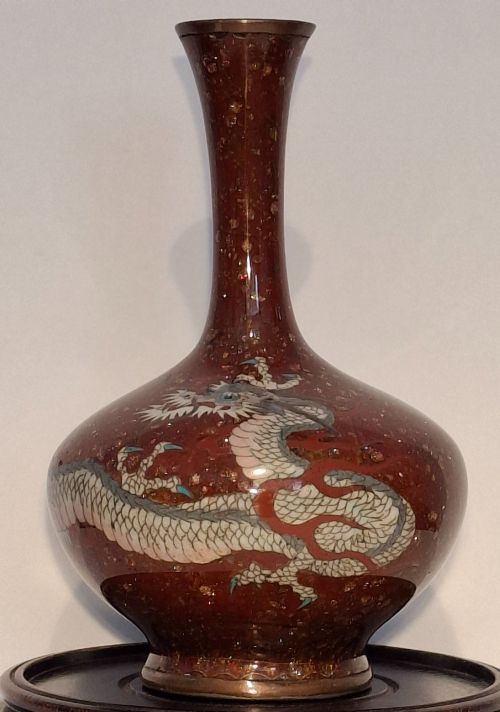
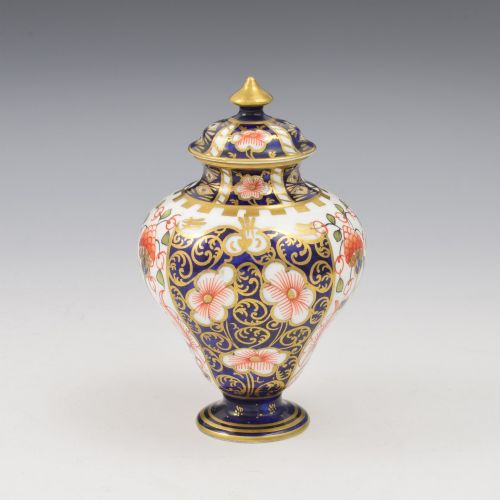
The versions most commonly met on this page are Satsuma earthenware vessels adorned with detailed figural processions, alongside vibrant Japanese Imari porcelain vases and small cloisonné pieces. They reflect traditional aesthetics adapted for both domestic display and export markets.
How they were made
Makers utilised fine earthenware, porcelain, copper, and brass as the physical foundation for these small vessels. Artisans shaped clay bodies on the potter's wheel or formed metal bases before applying complex surface treatments.
Decoration relied heavily on enamel, gold leaf, and gold gilding fired onto the glaze to create rich surface patterns. Cloisonné examples required soldering thin metal wires to form cells which were then filled with coloured enamel pastes and fired multiple times.
Listings feature items from the Meiji period, alongside nineteenth century and early twentieth century examples using earthenware, porcelain, and cloisonné enamel.
What varies in quality
The precision and density of the painted or enamelled decoration separate standard export pieces from the finest studio work. Finer examples exhibit disciplined brushwork, clear signatures from recognised makers, and meticulous control over gilding and enamel firing.
The structural crispness of the form and the complexity of the narrative scenes dictate the upper tier of the range. Better pieces maintain fine detail that remains sharp even when viewed closely.
Chosei·Shuzan
The Miniature Japanese Urns Glossary
- Satsuma
- A type of Japanese earthenware featuring a crackled ivory glaze and detailed polychrome and gilt enamel decoration. It became enormously popular in the West during the Meiji period.
- Cloisonné
- A metalwork technique where fine wires are affixed to a metal body to create compartments that are filled with enamel. The piece is then fired and polished to a smooth finish.
- Imari
- A style of Japanese porcelain decorated in underglaze blue, iron red, gold, and supplementary colours. The palette is typically bold and highly decorative.
- Meiji Period
- The era in Japanese history from 1868 to 1912 characterised by the modernisation of the country and a massive increase in decorative arts exported to Europe and America.
Miniature Japanese Urns: Frequently Asked Questions
What are miniature Japanese urns made from?
These small vessels are constructed primarily from earthenware, porcelain, copper, and brass. Artisans decorated the surfaces using coloured enamels, gold leaf, and intricate metallic gilding.
Makers selected materials based on the desired decorative style, employing clay for painted Satsuma wares and metal for cloisonné pieces.
How were these small vases used?
Miniature Japanese urns served primarily as decorative display items within Victorian and Edwardian interiors. Their small scale allowed them to be placed on mantelpieces, cabinets, and occasional tables.
Due to their delicate nature and small capacity, they were intended for visual appreciation rather than functional containment of flowers.
How do I identify Meiji period pieces?
Meiji period pieces can often be identified by their intricate craftsmanship, signature panels, and characteristic decorative motifs such as figural processions and floral patterns. The period spans from 1868 to 1912.
Examining the base may reveal artist signatures or factory marks that help date the vessel more precisely within this historical window.
What is the difference between Satsuma and Imari?
Satsuma ware is characterised by a creamy, crackled earthenware body painted with detailed enamel figures and heavy gilding. It offers a matte or satin finish.
Imari pieces are made of porcelain featuring a distinct palette of underglaze blue, iron red, and gold. The surface is hard, smooth, and vitreous.