


Mid Century Silver Box
A mid century silver box brings tactile modernist design and refined metalwork to a desk or dressing table.
Mid Century Silver Box
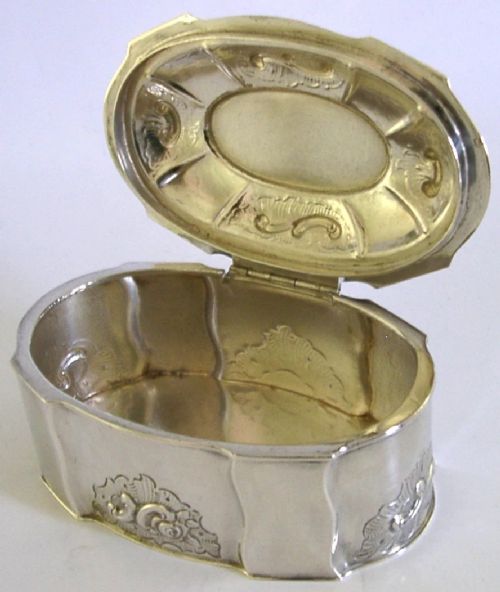
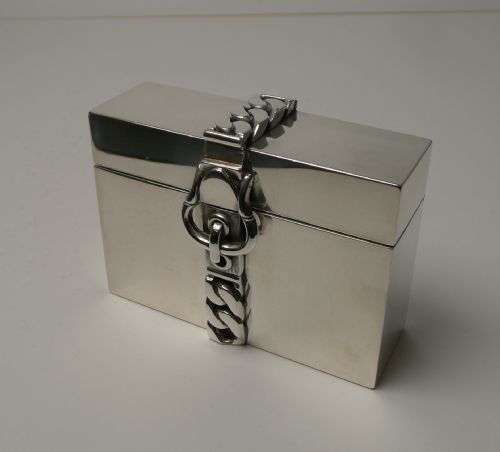
A mid century silver box encompasses decorative vessels, tabletop containers, and utilitarian pieces produced primarily during the 1940s, 1950s, and 1960s. These items range from Danish dressing table pieces to Italian modernist playing card containers and French cigar boxes.
While the core inventory centres on solid sterling silver and silver plate, many examples incorporate enamel, wood, glass, or semi-precious stones such as white onyx and lapis lazuli. Forms vary widely, spanning cigarette boxes, poker game sets, and fitted pill containers.
Pieces from this era frequently adopt Mid-Century Modernist, Scandinavian, or Art Deco design idioms. Buyers encounter both domestic British examples and continental European works originating from Italy, France, and Spain.
Materials and construction methods
Maker workshops utilised solid sterling silver, 800 silver, and silver plate over base metals, frequently applying silver gilt interiors or exterior accents. Structural elements often combined precious metals with contrasting organic materials including rosewood, tortoiseshell, and black lacquer.
Surface decoration relied on techniques such as guilloché enamel, hand engraving, and repoussé work. Artisans also integrated inlaid bronze, fitted wood interiors, and stone elements to add textural variety to the metal frameworks.
Mid Century Silver Box Retail Price Guide 2026
Typical asking prices for mid century silver box among the pieces listed under this phrase on Sellingantiques today, from the lower quarter to the upper quarter. They describe what is for sale here now, not the wider market.
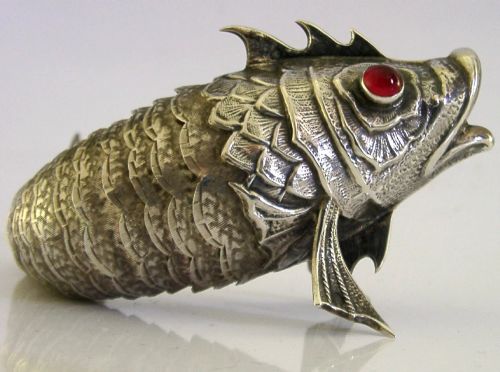
An articulated silver fish waits quietly among the inventory, ready to wiggle its segmented tail across a desk.
Assessing craftsmanship and execution
Quality reveals itself in the precision of the metal joins, the smoothness of hinged mechanisms, and the integrity of internal linings in wood or fabric. Superior execution is apparent where decorative elements like enamel or inlaid stones sit flush and secure within the silver housing.
The weight of the metal and the clarity of hallmarks or maker signatures distinguish standard production items from distinguished studio pieces. Finer examples display deliberate attention to proportion and tactile balance rather than purely mass-produced assembly.
Burns Oats And Washbourne·Ernest Druiff And Co·R E Stone·Ottaviani
The Mid Century Silver Box Glossary
- Sterling silver
- An alloy containing 92.5 percent silver by mass, with the remainder usually copper. This standard composition provides the necessary durability for functional boxes while maintaining a bright metallic lustre.
- Silver gilt
- Silver objects that have been coated with a thin layer of gold on the interior or exterior surfaces. This technique protects the underlying metal from tarnishing and adds a warm golden tone.
- Guilloché enamel
- A decorative technique where a precise mechanical pattern is engraved into the metal beneath a translucent layer of enamel. It creates shimmering, repeating geometric effects across the box lid.
- Repoussé
- A metalworking method in which the artisan hammers the design from the reverse side to create low relief ornamentation on the front. This produces tactile, raised floral or figurative motifs.
- Pyx box
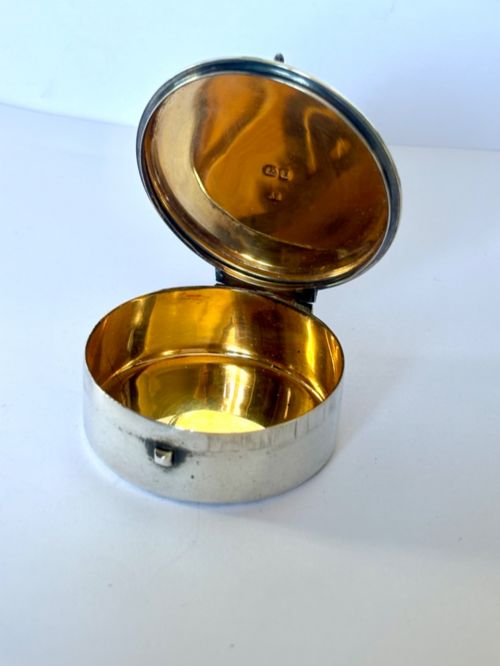
- A small round container traditionally used to carry sacramental bread. In secular collections, these take the form of small, hinged metal vessels.
Mid Century Silver Box: Frequently Asked Questions
How were mid century silver boxes used originally?
These vessels served practical functions in domestic and social settings, holding cigarettes, cigars, stamps, trinkets, or playing cards. Many sat upon executive desks, dressing tables, or smoking stands as indicators of personal taste.
Over time, their roles shifted from purely utilitarian storage to decorative display items. Today, collectors utilise them on modern sideboards or coffee tables to contain small contemporary items.
What materials are combined with silver in these boxes?
Craftsmen frequently paired silver with organic or mineral substances to create visual and textural contrast. Common additions include vibrant guilloché enamel, exotic woods like rosewood, and decorative stones such as white onyx and lapis lazuli.
Continental European workshops also incorporated black lacquer and tortoiseshell. These mixed-media pieces reflect the experimental design ethos of the mid-century period.
How can I tell a mid-century box from an older antique?
Mid-century pieces typically exhibit cleaner architectural lines, minimalist modernist aesthetics, or Scandinavian influences absent in ornate Victorian designs. Examining the hallmarks or stamped maker marks often provides a precise decade of origin.
Stylistic cues such as abstract motifs, smooth unadorned surfaces, and specific material combinations like enamel over brass or copper help differentiate post-war output from nineteenth-century work.
How do I care for a silver box with enamel or wood?
Cleaning requires a soft microfiber cloth and specialised silver polish applied strictly to the metal components, avoiding any enamel, wood, or stone insets. Enamelled surfaces should be wiped gently with a damp cloth rather than immersed in cleaning solutions.
Storing the box away from direct sunlight prevents the fading of coloured enamel and protects vulnerable organic linings like wood or tortoiseshell from humidity fluctuations.