



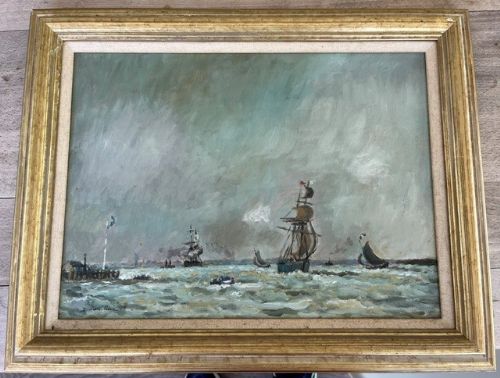
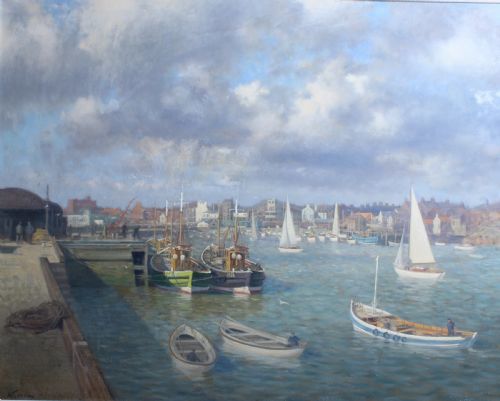


Mid Century Seascape Painting
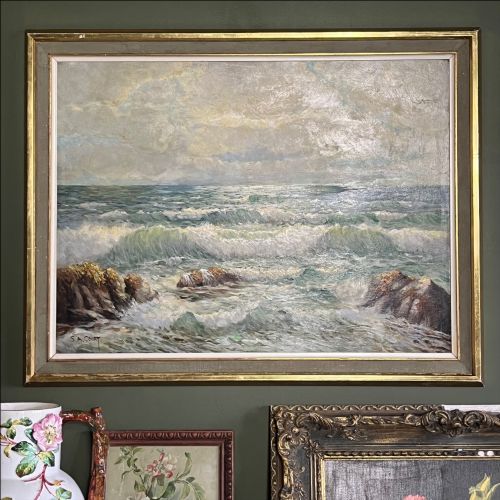
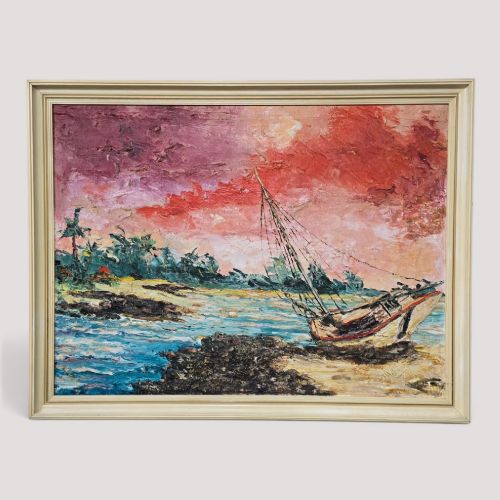
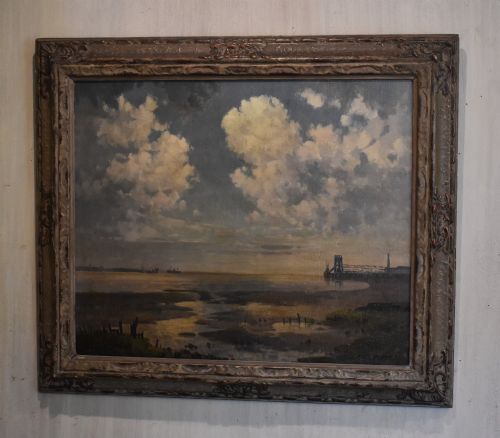
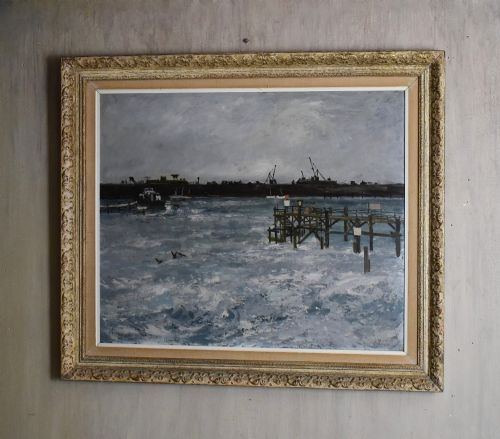
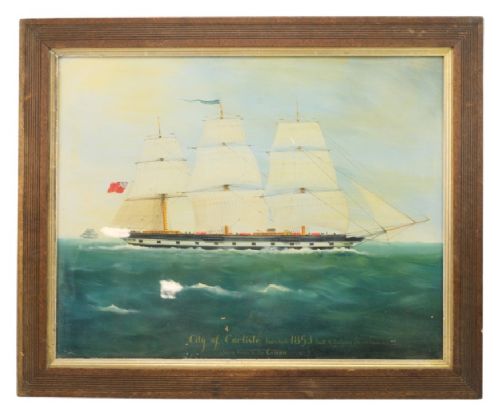
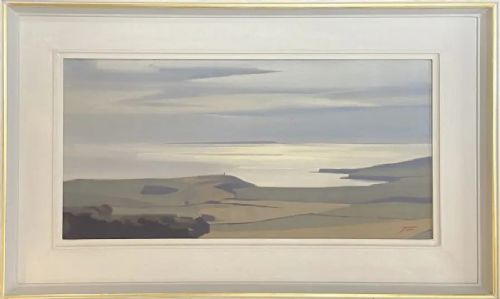
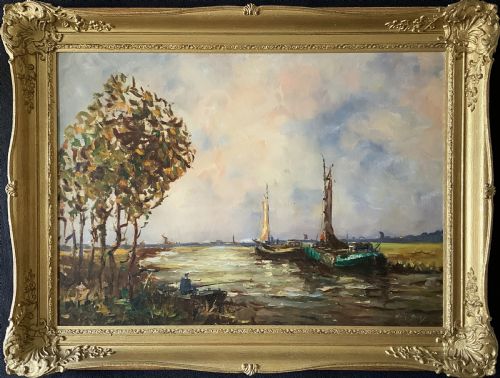
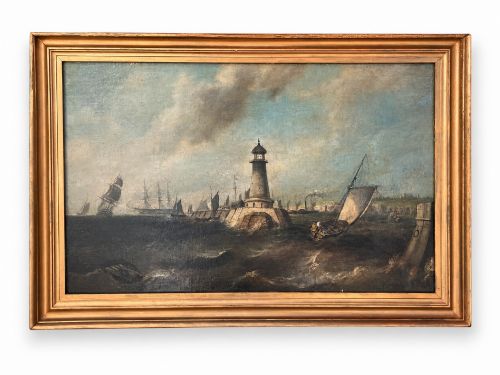
A mid century seascape painting captures coastal life, harbour walls and open waters through the expressive brushwork of the twentieth century.
Mid Century Seascape Painting
A mid century seascape painting brings coastal views, fishing ports and open water into domestic spaces through varied modernist and impressionist interpretations.
The pieces on this page lean heavily towards works created around the middle decades of the twentieth century, capturing British, French and Italian shores.
Collectors encounter everything from en plein air harbour scenes to abstracted coastal views executed on canvas, board or paper.
Materials and methods
Artists relied primarily on oil paint applied to canvas, wood panels or artist boards, often building up rich textures and impasto surfaces.
Watercolour and gouache on paper also appear frequently, offering lighter, more fluid interpretations of coastal light and atmosphere.
Several artists packed their paints into wooden boxes and braved unpredictable coastal winds just to catch the morning tide.
Assessing the work
Quality rests upon the confidence of the brushwork and the artist's ability to capture light, movement and atmosphere across the water.
Works that demonstrate a distinct personal vision or strong regional provenance stand apart from more conventional decorative views.
Kenneth Cozens·Sidney A Court·Clive Browne·Peter Brannan·James Fry·Willem Bos·Erich Mercker·Walter Goodin·Lionel Horsnell·Helen Layfield Bradley·Gyrth Russell·Raymond Picque·Fernando Del Basso·George Shaw·Edward Seago·Roger de la Corbiere·Dion Pears·Yves Brayer·Donald McIntyre
The Mid Century Seascape Painting Glossary
- Impasto
- Paint applied thickly to a canvas or board so that it stands out from the surface. This technique allows the artist to build physical texture into the breaking waves or clouds.
- En plein air
- Painting outdoors in direct contact with the subject and the changing light. Artists took their boards down to the harbour or cliff edge to capture coastal scenes directly.
- Provenance
- The documented history of a painting's ownership and origin. Clear provenance helps verify the creator and the timeline of the work.
- Gouache
- An opaque water-based paint that dries to a matte finish. It provides stronger coverage than traditional watercolour and appears often in mid-century works on paper.
Mid Century Seascape Painting: Frequently Asked Questions
What defines a mid century seascape painting?
These works focus on coastal views, harbours and maritime life created during the middle decades of the twentieth century. They often apply impressionist or modernist techniques rather than strict academic realism.
The palette and brushwork reflect the period's shift toward capturing the atmospheric mood of the sea rather than every precise nautical detail.
Where were most of these coastal scenes painted?
Many works record specific fishing ports, bays and estuaries around Britain, France and the Mediterranean. Cornwall, Brittany and various coastal European towns appear regularly.
Artists frequently travelled to active working harbours to paint the local boats, tides and daily maritime routines.
Are these paintings usually framed?
A large proportion of the pieces arrive in period frames that complement the aesthetic of the mid-twentieth century. These frames range from simple painted wood mouldings to heavier gilt designs.
Collectors often value the original framing context when it matches the era and geographical origin of the artwork.
How do I care for an oil painting on board?
Keep the piece away from direct sunlight and areas subject to sharp changes in humidity or temperature. Dust the surface gently with a soft, dry brush when necessary.
Avoid using any moisture or cleaning agents on the painted surface to protect the original pigments and texture.