


Mid Century Porcelain
When you search for mid century porcelain, you are looking at ceramic pieces shaped into figures, plates, and vessels that cross several periods of design.
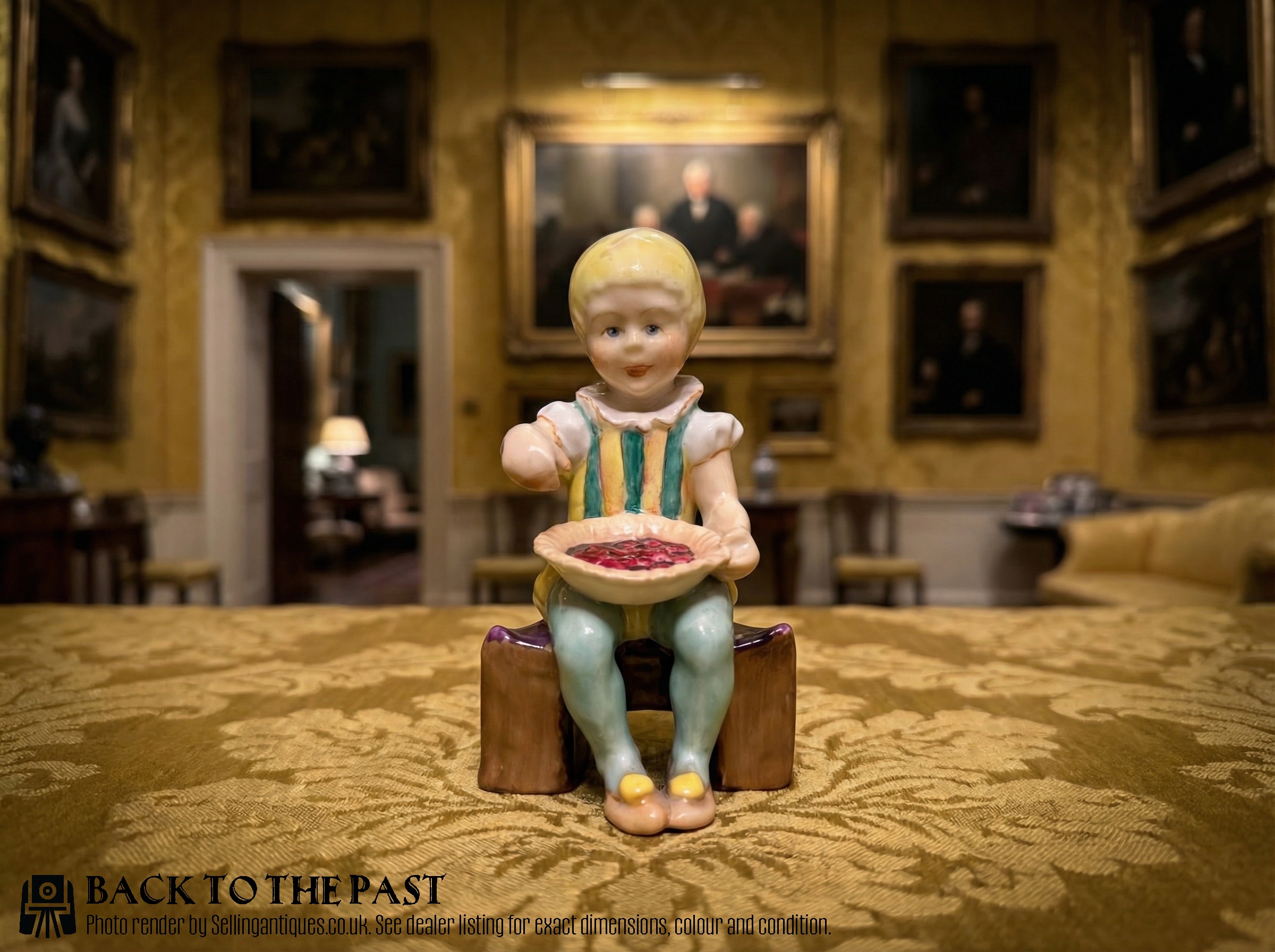
Mid Century Porcelain
Mid century porcelain covers a broad selection of ceramic objects, ranging from mid-nineteenth-century cabinet plates to later twentieth-century animal figures. The phrase brings together works created in European factories, English potteries, and Asian export kilns.
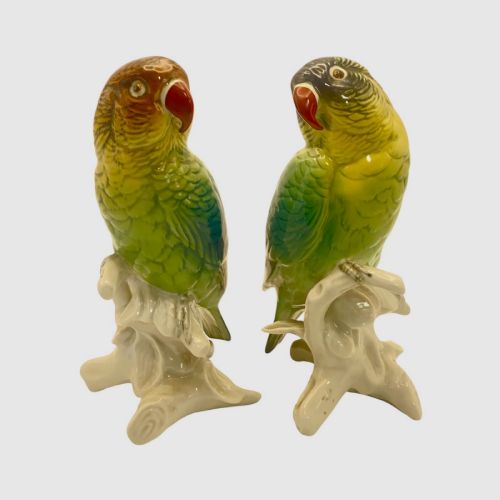
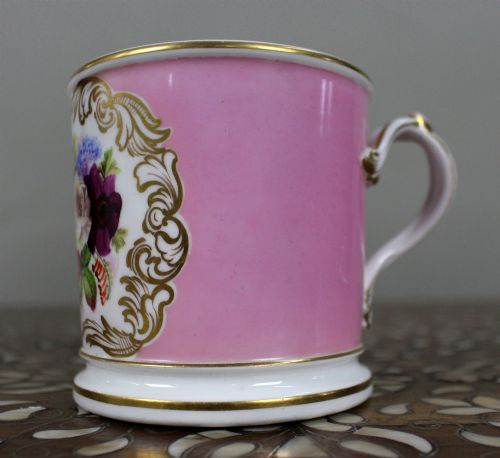
On this page, you are most likely to meet mid-nineteenth-century figurines, decorative plates, and jugs alongside twentieth-century bird sculptures. These items reflect the diverse manufacturing output of English and continental European makers.
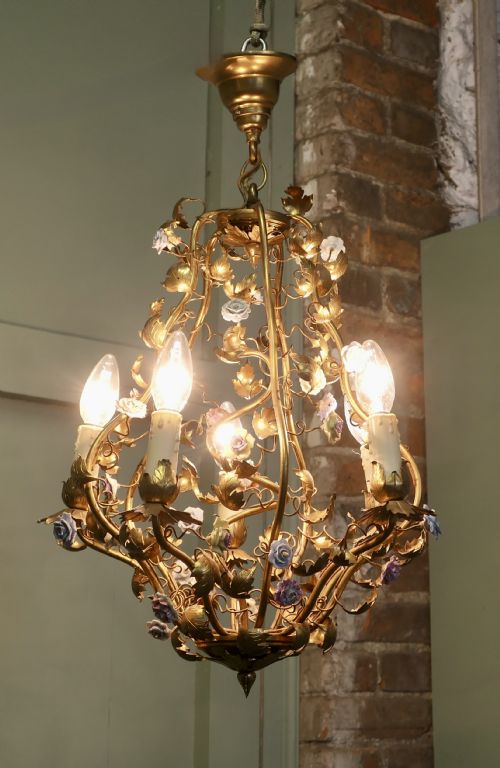
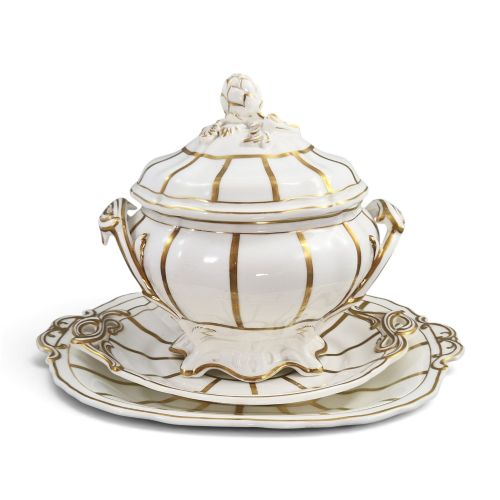
The selection includes everything from utilitarian tankards and ewers to purely decorative porcelain groups, chandeliers, and parian ware figures. Each piece demonstrates the specific stylistic influences of its decade, from rococo revivals to mid-century modern animal forms.
How they were made
Makers shaped hard-paste porcelain, bone china, and earthenware bodies before applying detailed hand-painted pigments and enamel colours. Artisans frequently integrated gold leaf and rich gilding to accent the surfaces.
Techniques varied from slip-casting figures in moulds to throwing vessels on a wheel, followed by multiple firings to fix the cobalt blue grounds, iron red details, and overarching glazes.
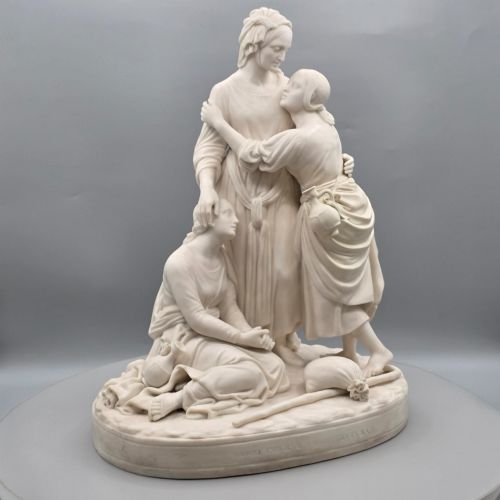
Parian ware pieces required specialised unglazed biscuit porcelain casting to achieve a matte, marble-like texture that highlighted sculptural detail in figures and groups.
The selection spans from mid-eighteenth-century figures to mid-twentieth-century porcelain birds and animals.
What varies in quality
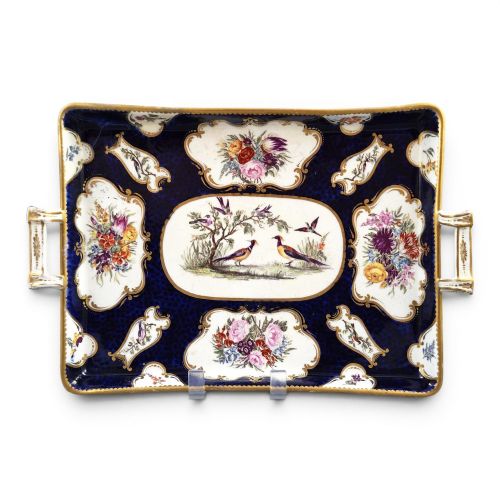
The standard of painting on cabinet plates and figures dictates the visual strength of the piece, separating rapid factory production from careful artistic execution. Fine hand-painted birds, insects, and armorial details show precise brushwork and depth of tone.
Sculptural definition in moulded figures depends on the sharpness of the original form and the care taken during finishing before the glaze firing. Superior examples retain crisp facial expressions and fine details on garments or feathers.
The application of gilding and enamel colours influences the overall richness of the object, with well-preserved gold leaf adding weight and presence to the design.
Karl Ens·Grainger Worcester·Davenport Bone China·Minton·Longton Hall·Mason's Ironstone·Meissen·Thomas Parr·Samson Paris·Jacob Petit·Volkstedt·Rudolstadt Volkstedt·Richard Ginori·T.J Jones·Karl Tutter·Royal Worcester·Kerr and Binns
The Mid Century Porcelain Glossary
- Parian ware
- A type of fine biscuit porcelain developed in the nineteenth century to imitate white marble. It was frequently used for sculptural figures and portrait busts.
- Hard-paste porcelain
- A durable ceramic material composed of kaolin and petuntse fired at high temperatures. It forms a dense, vitrified body that resists scratching.
- Imari palette
- A decorative style utilising underglaze blue, iron red, and gold highlights on a white ceramic ground. Originating in Japan, it was widely copied in Europe.
- Chinoiserie
- European artistic style reflecting Chinese motifs and decorative themes. It appears frequently on eighteenth and nineteenth-century ceramics.
- Famille rose
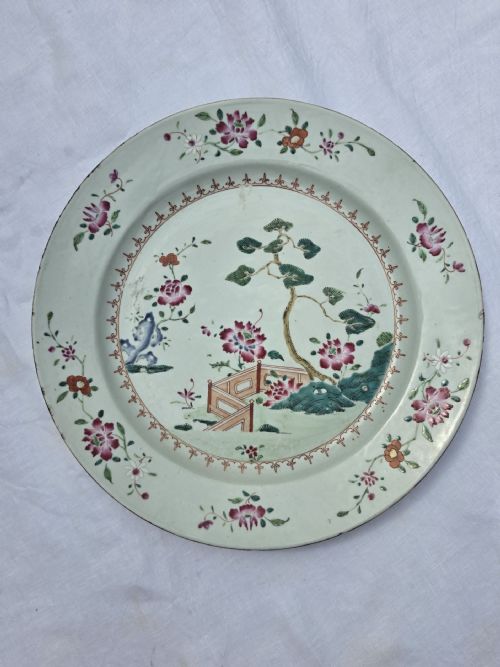
- A major palette of Chinese ceramic glazes introduced in the eighteenth century, distinguished by opaque pink or purple enamel colours.
Mid Century Porcelain: Frequently Asked Questions
What is parian porcelain?
Parian porcelain is a fine, unglazed ceramic material developed in the nineteenth century to resemble carved marble. Makers used it predominantly for sculptural figures and portrait busts where a matte finish was desired.
The material fires at high temperatures to create a dense, durable body that holds sharp sculptural detail. It allowed nineteenth-century manufacturers to produce affordable reductions of classical and contemporary sculptures for domestic interiors.
How do I identify Imari decoration?
Imari decoration is characterised by a distinct colour palette consisting primarily of underglaze blue, iron red, and abundant gold highlights. This decorative scheme originated in Japan before being adopted by European porcelain factories.
The style relies on dense floral and panelled patterns covering the white ceramic surface. Pieces decorated in this palette carry a heavy, vibrant visual weight.
What distinguishes hard-paste porcelain?
Hard-paste porcelain is a true ceramic composition made from kaolin and petuntse fired at extremely high temperatures. This process vitrifies the body into a hard, impermeable material.
The resulting body is often bright white and slightly translucent where thin. It forms the foundation for many eighteenth and nineteenth-century European decorative figures and cabinet plates.
How were cabinet plates used?
Cabinet plates were decorative ceramic items designed to be displayed on walls, stands, or inside glass-fronted cabinets rather than used for dining. They served as canvases for elaborate hand-painted scenes, armorial crests, and floral arrangements.
Owning these plates allowed collectors to showcase fine artistry and wealth within their homes. They frequently feature gilded borders and detailed portraits or landscapes.