

Mid Century Armchairs
These mid century armchairs span centuries of design, bringing diverse timber frames and traditional upholstery together.
Mid Century Armchairs
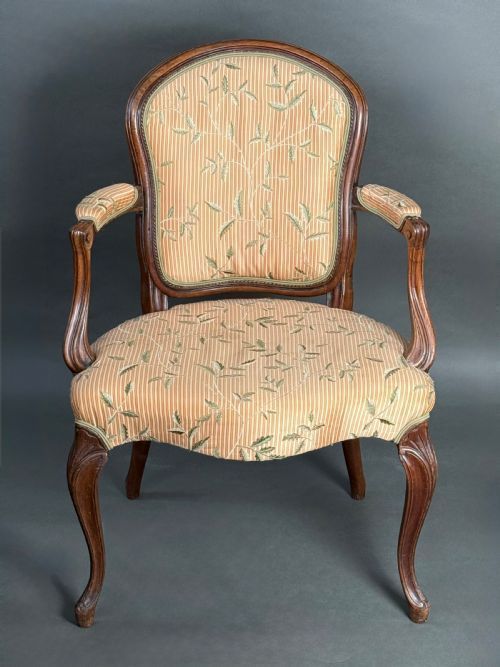
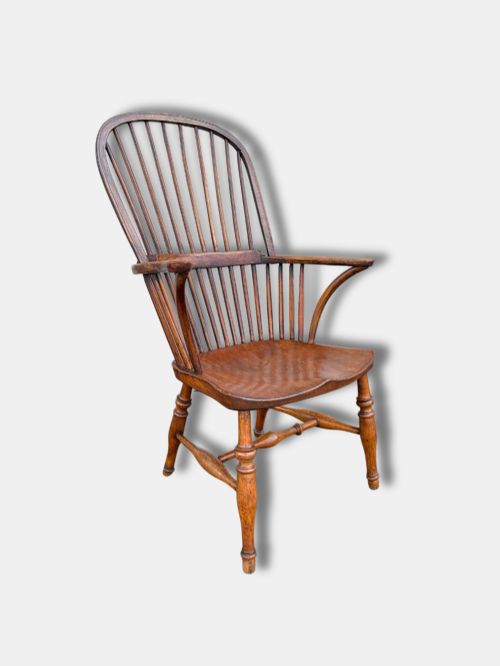
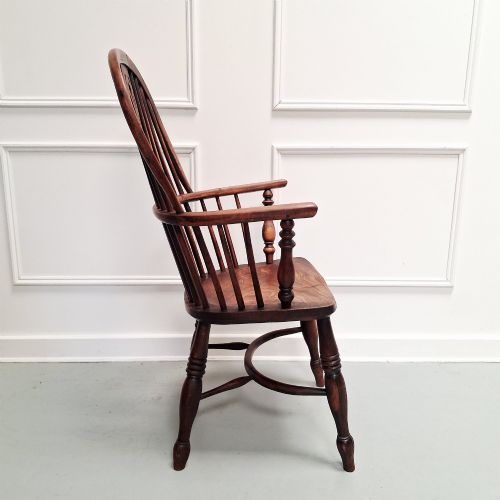
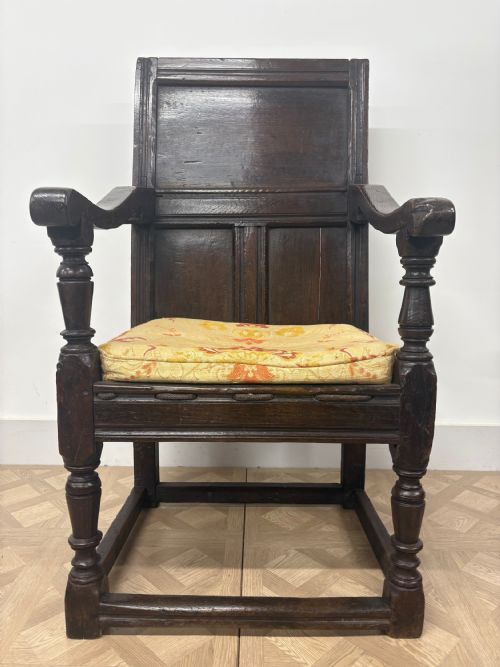
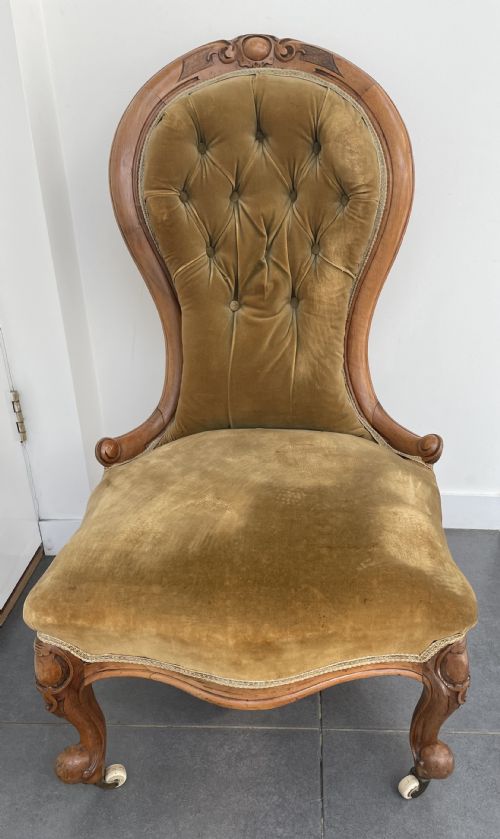
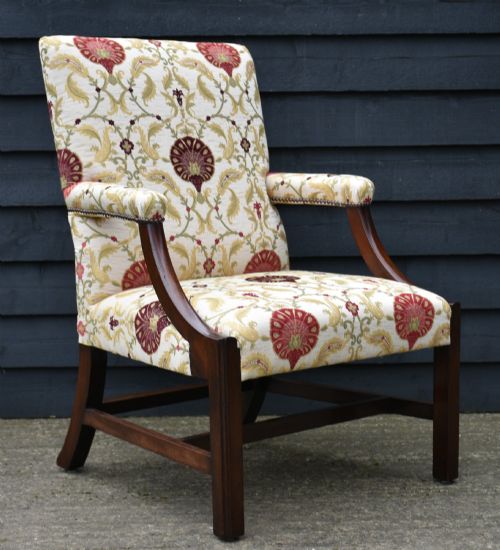
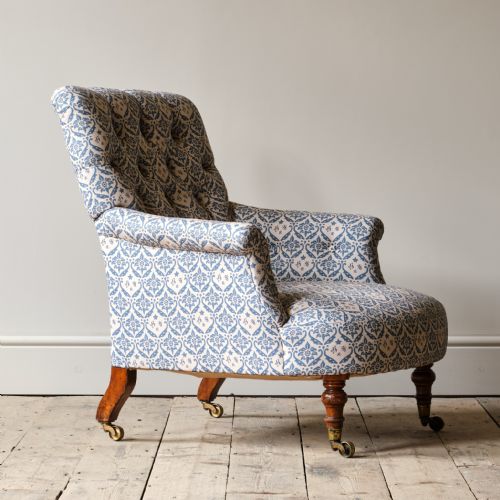
Mid century armchairs encompass a broad historical spectrum, stretching from seventeenth-century wainscot forms through eighteenth-century Gainsborough designs to nineteenth-century Windsor and Victorian upholstered seating.
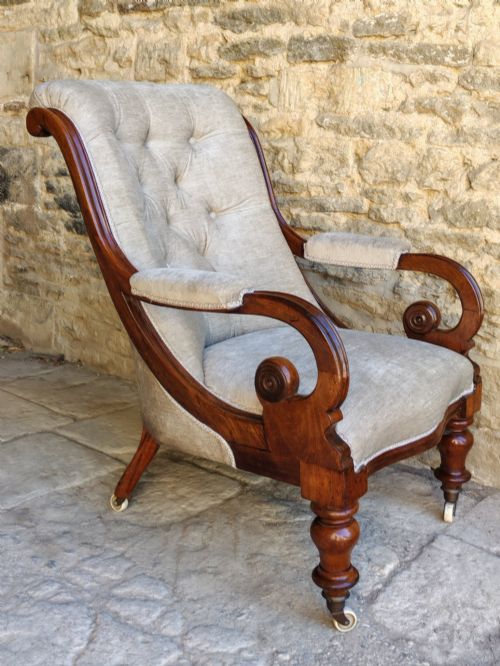
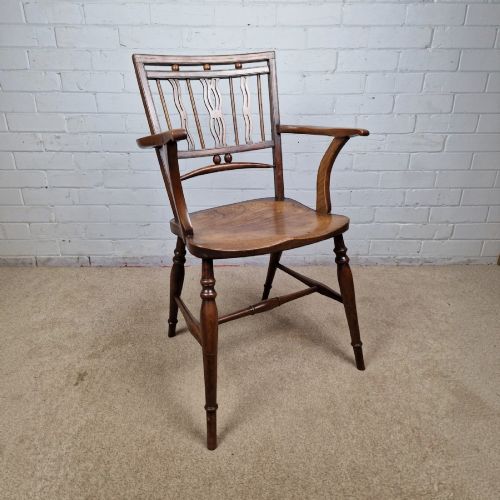
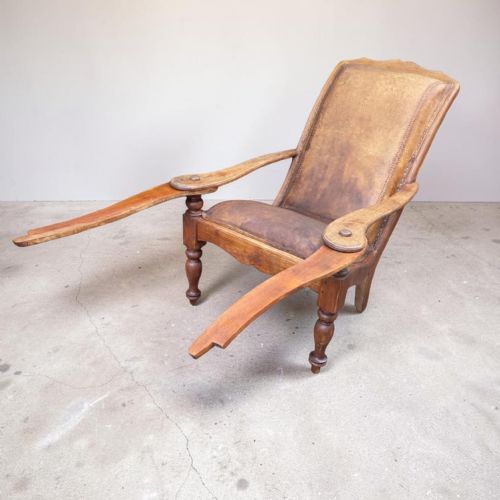
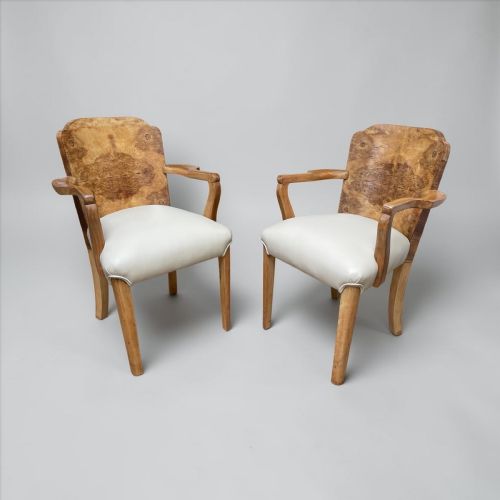
Buyers encounter numerous variations, including ash and elm Windsor chairs, mahogany library models, walnut reclining pieces, and twentieth-century French club or Art Deco chairs.
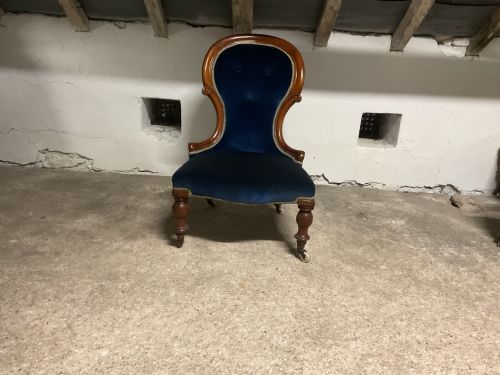
The selection ranges from sturdy country vernacular types to formal nineteenth-century library and desk armchairs rooted in earlier Georgian and Victorian traditions.
Materials and construction methods
Carpenters and cabinetmakers utilised dense native and exotic timbers such as oak, mahogany, walnut, ash, elm, birch, and yew wood for structural frames.
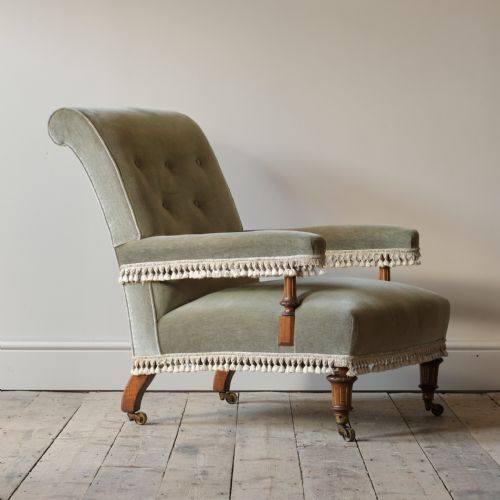
Upholstered variations incorporate traditional stuffing and coverings of leather, velvet, silk, and fabric, whilst structural elements often combine turned wood, carved details, and iron or brass components.
Listings feature timbers including oak, mahogany, walnut, elm, ash, birch, yew, ebony, and padouk alongside iron and brass.
Distinctions in quality and execution
The standard of carving and the selection of timber grain dictate the distinction between ordinary utility seating and exceptional workshop productions.
Refined joinery, original surface patination, and the integrity of the frame components separate standard vernacular chairs from high-status library and salon armchairs.
Gillows·Howard and Sons·Hille·J Spencer
The Mid Century Armchairs Glossary
- Windsor chair
- A wooden chair constructed with a solid plank seat into which the legs and back spindles are tenoned directly. These vernacular pieces frequently utilise ash, elm, and yew.
- Wainscot armchair
- An early wooden armchair constructed primarily of oak with panelled backrests and solid arms. These sturdy seventeenth-century seats reflect heavy panel-joinery techniques.
- Smoker's bow
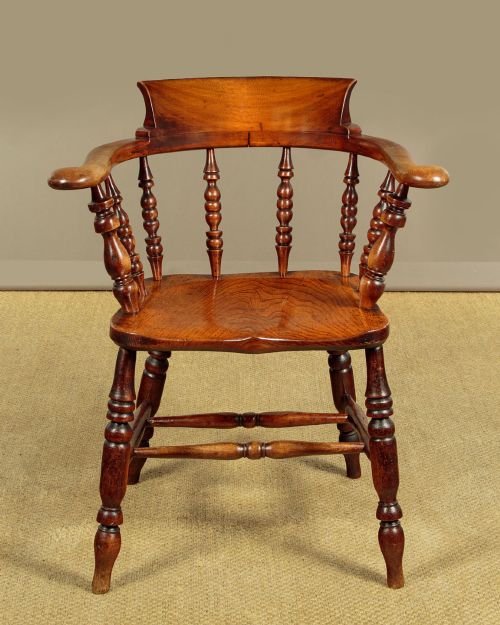
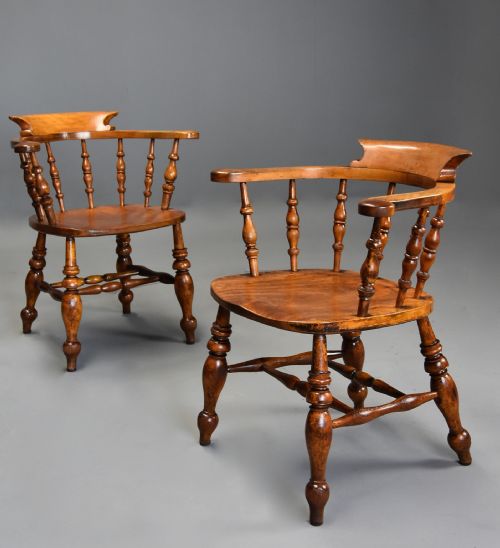
- A low-backed Windsor armchair featuring a rounded, continuous arm rail supported by turned spindles. They appear frequently in nineteenth-century ash and elm.
- Gainsborough chair
- A wide, upholstered armchair with open padded arms, short legs, and an open frame design. Eighteenth-century versions typically employ mahogany.
- Padouk
- A heavy, dense tropical hardwood displaying reddish-brown tones. Makers utilised this material for carved nineteenth-century Anglo-Indian armchairs.
Mid Century Armchairs: Frequently Asked Questions
How do library and desk armchairs differ?
Library armchairs are built for comfort and reading, typically featuring upholstered seats and padded arms supported by walnut or mahogany frames. Desk armchairs focus more on functional workspace utility.
Desk versions often incorporate swivel mechanisms, compact proportions, or simpler wood-backed designs suited for writing environments.
What is a smoker's bow?
A smoker's bow is a low-backed Windsor chair with a continuous curved arm rail. They were commonly produced in nineteenth-century workshops using ash and elm.
These pieces served as sturdy seating in domestic and public spaces, often matched in sets for communal use.
How are different wood types identified?
Timbers vary significantly in grain pattern, weight, and colour across these chairs. Oak and mahogany dominate formal eighteenth-century pieces, while ash and elm appear frequently in country Windsor frames.
Exotic woods like padouk and ebony indicate specific colonial or specialised nineteenth-century commission origins.