
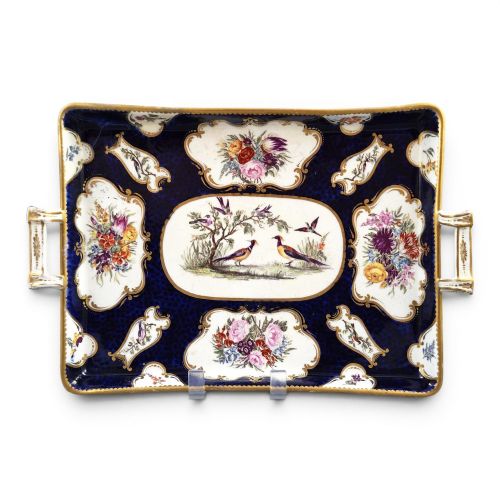


Mid 19th Century Ceramics
Mid 19th century ceramics encompass a varied group of Victorian figures, tableware and utility pieces that bring period character to any interior.
Mid 19th Century Ceramics
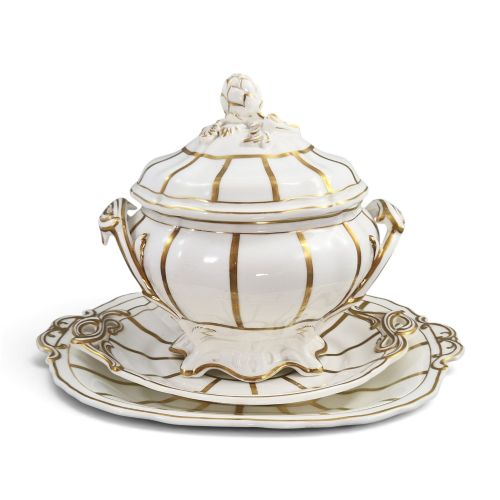
Mid 19th century ceramics span a broad spectrum of domestic and decorative objects from the Victorian era, ranging from practical pantry items to ornamental figures. The selection frequently includes Staffordshire pottery figures and dogs, English porcelain tableware, parian ware sculptures, and utilitarian earthenware jelly moulds.
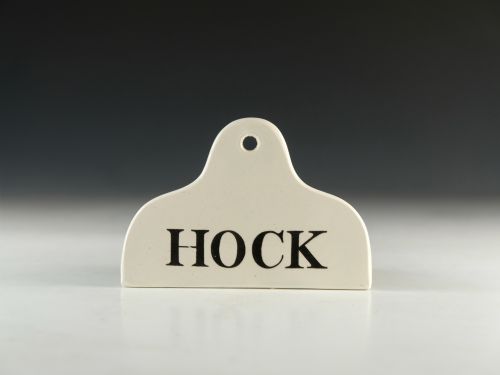
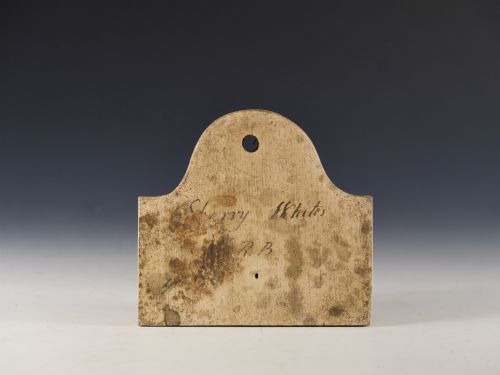
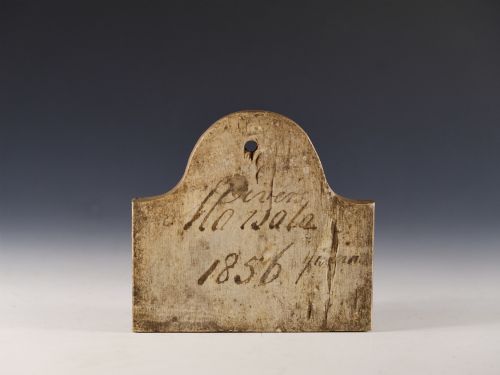
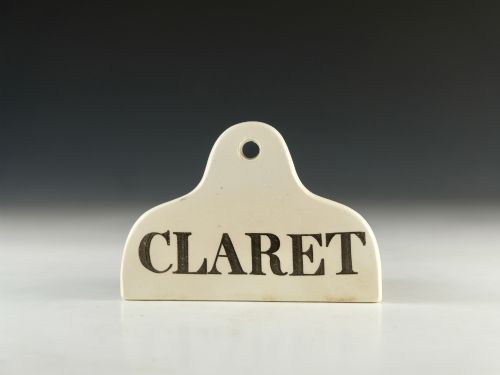
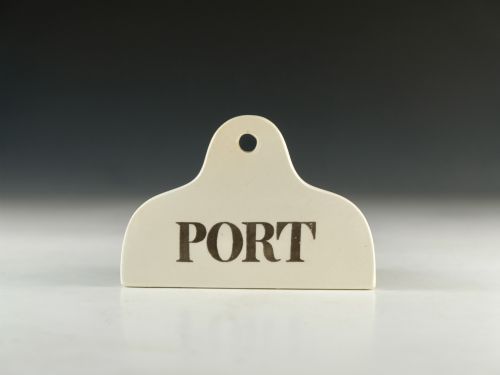
Buyers encounter distinct forms such as bin labels for wine cellars, cabinet plates, ewers, and miniature Dutch Delft furniture pieces. These items capture the diverse manufacturing output of English potteries and continental European factories during the decades surrounding eighteen-fifty.
How They Were Made
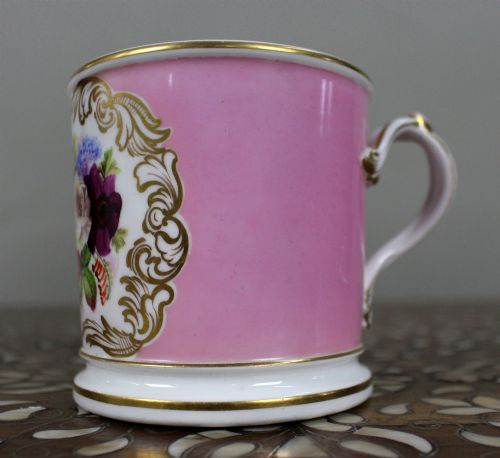
Potters utilised materials such as earthenware, bone china, ironstone, and parian porcelain, often applying hand-painted enamels, gilding with gold leaf, or rich cobalt blue grounds. Relief moulding and transfer printing also played significant roles in shaping Staffordshire figures and stoneware plates.
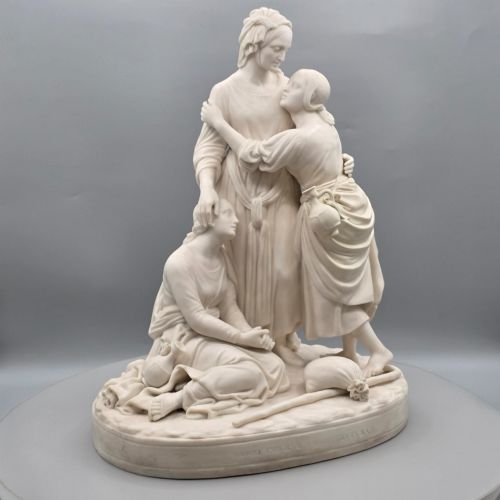
Specialised techniques defined specific wares, such as the unglazed biscuit finish characteristic of parian porcelain figures or the tin-glazing found on Dutch delftware and faience pieces. Artisans combined these methods with meticulous hand-painting to achieve detailed surface decoration.
A tiny blue and white Dutch delft chair awaits discovery among the miniatures.
What Varies In Quality
The standard of mid 19th century ceramics depends heavily on the crispness of the moulding, particularly in relief-moulded pitchers and parian groups where fine detail dictates visual impact. Crisp contours and careful execution separate superior examples from softer, worn productions.
Painting quality marks another division, as hand-painted birds, insects, and armorial details demand high artistic skill. Superior pieces display deliberate brushwork and vibrant enamel colours rather than hasty decoration.
Grainger Worcester·Davenport Bone China·Minton·Thomas Parr·John Ridgway·Charles Meigh·Copeland·Royal Worcester·Kerr and Binns·Wedgwood
The Mid 19th Century Ceramics Glossary
- Parian ware
- A type of fine biscuit porcelain developed in the nineteenth century to imitate marble. It is particularly associated with sculptural figures and portrait busts.
- Ironstone
- A durable, heavy earthenware patented in England to provide a robust alternative to porcelain. It readily accepts transfer-printed and hand-painted Chinoiserie designs.
- Creamware
- A refined earthenware with a pale yellowish glaze developed in the eighteenth century and continued into the nineteenth. It forms the body of many utilitarian kitchen and pantry items.
- Delftware
- Tin-glazed earthenware traditionally decorated in blue and white, inspired by Chinese porcelain imports. Mid-century examples include miniature furniture and Toby jugs.
- Enameled
- Decorated with vitreous enamel colours fused to the ceramic body through kiln firing. This technique produces bright surface patterns on plates and jugs.
Mid 19th Century Ceramics: Frequently Asked Questions
How do I identify parian ware?
Parian ware possesses a distinctive matte, unglazed surface that resembles carved marble. It was widely utilised for nineteenth-century figures and portrait busts.
Unlike gloss porcelain, parian relies entirely on its sculptural form and fine texture for aesthetic appeal without the distraction of surface glazes.
What are Staffordshire dogs?
Staffordshire dogs are earthenware mantelpiece ornaments, commonly modelled as spaniels, produced in pairs during the Victorian period. They often feature hand-painted patches and gilded highlights.
Potters moulded these figures to sit symmetrically on either side of a fireplace, making them a popular decorative staple in Victorian homes.
Are ironstone plates durable?
Ironstone is a exceptionally dense and sturdy ceramic material designed for heavy daily use. It resists chipping far better than standard earthenware.
This durability made ironstone plates and ewers practical choices for nineteenth-century dining rooms before modern commercial dinnerware took over.
What is a wine cellar bin label?
A wine cellar bin label is a small ceramic tag used to identify specific wines stored in cellar racks. They were inscribed with names like port, sherry, or claret.
These functional items hung from bottle necks or shelves, reflecting the organised domestic management of large Victorian households.