
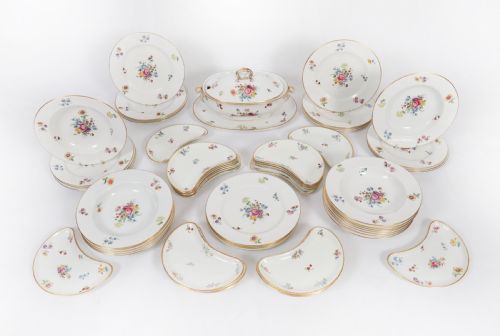


Gilded Bone China Set
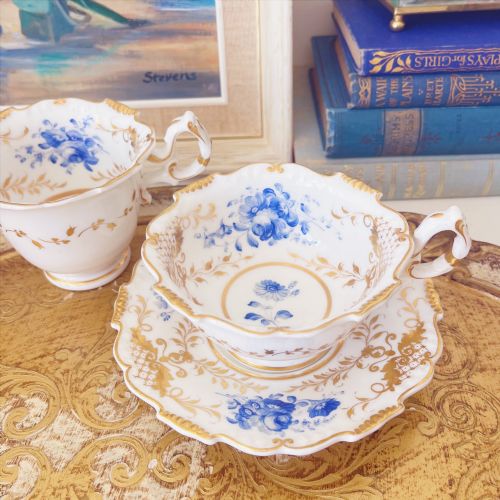
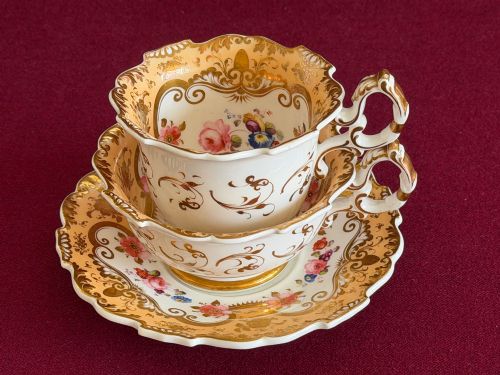
When you search for a gilded bone china set, you encounter centuries of English tea wares, cabinet trios and formal services finished in gold leaf.
Gilded Bone China Set
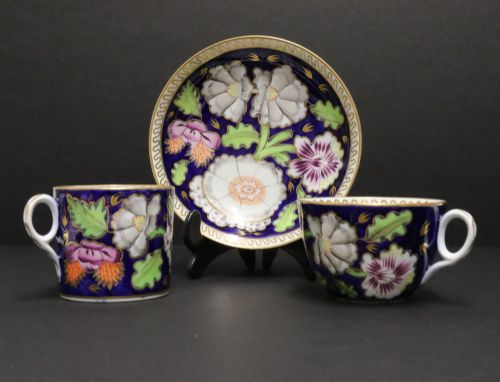
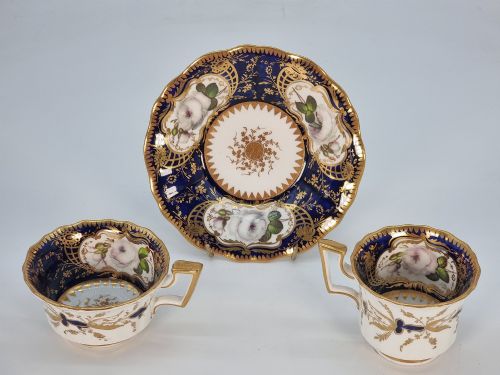
A gilded bone china set encompasses everything from solitary morning cups to multi-piece dining and afternoon tea services spanning the Regency, Victorian and Edwardian eras. Buyers searching this phrase most frequently find trios, consisting of a teacup, saucer and matching plate, alongside larger service configurations.
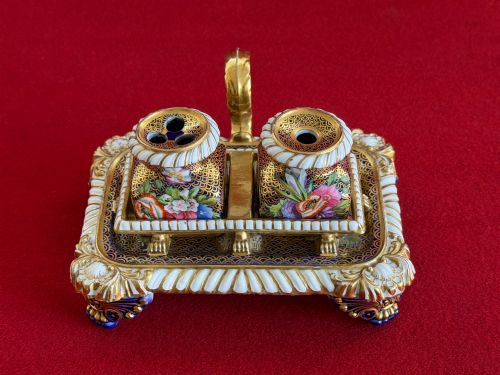
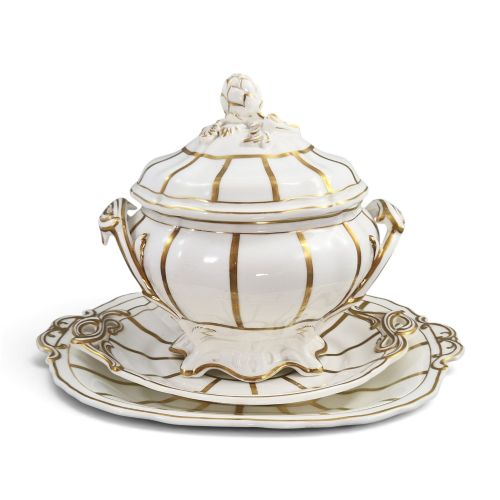
The objects originate from historic English manufactories producing domestic porcelain and bone china for formal dining and drawing room hospitality. Forms range from utilitarian sauce tureens and inkstands to decorative cabinet cups and complete dessert services.
How they were made
Potters shaped bone china and porcelain bodies using traditional moulds and throwers before applying hand-painted polychrome enamel details and rich gold leaf or gilding. Pieces underwent multiple kiln firings to fuse the glass-like glazes with the metallic gilding and painted pigments.
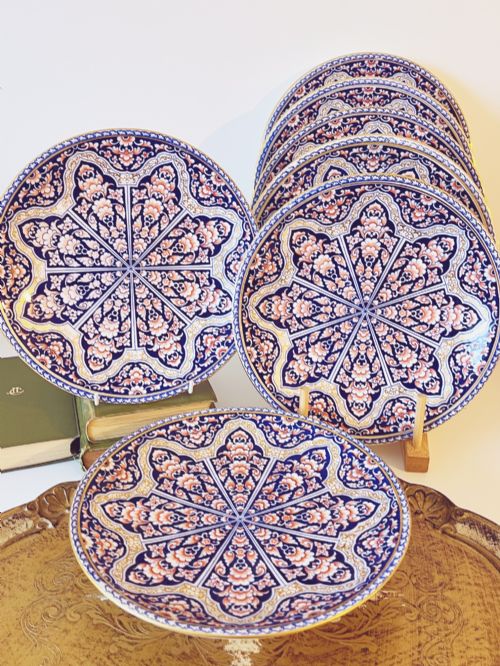
Makers such as Spode, Coalport and Royal Worcester employed skilled artisans to execute intricate patterns like Imari designs and botanical motifs. The application of gold gilding along rims, handles and handles required steady brushwork and burnishing to achieve a brilliant finish.
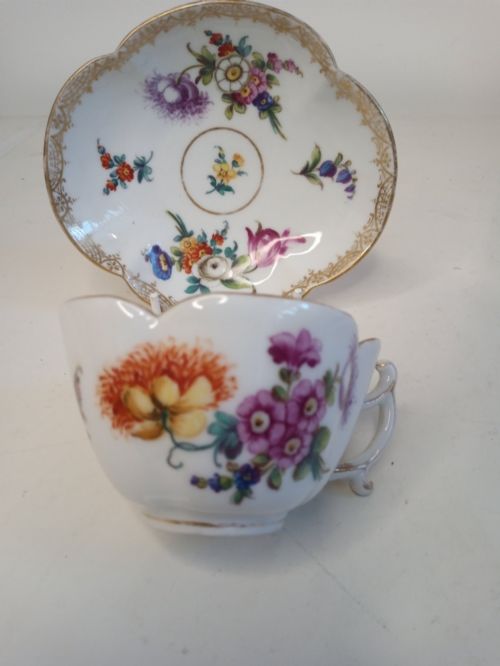
Listings feature bone china and porcelain forms from the Regency period through the 1960s, including teacups, inkstands and dinner services.
What varies in quality
Quality rests upon the precision of the hand-painting, the weight and purity of the gold leaf utilised, and the crispness of the porcelain moulding. Early Regency trios and mid-Victorian service pieces demonstrate varying degrees of fineness in the translucent body and the complexity of the patternwork.
The integrity of the gilding and the preservation of the enamel colours over decades of use dictate the overall desirability of a service. Superior examples retain burnished highlights and crisp borders without excessive rubbing or fading.
H and R Daniel·Royal Crown Derby·Newhall·Coalport·Spode·Davenport·Copeland·Hicks Meigh and Johnson·Royal Worcester·Doric China Longton Stafford·Ridgway·Minton·Wedgwood·Wileman Foley Shelley·Gladstone potteries
The Gilded Bone China Set Glossary
- Bone china
- A type of soft-paste porcelain incorporating animal bone ash, producing a strong, translucent ceramic body ideal for fine tableware.
- Trio
- A matched set comprising a teacup, a saucer and a corresponding tea plate.
- Gilding
- The application of gold leaf, gold paint or gold gilt to ceramic surfaces for decorative enhancement.
- Cabinet trio
- A decorative porcelain cup, saucer and plate intended primarily for display in a cabinet rather than daily table use.
- Demitasse
- A small cup used for serving espresso or strong coffee, frequently found in twentieth-century sets.
Gilded Bone China Set: Frequently Asked Questions
What is included in a tea set?
A standard service typically comprises teacups, saucers and side plates, often accompanied by larger serving items such as milk jugs, sugar bowls and cake plates.
Larger configurations may expand to include dozens of individual pieces designed to serve six or more guests during formal afternoon tea.
How do I date an antique set?
Dating relies upon maker's marks stamped, impressed or painted on the underside of the porcelain, alongside stylistic indicators like shape and pattern numbers.
Comparing the decorative style, such as Regency neoclassical motifs or Edwardian floral arrangements, helps narrow the production window.
Can I use these sets daily?
Historic tea wares require careful handling, and most owners reserve antique gilded porcelain for occasional use or display rather than routine meals.
Hand washing in warm water without abrasive detergents preserves the delicate hand-painted enamels and gold leaf.
What does a cabinet trio mean?
A cabinet trio refers to a cup, saucer and plate set made specifically for visual appreciation and collection rather than practical dining.
These pieces often feature elaborate hand painting, raised gilding and superior translucency intended to be showcased in glass-fronted furniture.