



White and Gold China
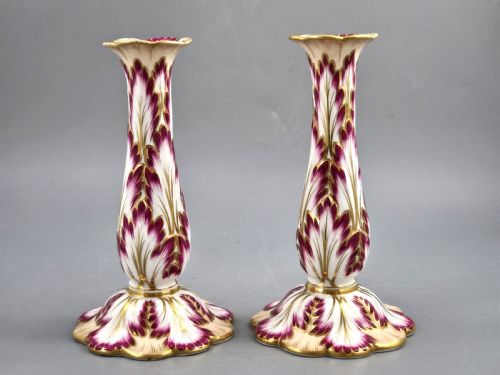
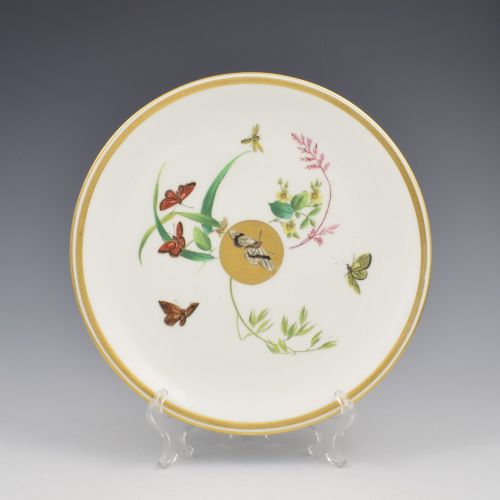
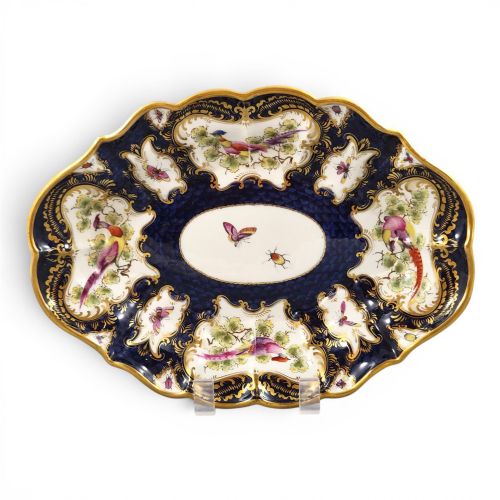
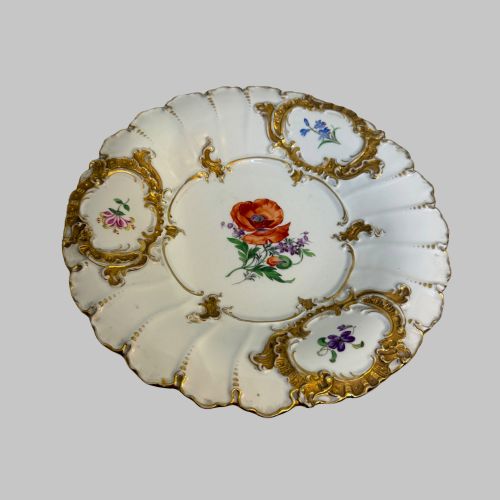
White and gold china brings together crisp white porcelain and rich gilding, offering refined tableware and cabinet pieces from past centuries.
White and Gold China
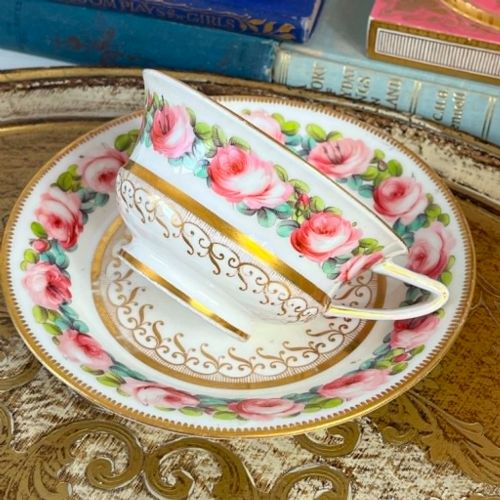
White and gold china encompasses a broad range of ceramics designed for dining, display, and service, uniting brilliant porcelain bodies with decorative metallic accents. When exploring these items, collectors encounter various forms spanning utilitarian vessels to purely decorative objects.
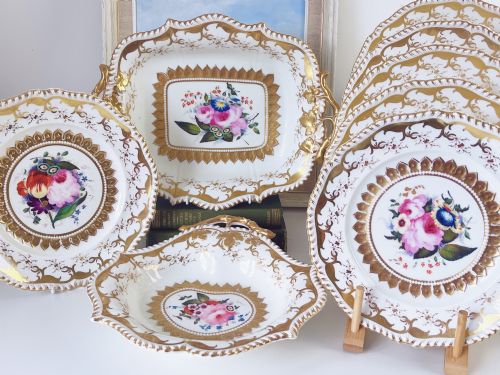
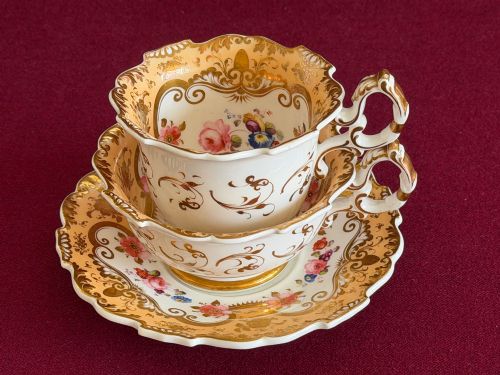
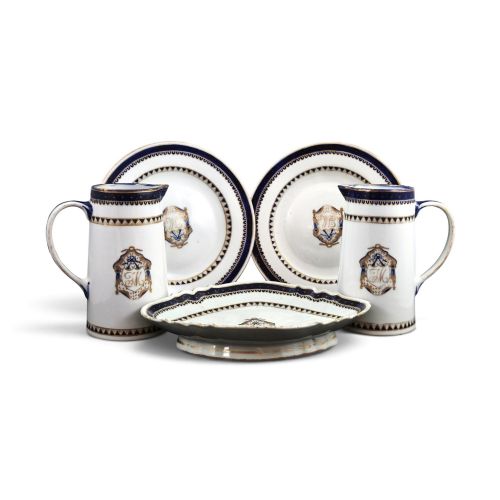
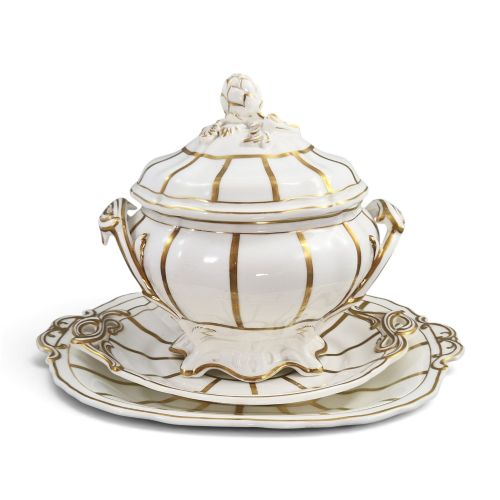
The selection includes practical tableware alongside dedicated display pieces, reflecting domestic habits of earlier eras. Teacups and saucers, dessert services, cabinet plates, and tureens represent the core output found across these periods.
Originating from major European and domestic manufactories, these ceramics bridge utilitarian function and fine art. Pieces date from the eighteenth century through the early twentieth century, incorporating Georgian, Regency, Victorian, and Edwardian aesthetic shifts.
Materials and production techniques
Makers utilised hard-paste porcelain, bone china, and soft-paste variations to form the bright white foundation of each piece. These ceramic bodies were fired at high temperatures to achieve durability and a smooth surface suitable for intricate decoration.
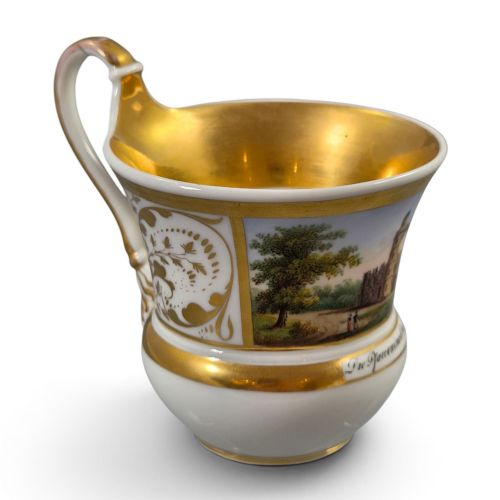
Gilding was applied using gold leaf, liquid gold, or thick gold gilt, often hand-painted and burnished to create contrasting matte and bright metallic finishes. Enamel colours and hand-painted floral or topographical motifs were layered over or beside the gilding to complete the design.
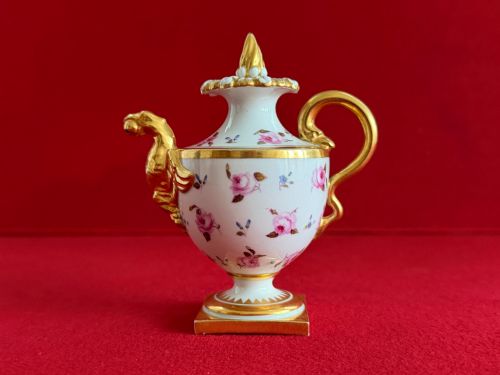
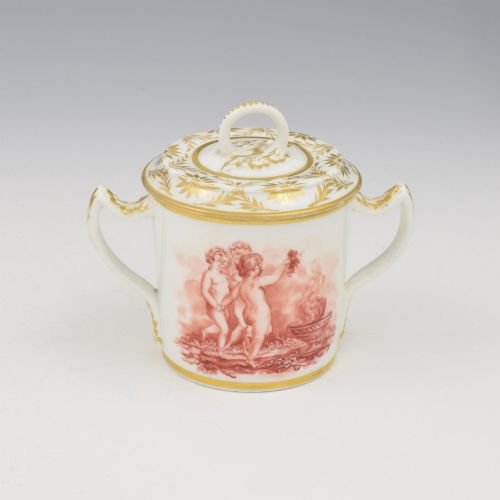
Object forms range from miniature cups and sauce tureens to complete dessert services and decorative cabinet plates.
Judging execution and refinement
Quality rests heavily on the precision of the hand-painting and the purity of the porcelain body. Superior pieces display crisp brushwork in floral panels or topographical scenes, whereas simpler wares rely on standard moulded patterns.
The weight and application of the gold leaf dictate the visual depth of the metallic highlights. Thick, hand-burnished gilding retains its brilliance far better than thin washes that have suffered from historical washing and friction.
Grainger Lee And Co·Flight Barr And Barr·Kpm Berlin·Royal Worcester·Spode Copeland·Royal Crown Derby
The White and Gold China Glossary
- Bone china
- A type of soft-paste porcelain incorporating bone ash, yielding a durable, milky-white body favoured by English potteries.
- Gilding
- The application of gold leaf or powder to the ceramic surface, providing the signature metallic brilliance seen on these wares.
- Cabinet plate
- A decorative ceramic plate intended for display in a cabinet rather than for serving food at the dining table.
- Hard-paste porcelain
- A vitrified ceramic composed of kaolin and petuntse, fired at very high temperatures to create an impermeable white body.
- Sucrier
- A small covered sugar bowl designed to match teacups and teapots within a domestic tea service.
White and Gold China: Frequently Asked Questions
How do I date white and gold china?
Dating relies on maker marks stamped or painted on the underside, combined with stylistic clues such as handle shapes and floral painting styles.
Comparing pattern numbers with factory archives helps narrow down the production decade across eighteenth and nineteenth-century pieces.
Are these pieces safe for daily use?
Most antique porcelain and bone china requires gentle hand washing to protect fragile enamel paints and delicate gold leaf decorations.
Using them for special occasions rather than daily dining preserves the historic gilding and prevents modern detergents from dulling the surface.
What is a porcelain dessert service?
A dessert service is a matched set of plates, bowls, and sometimes compotes or baskets designed specifically for serving the final course of a formal meal.
These sets often feature elaborate hand-painted botanical or topographical scenes surrounded by heavy gilding.
How do I spot hand-painted gilding?
Hand-painted gilding shows slight variations in thickness and brush texture under magnification, unlike flat, mechanically applied twentieth-century gold bands.
Master artisans burnished specific areas of the gold to create contrasting matte and shiny zones within the same decorative motif.