




Metal Hearth Kerb
A metal hearth kerb frames the fireplace cleanly, keeping stray embers in check while giving the hearth a finished architectural presence.
Metal Hearth Kerb
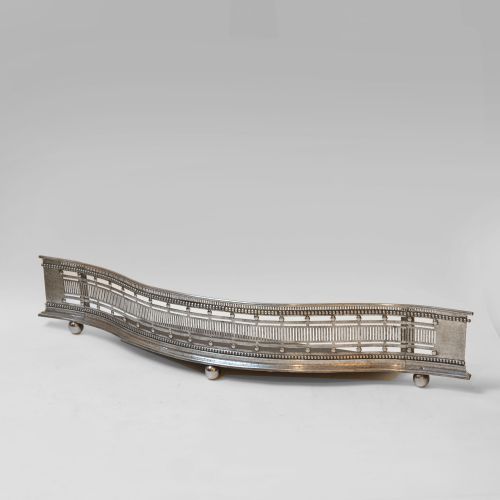
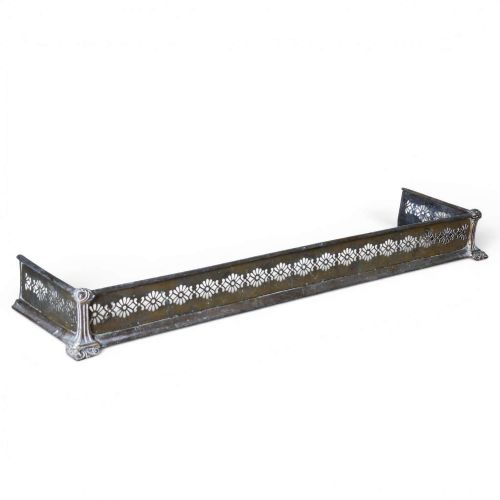
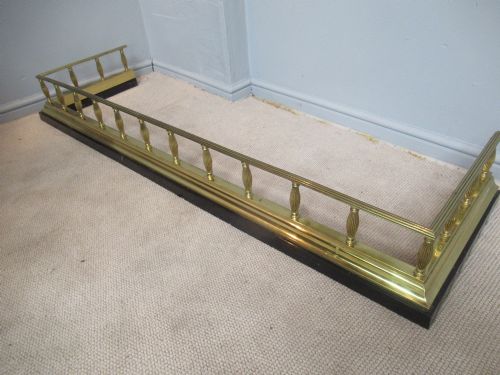
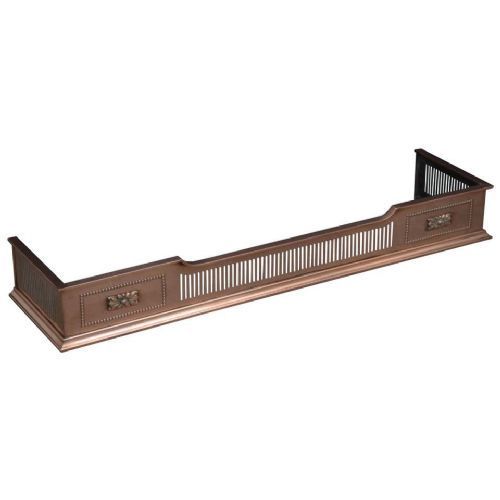
A metal hearth kerb sits directly on the floor around an open fireplace to contain ashes and protect the surrounding room. Buyers searching for a metal hearth kerb encounter various period forms, from restrained Georgian shapes to ornate Victorian designs.
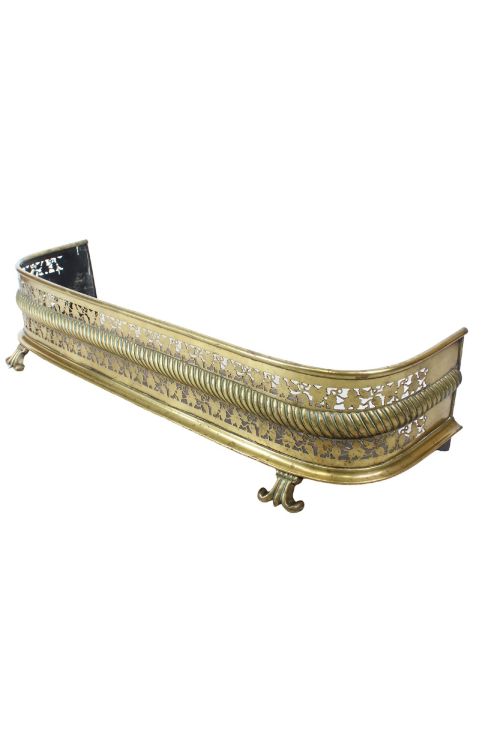
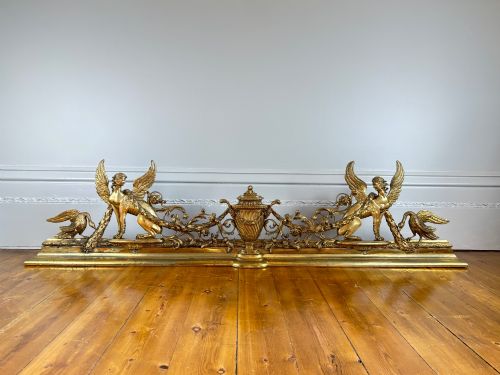
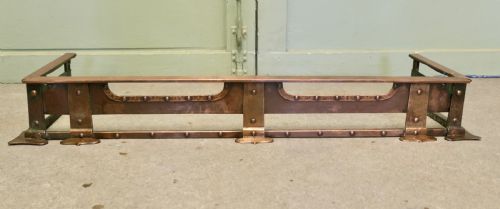
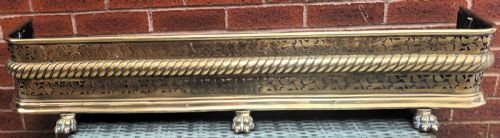
The selection ranges from simple steel frames to elaborate pierced brass models. Examples span across the Georgian, Victorian, and Edwardian eras, incorporating stylistic influences such as Art Nouveau and Arts and Crafts.
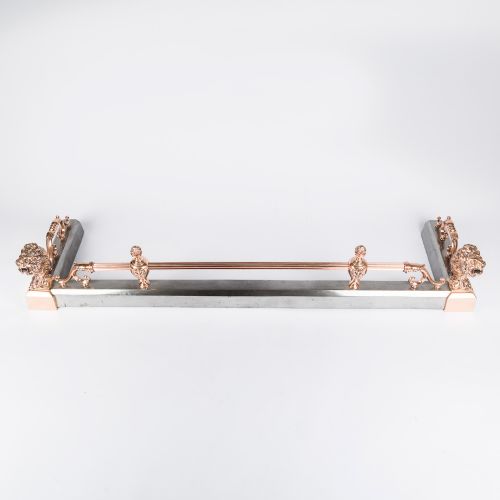
Most pieces function primarily as fireplace fenders or hearth curbs. These items frequently combine metals, pairing polished steel bodies with cast brass details or incorporating copper panels.
Materials and construction methods
Blacksmiths and metalworkers shaped these objects using brass, steel, copper, and iron. Many pieces rely on a sturdy iron or steel core clad or trimmed in polished brass or beaten copper.
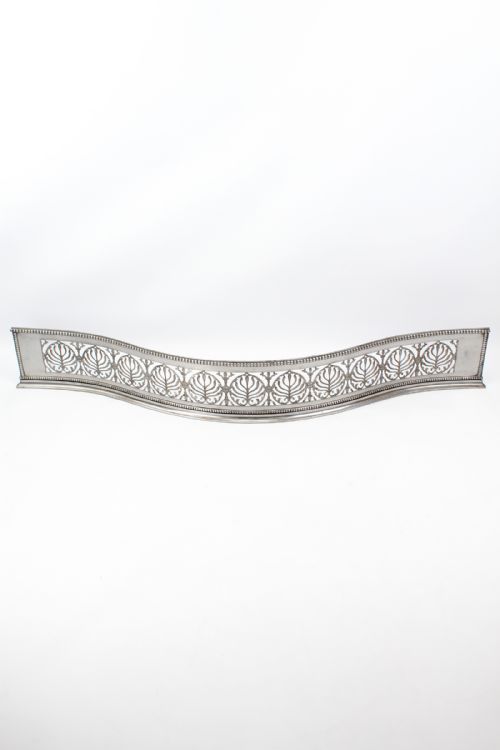
Craftsmen utilised piercing, riveting, and casting techniques to ornament the metal. Pierced brass galleries and riveted copper plates demonstrate distinct period methods for adding decorative texture to structural hardware.
Materials recorded across the inventory include polished steel, gilt bronze, cast iron, and beaten copper.
Assessing quality in metalwork
Gauge and weight distinguish standard examples from superior pieces. Heavier gauge steel and thick cast brass components offer greater structural integrity and longevity.
The crispness of detail in pierced decoration and the quality of surface finishing determine the grade of the work. Hand-engraved serpentine fronts and finely detailed flower patera indicate superior craftsmanship.
E F Caldwell New York
The Metal Hearth Kerb Glossary
- Fender
- A low metal guard placed around a hearth to contain coals and sparks. It frames the fireplace opening and often incorporates seating or tool rests.
- Kerb
- An alternative spelling of curb, referring to the low boundary edge enclosing the hearth. This structural barrier separates the fire area from the main flooring.
- Patera
- A circular ornamental disc carved or stamped in low relief, often resembling a classical flower or rosette. These motifs frequently accent brass and copper surfaces.
- Serpentine
- A curved shape featuring a convex centre flanked by concave sweeps, commonly seen on eighteenth-century and nineteenth-century hearth furniture. This fluid line softens rigid metal profiles.
- Pierced
- Perforated with decorative cut-out patterns to let light through and reduce the visual weight of the metal. Pierced brass galleries are typical of Victorian designs.
Metal Hearth Kerb: Frequently Asked Questions
How do I measure for a metal hearth kerb?
Measure the width and depth of your hearth area precisely, leaving a small clearance for the fender to sit comfortably without overhanging the edge of the hearthstone.
Take into account the projection of the fireplace surround so the kerb aligns properly with the upright pilasters or jambs.
What is the difference between brass and steel fenders?
Brass fenders provide a warmer, brighter appearance that reflects firelight, while steel and iron versions offer a heavier, industrial or more austere aesthetic.
Many period examples combine both metals, using steel for the structural base and brass for decorative mouldings and feet.
How should I clean a vintage metal kerb?
Dust the surface regularly with a soft cloth to prevent grime accumulation in pierced details and crevices. Avoid harsh chemical dips that strip away desirable historical patina.
Use appropriate metal polishes sparingly on brass or copper sections, taking care not to stain adjacent steel or iron components.
Are these kerbs suitable for modern wood-burning stoves?
These pieces were originally designed for open coal or wood fires within traditional hearths. They function effectively as protective barriers around modern hearth installations if dimensions align.
Ensure adequate clearance between the stove body and the metal frame to prevent excessive heat transfer to the antique material.