
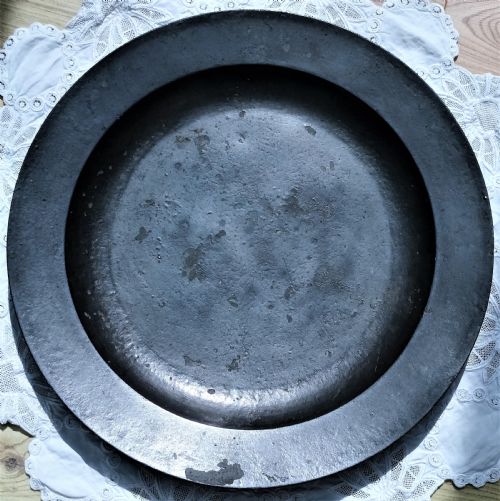


Metal Charger Plate
A metal charger plate brings substance and rich decoration to a wall or table, drawing the eye with detailed metalwork.
Metal Charger Plate
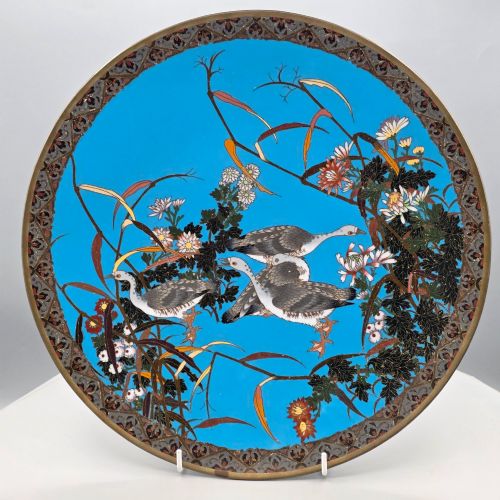
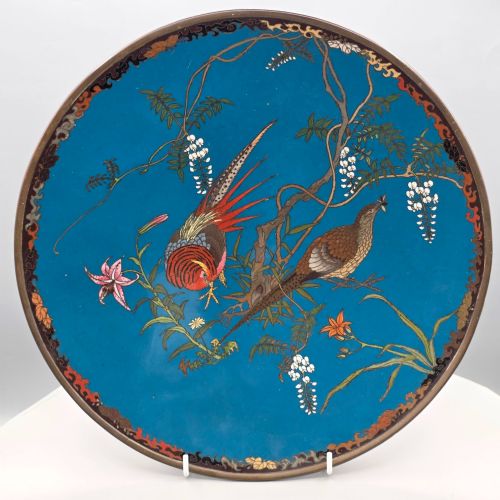
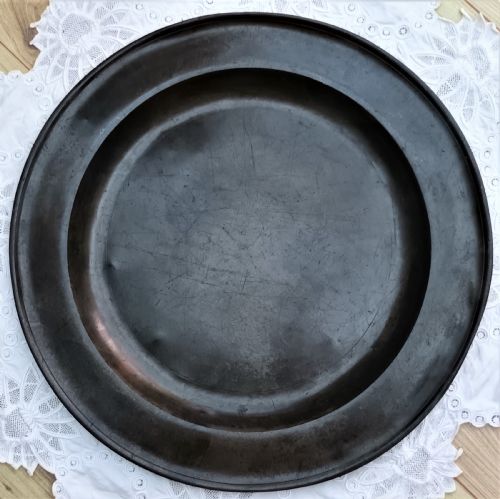
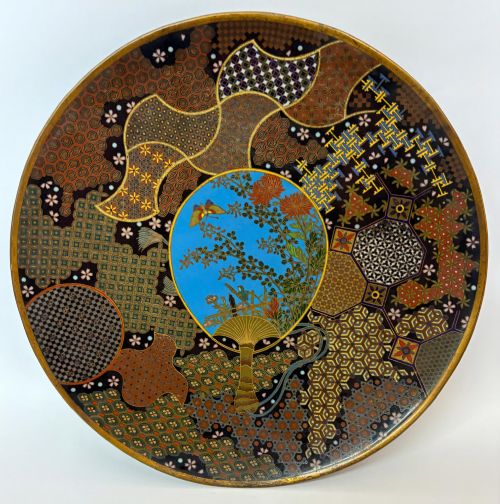
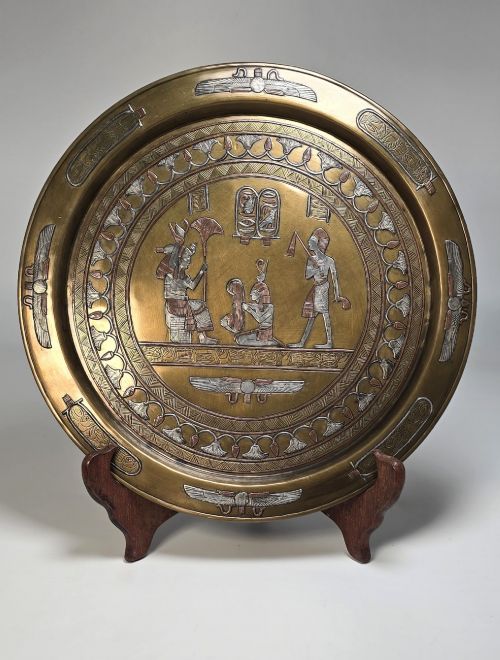
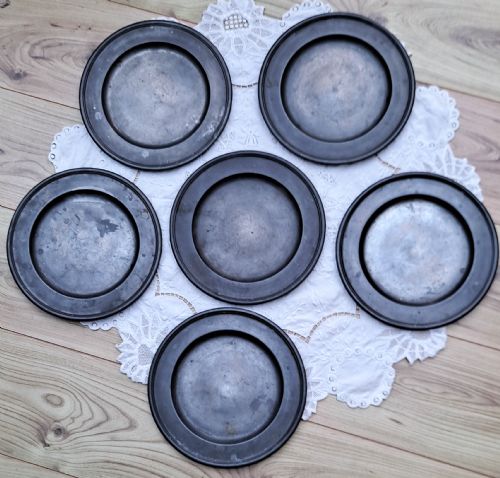
A metal charger plate serves primarily as a decorative dish or wall plaque, originating in forms intended for ceremonial display or dining service across multiple centuries. The selection on this page leans heavily toward Japanese cloisonne enamel works from the Meiji period, alongside English Georgian pewter dishes and Middle Eastern brass and copper wares.
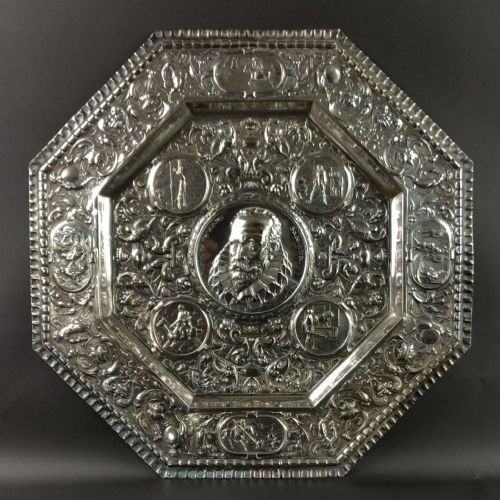
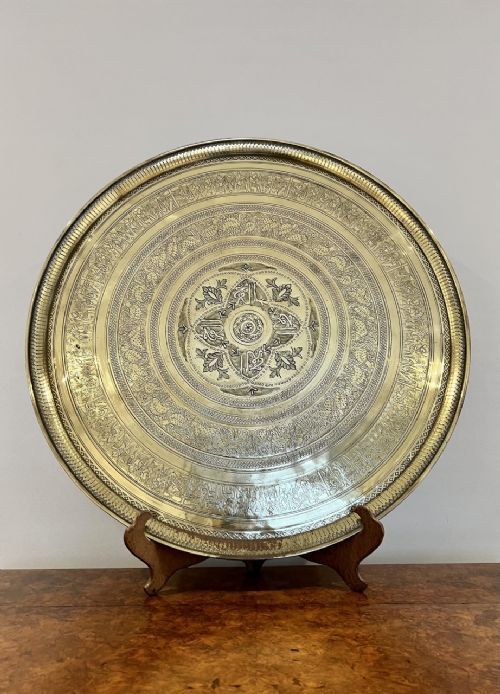
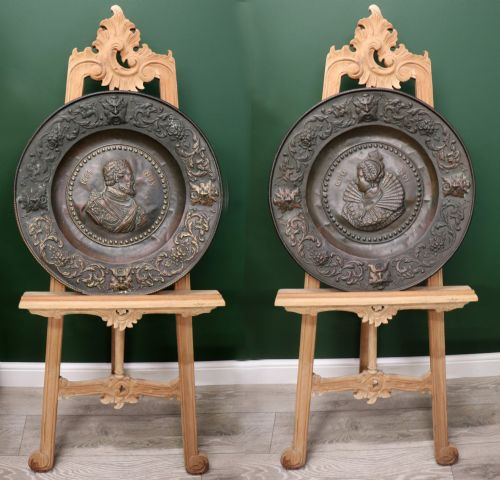
Buyers encounter substantial brass, copper, pewter and bronze items ranging from simple plain rim plates to complex repousse wall chargers. These pieces function as striking focal points in a room, combining utility and ornate craftsmanship from periods spanning the seventeenth to the twentieth century.
Materials and Technique
Artisans employed hammering, casting and repousse techniques to shape copper, brass, pewter and bronze into deep dishes and flat platters. Raised patterns emerged from beating the metal from the reverse side, supplemented by fine engraving on the surface.
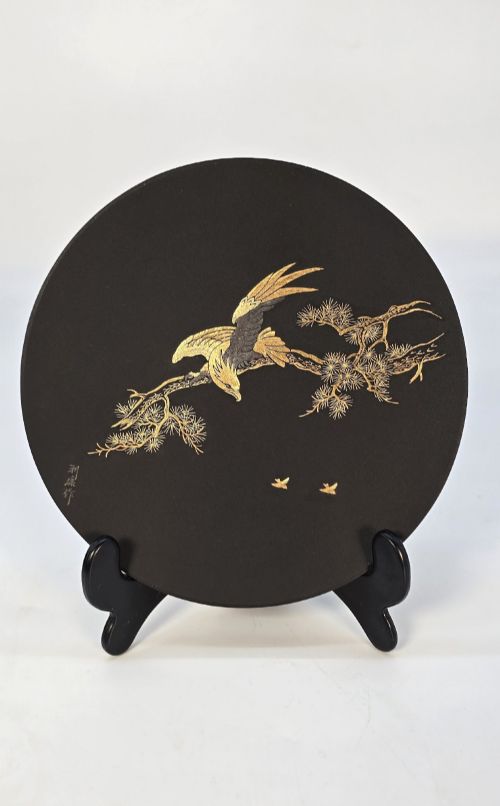
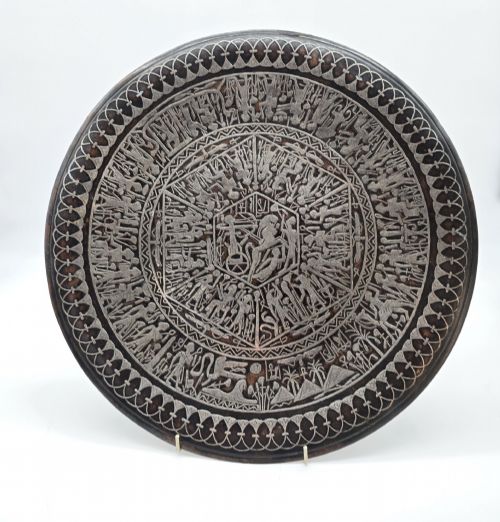
Cloisonne pieces utilise thin brass or copper wire soldered to a metal base to form cells, which craftsmen filled with coloured enamel paste before firing. Other examples incorporate silver and gold inlay upon patinated iron or copper to create intricate pictorial designs.
The selection includes Japanese Meiji period cloisonne trays alongside eighteenth-century English pewter dishes bearing traditional maker touchmarks.
Markers of Quality
Quality rests in the crispness of the repousse relief, the precision of the wirework in enamel pieces, and the depth of the metal patination. Superior examples display intricate detailing in figures, flora or fauna without blurring or surface distortion.
The weight of the metal and the complexity of the inlay separate standard production wares from masterworks. Maker signatures or touchmarks on English pewter and Japanese cloisonne further distinguish pieces created by notable workshops.
John Duncomb·William Wright·Samuel Smith·T and H Compton·Richard King·John Tubb·Robert Moulins II
The Metal Charger Plate Glossary
- Repousse
- A metalworking technique where the artisan hammers the design from the reverse side to create a raised image on the front. This method adds significant tactile depth to copper and brass chargers.
- Cloisonne
- An enamelling process utilising thin metal wires soldered to a body to create compartmentalised cells for coloured glass pastes. The piece undergoes multiple firings and polishings to achieve a smooth finish.
- Alms Dish
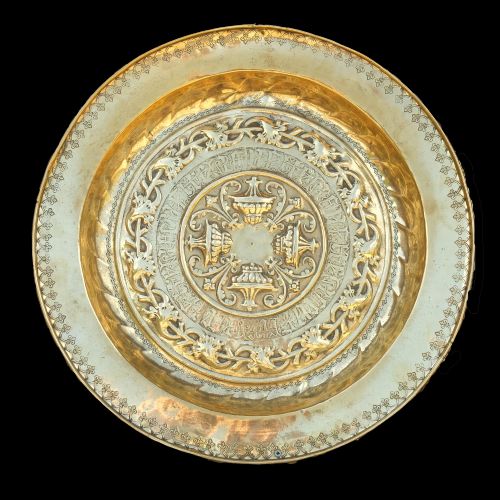
- A large metal basin traditionally used in churches for collecting offerings, often featuring deeply embossed religious or heraldic motifs in the centre. Nuremberg workshops produced notable historical examples.
- Cairo Ware
- Metalwork originating from Egypt, typically brass or copper inlaid with silver and calligraphy or geometric patterns. These items gained popularity during the nineteenth-century Grand Tour period.
- Touchmark
- An official stamp or hallmark impressed into pewter by a member of a guild to signify the maker and standard of metal. These marks help identify English pewterers from the seventeenth and eighteenth centuries.
Metal Charger Plate: Frequently Asked Questions
How do I hang a metal charger plate safely?
Wall chargers require sturdy adjustable brass spring hangers that grip the rim securely without scratching the metal or the enamel surface. Ensure the wall fixing matches the combined weight of the heavy copper or bronze dish.
Position the plate away from direct sunlight and high moisture areas to preserve the integrity of patinated bronze, delicate cloisonne enamel or inlaid silver.
How should I clean antique pewter and copper?
Antique pewter benefits from gentle washing with mild soap and warm water, followed by thorough drying with a soft cloth to prevent spotting. Avoid aggressive modern metal polishes that strip away the historical dark patina.
Copper and brass pieces tolerate light dusting with a dry microfibre cloth, keeping chemical cleaners away from inlaid silver and delicate enamel surfaces.
What is the difference between a charger and a plate?
Chargers are significantly larger than standard dining plates, historically placed under smaller course dishes to catch spills or add grandeur to a table setting. Their increased diameter provides a broader canvas for elaborate repousse decoration or pictorial enamel scenes.
Plates in these materials were smaller and intended for direct functional use during meals rather than purely ornamental wall mounting.