
Mens Vintage Mechanical Watch
A mens vintage mechanical watch offers reliable engineering and enduring style, spanning pocket watches to mid-century wristwatches.
Mens Vintage Mechanical Watch
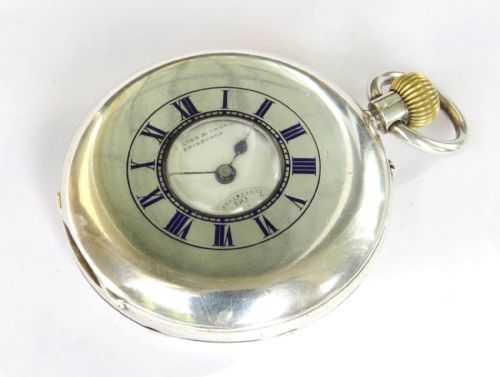
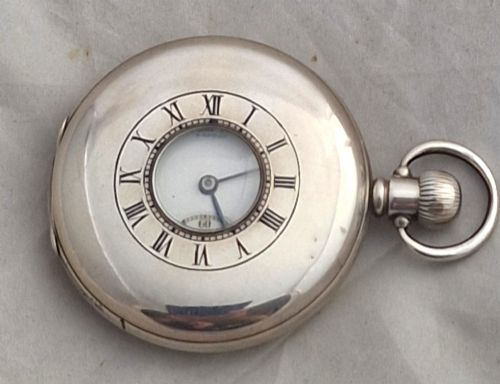
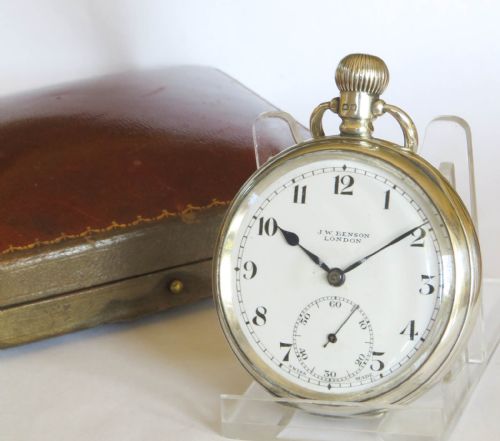
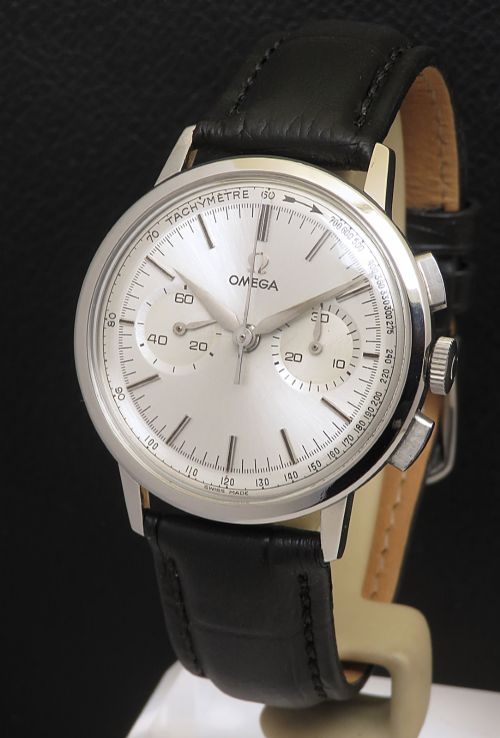
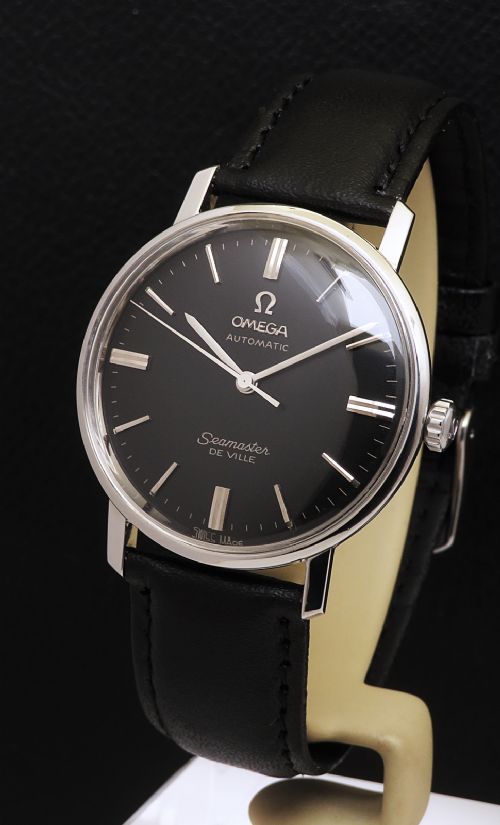
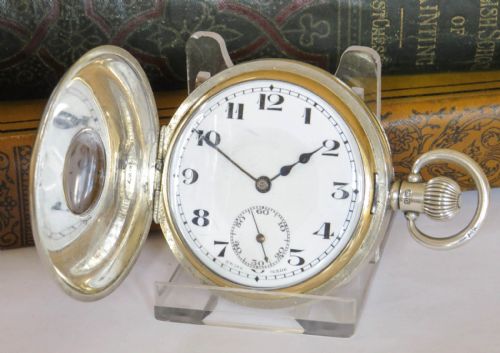
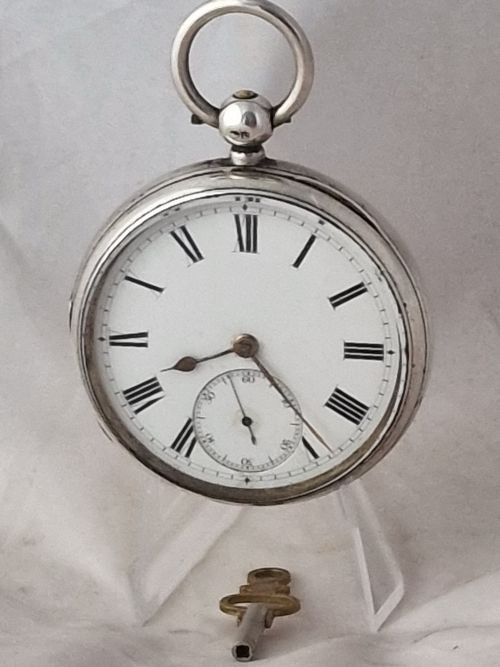
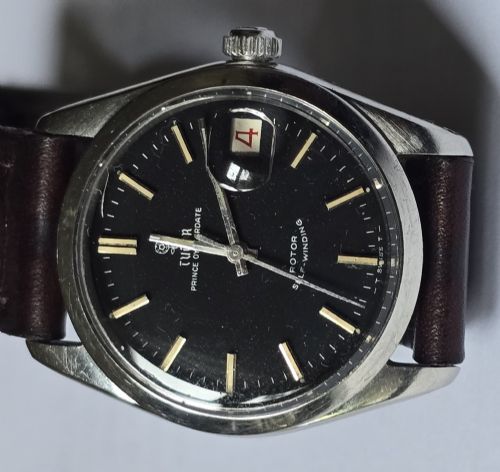
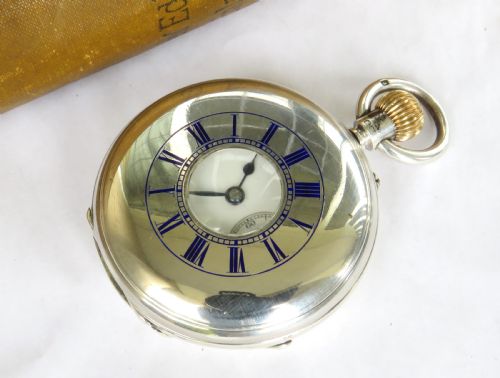
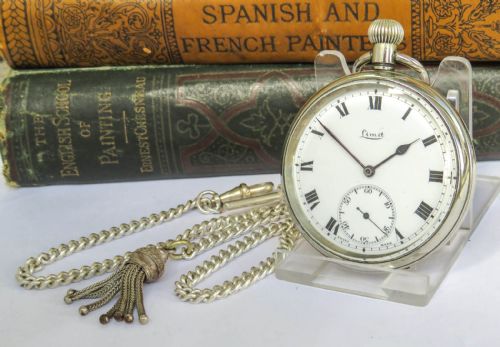
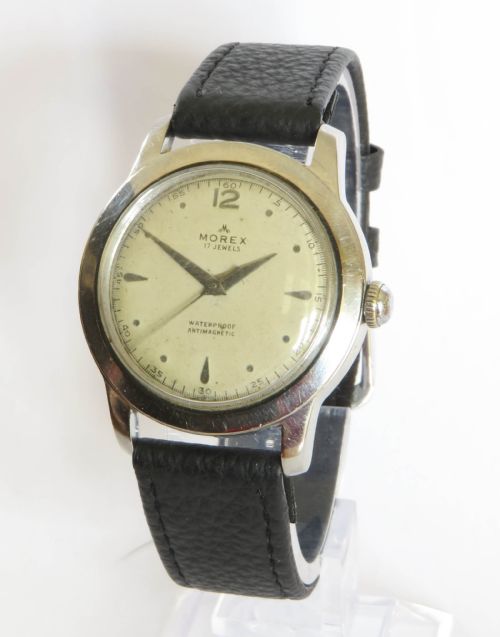
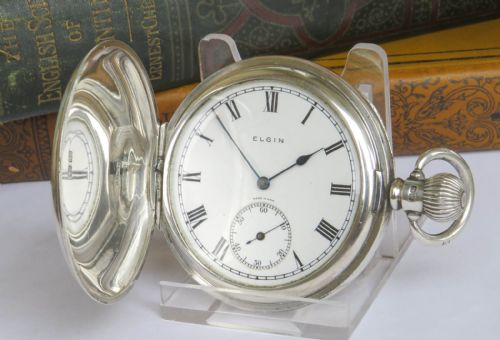
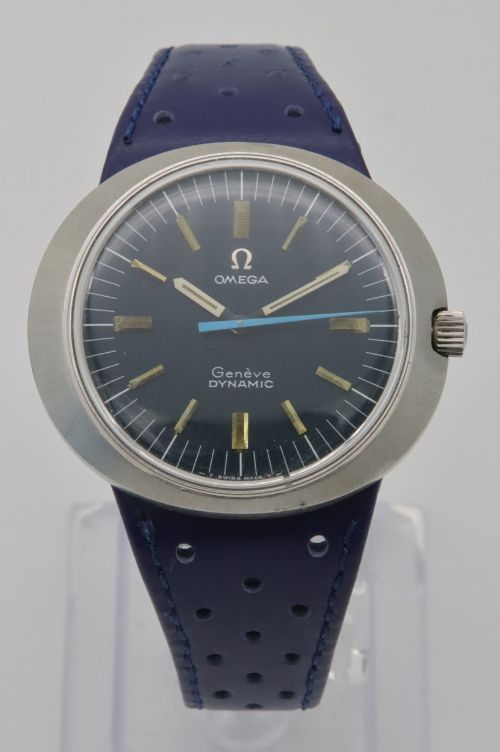
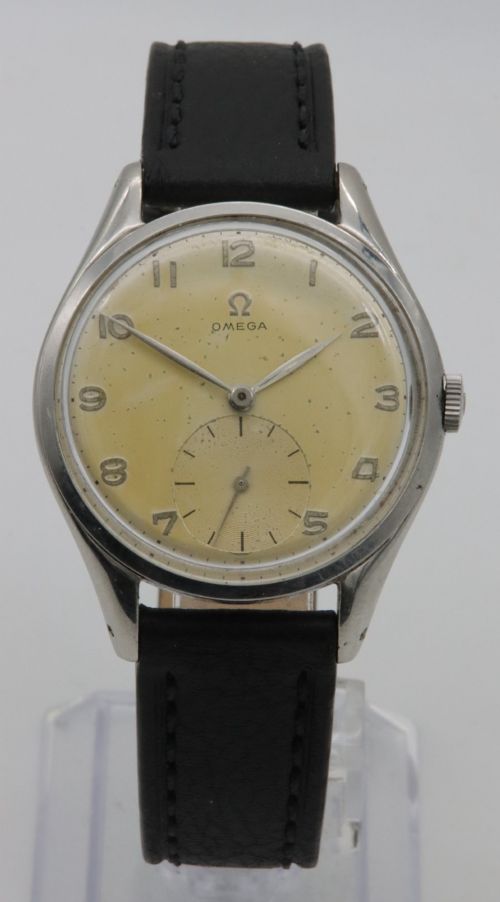
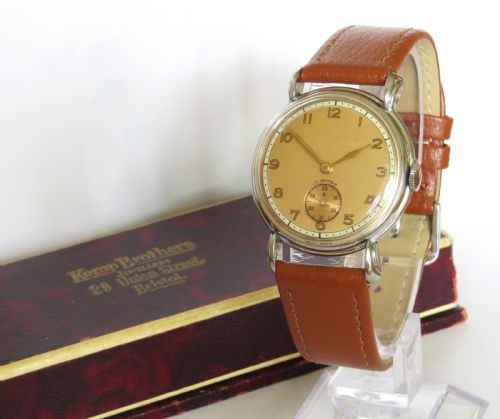
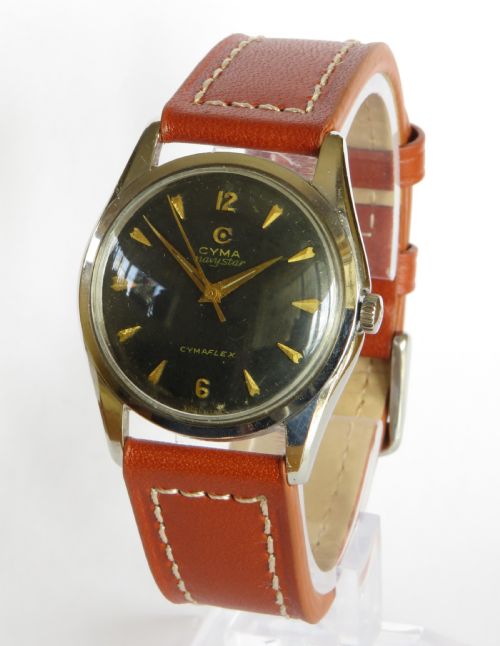
When searching for a mens vintage mechanical watch, buyers encounter timepieces ranging from Victorian and Edwardian pocket watches to wristwatches from the nineteen-fifties and nineteen-sixties. These items encompass both open-face and hunter pocket designs alongside wrist-worn chronographs and automatic models.
The selection here draws primarily from mid-century styles and earlier decades, reflecting diverse forms such as the Omega Seamaster, Tudor oysterdate, and various silver hunter pocket watches. Each piece relies entirely on springs and gears rather than electronic quartz movements.
How they were made
Watchmakers constructed these cases using stainless steel, solid silver, gold plate, and occasionally eighteen-karat gold, pairing them with glass or acrylic crystals to protect the dial. Dials frequently incorporated enamel work or textured finishes, often accompanied by leather straps or metal chains.
Internal mechanisms depended on intricate arrays of brass gears, mainsprings, and escapements assembled by hand. Movements were wound manually via the crown or powered automatically through the kinetic motion of an internal weighted rotor.
Bravery awards occasionally appear engraved on Victorian and Edwardian silver hunter pocket watch inner cases.
What varies in quality
The standard of a mens vintage mechanical watch rests upon the sophistication of its movement, such as chronometer-grade adjustments or chronograph complications, alongside the original condition of the dial and case. Examples featuring signed movements from established makers generally demonstrate superior horological refinement.
Casing materials also dictate overall grade, with solid gold or heavy silver housings marking higher tiers compared to gold-plated brass. Preservation of factory finishes on dials and crisp hallmarks on silver or gold add considerable weight to a piece's standing.
Hinds London·J W Benson·Omega·Tudor·Elgin·Montilier·Cyma·Hamilton·Heloisa·Thomas Russell and Son·Rone·Seiko·Bulova·Smiths·Octava·Lange and Sohne·Eterna·Festina·Gruen·Waltham·Longines·IWC·Antoremi
The Mens Vintage Mechanical Watch Glossary
- Calibre
- The specific internal movement design and model created by a watch manufacturer. This number identifies the exact mechanical architecture powering the watch.
- Hunter
- A pocket watch fitted with a spring-loaded metal cover that protects the glass dial. Half hunter versions feature a small glass opening or transparent window in the centre of the lid to show the hands.
- Chronograph
- A watch equipped with a stopwatch function alongside regular timekeeping displays. Independent hands measure elapsed seconds and minutes via dedicated pushers.
- Fusee
- An antique conical pulley system used in older pocket watches to maintain even tension on the mainspring as it unwinds. This mechanism improves timekeeping accuracy across the power reserve.
- Automatic
- A self-winding mechanical movement that uses a weighted oscillating rotor to wind the mainspring through the natural motion of the wearer's wrist.
Mens Vintage Mechanical Watch: Frequently Asked Questions
How do I wind a mechanical watch?
Turn the crown clockwise between your thumb and forefinger until you feel gentle resistance. Stop immediately once the tension increases to avoid damaging the mainspring.
For automatic models, normal daily wear keeps the internal rotor moving and winds the spring automatically without manual turning.
Are these watches water resistant?
Most vintage mechanical timepieces lack modern rubber seals and screw-down components. Even models marked waterproof should be kept well away from water.
Moisture easily bypasses older crystals and crowns, leading to rust on the delicate steel gears inside the movement.
How accurate are vintage mechanical watches?
Mechanical movements typically gain or lose a small number of seconds per day compared to modern quartz timepieces. Regular servicing by a watchmaker helps maintain optimal timing performance.
Factors like temperature changes and physical positioning can also influence how steadily an older movement runs.