
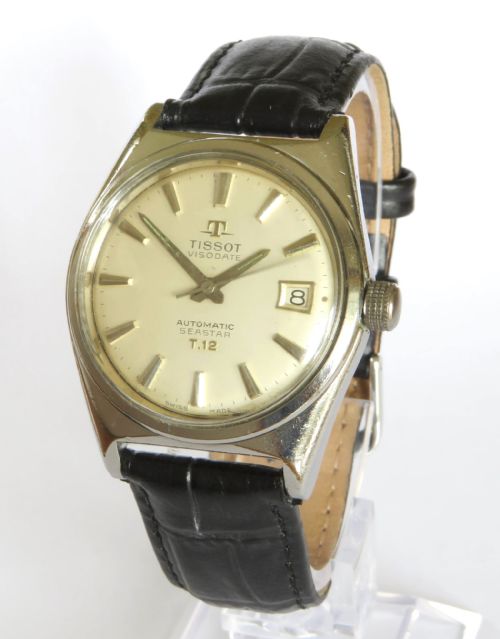
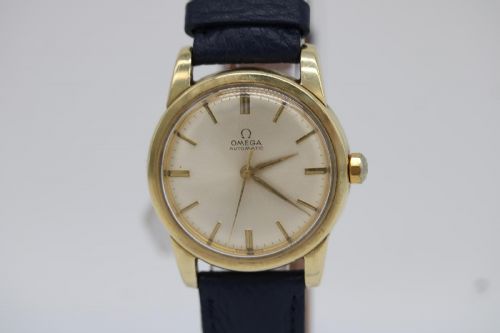
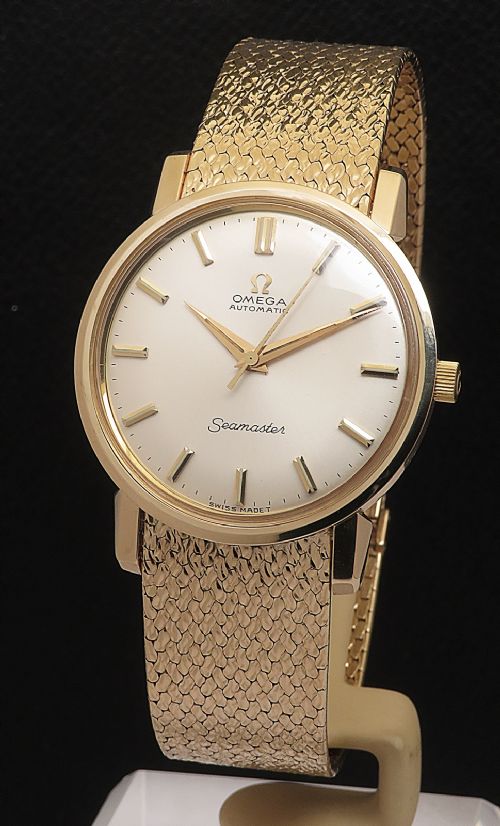
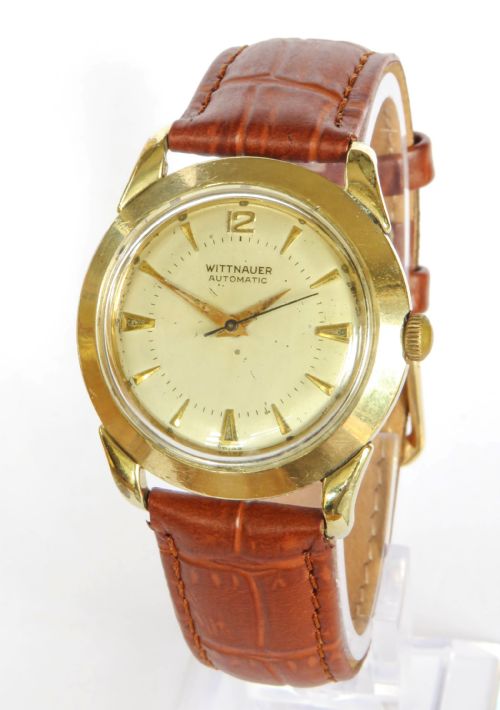
Gold Automatic Dress Watch
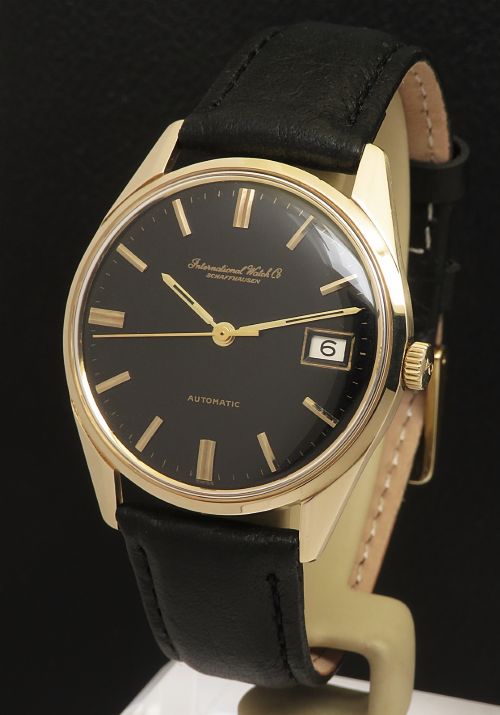
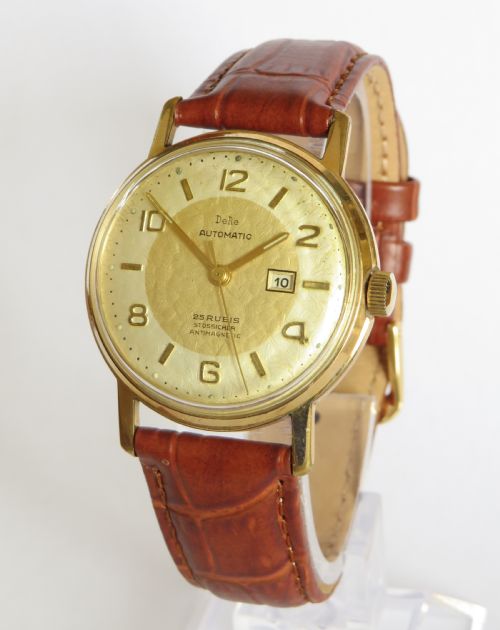
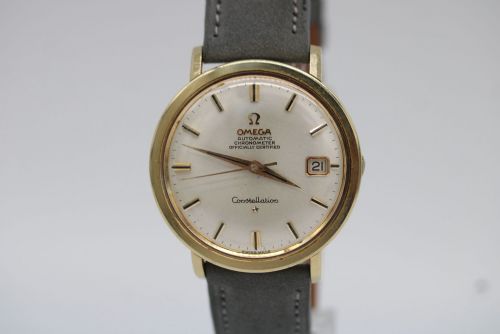
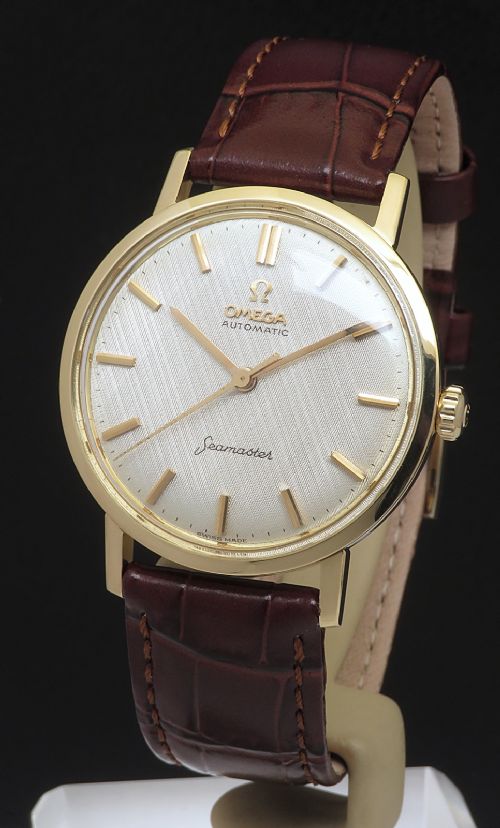
A gold automatic dress watch brings self-winding mechanical convenience together with precious metal elegance from the mid-century decades.
Gold Automatic Dress Watch
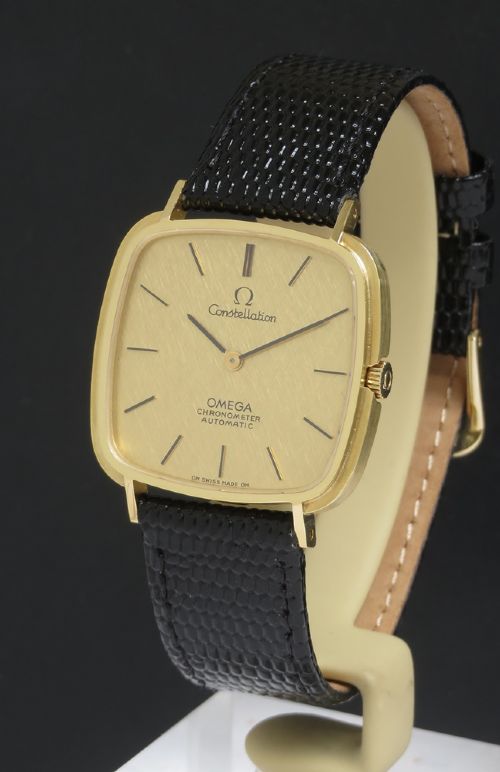
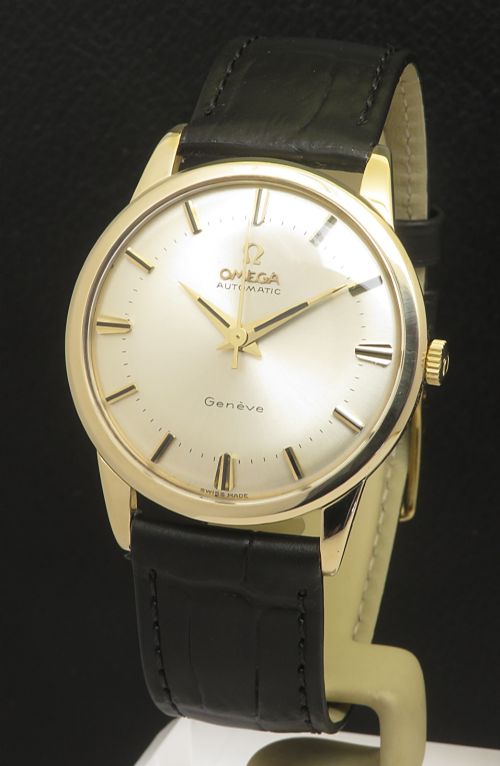
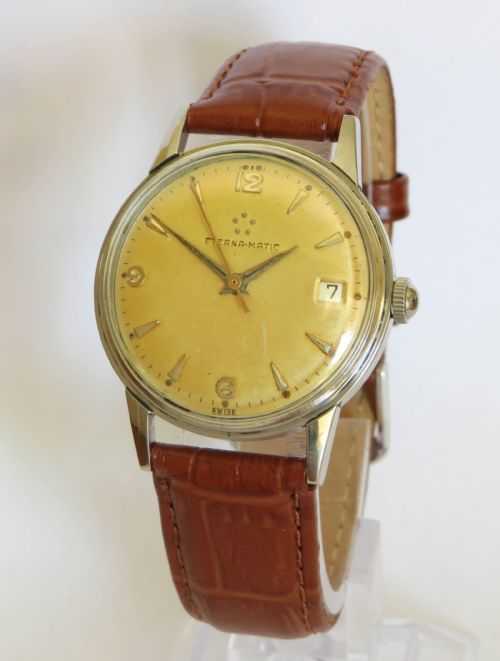
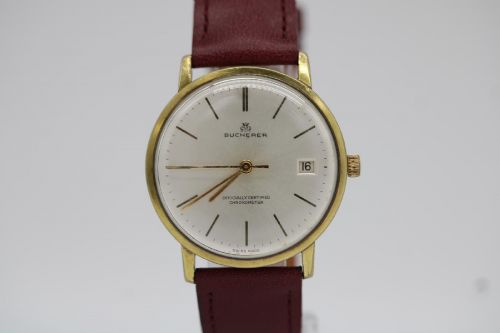
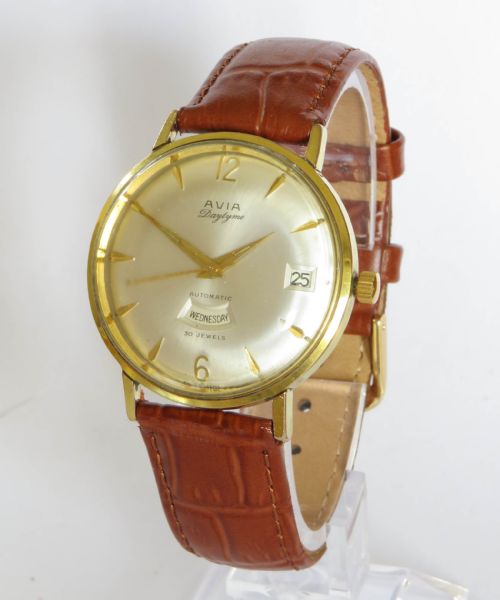
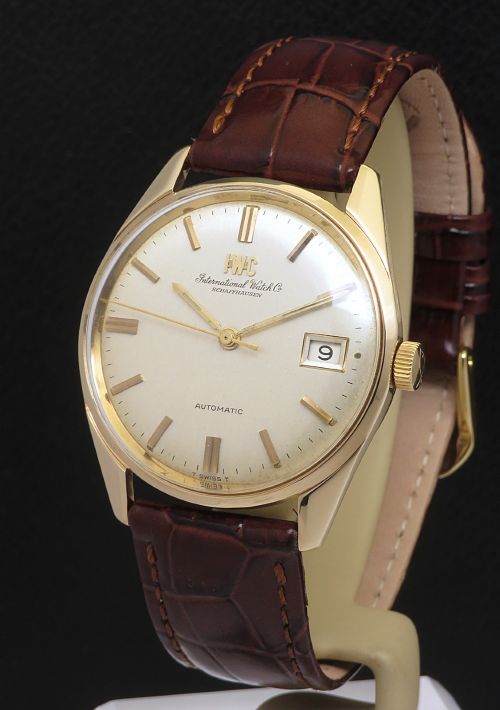
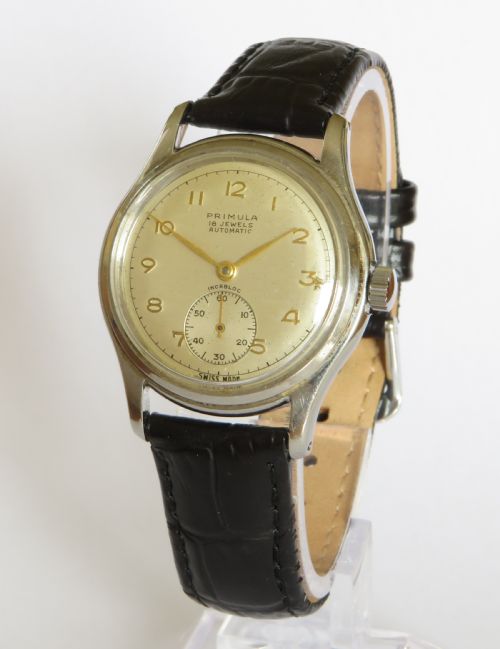
A gold automatic dress watch combines a self-winding mechanical movement with a precious or plated metal case, originating predominantly from the nineteen fifties and nineteen sixties. These timepieces were designed for formal or daily wear, offering the reliability of automatic winding without the need for manual daily cranking.
The selections available here showcase mid-century styles, including mid-century modern designs and mid-century luxury aesthetics. Wristwatches from this era emphasise slim profiles, clean dials, and refined proportions suited for cuffs and tailoring.
Most examples originate from the nineteen fifties and nineteen sixties, spanning brands that paired automatic calibres with precious metals or plated finishes. Buyers encounter pieces representing distinct mid-century design movements alongside classic Swiss manufacturing.
How they were made
Cases utilise solid 18ct gold, solid 9ct gold, or gold-plated and gold-filled constructions over base metals. Dials are protected by acrylic or acrylic glass crystals, housing intricate mechanical automatic movements driven by rotors or bumper mechanisms.
Straps are predominantly fashioned from leather, complementing metal cases that range from thirty-three to thirty-five millimetres in diameter. Watchmakers integrated high-grade mechanical calibres inside these slim housings to maintain accuracy alongside elegance.
Some mid-century automatic watches gently tap your wrist with a tiny mechanical heartbeat known as a bumper rotor.
What varies in quality
Quality separates through the purity and weight of the metal utilised in the case, ranging from heavy solid 18ct gold down to gold-plated brass. Solid gold examples hold intrinsic material value alongside horological significance.
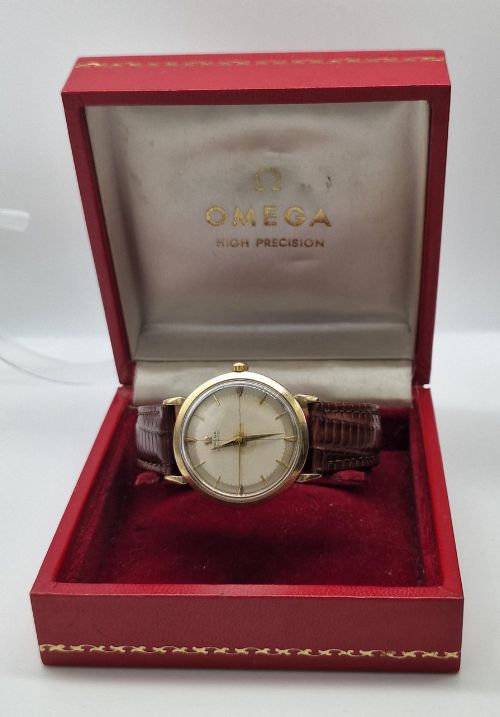
The preservation of original factory components, such as signed dials, correct crowns, and factory boxes or papers, distinguishes top-tier examples. Movement finish and chronometer certification further divide standard production pieces from elite chronometer-grade offerings.
Omega·IWC·Eterna·Tissot·Wittnauer
The Gold Automatic Dress Watch Glossary
- Automatic
- A self-winding mechanical watch movement that uses a weighted rotor to wind the mainspring from the natural motion of the wearer's wrist.
- Bumper automatic
- An early form of automatic movement where the rotor swings back and forth within an arc, hitting springs rather than rotating fully three hundred and sixty degrees.
- Chronometer
- A high-precision watch movement that has been tested and certified to meet strict accuracy standards over various temperatures and positions.
- Gold plate
- A method where a layer of gold is bonded to a base metal core, offering the appearance of solid gold at a different production level.
- Acrylic glass
- A lightweight, shatter-resistant synthetic material utilised for watch crystals during the mid-century period, easily polished if scratched.
Gold Automatic Dress Watch: Frequently Asked Questions
How do I wind an automatic watch?
An automatic watch winds itself through the movement of your wrist during daily wear via an internal rotor. If the watch has stopped completely, give the crown a few manual turns to jumpstart the movement before wearing.
Unlike manual wind watches, you cannot overwind an automatic timepiece because a slipping bridle allows the mainspring to release once fully wound.
Are these watches water resistant?
Mid-century dress watches were generally not built to modern water resistance standards and lack screw-down crowns and modern gasket seals. Splashes or rain can compromise the vintage movement and dial.
It is best to keep these timepieces away from water, swimming pools, and humid environments entirely to preserve the internal components and leather strap.
How do I date a vintage watch?
Dating a vintage watch involves examining serial numbers stamped on the movement or inside the case back against manufacturer records. Reference numbers and hallmark stamps for precious metals also provide specific production eras.
Documentation such as original papers or boxes supplied with the watch often corroborate the production year accurately.
What is a bumper movement?
A bumper movement is an early automatic winding mechanism utilised in the nineteen fifties where the oscillating weight swings through a limited arc. You can feel a gentle thud or bump on your wrist as the weight hits the internal springs.
This technology represents a transitional phase between manual wind watches and fully rotating modern automatic rotors.