
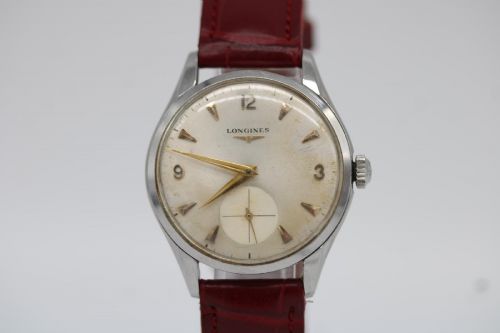
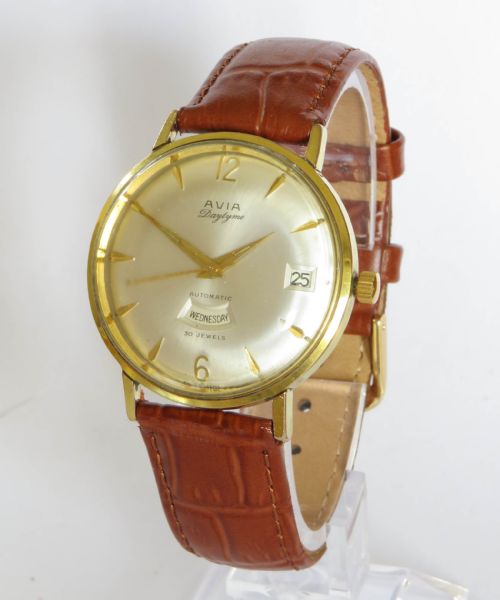
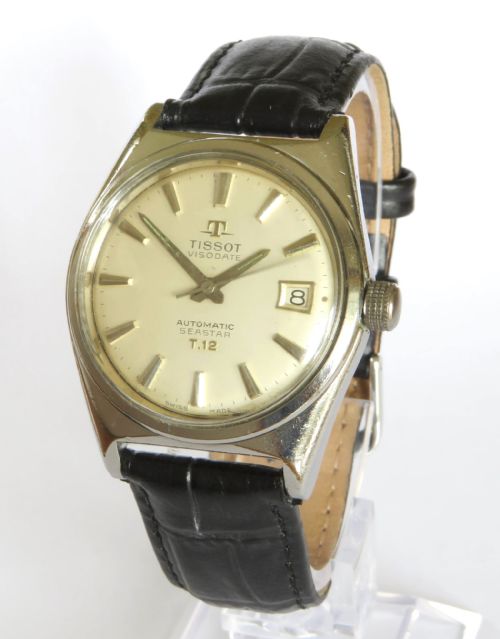
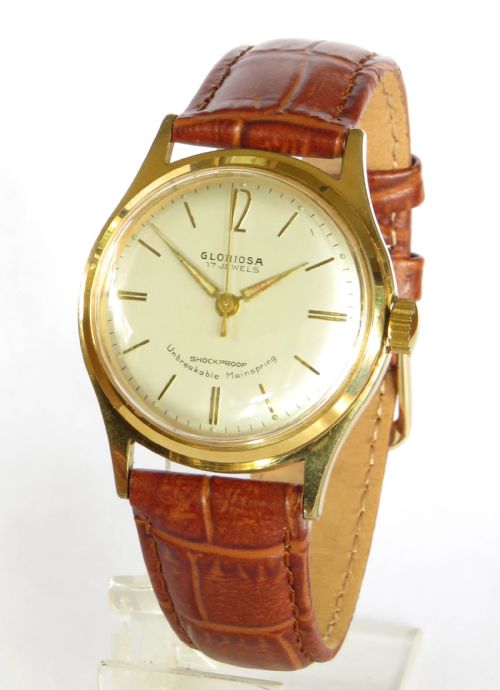


Vintage Mens Analogue Watch
A vintage mens analogue watch brings mechanical precision and mid-century character to the wrist through classic watchmaking.
Vintage Mens Analogue Watch
A vintage mens analogue watch offers a traditional display of time via hands and dials rather than digital screens. These pieces span wristwatches from the nineteenth century through the Art Deco era and the 1940s, 1950s, and 1960s.
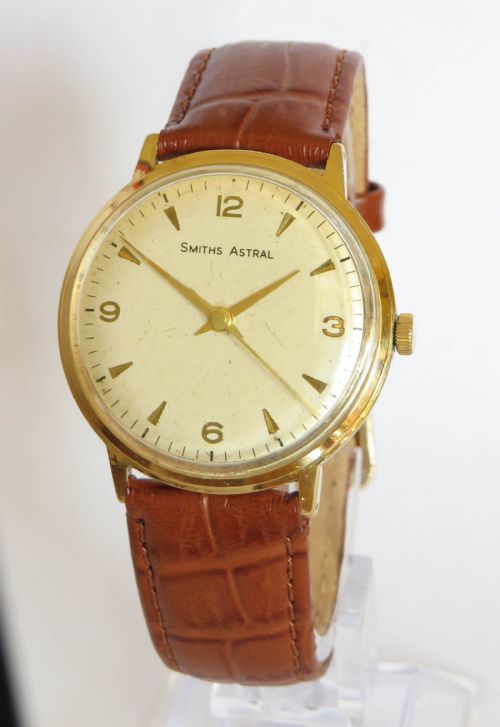
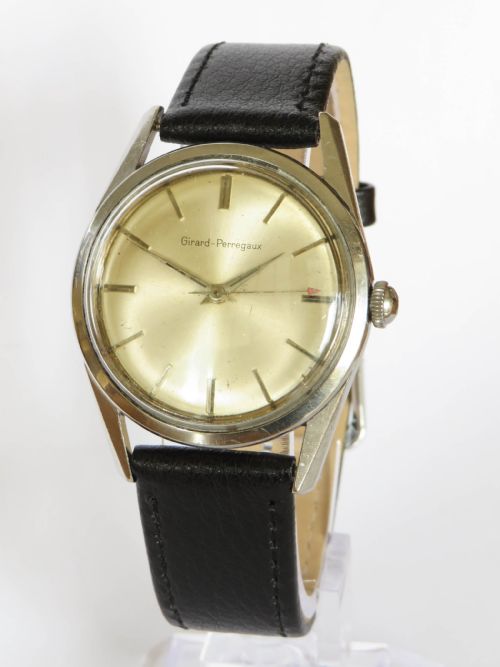
The selections encountered most frequently on this page originate from the 1950s and 1960s, embodying mid-century and Mid-Century Modern design principles. Wristwatches from these decades rely on manual wind or automatic mechanical movements housed in steel, chrome-plated steel, or gold-plated cases.
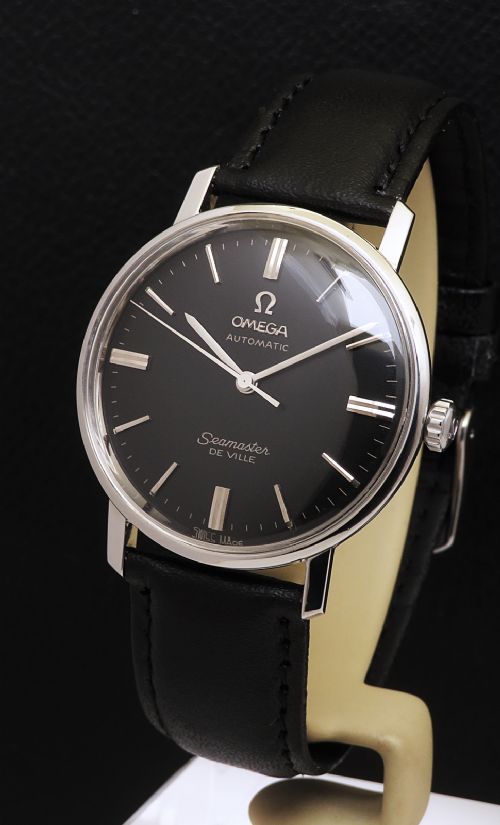
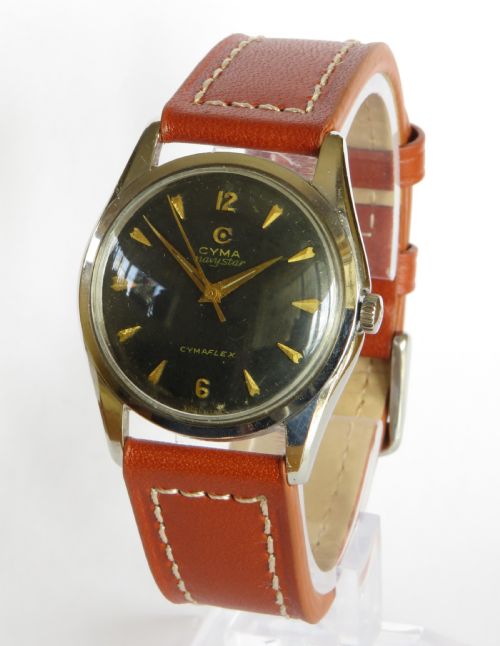
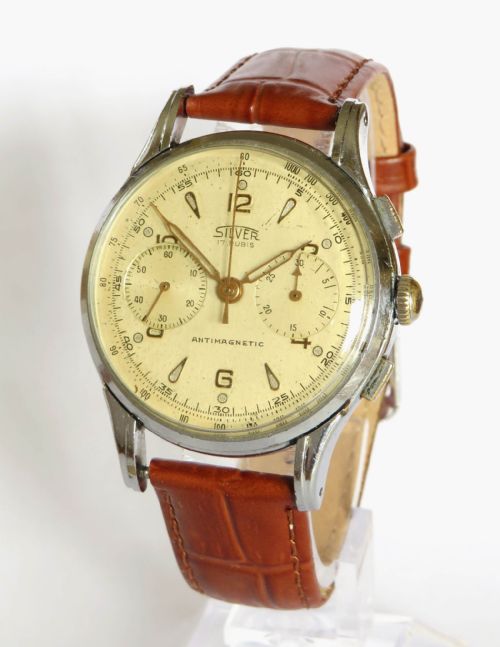
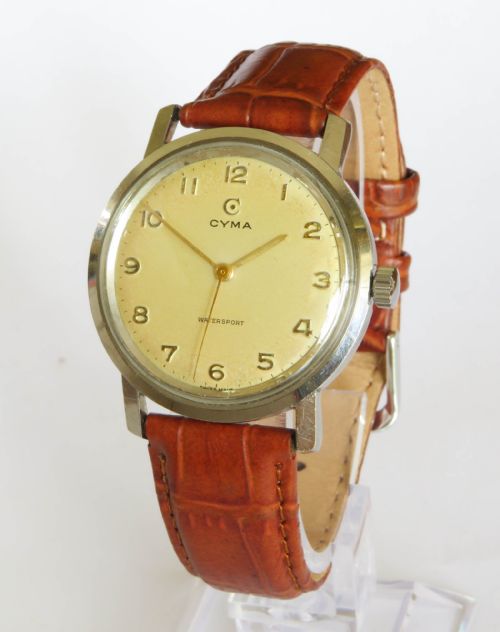
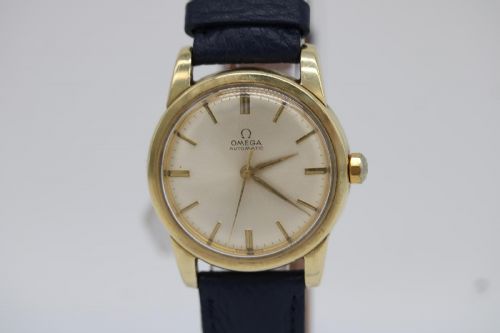
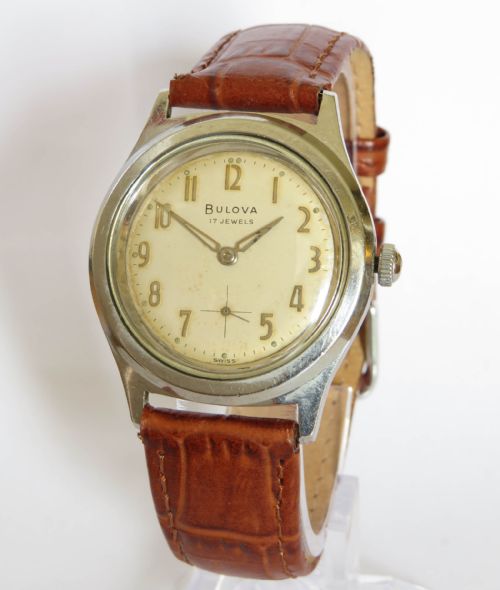
Collectors encounter wristwatches bearing names such as Omega, Longines, Cyma, and Tissot alongside lesser-seen makers. Formats range from standard dress pieces to chronograph and regulator variants.
Materials and construction
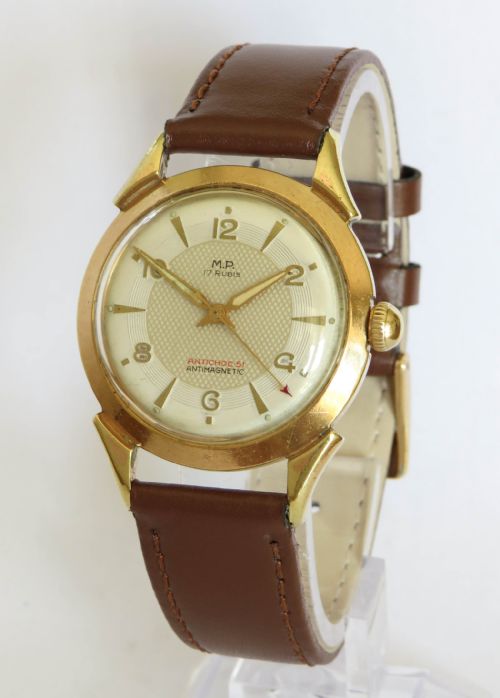
Cases utilise stainless steel, chrome-plated steel, or gold plate to house delicate mechanical movements. Acrylic and acrylic glass protect the dial while offering the distinct curvature associated with mid-century watchmaking.
Straps and bands depend upon leather for daily wear, complementing metal case constructions. Internal mechanisms rely on jewelled bearings, manual wind systems, and automatic winding rotors to maintain accuracy.
Some dials record the passage of days and hours with such cheerful optimism that being late feels entirely optional.
Distinguishing quality across examples
Quality separates through the refinement of the movement and the integrity of the case finishing. High-tier makers invest in precision calibres, such as adjusted manual wind or automatic movements, which demonstrate superior timekeeping longevity.
The preservation of original dial details and case proportions dictates the desirability of a piece. Clean dial typography, sharp case edges, and well-maintained gold plate or stainless steel signify a higher grade of preservation.
Omega·Cyma·Longines·Tissot·Bulova·Smiths Astral·Eterna·Girard Perregaux·Avia·Antoremi
The Vintage Mens Analogue Watch Glossary
- Analogue watch
- A timepiece that indicates time using hands that sweep across a graduated dial rather than digital digits. This traditional format defines mechanical wristwatches.
- Automatic
- A self-winding mechanical movement that uses a weighted rotor, moved by the wearer's wrist motion, to tension the mainspring. It removes the need for daily manual winding.
- Manual wind
- A mechanical movement powered by a mainspring that the user must wind by hand via the crown at regular intervals. This traditional mechanism forms the basis of many early wristwatches.
- Chronograph
- A watch equipped with a stopwatch function alongside its primary timekeeping capability. These dials feature subsidiary counters to track elapsed seconds or minutes.
- Acrylic glass
- A lightweight, transparent plastic material used for watch crystals during the mid-century period. It offers flexibility and can be polished to remove surface scratches.
Vintage Mens Analogue Watch: Frequently Asked Questions
How do I wind a manual watch?
Rotate the crown clockwise between your thumb and forefinger until you feel gentle resistance. Stop immediately to avoid damaging the internal mainspring.
Wind the piece at approximately the same time each day to maintain consistent tension and accurate timekeeping.
Are these watches water resistant?
Vintage pieces lack modern rubber gaskets and screw-down sealing systems found in contemporary diving watches. Exposure to moisture or humidity can easily damage the delicate internal movement.
Keep these wristwatches away from water, rain, and handwashing to preserve the metal case and dial.
What is a jumbo case?
A jumbo case refers to a watch housing manufactured with a larger diameter than standard contemporary sizes for its era. These larger dimensions often measure around thirty-four to thirty-five millimetres.
Such proportions appeal to modern wearers seeking a more substantial presence on the wrist while retaining vintage charm.
How do I tell a 1950s watch from a 1960s watch?
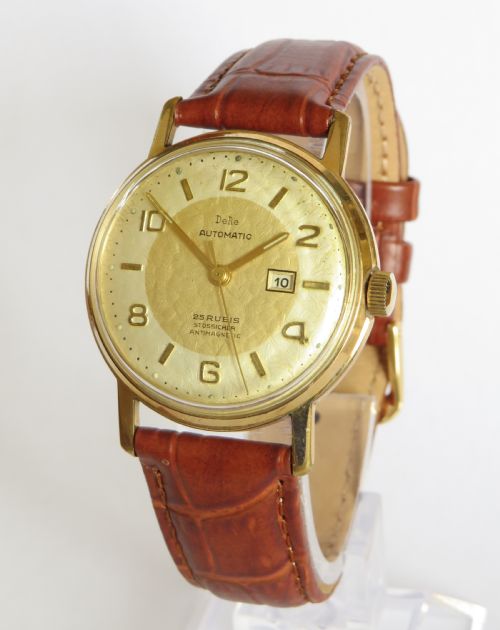
Pieces from the 1950s frequently display ornate numerals, dauphine hands, and traditional round case profiles with classic lugs. Watch designs from the 1960s lean toward cleaner dials, bold typography, and integrated date apertures.
Examining the movement calibre serial number often provides an exact manufacturing year.