
1950s Wrist Watch
A 1950s wrist watch offers mid-century mechanical charm and reliable timekeeping for daily wear.
1950s Wrist Watch
A 1950s wrist watch represents a period of significant design evolution in horology, spanning styles from Mid-Century Modern to Art Deco. Buyers examine these pieces for their classic proportions, mechanical movements, and historical character.
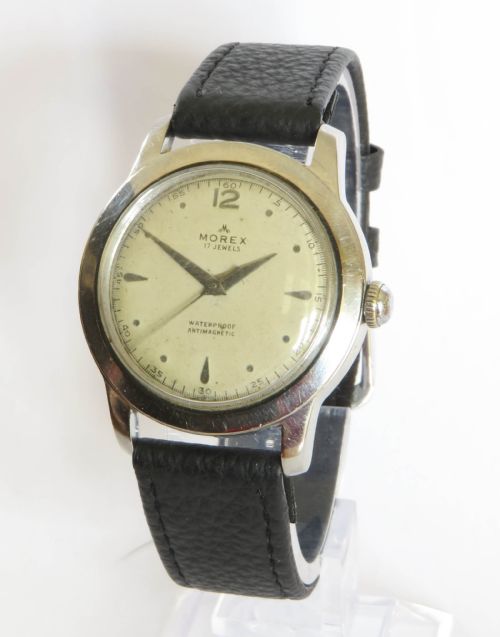
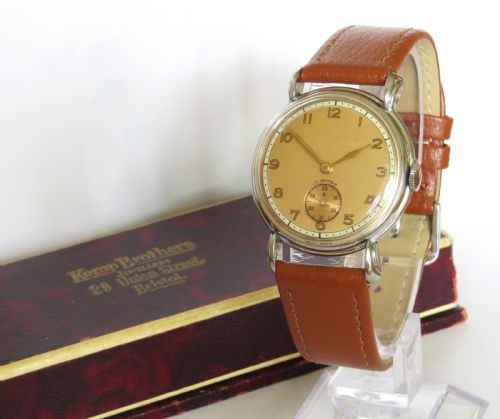
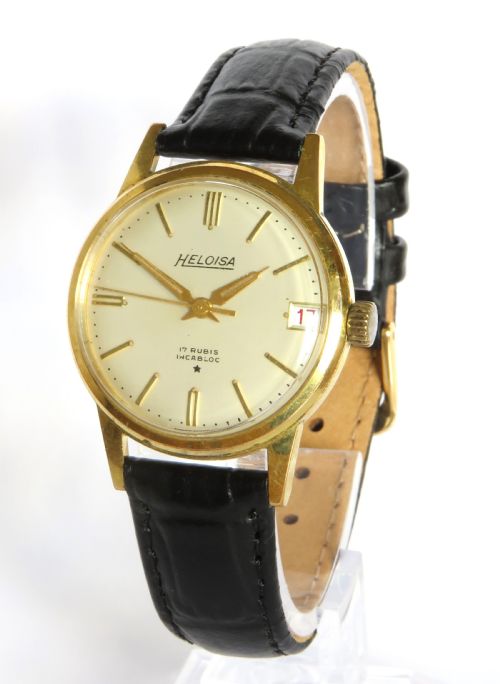
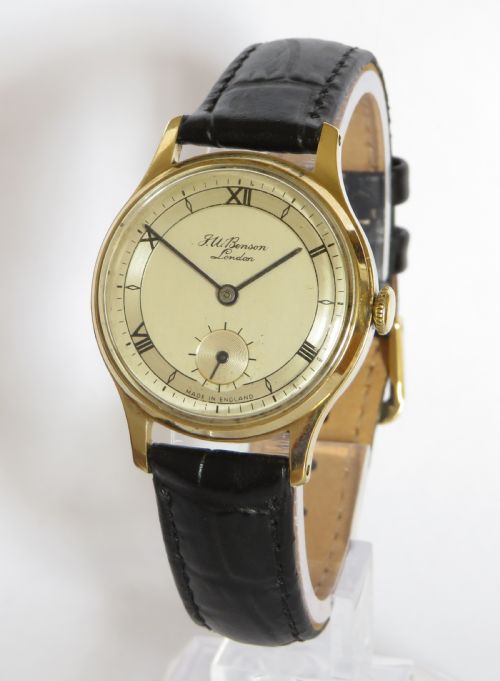
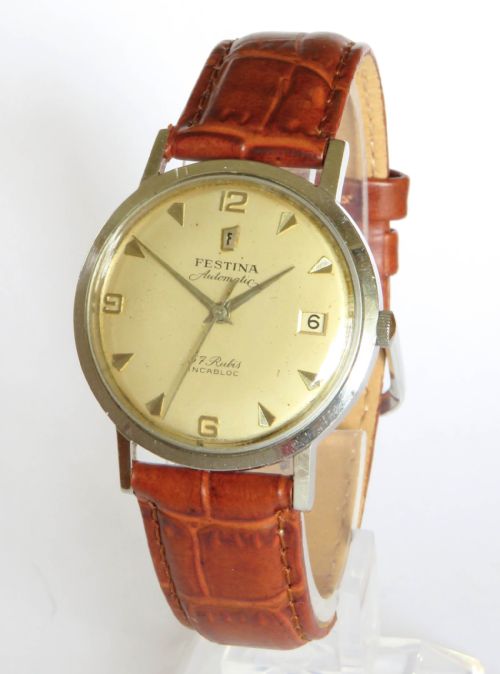
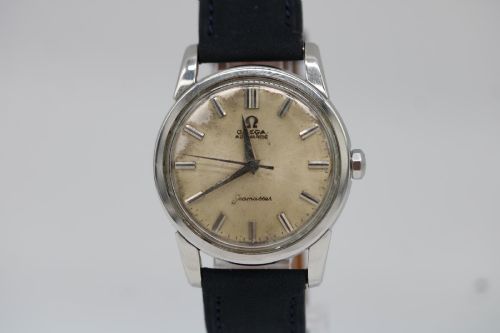
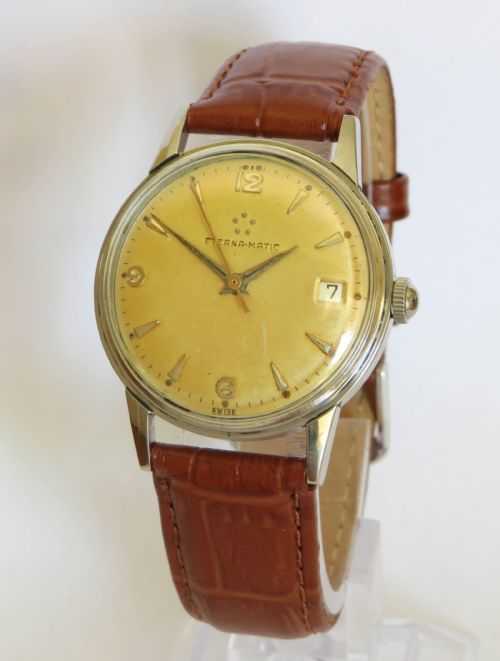
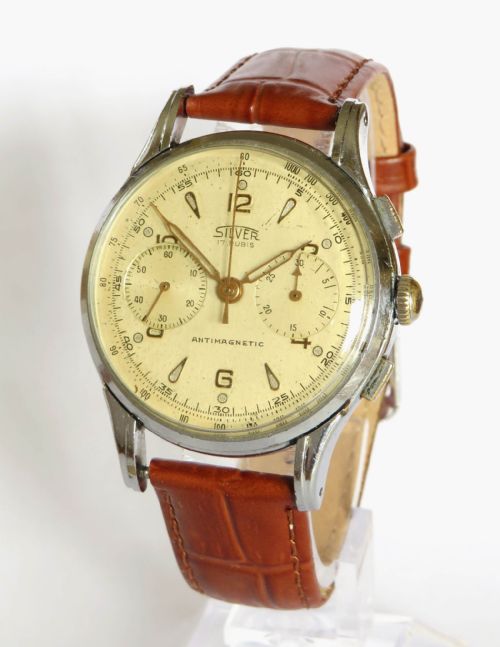
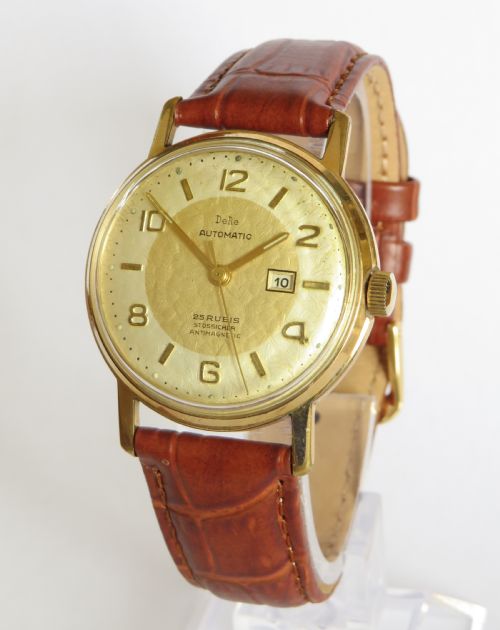
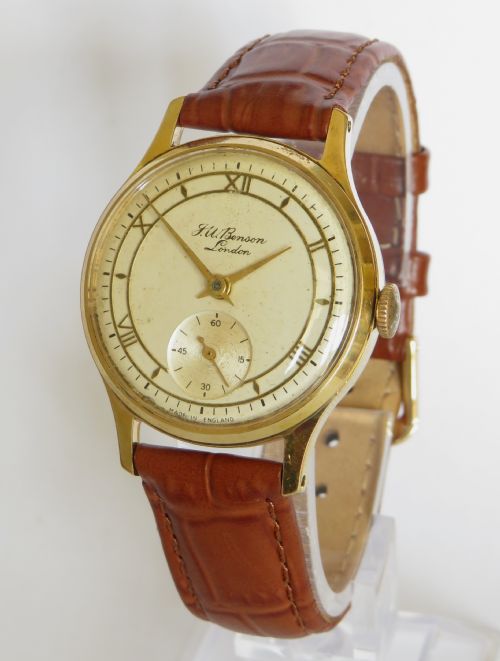
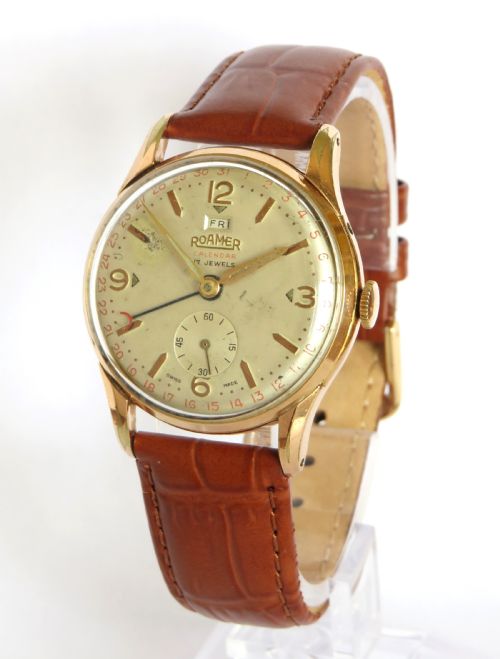
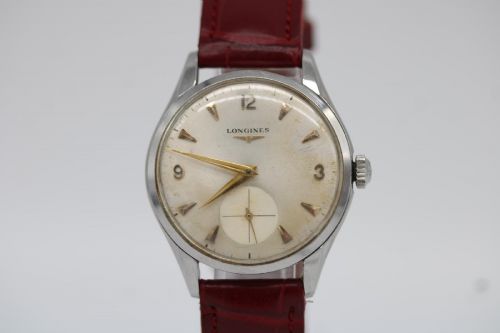
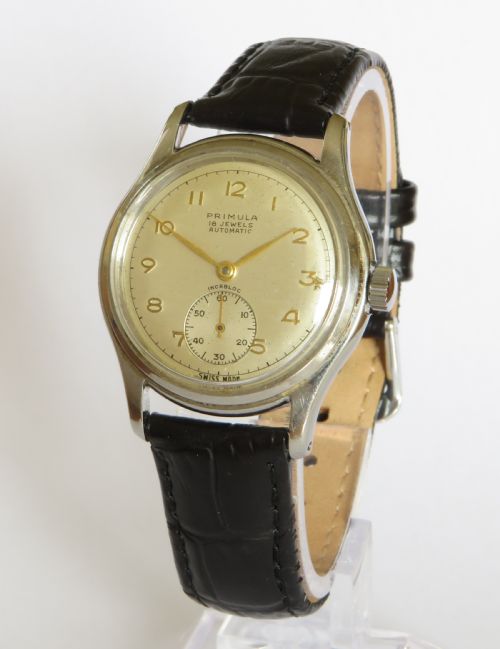
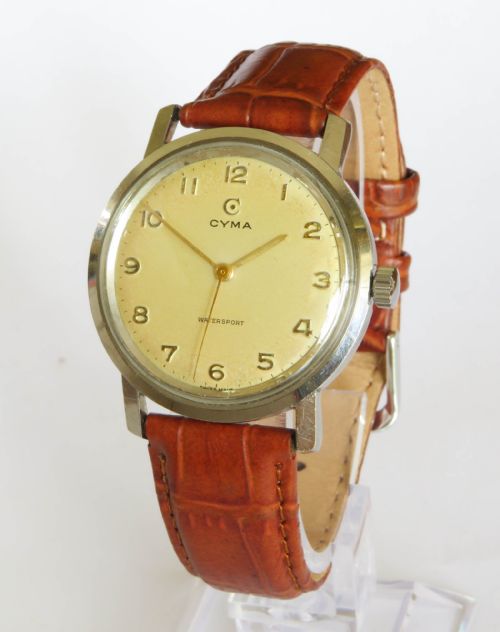
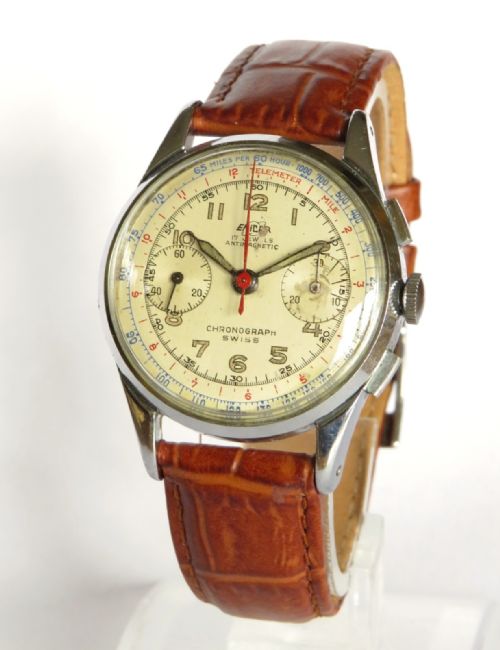
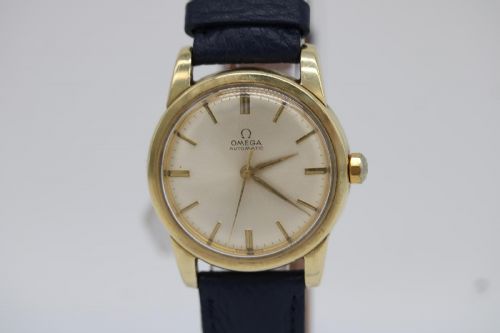
The selection on this page consists predominantly of gents wristwatches produced during the nineteen fifties, alongside select ladies models. Examples range from simple manual wind timepieces to automatic movements and complex chronographs.
How they were made
Casings utilise materials such as stainless steel, chrome, and gold plate, paired with leather straps or metal bracelets. Crystal components consist of glass or acrylic glass.
Dials and internal movements are housed within these protective shells, relying on traditional mechanical craftsmanship powered by manual wind or automatic calibres.
Listings feature stainless steel and gold-plated cases housing mechanical movements from Swiss and British makers.
What varies in quality
Distinction across the range rests upon the execution of the movement, the integrity of the dial, and the material of the case. Solid precious metals and complex complications elevate a piece above standard plated variations.
Originality of components and the preservation of dial details dictate the standing of individual watches within the market.
Omega·Smiths·Cyma·Wittnauer·Dogma
The 1950s Wrist Watch Glossary
- Automatic
- A self-winding mechanical movement that uses the motion of the wearer's wrist to power the watch.
- Chronograph
- A watch equipped with a stopwatch function alongside the primary timekeeping dials.
- Calibre
- The specific internal movement mechanism designed and numbered by the manufacturer.
- Manual Wind
- A mechanical watch that requires regular hand-turning of the crown to tension the mainspring.
- Acrylic Glass
- A lightweight, shatter-resistant transparent plastic material utilised for watch crystals during the mid-century period.
1950s Wrist Watch: Frequently Asked Questions
Are 1950s wrist watches waterproof?
Most mid-century timepieces lack modern water-resistance standards. Exposure to moisture should be avoided to protect the internal mechanical movement and leather straps.
Vintage seals and gaskets degrade over time, meaning even pieces marked as waterproof require careful handling around water today.
What is a bumper automatic movement?
A bumper automatic utilises an oscillating weight that swings back and forth within a limited arc rather than rotating fully. The wearer feels a distinct gentle nudge against the wrist as the spring winds.
This early automatic mechanism represents a transitional technology standard in the decade before full rotor movements became dominant.
How do manual wind watches work?
A manual wind timepiece requires the user to turn the crown by hand to tension the internal mainspring. This stored energy powers the gear train and escapement.
Daily winding at a consistent time helps maintain steady tension and accurate timekeeping throughout the wearing cycle.
What size are vintage 1950s watches?
Mid-century gents watches typically measure between thirty-three and thirty-five millimetres in diameter. These proportions reflect the prevailing style preferences of the era.
Compared to modern timepieces, these dimensions offer a discreet and classic profile on the wrist.