




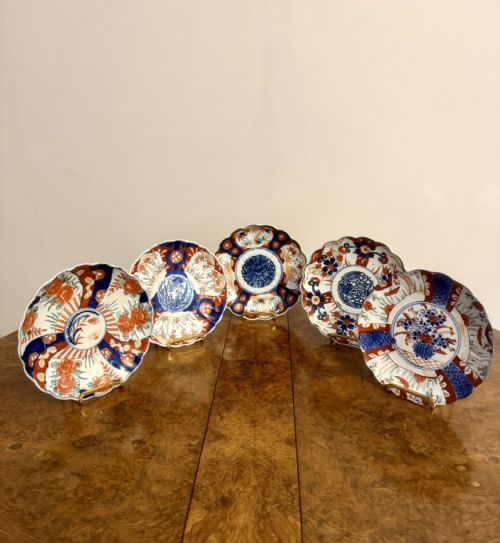
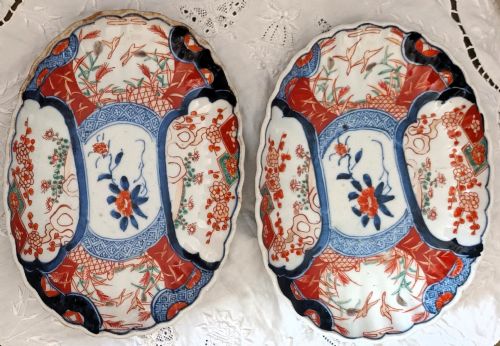
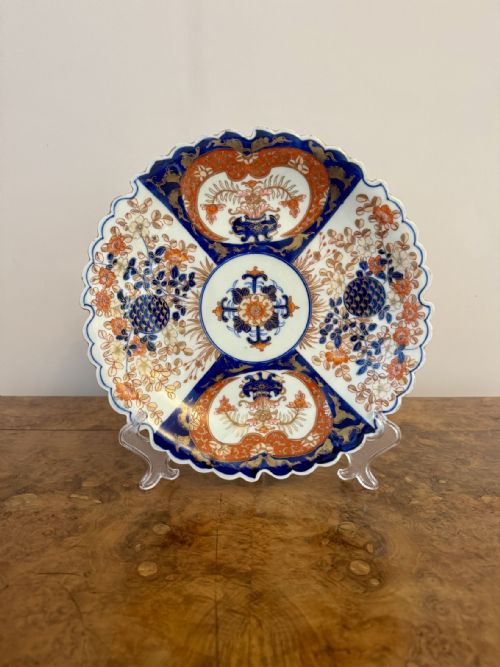
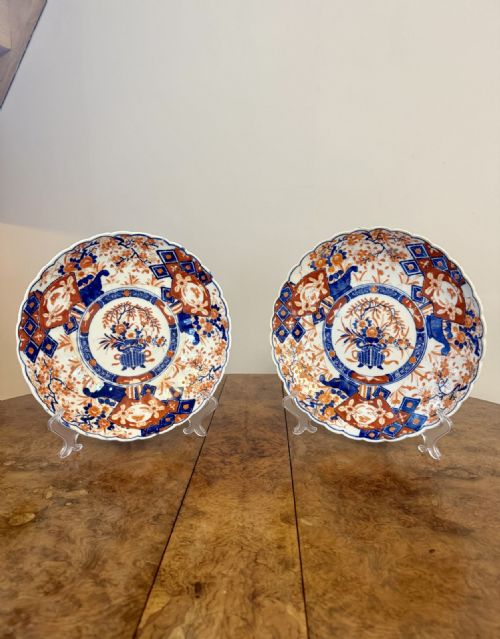
Meiji Scalloped Imari Plate
These meiji scalloped imari plate examples bring vibrant hand-painted ceramic craft and rich decorative heritage straight to any display space.
Meiji Scalloped Imari Plate
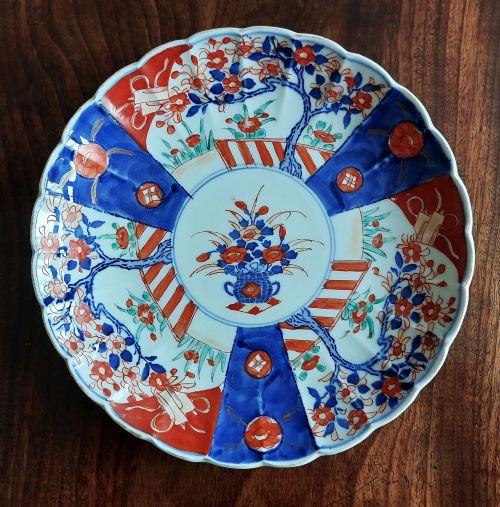
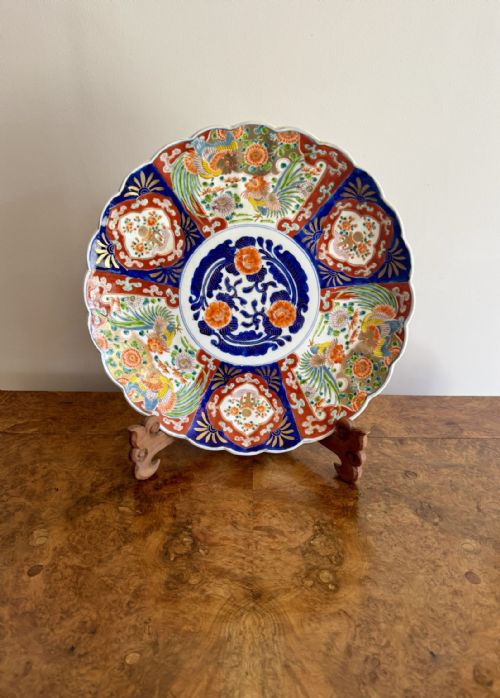
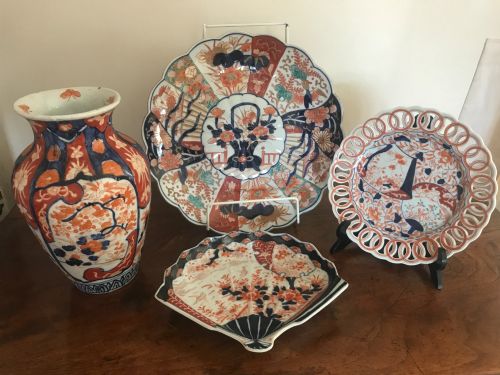
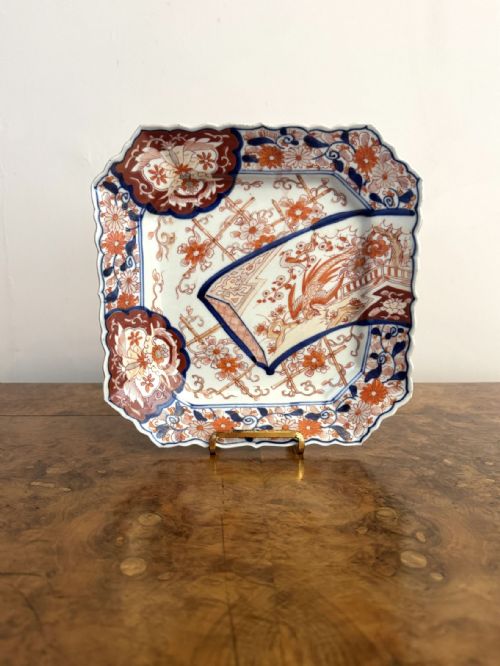
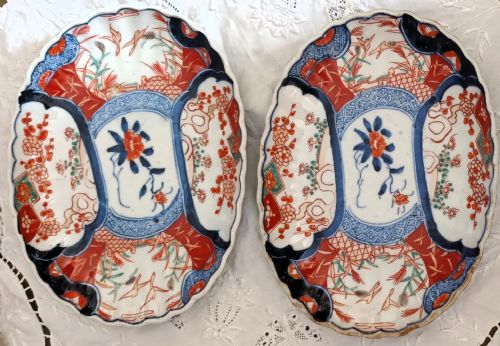
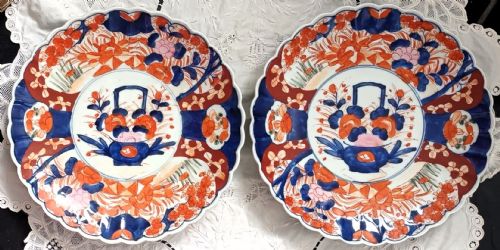
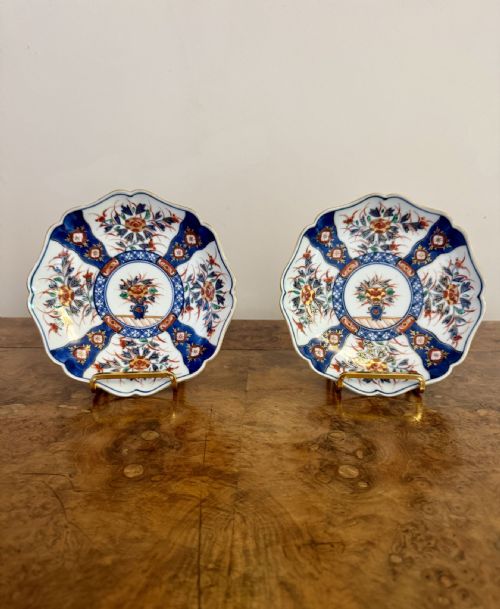
A meiji scalloped imari plate represents the intersection of traditional Japanese ceramic craft and late nineteenth-century decorative export production. Buyers encounter round chargers, square dishes, and shaped plates originating predominantly from the Meiji period and Victorian eras. These items served primarily for decorative display, showcasing intricate hand-painted designs within domestic interiors.
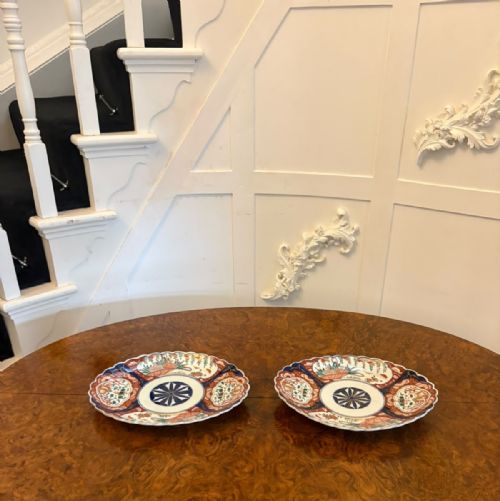
The selection ranges from single display dishes to matched pairs and larger sets, often featuring distinct shaped edges such as scallops, shells, or hexagons. Dating spans from the mid-nineteenth century through to the early twentieth century, encompassing Victorian and Edwardian periods. Collectors acquire them for their bold visual impact and the traditional motifs that define Japanese Imari aesthetics.
How they were made
Potters shaped these ceramics from porcelain and ceramic bodies before applying cobalt underglaze pigments to establish the foundational blue designs. Artisans then introduced supplementary enamel colours and gold leaf highlights, often referred to as gilding, to enrich the surface imagery. Firing temperatures set the hard glaze and fused the metallic details onto the finished pieces.
Makers utilised manual techniques for both the formation of the scalloped rims and the application of detailed hand-painted floral, bird, and figural motifs. The combination of cobalt underglaze with enamel and gilt creates the characteristic layered palette associated with Imari production.
The documented periods span the Victorian and Edwardian eras alongside the nineteenth century and Meiji years.
What varies in quality
The sophistication of the hand-painted brushwork dictates the visual distinction between standard production and superior examples. Plates depicting complex subjects like exotic birds or the Seven Lucky Gods demonstrate greater artistic ambition than simpler floral repeats.
The precision in shaping the scalloped edges and the generous application of gold leaf and enamel pigments differentiate the finer items in the range. Superior pieces maintain crisp definition in the cobalt underglaze alongside well-preserved surface gilding.
The Meiji Scalloped Imari Plate Glossary
- Imari
- A style of Japanese porcelain decorated in underglaze blue, iron red, and gold, named after the port town from which these wares were shipped. This aesthetic became immensely popular in European and domestic markets during the nineteenth century.
- Meiji
- The period in Japanese history spanning from 1868 to 1912, characterised by extensive international trade and the widespread export of decorative ceramics. Pieces from this era display confident hand-painted techniques and varied structural forms.
- Cobalt Underglaze
- A blue pigment applied directly to the ceramic body before glazing and firing, ensuring the colour remains permanent and protected beneath the glassy surface. It forms the dark foundational outlines of traditional Imari decoration.
- Gilding
- The application of gold leaf or powdered gold onto the surface of a ceramic plate to accent borders and motifs. This technique adds reflective warmth to the finished decorative dish.
- Charger
- A large decorative plate intended primarily for display on a wall or sideboard rather than for practical dining use. These substantial vessels often carry the most elaborate hand-painted narratives.
Meiji Scalloped Imari Plate: Frequently Asked Questions
How were these plates displayed?
These decorative vessels were traditionally positioned on walls or sideboards within nineteenth-century homes to showcase their vibrant colours and intricate motifs.
Pairs and larger sets allowed for symmetrical arrangements that enhanced the formal presentation of domestic interiors.
What motifs appear on these plates?
Designs commonly incorporate hand-painted floral arrangements, exotic birds, and traditional figures such as the Seven Lucky Gods.
These subjects draw from classic Japanese artistic traditions adapted for the export market during the Meiji period.
How do I identify the period?
Dating relies on stylistic indicators, manufacturing materials, and historical context linking items to the Meiji period or Victorian era.
Objects from this timeframe typically exhibit robust porcelain bodies combined with characteristic cobalt underglaze and enamel painting.
Are these plates meant for dining?
Most of these large chargers and shaped dishes were created specifically for ornamental display rather than everyday table use.
Their delicate enamel work and gold leaf accents are best preserved by keeping them away from active food service.