

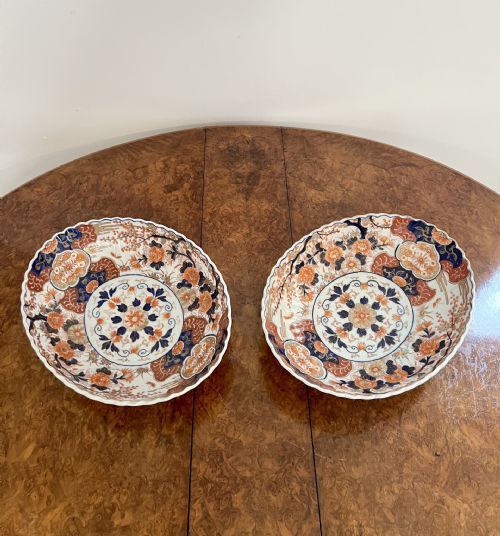


Blue and Orange Charger
A blue and orange charger brings vibrant colour and pattern to a wall or table, combining deep cobalt and rich iron-red pigments.
Blue and Orange Charger
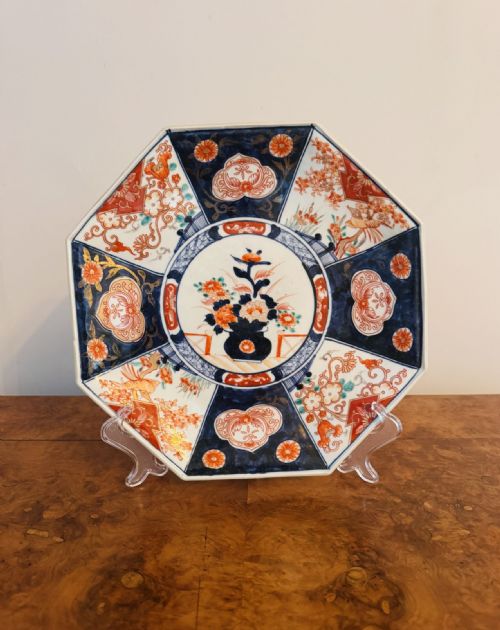
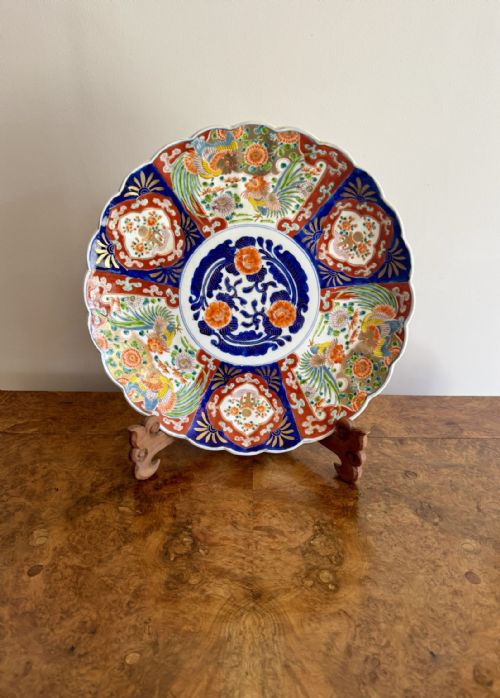
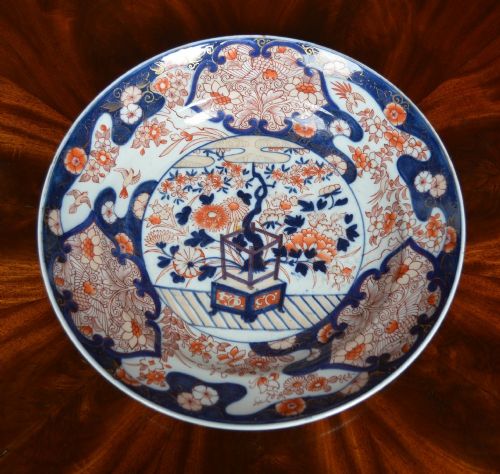
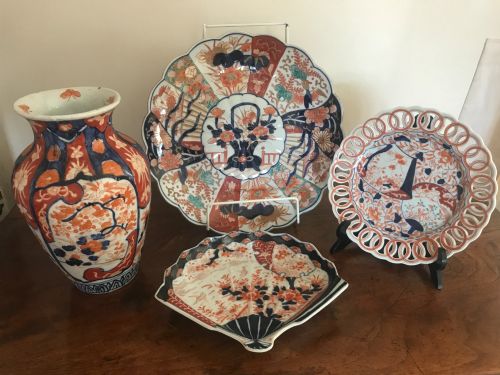
A blue and orange charger typically presents as a wide decorative plate or shallow bowl designed for display rather than dining. When searching for a blue and orange charger, collectors encounter examples originating from Japanese Edo and Meiji periods, alongside English Delftware and Chinese Export porcelain.
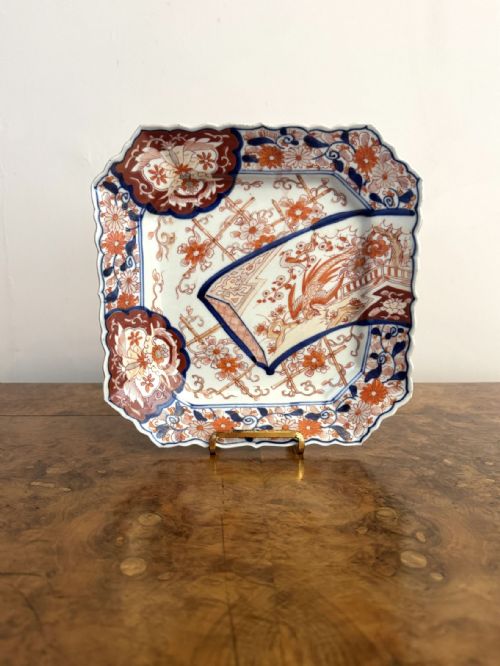
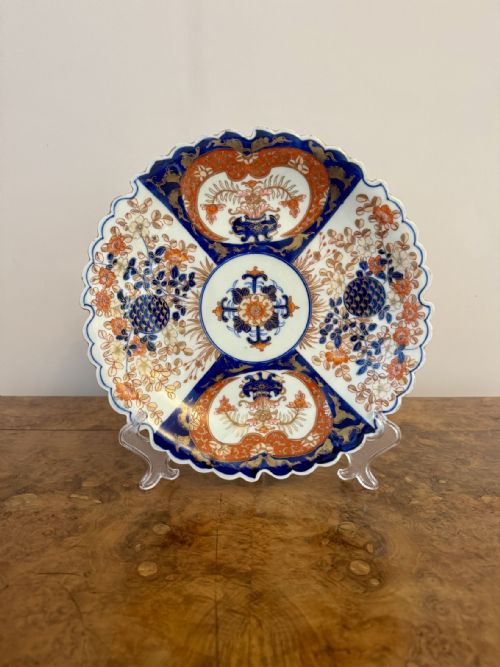
The Japanese Imari tradition dominates the selection, spanning late nineteenth-century production and earlier Edo pieces. These works utilise the characteristic palette of underglaze blue and iron-red enamel, often heightened with gilding.
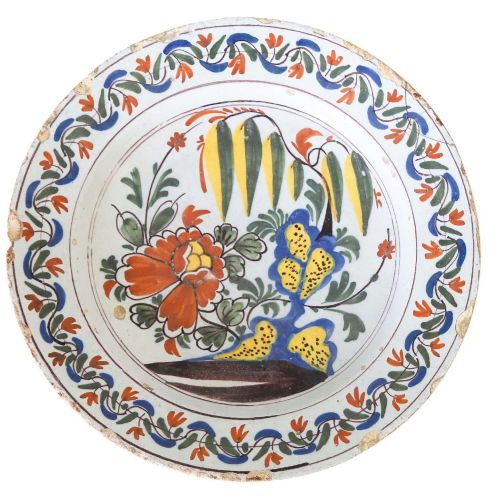
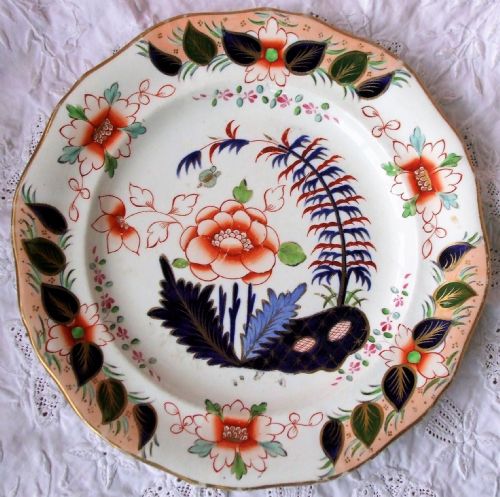
English interpretations appear via eighteenth-century Delftware chargers and nineteenth-century ironstone plates adopting the Imari pattern. Chinese export wares from the mid-eighteenth century also contribute to the variety found within this category.
Materials and methods
Ceramic bodies range from porous tin-glazed earthenware to dense porcelain and ironstone. Potters shaped these materials into circular, square, scalloped, and fan forms before applying pigment.
Decoration relies on underglaze cobalt blue combined with overglaze iron-red enamel and gold leaf or gilding. Hand-painted floral, figurative, and geometric motifs define the surface artistry across both Asian and European workshops.
Materials across these listings span porcelain, tin-glaze, enamel, and gold leaf, applied to plates, bowls, and chargers from the seventeenth to twentieth centuries.
Distinctions in quality
Execution of the hand-painted brushwork sets finer pieces apart from standard production. Crispness in the cobalt blue lines and precision in the enamel placement indicate superior craftsmanship.
The complexity of the form, such as scalloped edges, square profiles, or large dimensions, alters the character of the object. Addition of gold leaf and intricate detailing on figures or backgrounds elevate the status of individual items.
John Davenport of Longport
The Blue and Orange Charger Glossary
- Imari
- A style of Japanese porcelain originating from the port of Arita, traditionally decorated in cobalt blue, iron-red, and gold. The aesthetic influenced European potteries throughout the eighteenth and nineteenth centuries.
- Edo Period
- A division of Japanese history running from 1603 to 1868, characterised by economic growth and the flourishing of arts including ceramics. Pieces from this era display specific regional aesthetic traditions.
- Meiji Period
- The era in Japanese history spanning from 1868 to 1912, marked by increased international trade and large-scale export of decorative arts. Ceramics from this time often exhibit elaborate surface decoration.
- Ironstone
- A type of durable heavy earthenware patented in the early nineteenth century in England. It served as a robust alternative to porcelain while accepting colourful enamel patterns.
Blue and Orange Charger: Frequently Asked Questions
What is a charger?
A charger is a large decorative plate or dish historically used for ceremonial service or as a base plate during formal dining. In antique contexts, these pieces function primarily as wall hangings or cabinet displays due to their substantial diameter and elaborate ornamentation.
Most examples measure significantly wider than standard dinner plates. Their generous surface area allowed artisans to paint detailed pictorial or floral scenes.
How do I date an Imari charger?
Dating relies on examining the ceramic body, the tone of the blue underglaze, and the style of the overglaze enamels. Earlier pieces from the Edo period often display heavier potting and deeper cobalt tones, whereas late nineteenth-century Meiji examples incorporate crisper lines and brighter gilding.
European imitations, such as English Delftware or ironstone from the eighteenth and nineteenth centuries, exhibit distinct paste characteristics on the unglazed foot rim compared to Japanese porcelain.
Where should I display a charger?
Chargers suit wall display using specialised wire hangers or placement on sturdy plate stands within cabinets and on sideboards. Their striking palette draws the eye, making them effective focal points in dining rooms or living spaces.
Positioning them away from direct heat sources and strong sunlight protects the overglaze enamels and gold leaf from potential fading or wear over time.
Are these plates meant for food?
Antique chargers serve as decorative objects rather than functional tableware. The overglaze enamel and gold leaf decorations on many historic pieces can degrade with heavy use, washing, or cutlery contact.
Handling them with care preserves the delicate painted surfaces. Cleaning should involve gentle dusting or careful wiping with a dry cloth rather than immersion in water.