






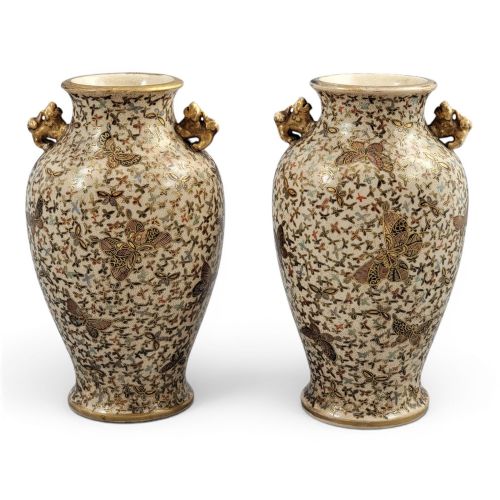


Meiji Satsuma Ceramic Pair
A meiji satsuma ceramic pair brings intricate Japanese craftsmanship and heavy gilding into domestic interiors.
Meiji Satsuma Ceramic Pair
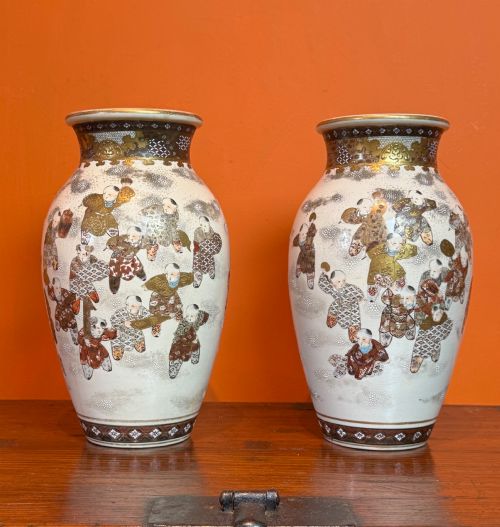
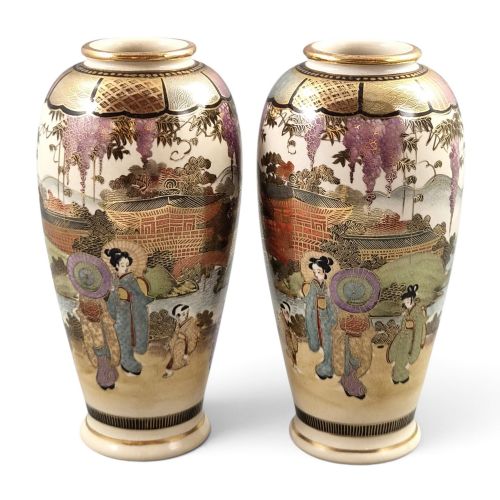
The objects appearing on this page stem predominantly from the Meiji period, alongside related Taisho and Edwardian export iterations. Buyers will frequently encounter earthenware bodies decorated with figures, landscapes, or traditional motifs designed for international markets.
How they were made
Potters formed these pieces using earthenware clay, applying a distinctive crackle-glaze base before adding detailed hand-painted designs. Artisans built up pictorial surfaces using enamel pigments alongside gold leaf and heavy gilt detailing.
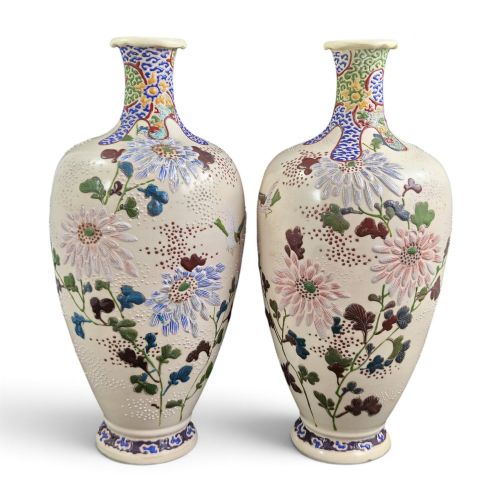
Makers incorporated raised enamel techniques known as moriage to create tactile textures across panels depicting deities, flora, and fauna. Workshops in Kyoto produced many of these exported goods, relying on skilled painters to execute complex narrative scenes.
Meiji Satsuma Ceramic Pair Retail Price Guide 2026
Typical asking prices for meiji satsuma ceramic pair among the pieces listed under this phrase on Sellingantiques today, from the lower quarter to the upper quarter. They describe what is for sale here now, not the wider market.
Mandarin ducks make a surprise appearance among the vases, proving that even fierce dragons need feathered company.
What varies in quality
The distinction between standard export wares and exceptional workshop pieces lies in the precision of the brushwork and the density of the gilding. Master studios employed miniaturist painters whose control over facial expressions and geometric borders remains exceptionally sharp.
The weight of the ceramic body and the complexity of the compositional panels also signal different production tiers. Superior examples balance heavy gold application with restrained negative space, whereas simpler pieces rely on repetitive stencilled motifs.
Maruni Kobe·Shozan·Kinkōzan·Kinzan·Hododa·Makuzu Kozan II·Hakusan·Tagawa·Yasuda·Kizan
The Meiji Satsuma Ceramic Pair Glossary
- Moriage
- A Japanese ceramic technique using piped slip to create raised, beaded, or textured decorative relief before glazing and firing. This method adds significant dimension to floral and geometric borders.
- Shimazu mon
- The heraldic badge or crest of the Shimazu clan, featuring a cross within a circle. This mark frequently appears on authentic Satsuma wares associated with the Satsuma domain.
- Rakan
- Japanese term for an arhat, representing an enlightened follower of Buddha. These religious figures appear frequently in detailed hand-painted panels on Meiji period vessels.
- Baluster
- A traditional vase shape with a rounded body that tapers toward a narrow neck and flares slightly at the rim. This silhouette provides a stable canvas for narrative landscape scenes.
- Okimono
- A small Japanese decorative figurine designed for display on a shelf or tokonoma alcove. These sculptures showcase the same detailed earthenware and enamel techniques found on larger vessels.
Meiji Satsuma Ceramic Pair: Frequently Asked Questions
How were these vases displayed originally?
Export workshops manufactured these matching vessels specifically for Western domestic interiors during the late nineteenth century. Owners typically placed them on mantelpieces, pedestals, or occasional tables as decorative focal points.
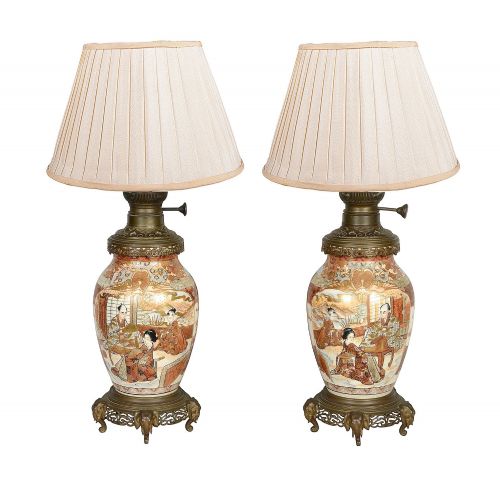
Over time, some pairs were converted into table lamps to suit changing household lighting needs. This adaptation preserved the painted ceramic bodies while integrating functional electrical hardware.
What subjects appear on the painted panels?
Common decorative themes include historical figures, religious arhats, and dense arrangements of flowers such as wisteria. Artisans also painted traditional landscape views featuring architecture, Mount Fuji, and daily domestic scenes.
Many compositions incorporate intricate butterfly motifs or swirling dragon designs rendered in rich enamel and gold leaf. These narratives drew inspiration from Japanese mythology and nature.
How do you identify a Kyoto origin?
Kyoto pieces often feature finer earthenware bodies and highly controlled brushwork compared to provincial alternatives. Workshops in this region specialised in elaborate pictorial scenes framed by precise geometric borders.
Signatures from notable Kyoto families or studios frequently appear on the base of these vessels. The use of cobalt blue backgrounds combined with heavy gilding also points toward specific urban workshops.
Are these items made of porcelain?
Most Satsuma pieces consist of a porous earthenware body rather than hard-paste porcelain. This softer clay absorbs the characteristic crackled cream glaze that defines the ware.
Painters applied their enamel and gilt designs directly over this distinctive glazed surface. The resulting texture feels warmer and more matte than traditional high-fired porcelain.