




Gold Leaf Oriental Porcelain
Gold leaf oriental porcelain brings rich hand-applied gilding together with delicate ceramic forms, offering both vibrant colour and intricate detail.
Gold Leaf Oriental Porcelain
Gold leaf oriental porcelain encompasses intricately decorated decorative plates, vases, figurines, and bowls originating from East Asian traditions. These pieces frequently showcase elaborate surface gilding combined with detailed enamel work and traditional motifs.
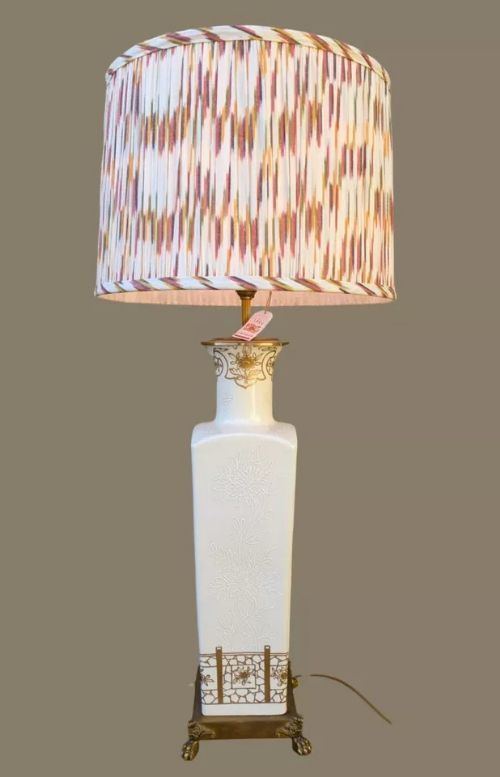
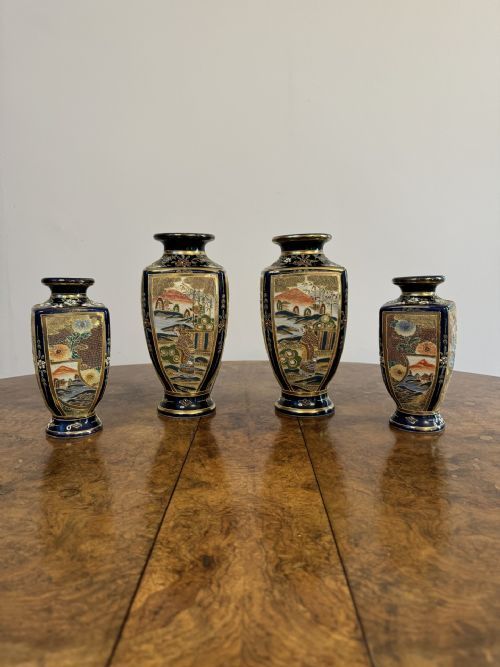
The selections available on this page lean heavily towards Japanese Satsuma ware and Kutani wares produced during the nineteenth century and the Meiji period. Buyers will encounter various forms ranging from lidded garniture vases and okimono figures to table lamps.
Many of these items display regional styles such as Arita Imari and Chinoiserie, spanning periods from the late nineteenth century into the Edwardian era. The combination of delicate porcelain bodies and dense gold leaf application defines the core of this selection.
Materials and Construction Techniques
The foundational bodies of these objects consist of fine ceramic materials including porcelain and earthenware, shaped into vases, dishes, and sculptural figures. Potters utilised cobalt and various coloured enamels to create detailed underglaze and overglaze painted scenes.
Gold Leaf Oriental Porcelain Retail Price Guide 2026
Typical asking prices for gold leaf oriental porcelain among the pieces listed under this phrase on Sellingantiques today, from the lower quarter to the upper quarter. They describe what is for sale here now, not the wider market.
Some nineteenth-century artisans even added tactile bamboo handles made from clay just to trick the eye.
Assessing Quality and Execution
Quality in these ceramics rests upon the precision of the hand-painted brushwork and the density and preservation of the gold leaf decoration. Finer examples display meticulous control in intricate motifs such as millefleur patterns or figural representations of arhats and bijin.
The refinement of the ceramic body and the complexity of sculptural forms, such as bamboo-handle shapes or okimono figures, distinguish superior pieces. Maker signatures, workshop marks, and the crispness of cobalt details further indicate the level of craftsmanship involved.
Koshida·Nanzan·Kinkozan
The Gold Leaf Oriental Porcelain Glossary
- Satsuma ware
- Japanese pottery traditionally featuring a crackle-glazed earthenware body with intricate polychrome enamel and gilt decoration.
- Moriage
- A Japanese ceramic technique where slip is piped onto the surface to create raised decorative patterns before glazing and gilding.
- Imari
- A style of Japanese export porcelain characterised by a palette of underglaze blue, iron red, and abundant gold leaf.
- Okimono
- A Japanese decorative figurine designed for display in a domestic interior or alcove.
- Garniture
- A set of matching vases or ornamental jars traditionally arranged on a mantelpiece or sideboard.
Gold Leaf Oriental Porcelain: Frequently Asked Questions
How do I care for gold leaf oriental porcelain?
Dust these delicate ceramic pieces gently with a soft, dry brush to protect the fragile surface gilding and enamel details. Avoid using water, chemical cleaners, or abrasive cloths which can damage the historic gold leaf and overglaze decoration.
Keep pieces away from direct sunlight and areas subject to sudden temperature shifts to preserve both the ceramic body and any mounted ormolu or wooden elements.
What is the difference between Satsuma and Imari ware?
Satsuma pieces generally feature a creamy, crackled earthenware body heavily adorned with intricate enamel figures and rich gold leaf work. They originate from Satsuma province and subsequent kilns in Kyoto.
Imari pieces are typically true porcelain rather than earthenware, famous for a distinct palette combining underglaze blue, burnt orange, and extensive gilding.
How can I date my piece?
Dating relies on examining the specific painting style, ceramic paste, and any painted or impressed workshop signatures on the underside. Pieces from the Meiji period often reflect specific decorative shifts towards dense gilding and elaborate figurative storytelling.
Comparing stylistic motifs with known historical examples and documented maker marks helps narrow down the production era to the nineteenth or early twentieth century.
Where were these pieces originally displayed?
These decorative items were created primarily for export and for affluent domestic interiors during the late nineteenth and early twentieth centuries. Garniture sets adorned mantelpieces, while large vases and dishes served as striking focal points in reception rooms.
Figurines and smaller bowls were typically placed in display cabinets or traditional Japanese interior settings to showcase the owner's refined taste.