





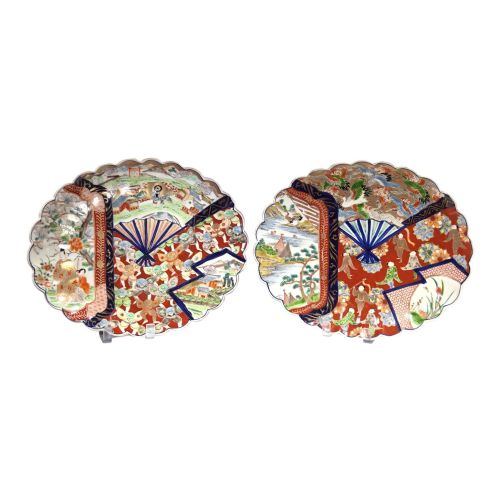


Meiji Period Porcelain Platter
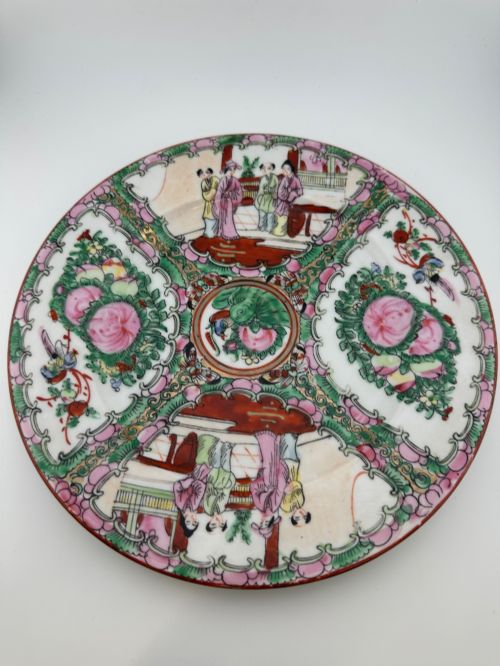
These meiji period porcelain platter examples bring hand-painted narrative scenes and vibrant Imari palettes directly into modern interiors.
Meiji Period Porcelain Platter
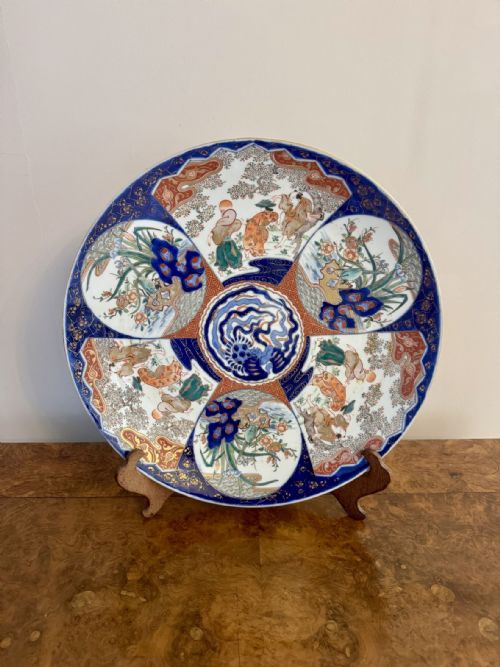
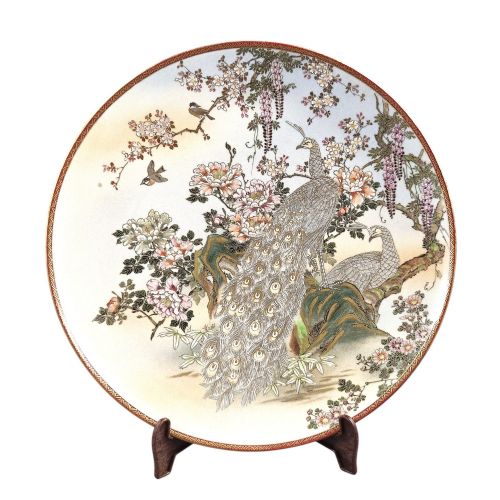
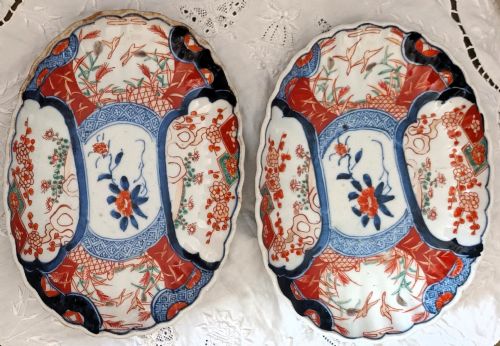
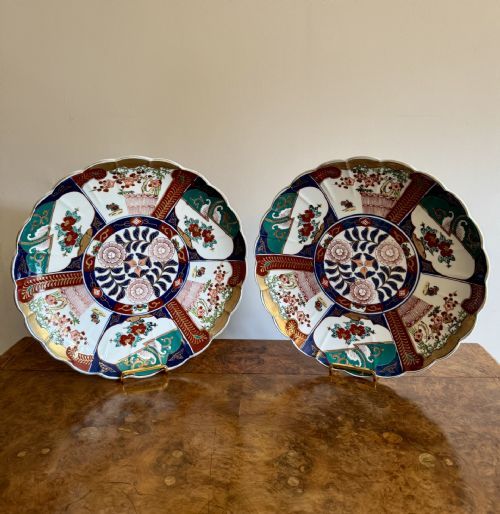
When searching for a meiji period porcelain platter, collectors encounter an array of large chargers, decorative plates, and wide dishes originating from late nineteenth and early twentieth century Japan. The selection centres heavily on robust Japanese Imari wares alongside distinctive Kutani and Satsuma pieces.
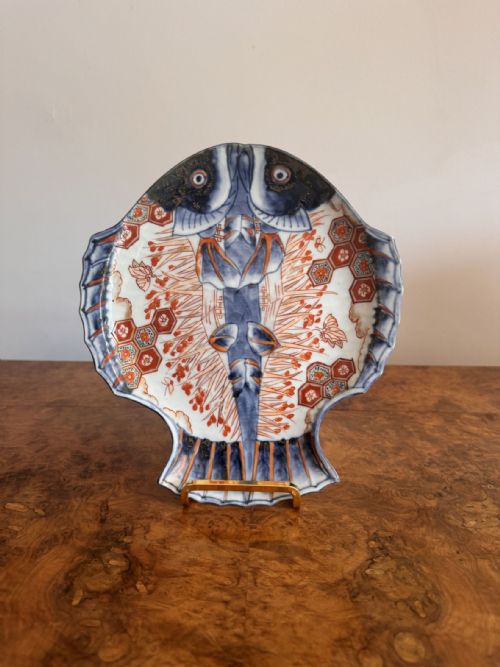
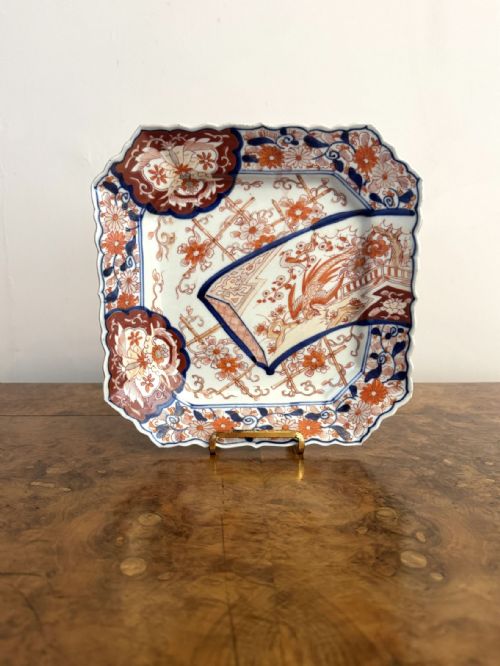
Forms extend beyond standard circular chargers into square plates, scalloped edges, fan shapes, and even whimsical fish silhouettes. These sizable ceramic surfaces were created for display rather than dining, designed to command attention on walls or tables.
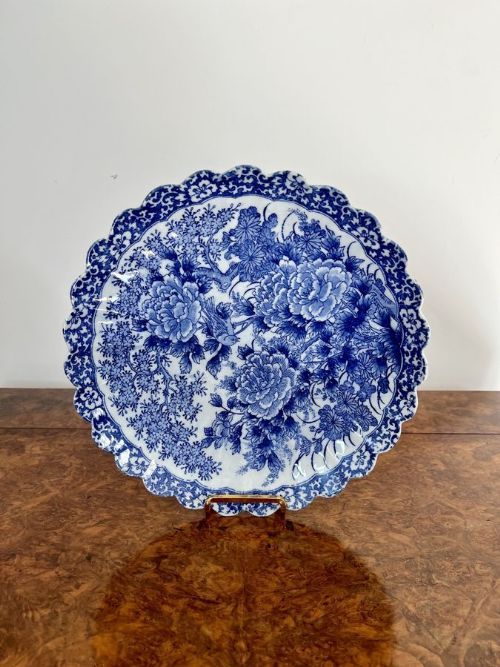
The decorative schemes encompass traditional motifs such as the Seven Lucky Gods, koi carp, peacocks, wisteria, and intricate floral and bird compositions. Each vessel reflects the skilled hand-painting traditions of the era, offering rich visual narratives across various regional styles.
Materials and Craftsmanship
The manufacture of these pieces relies on a durable ceramic body shaped into heavy chargers and plates, finished with smooth glaze and cobalt underglaze. Artisans applied hand-painted pigments alongside enamels and accents of gold leaf to build complex, layered visual depth.
Specialised techniques distinguish particular sub-types, such as Satsuma moriage decoration involving raised slip work, or Totai Shippo cloisonne tree bark effects applied directly to porcelain. Gilding and meticulous brushwork complete the technical repertoire recorded across the pieces.
Listings span the late nineteenth and early twentieth centuries, encompassing the Victorian and Edwardian eras alongside the Meiji period.
Distinctions in Quality
Quality rests upon the precision of the hand-painted brushwork and the clarity of the cobalt underglaze and enamel pigments. Pieces demonstrating superior artistic control exhibit sharply defined motifs, balanced compositions, and generous applications of gold leaf or gilding.
The ambition of the form also separates standard production from exceptional examples, with unusual shapes like fans, fish, or square plates requiring greater technical skill from the potter. Signed works and items incorporating specialised textures such as moriage or cloisonne elements command deeper appreciation.
The Meiji Period Porcelain Platter Glossary
- Imari
- A traditional Japanese style of porcelain decoration characterised by a palette of cobalt blue, iron red, and gold. This aesthetic heavily dominates the large chargers and plates found in this category.
- Charger
- A large decorative plate traditionally utilised for display rather than for serving food. These substantial ceramic pieces form the backbone of the available selection.
- Moriage
- A decorative ceramic technique using piped clay slip to create raised, textured surface designs. This method appears on Satsuma wares to render details like plumage and foliage tangible.
- Totai Shippo
- A hybrid technique combining porcelain bodies with cloisonne enamel effects, often resembling textured tree bark. It represents a specialised method of surface ornamentation.
- Underglaze
- Pigment applied to a ceramic piece before it receives its final glaze and high-temperature firing. This technique protects the cobalt blue designs from wear over time.
Meiji Period Porcelain Platter: Frequently Asked Questions
How were these platters originally displayed?
These large chargers and decorative plates were primarily intended for visual display in domestic interiors rather than daily dining use. Their substantial diameters and vibrant hand-painted surfaces made them focal points for rooms.
Owners typically placed them on specialised stands or mounted them securely on walls to showcase the intricate floral, animal, and figurative designs.
What defines the Imari style?
The Imari style relies on a distinctive combination of deep cobalt underglaze blue, iron red, and supplementary gold leaf or gilding. This vibrant palette creates high-contrast visual impact across plates and chargers.
Artists used these colours to delineate complex flora, fauna, and narrative scenes characteristic of late nineteenth century production.
How do I care for antique porcelain?
Maintenance requires gentle handling and occasional dusting with a soft, dry cloth to protect the delicate enamel and gold leaf accents. Avoid using chemical cleaners or submerging the pieces in water.
Display them away from direct sunlight and areas prone to sudden temperature shifts to preserve the integrity of the glaze and pigments.
What is the difference between Kutani and Imari?
Imari wares typically feature the classic triad of cobalt blue, iron red, and gold in structured geometric and floral arrangements. Kutani porcelain often incorporates broader pictorial scenes with heavy gold embellishments and distinct regional palettes.
Both styles originated in Japan during the late nineteenth century but utilise different primary decorative emphases.