




Meiji Period Porcelain Bowl
When you search for a meiji period porcelain bowl, you are looking at richly decorated Japanese vessels that bring historical ceramic artistry straight into modern interiors.
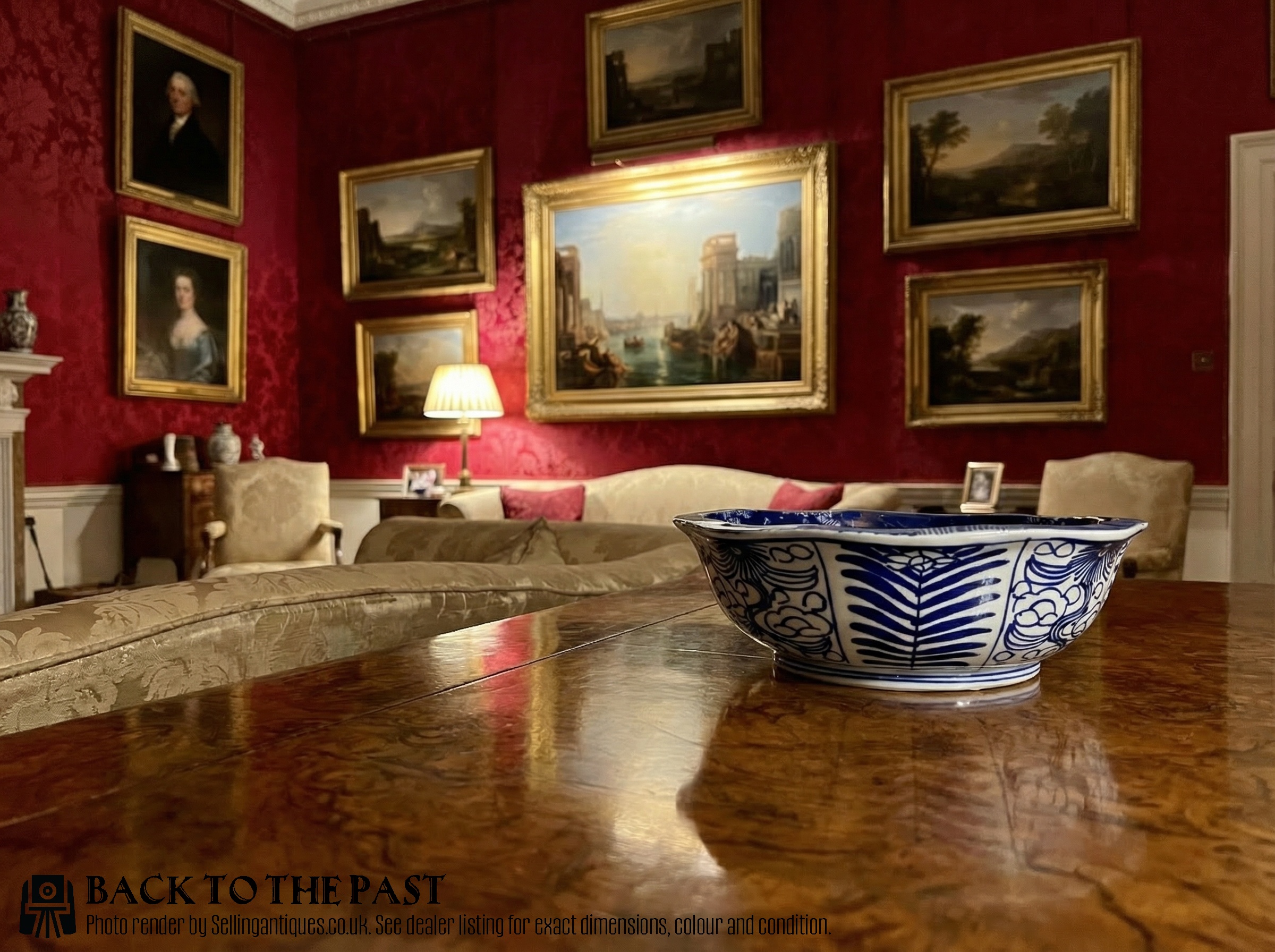
Meiji Period Porcelain Bowl
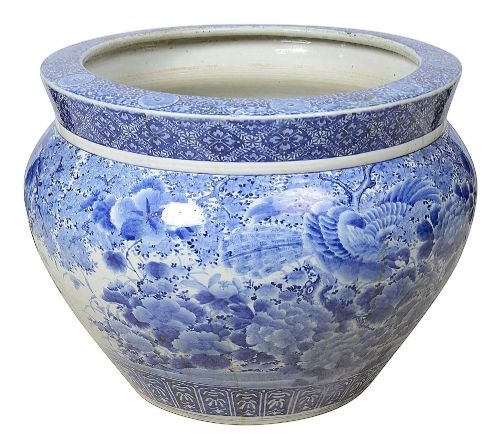
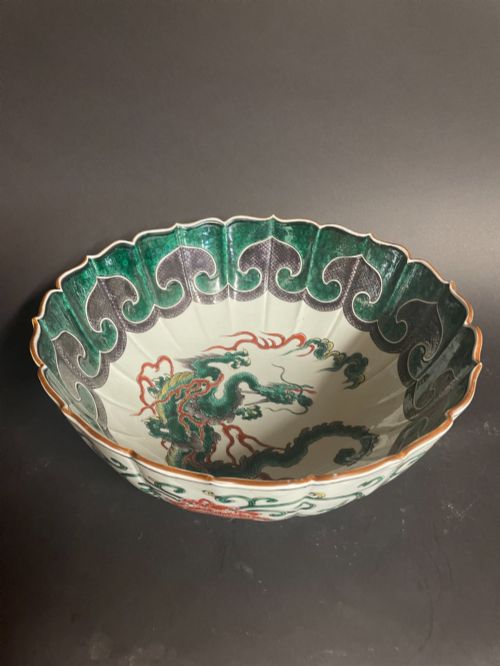
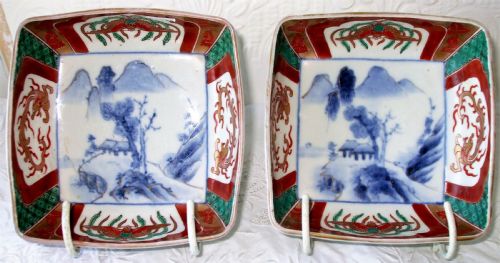
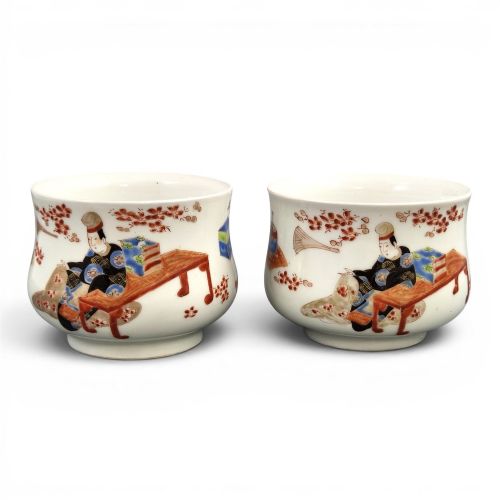
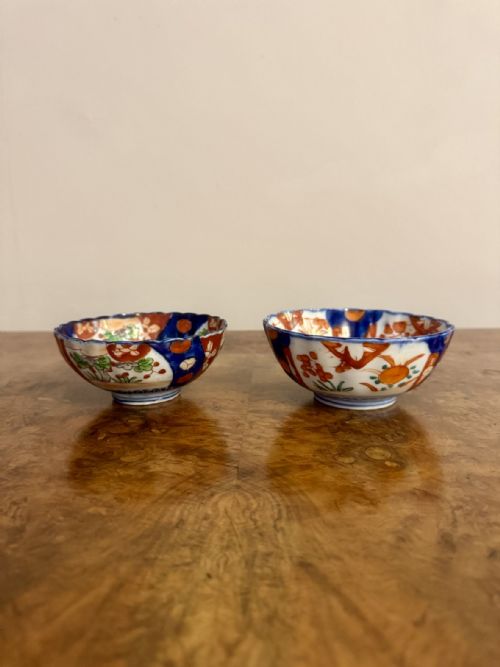
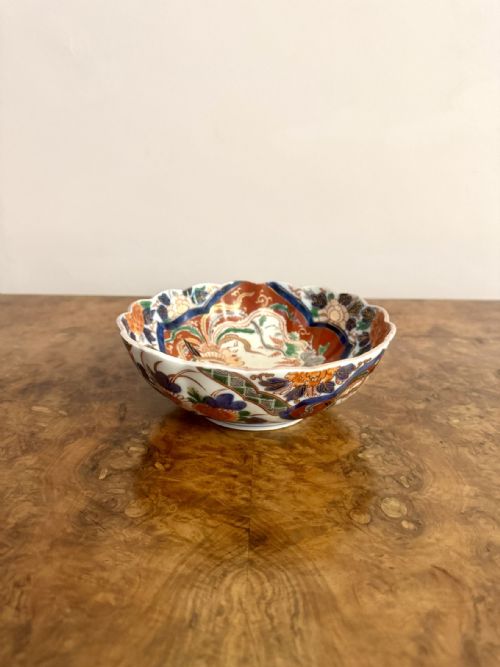
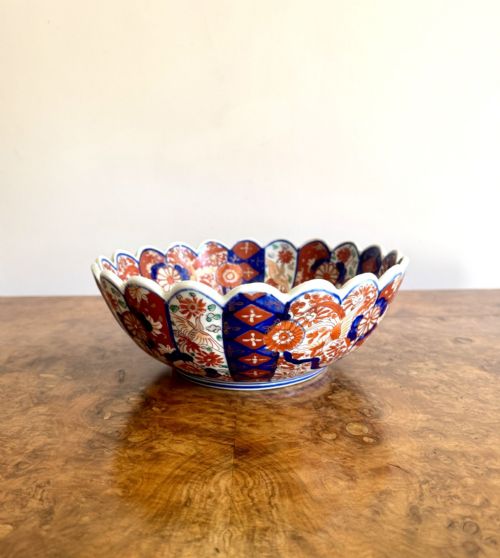
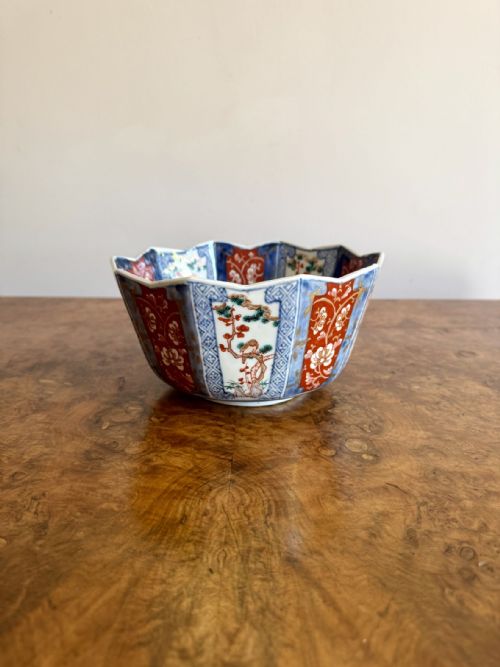
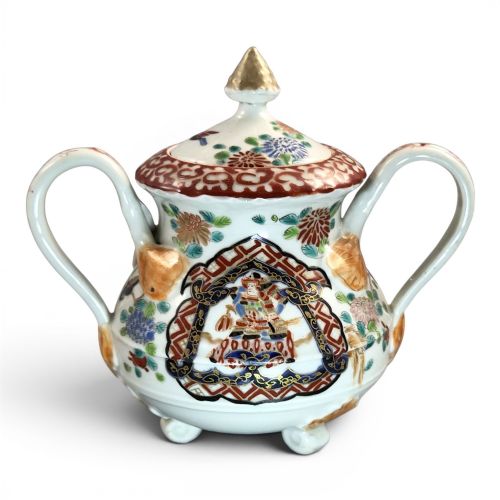
A meiji period porcelain bowl encompasses diverse decorative vessels originating from Japan during the late nineteenth and early twentieth centuries. The pieces represented here span from large scalloped centrepieces and sugar bowls to intricate miniature dishes.
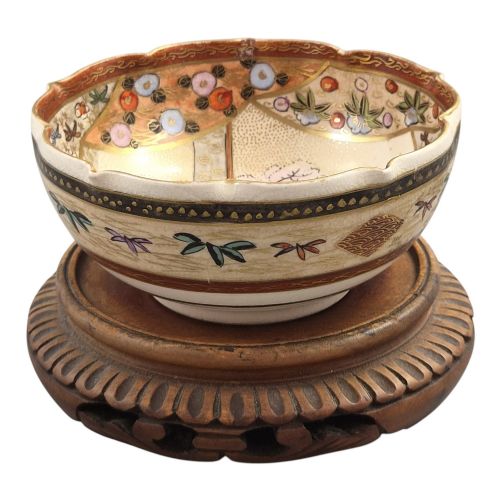
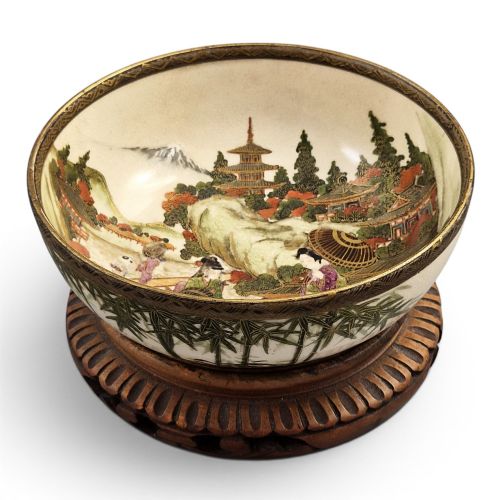
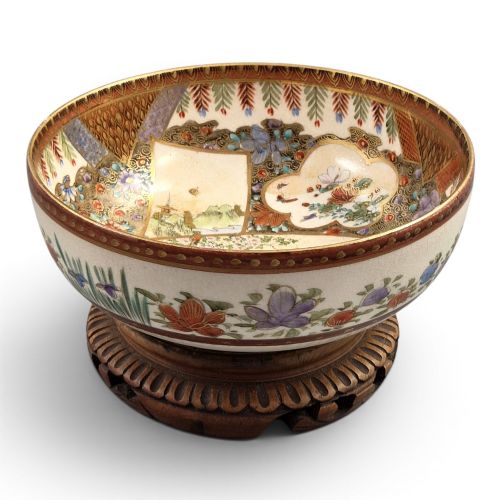
Most examples you will encounter belong to the Japanese Imari style, characterised by bold underglaze blue and overglaze iron red, often augmented with gilt details. Alongside these, Satsuma earthenware and Kutani ware pieces appear frequently in the selection.
How they were made
Potters utilised high-firing ceramic materials, shaping porcelain and earthenware bodies on the wheel or in moulds before applying detailed underglaze pigments. Artisans then added overglaze enamel colours and gold leaf to achieve the characteristic rich surfaces.
Many items underwent multiple firings to set the intricate painted designs properly. Workshops in regions such as Arita and Kyoto employed specialised painting masters to execute samurai scenes, floral motifs, and geometric borders.
Materials recorded across the inventory include porcelain, earthenware, enamel, gold leaf, and wood.
What varies in quality
The sophistication of the hand-painted decoration determines the standing of an individual piece. Precise brushwork, delicate gold leaf application, and well-balanced compositions elevate certain vessels above standard production wares.
Porsches and bowls bearing legible signatures from recognised studios or master potters carry greater artistic weight. The crispness of the porcelain body and the vibrancy of the remaining enamel layers further separate ordinary examples from exceptional creations.
Ginshōtei Gyokushi·Gyokkō·Kozan·Fukagawa·Shizan·Kōko·Ryuzan·Kinkozan·Nikko·Hododa·Shozan·Koransha
The Meiji Period Porcelain Bowl Glossary
- Imari
- A traditional Japanese style of porcelain featuring a distinct palette of cobalt blue, iron red, and gold. This aesthetic was heavily exported to Europe during the Meiji era.
- Satsuma
- An earthenware ceramic body with a characteristic ivory-coloured, crackled glaze. Pieces in this style are frequently decorated with dense polychrome enamels and gilding.
- Jardinier
- A large decorative container designed to hold potted plants or flowers. These items often feature substantial proportions and robust ceramic walls.
- Gilding
- The application of gold leaf or powdered gold onto the surface of a ceramic object. It highlights specific design elements and adds reflective contrast.
- Kutani
- A style of Japanese pottery and porcelain known for vibrant overglaze enamel painting. Designs typically incorporate rich greens, yellows, reds, purples, and blues.
Meiji Period Porcelain Bowl: Frequently Asked Questions
How do I identify a Meiji period bowl?
Examine the stylistic markers, such as traditional Imari blue and red palettes or Satsuma crackle glazes, which reflect late nineteenth-century Japanese production methods. Many pieces also feature studio signatures or maker's marks on the base.
Material composition and decorative motifs like samurai figures or dense floral patterns help anchor the object within the Meiji timeframe.
Can I use these antique bowls for food?
Most antique decorative bowls and dishes are best preserved for display rather than daily culinary use. Historic glazes and overglaze enamels can wear down or absorb liquids over time.
Gentle dry cleaning with a soft cloth keeps the surfaces safe without risking damage to the delicate gold leaf and enamel details.
What is the difference between Imari and Satsuma?
Imari pieces are typically made from true porcelain with hard, resonant bodies decorated in cobalt blue and iron red. Satsuma items are generally earthenware with a softer, porous body covered in a finely crackled ivory glaze.
Satsuma surfaces are frequently packed with intricate polychrome enamel scenes and heavy gilding, whereas Imari relies on starker contrasts.
Where were these bowls originally made?
The pieces originate from prominent Japanese ceramic centres such as Arita, which produced the porcelain Imari wares, and Kyoto, home to the Satsuma studios. Yokohama and other trading ports also facilitated the decoration and export of these items.
Master artisans working in these regional workshops supplied both domestic markets and the burgeoning international trade.