

Meiji Period Japanese Antiques
These meiji period japanese antiques encompass the metalwork, ceramics, and lacquer created during a transformative era of craftsmanship.
Meiji Period Japanese Antiques
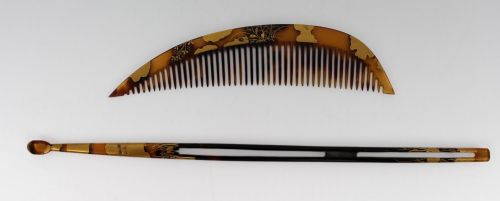
When you search for meiji period japanese antiques, you encounter a diverse range of objects created between the late nineteenth and early twentieth centuries. These pieces reflect the rapid opening of Japanese trade and the subsequent export market directed toward Western collectors. Vases, dishes, figures, and small furniture dominate the selections available in this category.
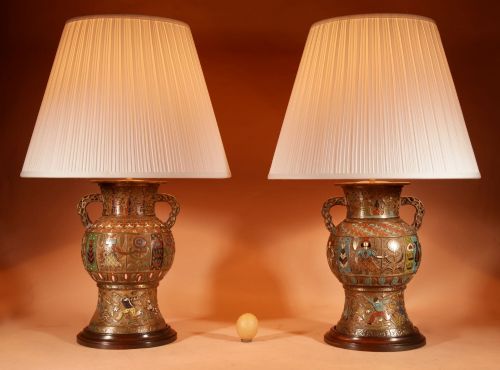
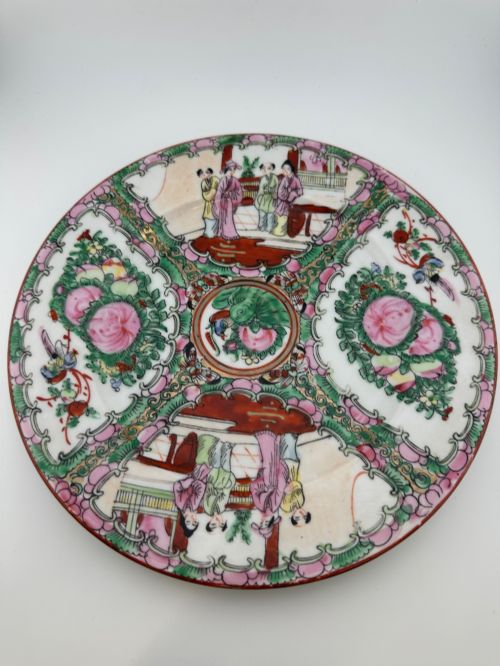
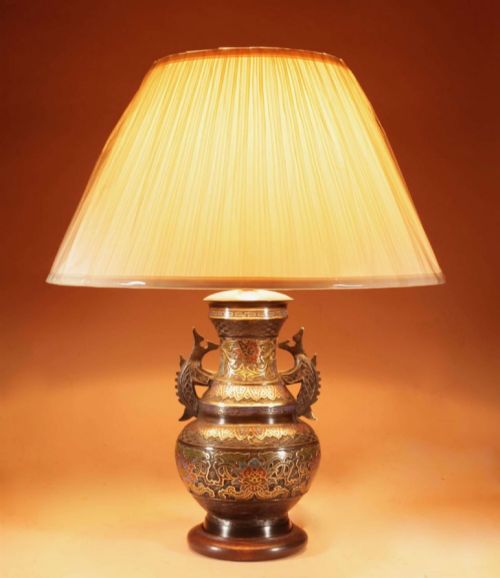
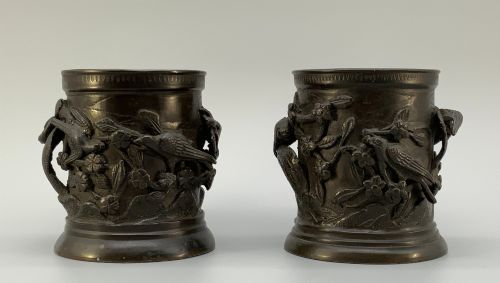
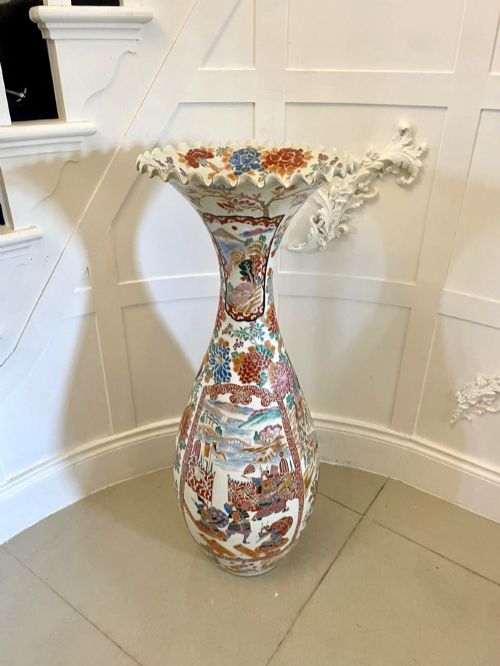
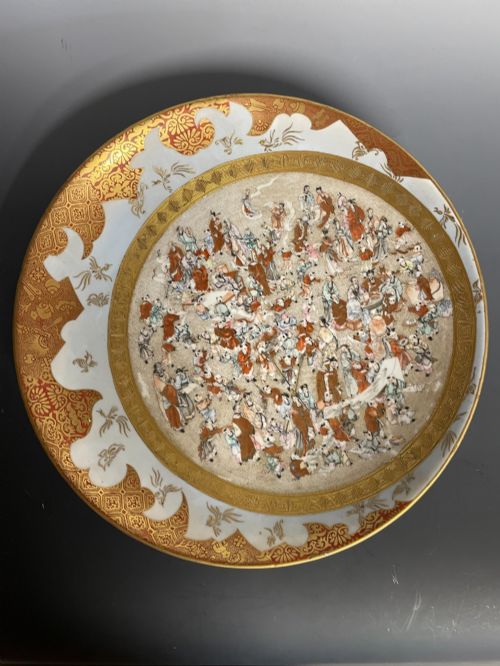
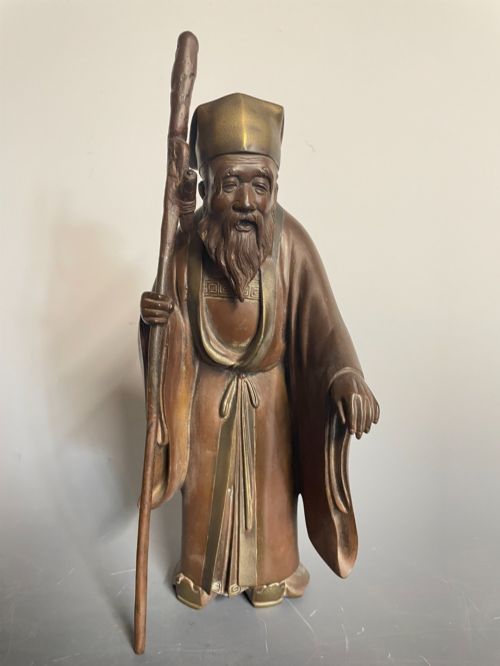
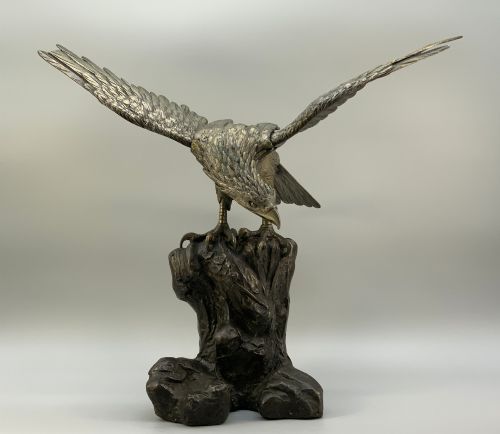
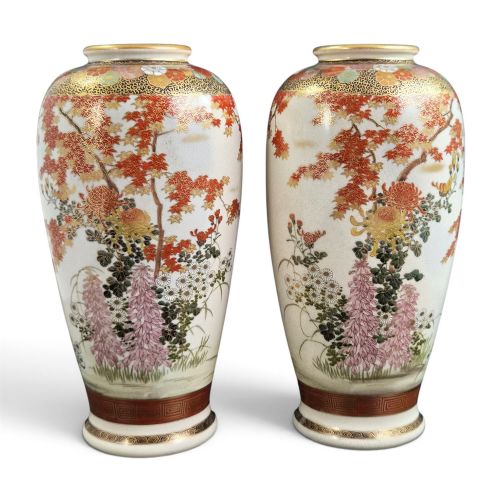
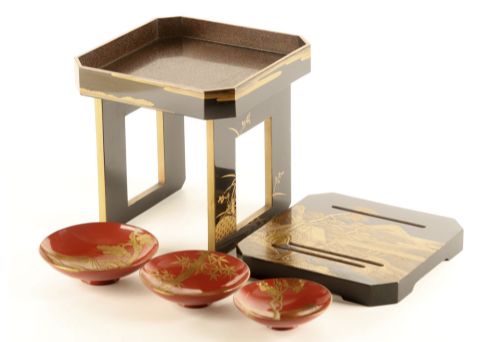
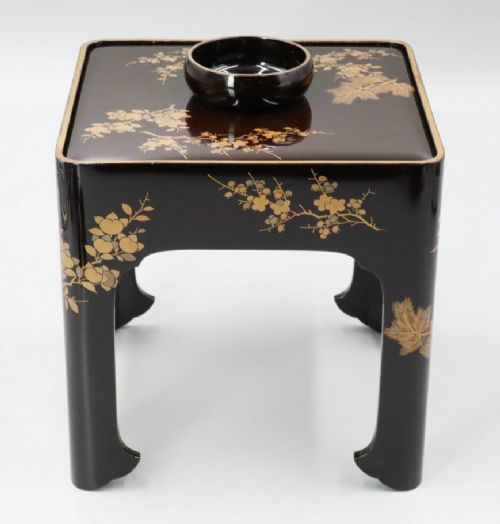
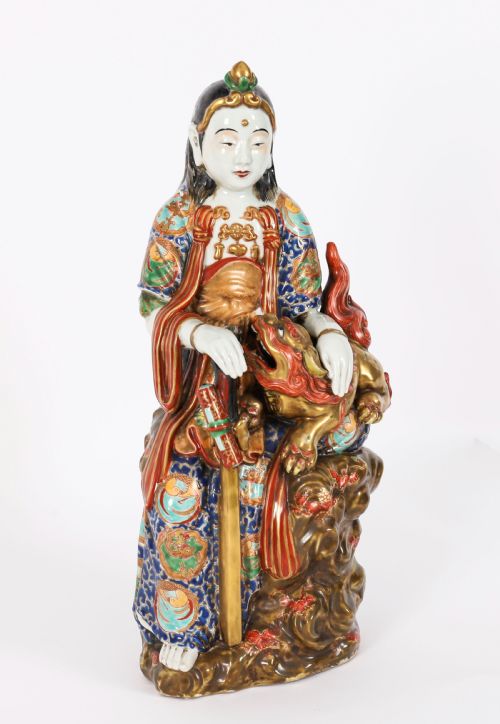
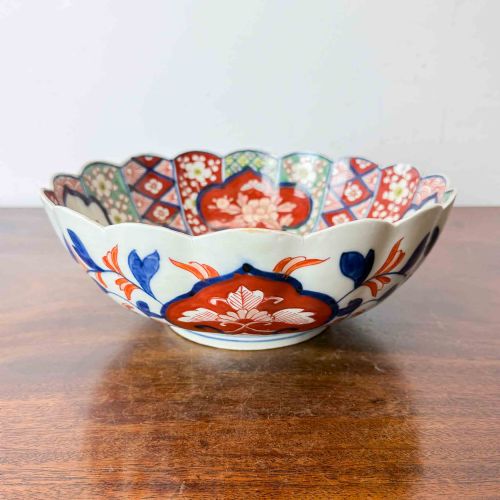
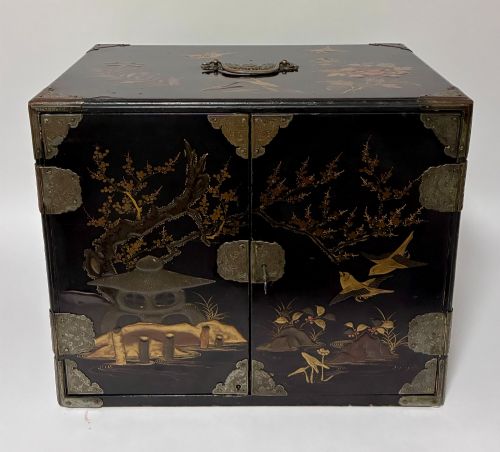
Vessels such as Imari porcelain floor standing vases, Kutani incense burners, and Satsuma earthenware vessels represent the ceramic tradition. Metalwork surfaces through patinated bronze vases, okimono sculptures, and mixed-metal figures depicting animals or human figures. Lacquer items, including table cabinets, sake cup sets, and kodansu jewellery boxes, demonstrate traditional woodworking and finishing skills.
The aesthetic of these items bridges traditional Japanese motifs and the demands of international exhibitions. You frequently meet pieces featuring birds, blossoms, figures, and elaborate patterning executed in bronze, enamel, porcelain, and gold leaf. These forms served both decorative and domestic functions within period interiors.
Materials and construction techniques
Bronze casting and patination form the foundation of many metalwork pieces, often enhanced with inlay work in silver, gold, and shakudo. Artisans utilised lost-wax casting for figures and architectural elements, finishing surfaces with chemical treatments to achieve deep brown or black patinas. Cloisonne enamel relies on thin wire partitions soldered to a metal base, filled with vitreous enamel pastes and fired repeatedly.
Ceramic production combines wheel-thrown or moulded porcelain and earthenware with hand-painted underglaze blue, iron-red enamels, and heavy gilt highlights. Lacquerware pieces utilise multiple layers of sap applied to wooden cores, dried, and polished before receiving intricate carved designs, gold leaf highlights, or Shibayama inlay using shell and ivory.
Scholarly monkeys and boys riding cows share the domestic space with solemn deities and geese in flight.
Assessing execution and detail
The distinction between standard export pieces and exceptional works lies in the precision of the hand-finishing and the complexity of the composition. Superior bronzes display meticulous chisel work in feathers, fur, and facial expressions, whereas lesser examples rely on simpler cast textures. In Satsuma and Kutani ceramics, fineness of brushwork, density of gilding, and control during multiple kiln firings determine the success of the piece.
Material integration also separates the tiers of production. Mixed-metal okimono and Shibayama panels demonstrate quality through the secure seating of tiny inlaid elements, clean joints, and harmonious colour palettes. Superior lacquer objects exhibit smooth, deep surfaces without distortion on the wooden foundation, while simpler items show minor surface irregularities.
KANASAWA·Jomi Eisuke·Maruni Kobe·Shozan
The Meiji Period Japanese Antiques Glossary
- Okimono
- A small Japanese decorative figurine designed for display on a shelf or in a tokonoma alcove. These sculptures are frequently cast in bronze or carved from ivory and wood.
- Imari
- A style of Japanese porcelain featuring a palette of underglaze blue, iron-red, and gold. These wares were heavily exported during the Meiji period.
- Satsuma
- A type of Japanese earthenware characterised by a ivory-coloured, crackled glaze. Painted decoration often incorporates dense enamels and gilt highlights depicting figures and floral motifs.
- Shibayama
- A technique of inlaying miniature pieces of mother-of-pearl, ivory, horn, and tortoiseshell into a base of wood, lacquer, or metal. The method creates high-relief pictorial scenes.
- Shakudo
- A Japanese alloy of copper and a small amount of gold that turns a dark blue-black colour when treated with chemical pickles. It is often used for contrasting inlay on bronze objects.
- Kutani
- Japanese porcelain known for bold pictorial designs and vibrant enamel colours, particularly green, yellow, red, purple, and blue. Pieces range from table dishes to large incense burners.
Meiji Period Japanese Antiques: Frequently Asked Questions
What defines the Meiji period?
The Meiji period spans the reign of Emperor Meiji from 1868 to 1912, marking a time of rapid modernisation and international trade in Japan.
Craftsmen adapted traditional techniques to create decorative arts specifically for Western export markets, blending native aesthetics with new industrial capabilities.
How do I care for bronze objects?
Bronze items require minimal maintenance, needing only an occasional dusting with a soft, dry cloth to protect the patinated surface.
Avoid using liquid cleaners, polishes, or abrasive cloths, as these will strip the original patina and damage the metal.
Are Satsuma wares made of porcelain?
Satsuma wares are constructed from earthenware rather than hard-paste porcelain, possessing a characteristic porous, buff-coloured body.
This earthenware body is covered with a clear glaze that develops a fine network of cracks, over which detailed enamel and gold decorations are applied.
How were lacquer boxes used?
Lacquer boxes such as kodansu and table cabinets served as functional storage for personal documents, jewellery, and small valuables.
The durable lacquer finish protected the wooden contents from humidity and moisture while providing a decorative surface for domestic interiors.