





Cream Ceramic Japanese Urn
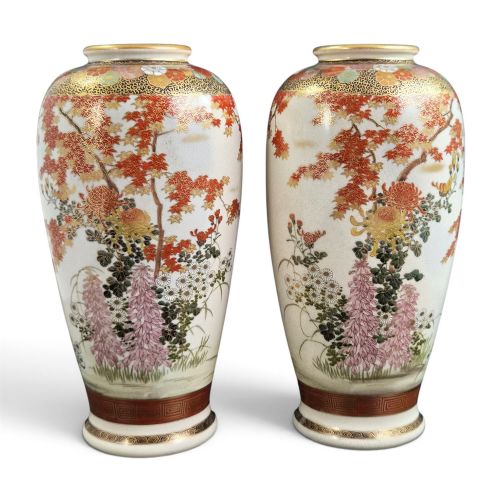
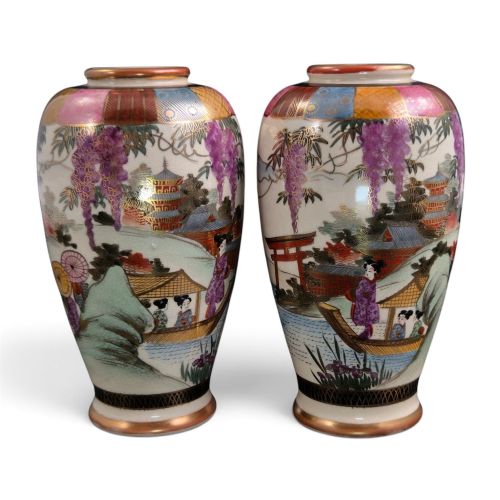
When you search for a cream ceramic japanese urn, you find Satsuma earthenware vessels spanning the late nineteenth and early twentieth centuries.
Cream Ceramic Japanese Urn
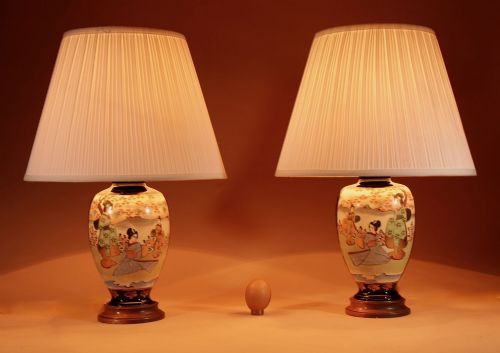
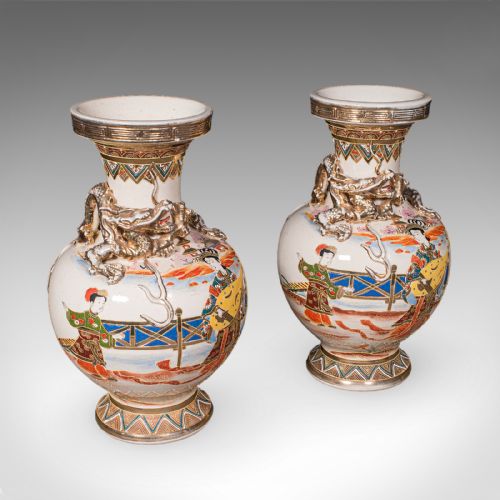
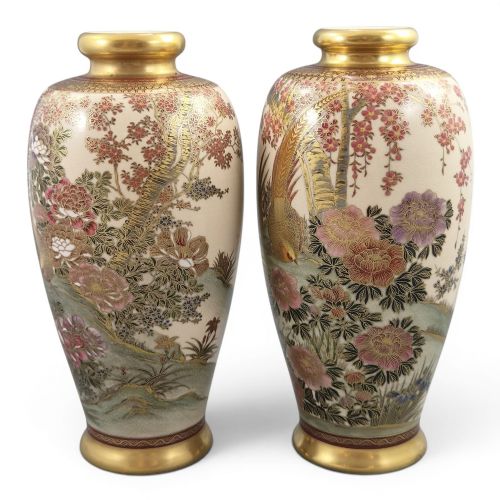
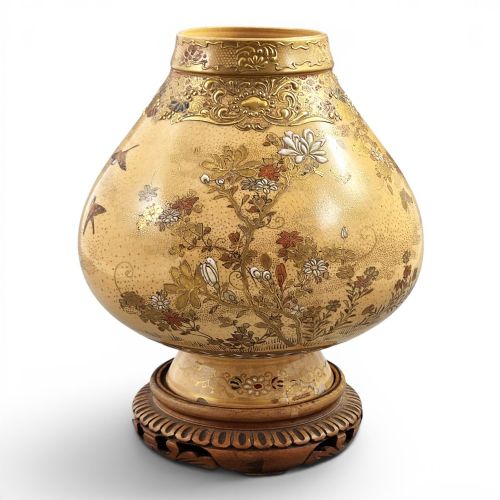
A cream ceramic japanese urn on this page typically presents as a Satsuma earthenware vase, jar, or lamp originating from the Meiji, Taisho, or early Showa periods. These pieces range from diminutive cabinet miniatures to monumental floor-standing display objects shaped with baluster, hexagonal, or garlic-head profiles.
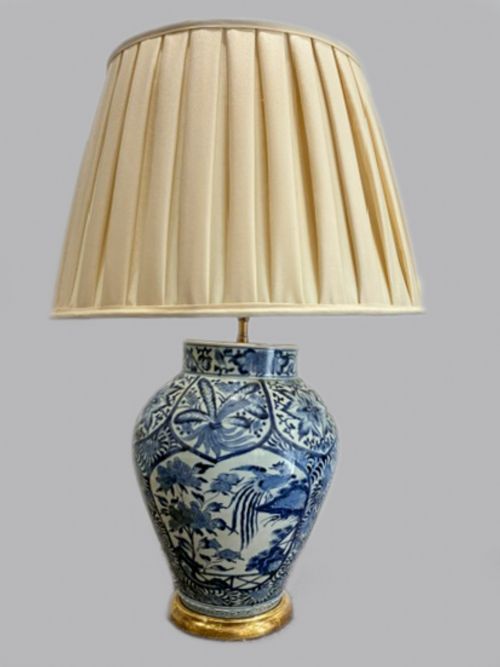
Makers focused heavily on narrative and botanical illustration, covering surfaces with figural processions, samurai scenes, wisteria gardens, and lake landscapes. Many examples arrive paired as symmetrical sets or mounted subsequently as table lamps utilising wooden bases and fitted electrical wiring.
How They Were Made
Potters formed these vessels using local earthenware clays that naturally baked to a characteristic cream, ivory, or pale buff biscuit tone. This porous ceramic body received a fine, translucent crackle glaze designed to web the entire surface before overglaze decoration began.
Artisans applied enamel colours by hand alongside intricate gold leaf and raised gilt detailing to delineate figures, borders, and floral motifs. Signature panels and mon crests were often added near the base before a final low-temperature firing fixed the pigments.
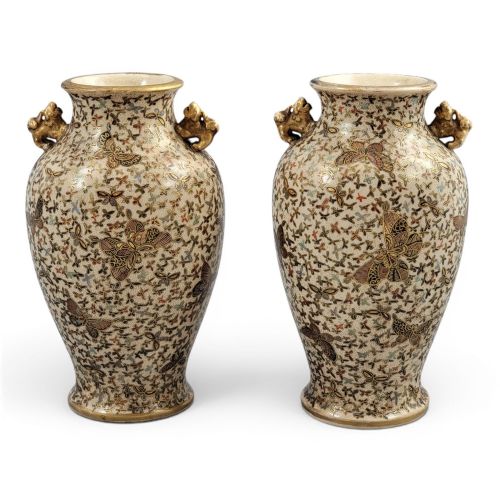
Keep an eye out for vessels featuring tiny, meticulously painted butterflies that appear to swarm entirely around the ceramic body without touching.
What Varies in Quality
The sophistication of the hand-painted brushwork dictates the standing of an individual piece, moving from repetitive commercial output to tightly controlled portraiture and landscape depth by named workshops. Finely articulated facial expressions in figural processions and precise botanical layering separate superior examples from standard decorative production.
The density and crispness of the gilding also define the grade, alongside the delicacy of the underlying glaze crackle. Pieces bearing documented signatures from prominent Kyoto or Kobe houses demonstrate a higher tier of studio standard.
Maruni Kobe·Shozan·Manpei·Kinkozan·Chosei·Yamashu·Hakusan·Tagawa·Hododa·Tashiro·Hattori·Hayakawa
The Cream Ceramic Japanese Urn Glossary
- Satsuma
- A type of Japanese earthenware featuring a pale, ivory-coloured crackle glaze that accepts detailed enamel and gilt painting. Originally produced in Satsuma Province, output later flourished across major urban workshops in Kyoto and Kobe.
- Meiji Period
- The era of Japanese history spanning from 1868 to 1912, characterised by opening trade with Western markets and a surge in export ceramics. Many Satsuma decorative vases date from the latter half of this period.
- Baluster
- A vertical vase form featuring a rounded body that tapers toward a narrow neck and flares slightly at the rim. This traditional silhouette provides a stable canvas for wrapped landscape and figural scenes.
- Mon
- A Japanese heraldic badge or family crest used to identify clans and ownership. Satsuma pieces frequently incorporate specific crests, such as the Shimazu family mon, near the foot or shoulder.
Cream Ceramic Japanese Urn: Frequently Asked Questions
What is Satsuma ware?
Satsuma ware is a distinct category of Japanese pottery identified by its soft, cream-coloured earthenware body and characteristic fine network of surface crackles beneath polychrome enamel and gilt decoration.
Potters across Kyoto, Kobe, and other centres produced these ornamental vessels primarily for export during the late nineteenth and early twentieth centuries, adapting traditional forms for international collectors.
How do I date a piece?
Dating relies on stylistic markers, historical periods, and signature formats recorded on the base of the vessel. Pieces from the Meiji period typically display dense, meticulous gilding and narrative figural scenes.
Later Taisho and Showa examples often exhibit broader brushwork or modified forms, though workshops frequently continued traditional techniques across multiple decades.
Are these urns waterproof?
These ceramic vessels utilise porous earthenware bodies finished with decorative overglaze enamels rather than vitrified stoneware formulas. They were designed strictly for decorative display rather than holding water for fresh flowers.
Placing liquid inside can penetrate the crackle glaze and compromise the clay body or stain the delicate interior over time.
What are Shimazu mon crests?
A Shimazu mon represents the heraldic badge of the powerful Satsuma clan, consisting of a cross within a circle. Many export pieces carry this crest as a nod to regional heritage rather than direct ownership by the clan itself.
Its presence on a base or shoulder often indicates high export quality intended for international exhibitions.