


Meiji Period Ceramic Pot
These meiji period ceramic pot examples bring together intricate painted detail and robust form, offering a tangible link to late nineteenth century craftsmanship.
Meiji Period Ceramic Pot
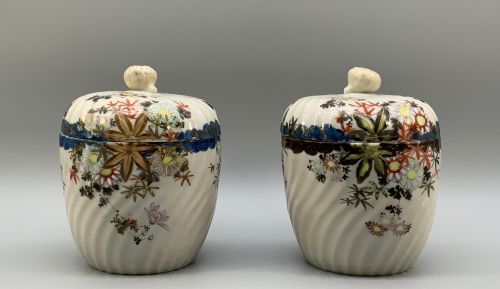
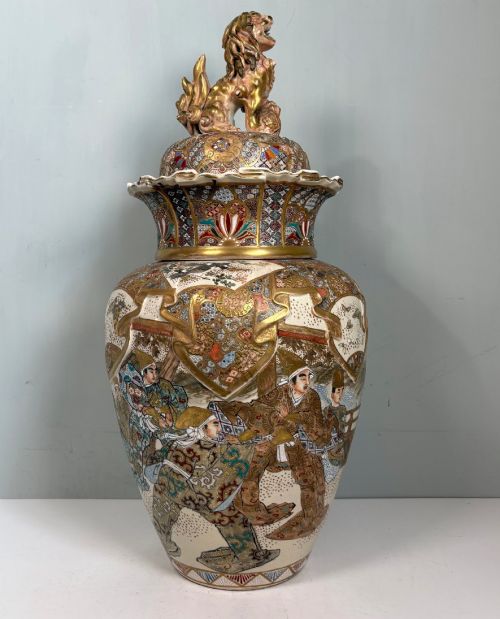
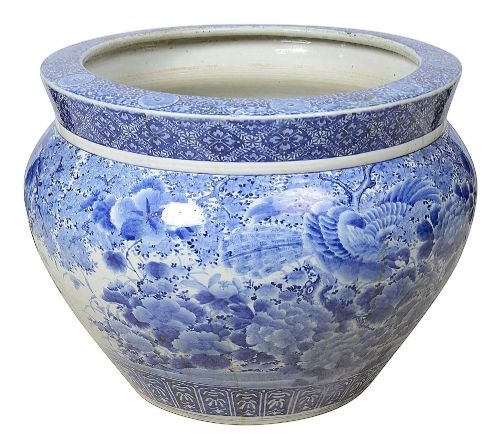
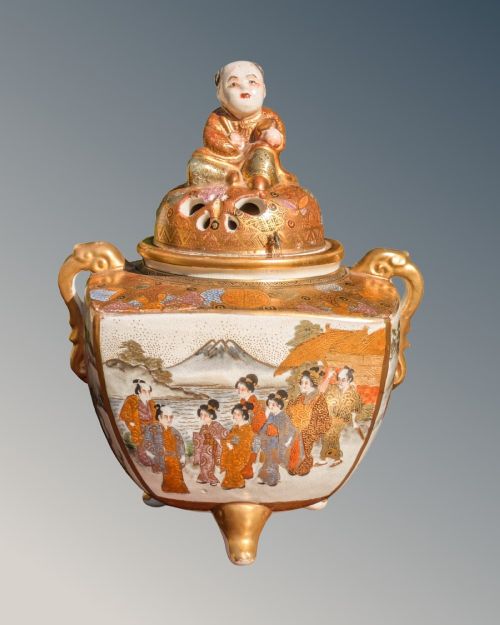
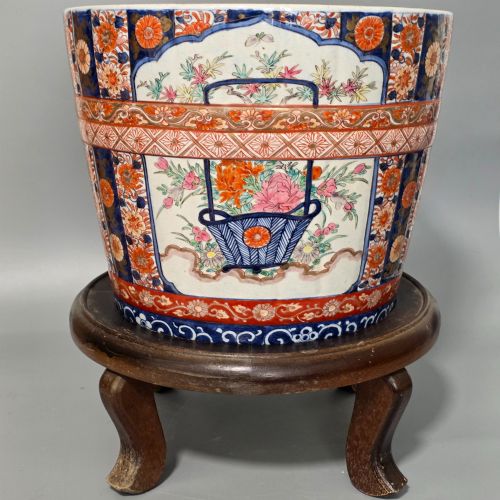
A meiji period ceramic pot encompasses a diverse array of utilitarian and decorative vessels originating from Japan during the late nineteenth and early twentieth centuries. When searching for a meiji period ceramic pot, collectors commonly encounter forms such as lidded jars, incense burners, and large jardinieres.
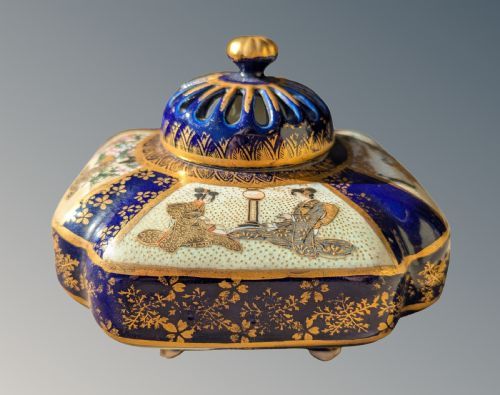
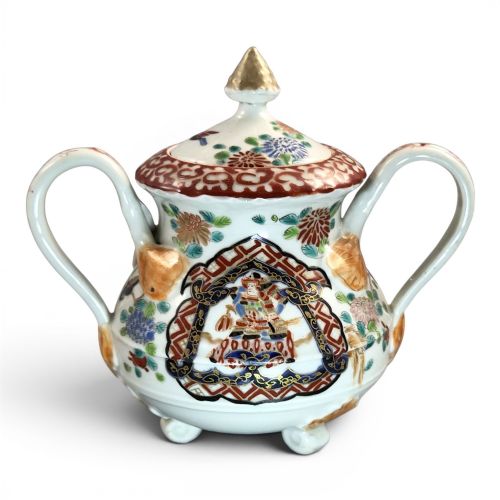
The selection ranges from delicate Satsuma earthenware koro to robust blue and white porcelain planters and Imari sugar bowls. These pieces reflect the varied output of Kyoto studios and regional kilns operating between the eighteen seventies and the early nineteen twenties.
Buyers frequently find that domestic vessels like sugar bowls share shelf space with architectural planters and ritual incense burners. Each object demonstrates the distinct aesthetic priorities of its specific maker and production period.
Evaluating Quality and Execution
The distinction between standard commercial output and exceptional studio work rests primarily on the precision of the brushwork and the complexity of the gilding. Pieces bearing legible signatures from recognised makers typically display superior control over enamel saturation and compositional balance.
Form stability during the firing process also separates ordinary vessels from finer examples, as does the crispness of moulded details on handles and covers. Heavier potting and well-balanced proportions indicate superior kiln management and material selection.
Several incense burners include intricately pierced lids designed to release fragrant smoke around miniature samurai scenes.
Kinkozan·Makuzu Kozan II·Kotobuki do·Shizan·Shozan
The Meiji Period Ceramic Pot Glossary
- Satsuma
- Earthenware pottery featuring a crackle-glaze finish and ornate enamel and gilt decoration. This style originated in Kagoshima province but saw extensive production in Kyoto studios.
- Koro
- A traditional Japanese incense burner typically fitted with a pierced lid. These vessels often rest on three feet and appear frequently in Satsuma ware.
- Imari
- Japanese porcelain decorated in underglaze blue and contrasting overglaze iron red and gold. The style takes its port of export name and dates back centuries.
- Jardiniere
- A large ornamental pot designed to hold plants or flowers. Examples in this category often include matching stands and substantial stonewares bodies.
Meiji Period Ceramic Pot: Frequently Asked Questions
How do Satsuma and Imari differ?
Satsuma wares utilise a cream-coloured earthenware body with a fine crackle glaze, heavily decorated in polychrome enamels and gold leaf. They are primarily ornamental.
Imari pieces use a hard porcelain body painted in underglaze blue, iron red, and gilt, resulting in a more durable and vitreous finish suited for functional display.
Where were these pots made?
Production took place across various regional kilns and urban studios in Japan, with significant output originating from Kyoto workshops. Specific makers often stamped or signed their works to denote the producing studio.
Export demand during the late nineteenth century drove production volumes up while maintaining distinct regional decoration styles.
How should I clean a ceramic pot?
Dust these vessels gently with a soft, dry cloth to remove surface particles. Avoid using water, soap, or chemical cleaners, as moisture can damage delicate enamel and gold leaf.
Display the pots away from direct sunlight and areas of high humidity to protect the historical glaze and pigments.