



Japanese Oriental Porcelain Pot
These Japanese oriental porcelain pot pieces span centuries of kilns, offering classic Satsuma and Imari forms for the home.
Japanese Oriental Porcelain Pot
A japanese oriental porcelain pot encompasses diverse forms from lidded jars and planters to incense burners and vases spanning the Edo and Meiji periods. Buyers encountering this category most frequently meet Imari wares and Satsuma pieces originating from traditional Japanese kilns.
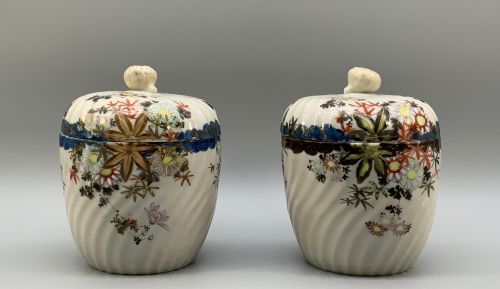
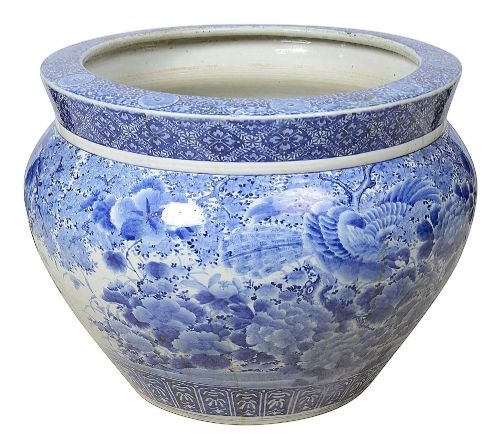
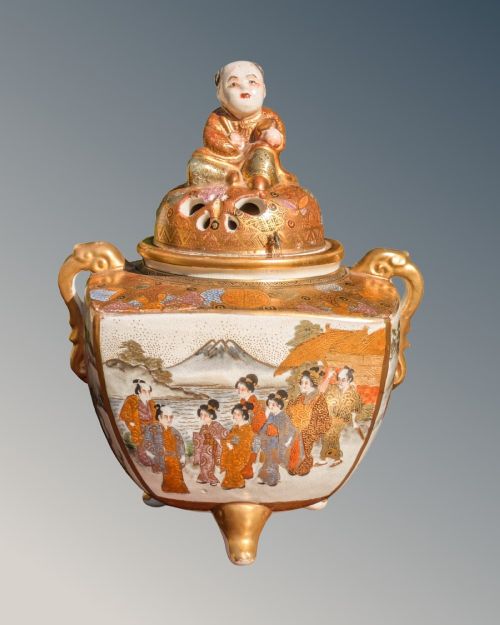
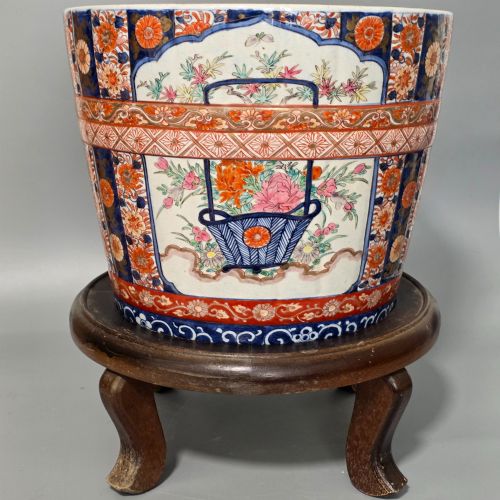
The selection ranges from large blue and white jardinieres to delicate lidded jars decorated with floral motifs and samurai figures. Many items retain associated hardwood stands that complement the porcelain body.
Materials and construction
Kiln workers shaped porcelain and ceramic bodies before applying detailed enamel pigments and glaze finishes. Artisans often incorporated gold leaf and gilding to highlight intricate surface patterns.
Some forms utilise hardwood components for stands, pairing carved timber directly with the ceramic vessels to support larger jardinieres and planters.
Listings feature porcelain, earthenware, and hard ceramic alongside glaze and gold leaf.
Assessing quality in the range
Finer examples display precise brushwork in the enamel and cobalt blue decoration, whereas simpler pieces show broader, less controlled application. The depth of the glaze and the crispness of the porcelain form separate standard production items from studio pieces.
Signed works from noted centres like Kyoto indicate specific maker involvement, adding nuance to the painting and the overall balance of the vessel.
Shozan Kyoto Studio·Kinkozan
The Japanese Oriental Porcelain Pot Glossary
- Imari
- A traditional Japanese porcelain style featuring rich cobalt blue and iron red ironwork, often accented with gold leaf. This aesthetic originated in Arita and became widely exported.
- Satsuma
- An earthenware ceramic type characterised by a fine crackle glaze and elaborate enamel decoration depicting figures or nature. Satsuma pieces frequently include gilt detailing.
- Jardiniere
- A large ornamental pot or planter designed to hold growing plants or flowers. These vessels often sit upon fitted hardwood stands.
- Edo Period
- A historical epoch in Japan spanning from the seventeenth to the nineteenth century. Wares from this time display distinct traditional motifs and early Arita techniques.
- Meiji Period
- An era in Japanese history covering the late nineteenth and early twentieth centuries. Pieces from this time often exhibit complex decorative programmes suited for international trade.
Japanese Oriental Porcelain Pot: Frequently Asked Questions
How do I care for a porcelain jardiniere?
Clean the porcelain surface gently using a soft, dry cloth to remove dust without harming the enamel or gilding.
Avoid using harsh chemical cleaners or submerging associated hardwood stands in water to protect the timber.
What is the difference between Imari and Satsuma?
Imari pieces utilise hard porcelain bodies decorated primarily in cobalt blue, iron red, and gold leaf.
Satsuma items typically consist of an earthenware body covered in a cream-coloured crackle glaze painted with detailed polychrome scenes.
Were lidded jars used for storage?
Antique lidded jars served various domestic purposes, including holding dry goods or spices in traditional settings.
Over time, many of these vessels transitioned into purely decorative objects displayed within interiors.
How do I identify a Meiji period piece?
Meiji period items often display denser, more elaborate ornamentation reflecting the opening of Japanese trade in the late nineteenth century.
Studio signatures and specific stylistic refinements help distinguish these works from earlier Edo period output.