
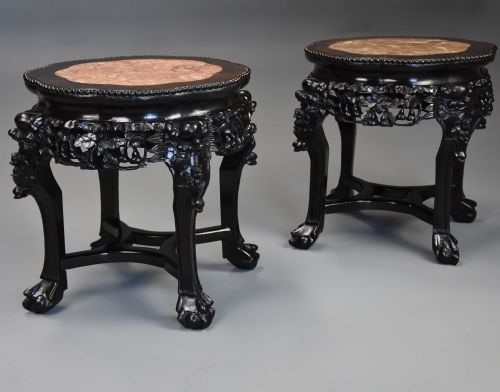


Antique Asian Plant Pots
These antique asian plant pots bring heavy bronze, carved hardwood and painted porcelain from late nineteenth-century workshops directly into the modern interior.
Antique Asian Plant Pots
When you search for antique asian plant pots, you encounter vessels designed to house indoor greenery, primarily taking the form of jardinières and paired stands.
The selections here span the Victorian era, the Japanese Meiji period, and the Qing Dynasty, reflecting an intersection of Eastern craftsmanship and Western interior taste.
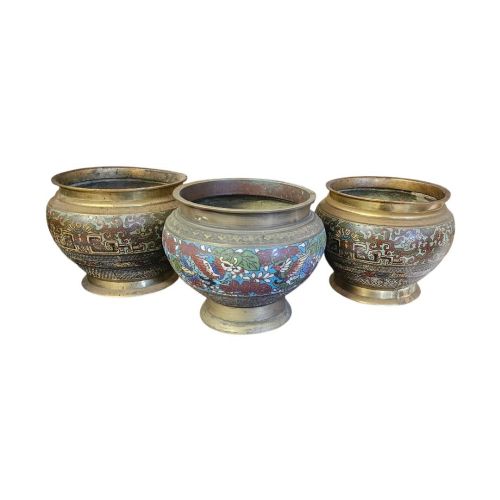
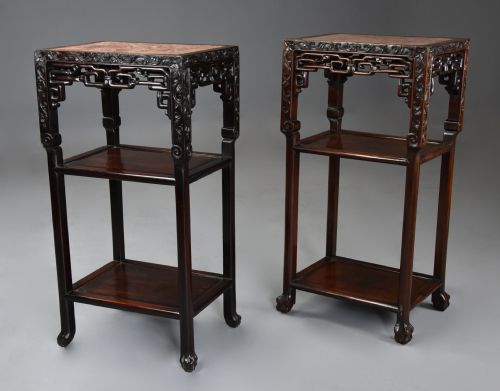
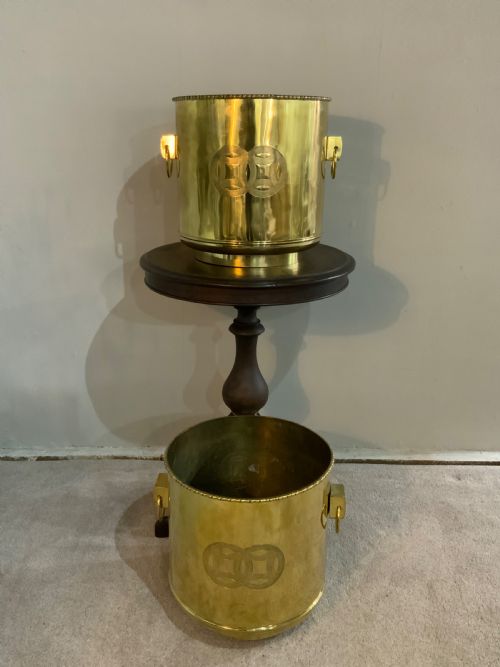
The most common formats on this page are bronze and brass jardinières accompanied by carved hardwood pot stands or low tables dating from the late nineteenth century.
How they were made
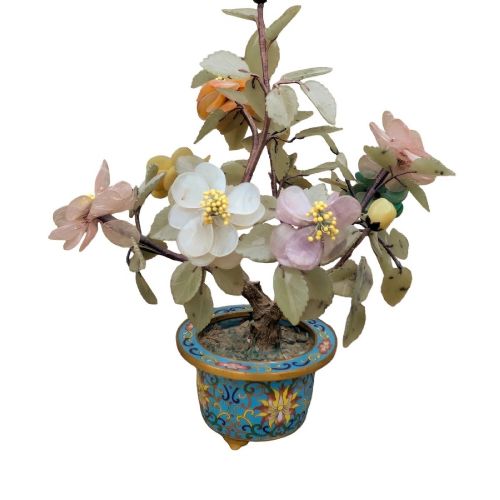
Metal vessels utilise bronze and brass casting techniques, often enriched with champlevé or cloisonné enamel work to create intricate surface patterns.
Ceramic pieces rely on stoneware and porcelain bodies finished with blue and white glazes or Imari pigments fired at high temperatures.
Stands are constructed from dense hardwoods, carved into shaped or freestanding forms designed to elevate the heavy metal and ceramic bowls.
One particularly sturdy Japanese bronze bowl tips the scales at 2.7 kilograms.
What varies in quality
Quality depends on the precision of the metal casting, the depth of the enamel work, and the crispness of the hardwood carving rather than simple age alone.
Superior examples demonstrate heavier weight in the bronze or brass, alongside balanced proportions between the planter vessel and its matching stand.
Makuzu Kozan II
The Antique Asian Plant Pots Glossary
- Jardiniere
- A decorative ceramic or metal pot used for holding flowers or plants. These vessels often sit upon matching pedestals or low tables.
- Meiji Period
- The era in Japanese history spanning from 1868 to 1912, noted for detailed metalwork and bronze production. Pieces from this time frequently reach Western markets through late Victorian trade.
- Champleve
- An enamelling technique where troughs are carved into a metal surface and filled with vitreous enamel before firing. This method creates bold coloured patterns across bronze vessels.
- Imari
- A style of Japanese porcelain decorated in underglaze blue and overglaze red, gold, and green. These wares were widely exported to Europe during the nineteenth century.
- Cloisonne
- A technique where metal wires are soldered to a metal body to form compartments that are filled with enamel. The piece is then fired and polished to a smooth finish.
Antique Asian Plant Pots: Frequently Asked Questions
How do I clean antique bronze jardinières?
Dust the surface regularly with a soft dry cloth to prevent grime accumulation.
Avoid chemical polishes or water, which can strip historic patination from the bronze.
Can these pots hold live plants?
Most of these vessels lack drainage holes because they were designed to function as jardinières holding potted plants inside.
Place a modern plastic liner inside the metal or ceramic bowl to protect the historic interior from moisture damage.
How are Japanese and Chinese vessels told apart?
Japanese pieces from this selection frequently date to the Meiji period and showcase precise bronze casting or blue and white porcelain.
Chinese examples often originate from the Qing dynasty, utilising heavy bronze, champlevé enamel, or carved hardwood stands.
Where should hardwood plant stands be placed?
Position these freestanding carved stands away from direct sunlight and radiators to prevent the dense hardwood from drying out and splitting.
Ensure the weight of the jardiniere matches the load capacity of the low table or stand.