



Meiji Period Bronze Ornament
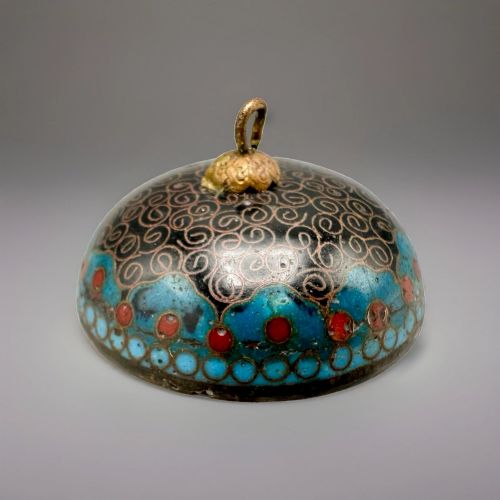
These meiji period bronze ornament selections offer remarkable sculptural animal studies and vases cast by skilled Japanese metalworkers during the late nineteenth and early twentieth centuries.
Meiji Period Bronze Ornament
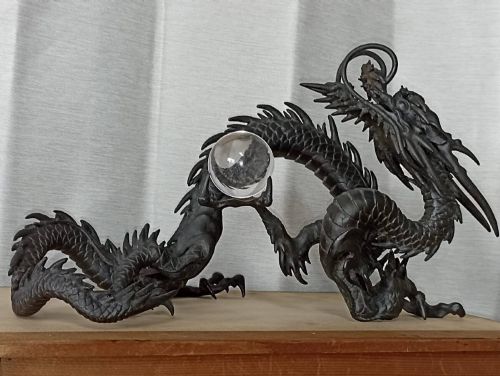
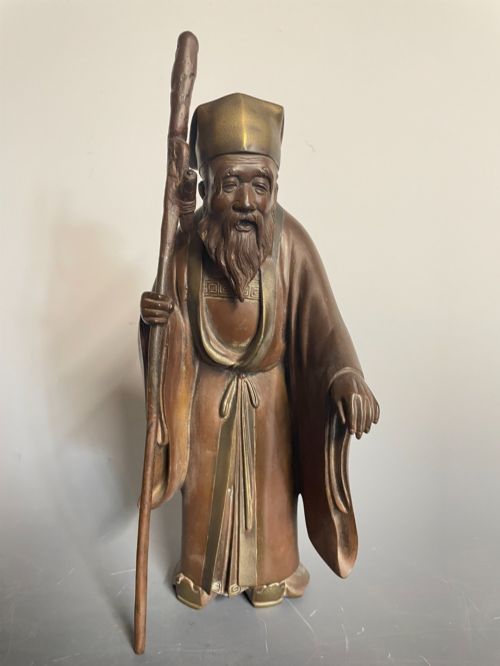
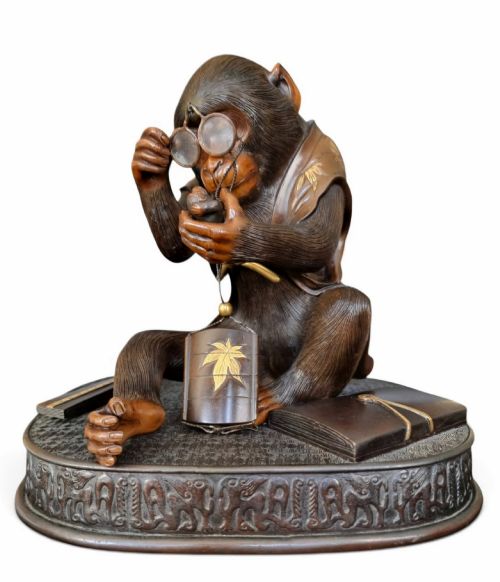
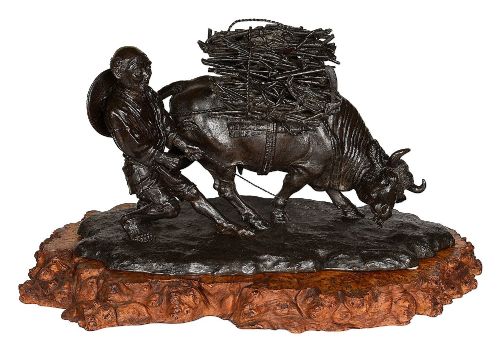
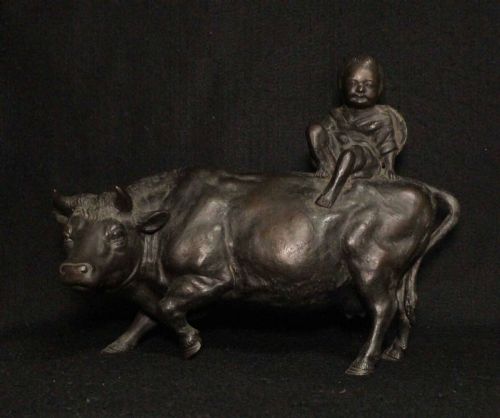
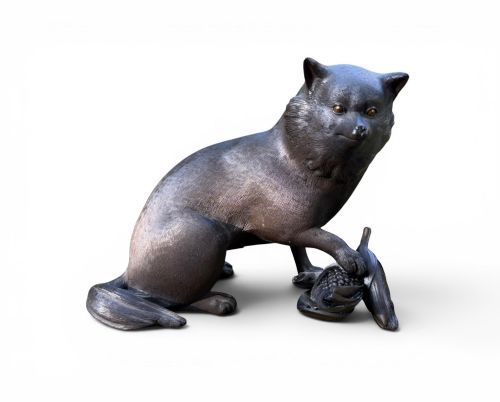
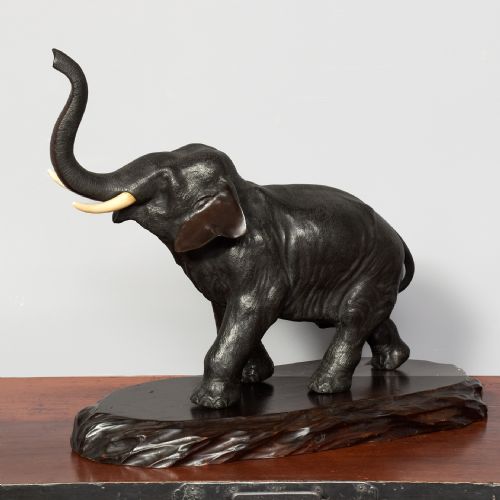
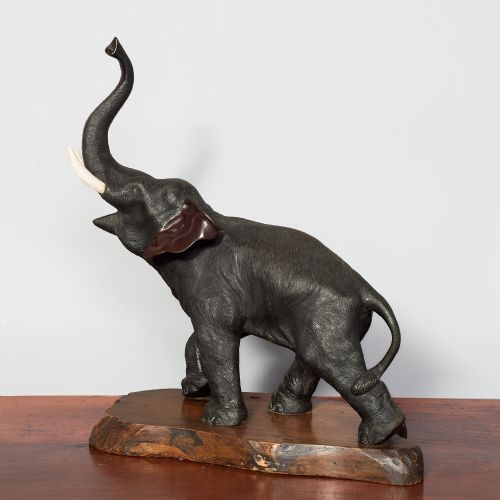
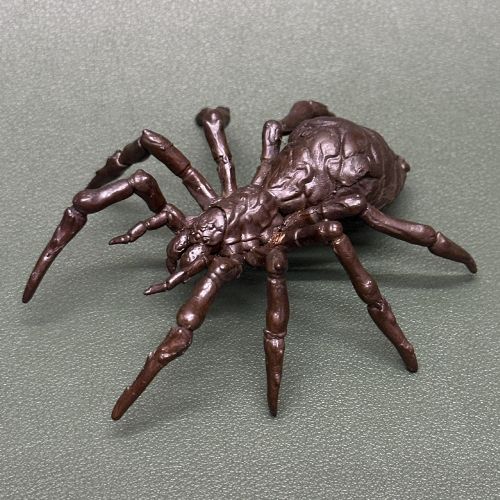
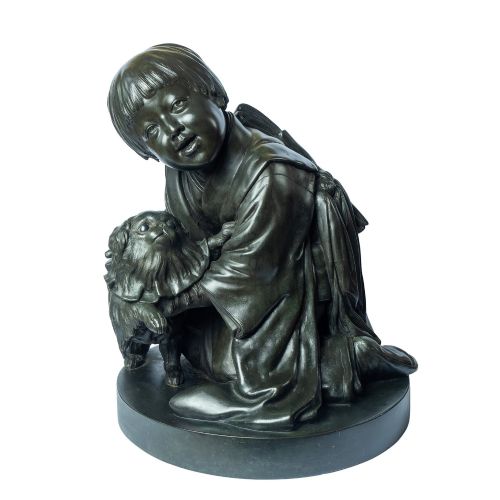
A meiji period bronze ornament encompasses sculptural okimono, vases, and figures originating from Japan during the late nineteenth and early twentieth centuries, spanning the Victorian era up to the 1920s. These pieces frequently depict naturalistic subjects, including elephants, monkeys, tigers, dogs, and various insects alongside garden dragons and bridges.
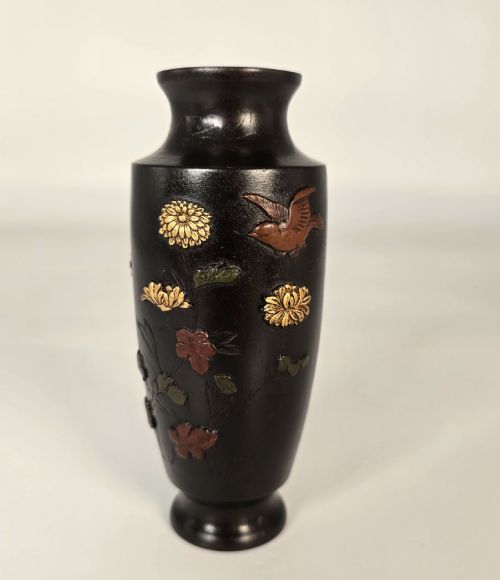
The objects on this page range from small desk okimono studies of spiders and rats to large garden bronzes and decorative baluster vases. Many examples combine bronze with mixed metals or incorporate inlaid details such as gold, ivory tusks, and bone.
How They Were Made
The makers utilised bronze, patinated bronze, and copper as foundational casting metals, frequently enriching the surfaces with mixed metal applications and gold inlay. Selected pieces incorporate organic materials such as ivory tusks, bone, and wood to complement the cast metal bodies.
Casting and patination techniques allowed artisans to render intricate animal textures, from the fur of a scholar monkey or puppy to the segmented shells of beetles and turtles. Surface treatments produced deep patinations that accentuate the sculptural forms of vases and animal groups.
Materials recorded across the inventory include bronze, patinated bronze, copper, gold inlay, mixed metal, ivory, bone, and wood.
What Varies in Quality
Quality separates through the naturalism and anatomical precision of the casting, distinguishing lively okimono with dynamic postures from rigid or flat representations. Master works display meticulous attention to surface detail in fur, scales, and naturalistic bases.
The integration of mixed metals and precious inlay elements elevates certain pieces above standard production. The reputation of specific workshops and named metalworkers introduces another layer of distinction in the overall sculptural finish.
Jomi Eisuke·Masaaki·Kaniya Kuniharu·Haruyama Shunzan·Unno Shomin
The Meiji Period Bronze Ornament Glossary
- Okimono
- A Japanese ornamental statue or sculpture intended for display in a home interior. These standalone figures frequently portray animals, mythical creatures, or figures from daily life.
- Shakudo
- A Japanese billon of copper and gold that develops a dark blue or black patina when treated. Metalworkers utilised this alloy for contrast and decorative details on mixed metal objects.
- Patinated Bronze
- Bronze metal treated with chemical solutions to produce a specific surface colour or aged finish. This treatment enhances the visual depth of sculptural okimono and vases.
- Mixed Metal
- An object composed of multiple metallic alloys combined to create contrasting visual tones and decorative patterns. This technique appears frequently on Japanese vases and figures from this period.
Meiji Period Bronze Ornament: Frequently Asked Questions
What is a meiji period bronze ornament?
A meiji period bronze ornament is a Japanese cast metal sculpture or vase produced during the Meiji era, spanning the late nineteenth and early twentieth centuries.
These pieces include detailed okimono of animals, insects, and figures alongside decorative baluster vases and stem vessels.
How were these bronze ornaments used?
Most okimono and figures served as decorative interior ornaments displayed on shelves, desks, or within traditional Japanese home settings.
Vases and urns functioned as decorative vessels for floral arrangements or as standalone mantelpiece ornaments in both Japanese and Western interiors.
How do I identify a meiji period bronze?
Identification relies on observing the characteristic patination, subject matter, and stylistic traits associated with late nineteenth-century Japanese metalwork.
Many examples feature naturalistic animal subjects or mixed metal details that reflect the manufacturing techniques of the era.
Are all these bronzes from Japan?
The listings consist entirely of Japanese works produced during the Meiji period and subsequent early twentieth-century decades.
Some pieces entered Western collections during the Victorian period, reflecting the global appetite for Japanese art and metalwork at the time.