




Antique Bronze Animal Study
An antique bronze animal study captures the tension of the natural world in heavy metal, offering enduring sculptural character for a desk or shelf.
Antique Bronze Animal Study
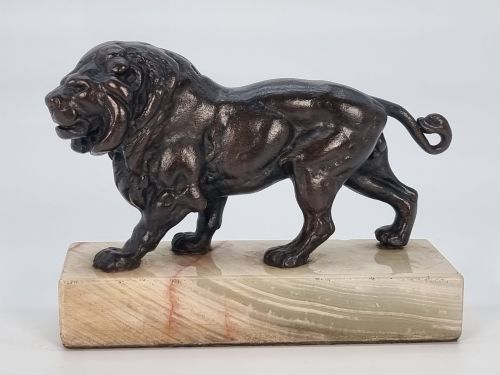
An antique bronze animal study represents natural and exotic creatures rendered in cast metal, often mounted upon a stone base. When searching this phrase, a buyer encounters sculptures depicting large cats, elephants, foxes, dogs, frogs, and human figures with animals.
The objects span the mid nineteenth century into the early twentieth century, taking forms from the Animalier tradition, Japanese Meiji period works, Art Deco pieces, and Orientalist subjects. French workshops and Japanese founders dominate the origins of these works.
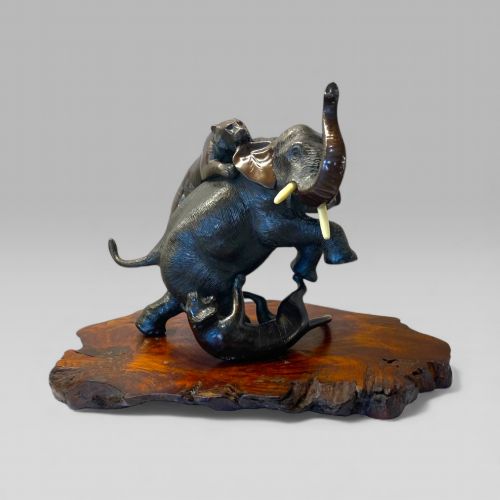
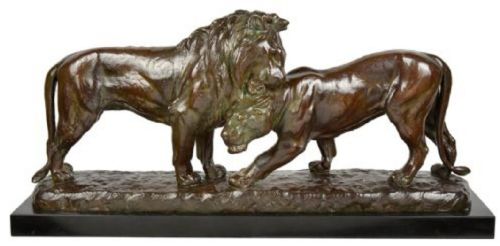
Buyers most frequently meet French Animalier bronzes of prowling or reclining beasts alongside Meiji period combat scenes. These vary from mounted cabinet pieces to heavier desk sculptures.
How they were made
Foundries utilised the lost wax casting method to capture muscular tension, fur texture, and skin folds in molten metal. Artisans then chased the cooled bronze by hand to sharpen details before applying patinas or gilding.
Many works combine cast bronze with natural mineral plinths, mounting the metal directly onto marble, onyx, or green onyx bases. Some pieces incorporate secondary materials such as bone or hardwood for specific decorative elements.
Recorded periods span from the Victorian mid nineteenth century through 1870, 1880, 1890, 1900, 1910, 1920, and 1930.
What varies in quality
Quality rests upon the fidelity of the cast and the crispness of the hand-chased surface detail. Superior examples retain naturalistic muscle definition and facial expression rather than sliding into generic smoothing.
The integration between the bronze casting and its stone base marks another distinction in grade. The weight and selection of the marble or onyx plinth correlate with the ambition of the original foundry casting.
Tsunemitsu·Alfred Dubucand·Louis Riche·A L Barye
The Antique Bronze Animal Study Glossary
- Animalier
- A nineteenth-century artistic movement dedicated to the realistic depiction of animals. Sculptors in this tradition focused heavily on anatomical accuracy and dynamic movement.
- Patina
- The surface coloration and sheen developed naturally over time or applied chemically by the foundry. This finish protects the metal and defines the visual depth of the subject.
- Meiji period
- The era of Japanese history spanning from 1868 to 1912, known for exceptionally intricate bronze metalwork. Works from this period often display complex narrative action, such as elephants fighting tigers.
- Cold painted
- A technique where the bronze receives paint layers without high-temperature firing. Austrian workshops utilised this method to give foxes and other wildlife realistic coloration.
- Gilt bronze
- Bronze coated with a layer of gold or gold amalgam to create a bright metallic finish. Louis Riche and other French makers employed this technique for decorative effect.
Antique Bronze Animal Study: Frequently Asked Questions
What is an animal study?
An animal study is a sculpture focused strictly on capturing the anatomy, movement, and behaviour of a creature in three dimensions.
These pieces range from small cabinet bronzes to substantial desk ornaments produced by European and Japanese foundries.
How do I date a bronze?
Dating relies on stylistic markers, foundry marks, and the type of mineral base used to mount the sculpture.
Mid nineteenth century works often lean toward naturalistic Animalier realism, while later pieces adopt Art Deco streamlining or retain Meiji period complexity.
Where were they made?
The evidence shows production centred heavily in France and Japan, alongside workshops in Austria.
French founders produced lions and dogs, Japanese metalworkers cast complex elephant and tiger groups, and Austrian studios specialised in painted foxes.
How should I clean bronze?
Bronze requires gentle dusting with a soft, dry cloth to protect the historical surface and patination.
Harsh commercial polishes, water, and chemical cleaners must be avoided because they strip away the aged finish.