



Egyptian Figure Statue
These pieces called egyptian figure statue span nineteenth-century Grand Tour souvenirs and Art Deco dancers that collectors prize for their dramatic form.
Egyptian Figure Statue
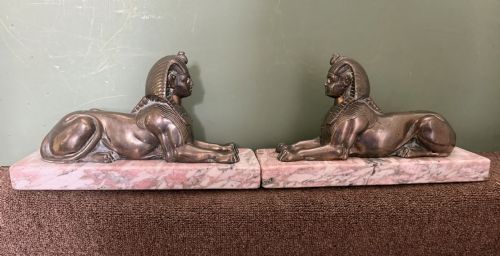
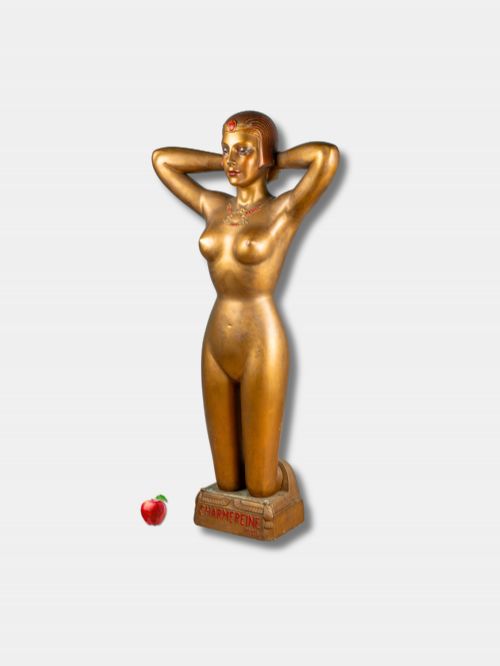
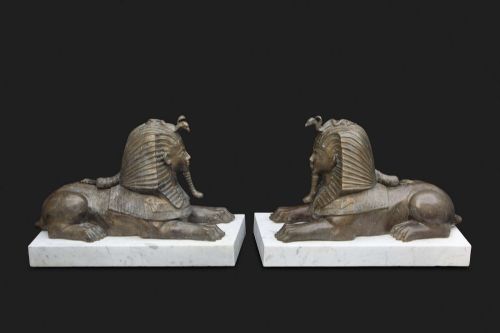
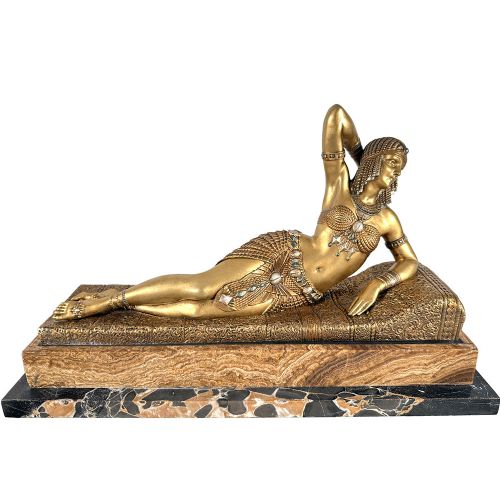
When you search for an egyptian figure statue, you encounter sculptures and statuettes drawing on ancient aesthetics from the nineteenth century onward. The selection spans bronze sphinxes and shabtis to porcelain figurines and advertising displays.
Grand Tour pieces and Victorian Orientalism items appear alongside Art Deco interpretations by known designers. These items capture historical fascination with Nile civilisations through decorative arts.
The most frequent examples on this page date from the nineteenth century into the mid-twentieth century. They employ diverse motifs including deities, dancers, and architectural guards.
How they were made
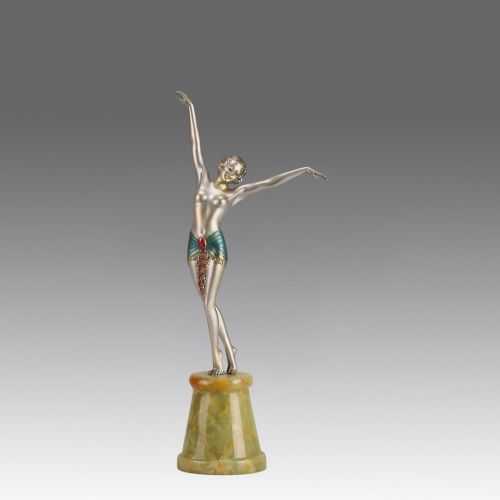
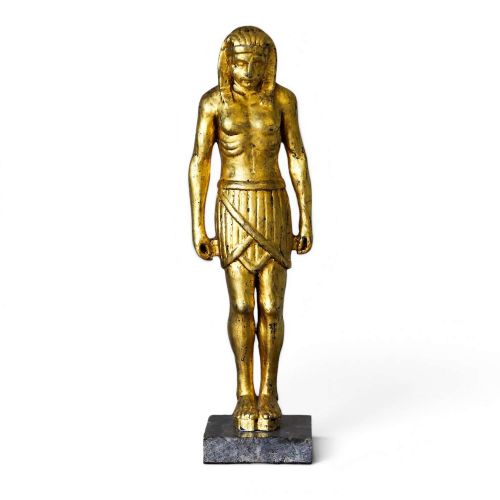
Foundry work utilises bronze, often patinated or cold-painted, combined with heavy stone bases such as marble, onyx, granite, and alabaster. Gilt wood and enamel provide rich surface colour on specific figures.
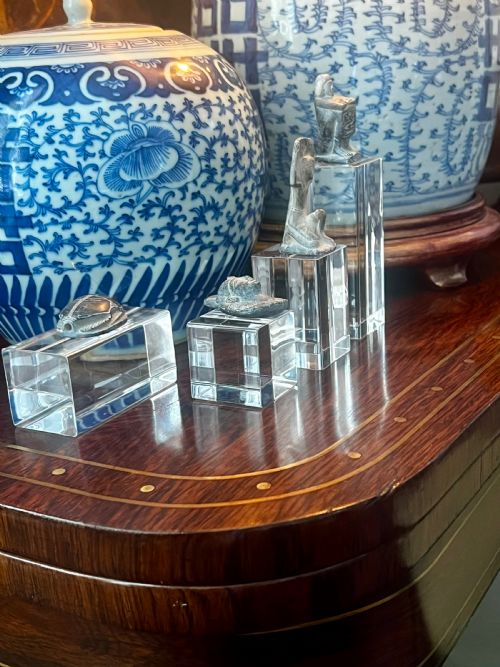
Carved stone and carved wood shape traditional items like shabtis, while ceramics form porcelain figures. Precision in casting defines the metalwork, distinguishing monumental sphinxes from smaller cabinet figures.
Periods represented stretch from pre-sixteenth century artefacts through nineteenth-century revivals to 1950s modernist interpretations.
What varies in quality
The distinction between tiers rests on sculptural execution, cast definition, and the choice of mounting materials. Finer items display crisp detailing in patinated bronze and deliberate selection of veined marble plinths.
Signatures by established makers elevate a piece above anonymous workshop production. The integration of stone bases with metal figures reflects the original maker's ambition and economic investment.
Josef Lorenzl·Alfred Dubucand·Demetre Chiparus·James Hadley·Franz Bergman
The Egyptian Figure Statue Glossary
- Shabti
- A small funerary figure placed in ancient tombs to act as a servant for the deceased in the afterlife. Later nineteenth-century interpretations use gilt wood and granite bases as decorative objects.
- Grand Tour
- A traditional trip of Europe undertaken by upper-class young men of sufficient means to flourish their cultural education. Souvenirs purchased along the route included bronze sphinxes and lion fountain heads.
- Cold-painted bronze
- A technique where paint is applied directly onto unheated bronze without firing, common in Vienna bronzes. This method allows for vivid colour on figures such as dancers and nudes.
- Egyptian Revival
- An architectural and decorative style that incorporates motifs and imagery of ancient Egypt. It recurred intensely during the nineteenth century and the Art Deco era.
- Sphinx
- A mythical creature with the body of a lion and a human head, frequently rendered in bronze during the nineteenth and early twentieth centuries. These creatures often serve as monumental supports on marble plinths.
Egyptian Figure Statue: Frequently Asked Questions
Are these figures genuine ancient antiquities?
Most items here date from the nineteenth and twentieth centuries, reflecting later revivals rather than antiquity itself. They capture the aesthetic enthusiasm of Victorian travel and Art Deco design.
Only select early objects originate from remote antiquity, while the majority represent nineteenth-century Grand Tour or twentieth-century decorative interpretations.
What materials support these bronzes?
Foundries mounted metal sculptures onto substantial stone plinths to provide stability and visual weight. Carrara marble, onyx, granite, and alabaster commonly serve as these architectural bases.
The interaction between the patinated bronze figure and the veined marble plinth defines the physical presence of many pieces.
How do Art Deco figures differ from Grand Tour pieces?
Art Deco pieces from the 1920s and 1930s focus on stylised dancers and theatrical figures influenced by modern taste. They frequently combine cold-painted or gilded bronze with marble bases.
Grand Tour works from the nineteenth century lean closer to archaeological subjects like sphinxes and shabtis, intended as scholarly or picturesque souvenirs.
How should I display a heavy marble-based sculpture?
Place these sculptures on sturdy furniture that can accommodate significant weight, particularly for monumental bronze and marble pieces. Ensure the surface remains level to protect the stone plinth.
Keep them away from direct heat sources and abrasive cleaning agents to preserve the patina and stone integrity.