



Meiji Enamel Plaque
A meiji enamel plaque brings Japanese craftsmanship into your home, offering detailed metalwork and vibrant colours from the nineteenth century.
Meiji Enamel Plaque
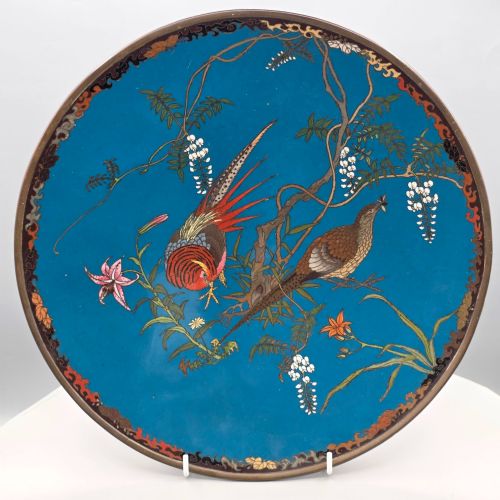
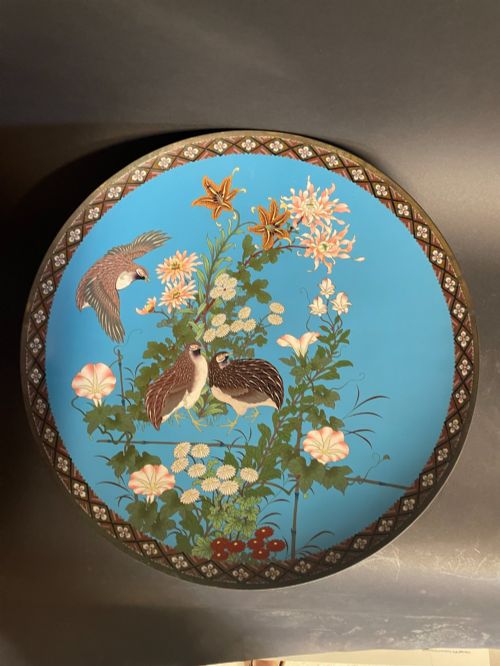
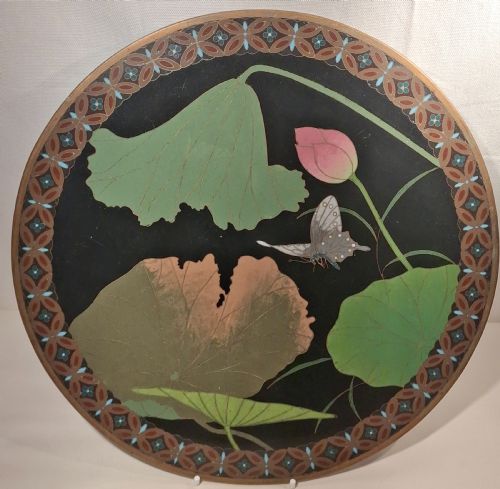
A meiji enamel plaque encompasses decorative chargers, plates, trays, and chargers produced during the Japanese Meiji period and late Edo period. These items often feature natural subjects such as birds, fish, and flowers alongside mythological motifs including dragons, samurai, and demons.
Materials and techniques
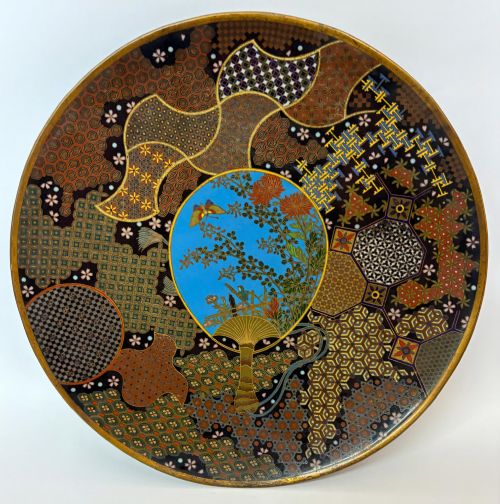
Artisans built these works on bases of copper, brass, bronze, or porcelain, applying intricate patterns using fine brass wire. The cells formed by the wirework were then filled with coloured enamel pastes before firing and polishing.
Certain pieces utilise Totai Shippo techniques, applying cloisonne enamel directly onto a porcelain body to mimic textures like tree bark alongside traditional metal foundations.
Frogs, butterflies, and leaping koi share these metal surfaces with formidable samurai and mythical dragons.
Distinctions in quality
Quality rests upon the precision of the wirework and the complexity of the subject matter, ranging from simple floral arrangements to detailed dragons and samurai scenes. Finer examples display smoother enamel surfaces and sophisticated pictorial compositions signed by the maker.
Scale and format also influence the character of each piece, with larger chargers and octagonal trays demanding greater technical control across the metal and enamel medium.
The Meiji Enamel Plaque Glossary
- Cloisonne Enamel
- A technique where metal wires are soldered to a base to form compartments filled with enamel paste. This method creates the distinct cell-like patterns seen across these plates and chargers.
- Totai Shippo
- A method of applying cloisonne enamel directly onto a porcelain body. This creates an unusual hybrid surface that often mimics organic textures like tree bark.
- Charger
- A large decorative plate intended for display rather than dining use. These form the primary format for detailed pictorial scenes in the collection.
- Meiji Period
- The era in Japanese history spanning from 1868 to 1912, noted for openness to international trade and the flourishing of decorative arts.
- Edo Period
- The period preceding the Meiji era, lasting from 1603 to 1867. Pieces from the late part of this era share aesthetic links with early Meiji production.
Meiji Enamel Plaque: Frequently Asked Questions
How do I display a charger safely?
These decorative plates and chargers suit wall mounting using appropriate brass hangers or stable surface display on sturdy plate stands.
Keep them away from direct sunlight to protect the coloured enamel from fading over time.
How are these pieces dated?
Dating relies on stylistic shifts, material combinations, and signatures found on the reverse or within the design. Pieces span from the late Edo period through the decades of the Meiji era.
Changes in wire fineness and subject matter help separate items from the 1860s and 1870s from those produced around 1900.
What subjects appear on the plaques?
Common motifs include birds such as ibises and various songbirds, aquatic life like koi and shrimp, and botanical themes involving chrysanthemums and bamboo.
Figurative designs also feature mythological figures, dragons, samurai, and demons executed in wire and enamel.
Are porcelain bases common?
While most items utilise metal foundations of copper, brass, or bronze, specific pieces employ porcelain bases under the cloisonne enamel.
These Totai Shippo examples feature textured surfaces that resemble tree bark alongside traditional floral arrangements.