
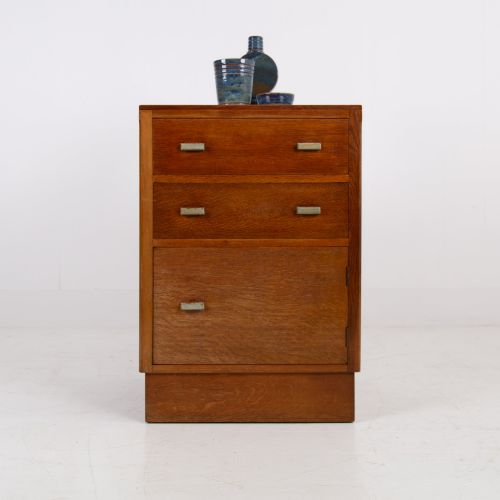
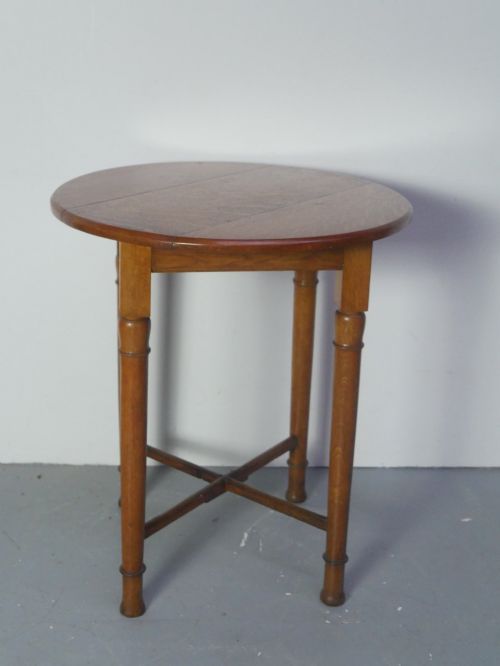
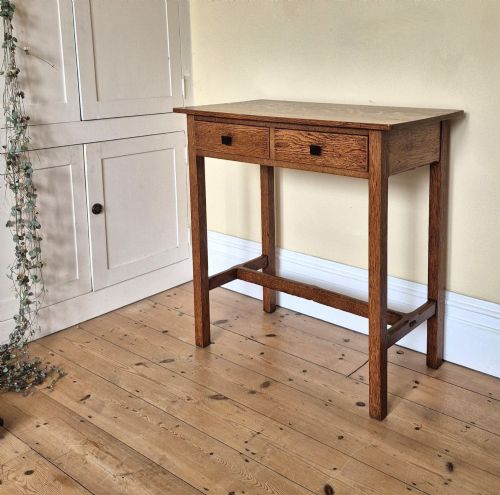
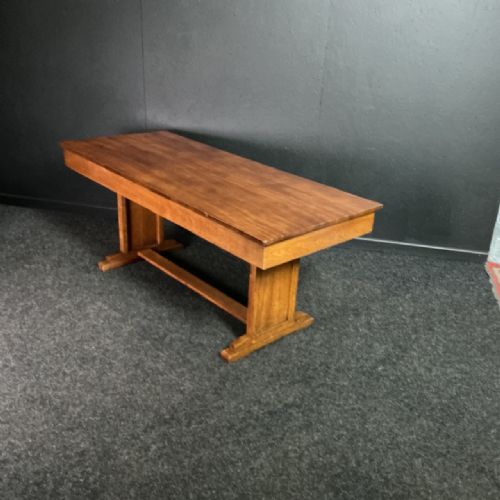
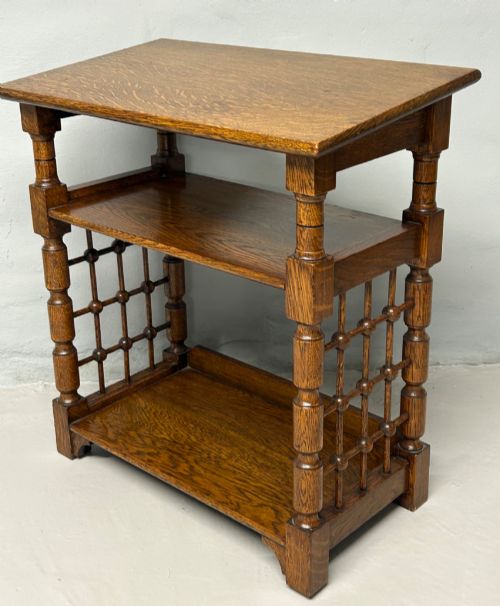
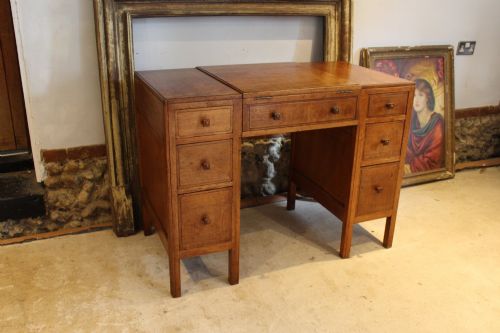
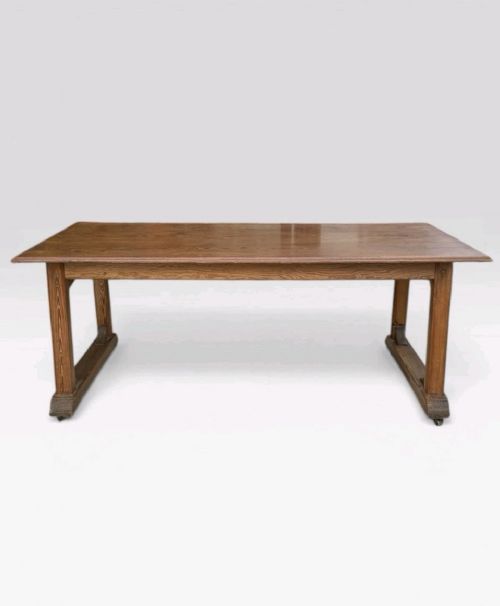

Medium Oak Table
A medium oak table brings warmth and honest grain to a room, spanning useful side tables to substantial refectory dining pieces.
Medium Oak Table
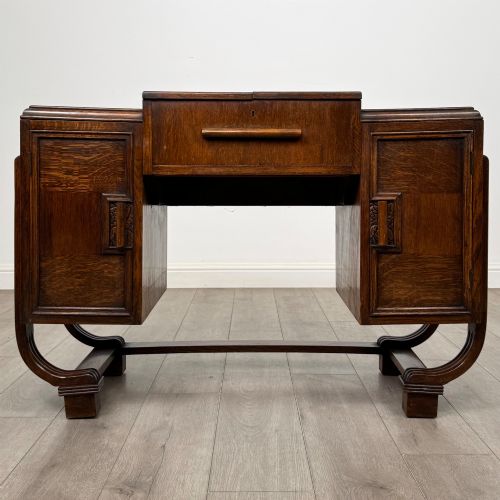
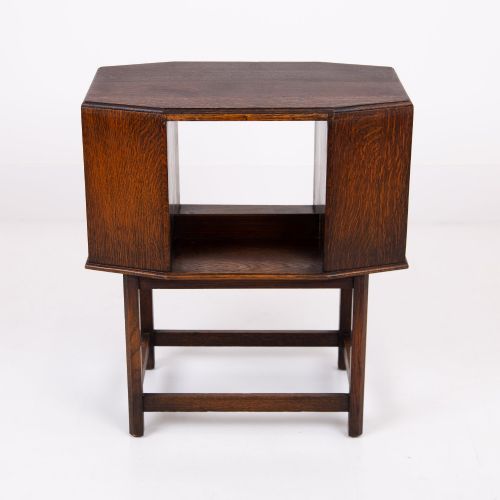
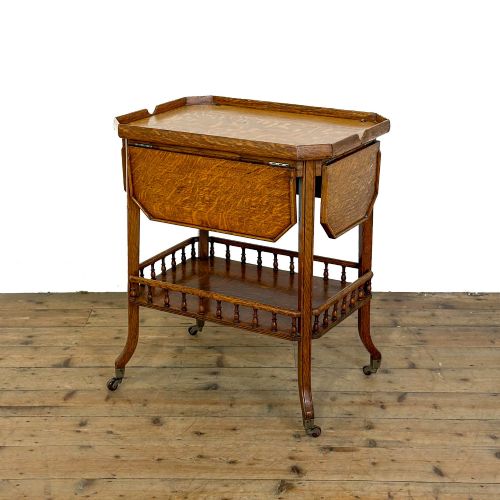
A medium oak table serves everyday domestic utility, appearing across forms such as dining tables, side tables, desks, and tea trolleys. These pieces date predominantly from the late nineteenth century through to the 1930s, reflecting periods like the Edwardian era and the interwar decades.
Smaller occasional tables, gateleg dining formats, and library tables dominate the current selection. Solid construction and practical proportions define the domestic furniture of these periods.
Distinctions in construction and design
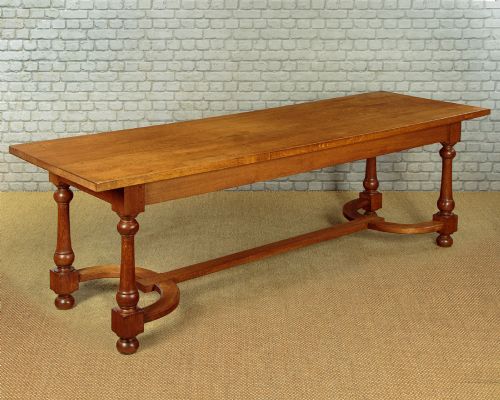
Quality rests on the integrity of the timber, distinguishing solid oak builds from those employing oak veneer over secondary woods. Heavier refectory and library tables demonstrate superior structural joinery compared to lighter occasional pieces.
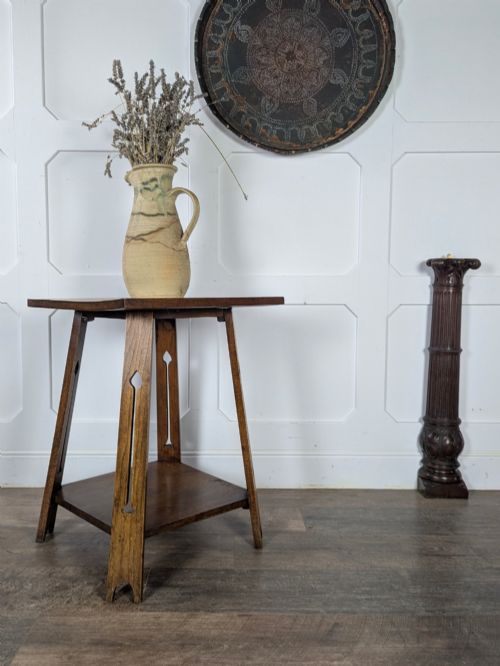
Design ambition separates standard production items from those bearing specific stylistic markers of the Arts and Crafts movement or Art Deco period. Pieces associated with named designers or prominent workshops show greater refinement in carved detail and proportion.
Listings span from the late nineteenth century through to the 1930s, encompassing Edwardian, Arts and Crafts, and Art Deco aesthetics.
Gomme·Hubert Simpson of Kendal·Heal and Sons·Sir Robert Lorimer
The Medium Oak Table Glossary
- Refectory table
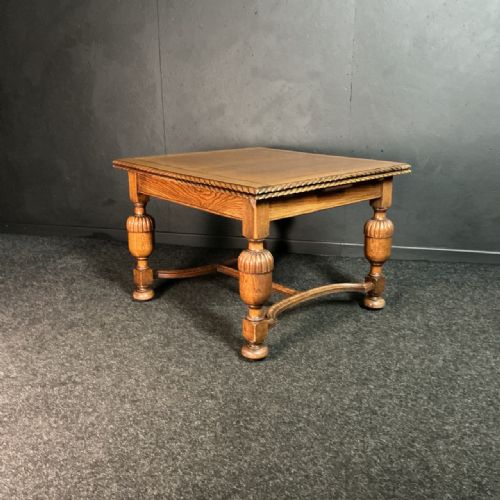
- A long dining table traditionally used in communal halls but adapted for domestic dining by the twentieth century. These pieces often feature stretcher bases for added stability.
- Gateleg table
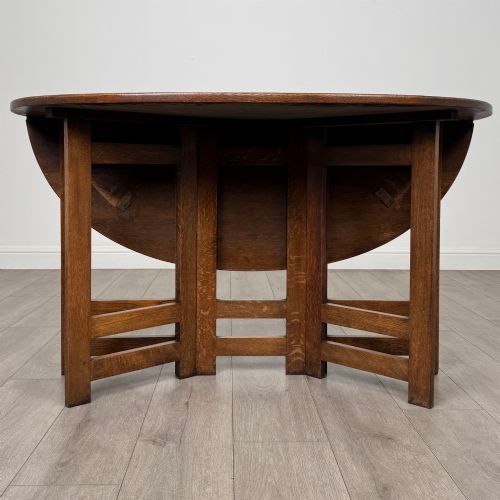
- A drop leaf table where hinged legs swing out to support the extended leaves. This design allows the surface area to expand or contract according to space requirements.
- Draw leaf table
- A dining table equipped with sliding leaves stored beneath the main surface. Pulling these extensions outwards increases the overall length without removing the centre top.
- Barley twist
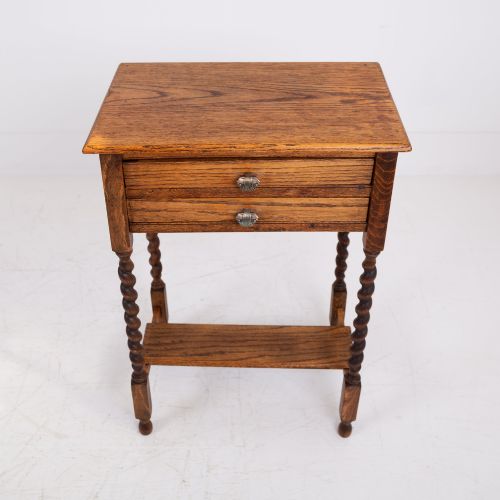
- A carved wooden leg formed in a spiral rotation resembling a twisted rope. This decorative turning method appeared frequently on Edwardian and 1920s tables.
- Arts and Crafts
- A design movement valuing handcraftsmanship and simple vernacular forms over mass production. Furniture from this tradition often displays exposed construction details and honest materials.
Medium Oak Table: Frequently Asked Questions
How do I date a medium oak table?
Dating relies on stylistic clues, hardware, and construction methods. Edwardian and 1920s pieces often feature turned legs like barley twists, while 1930s examples lean towards Art Deco modernist clean lines or straightforward refectory forms.
Examining the underside, drawer joints, and timber preparation helps confirm the period. Earlier nineteenth-century examples display hand-cut elements and heavier timber sections compared to later twentieth-century production.
Are gateleg tables practical for daily use?
Gateleg tables offer excellent versatility for modern dining spaces. The folding leaves allow the table to sit compactly against a wall when not in use, opening fully when required.
The hinged leg system requires adequate floor clearance and proper alignment of the pivot points. When fully extended, a well-built gateleg table provides a stable surface for everyday meals.
How should I care for an oak surface?
Oak benefits from regular dusting with a soft, dry cloth to prevent grit accumulation. Occasional treatment with traditional beeswax preserves the natural lustre of the timber without building up heavy synthetic residues.
Direct sunlight and excessive heat sources should be avoided to prevent timber movement or splitting. Using coasters and placemats protects the finish from moisture rings and thermal marking.
What is the difference between solid oak and oak veneer?
Solid oak furniture uses timber planks throughout the construction of the top, frame, and legs. This allows for refinishing and guarantees long-term structural durability.
Oak veneer applies a thin layer of fine oak over a secondary wood core or panel. This technique provided stability against warping in twentieth-century cabinet work and allowed makers to utilise decorative grain patterns effectively.