

Wooden Extending Table
A wooden extending table brings adaptability to the dining room, allowing spaces to expand effortlessly from intimate family meals to large gatherings.
Wooden Extending Table
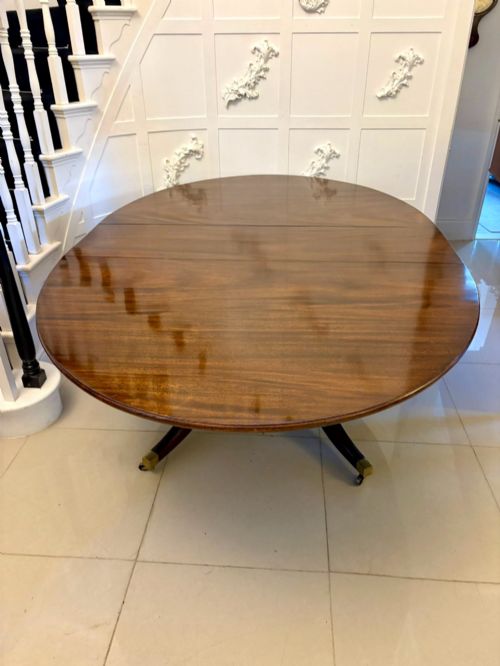
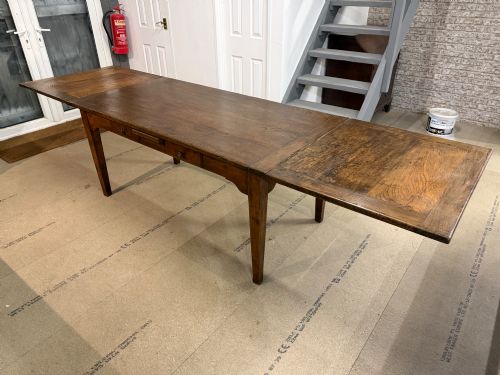
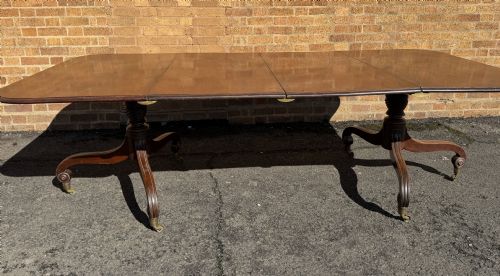
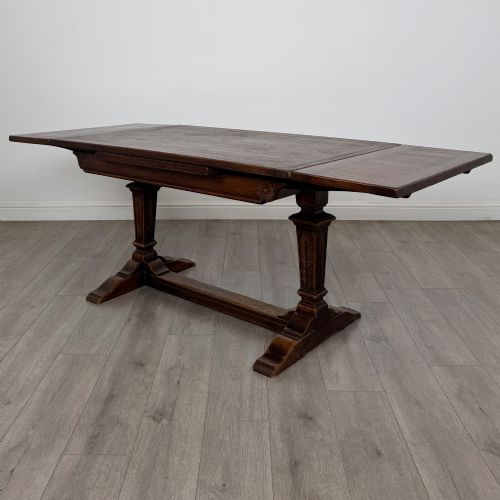
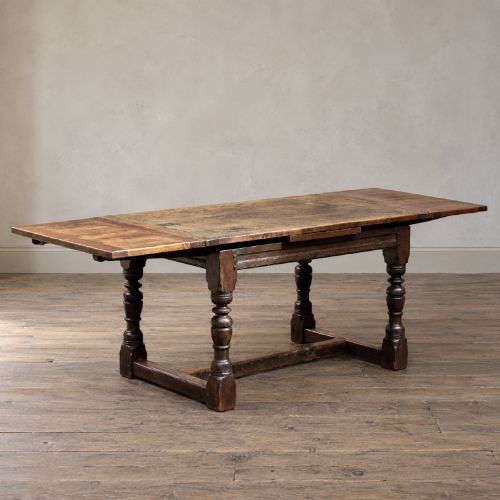
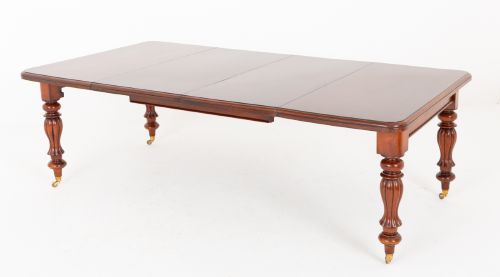
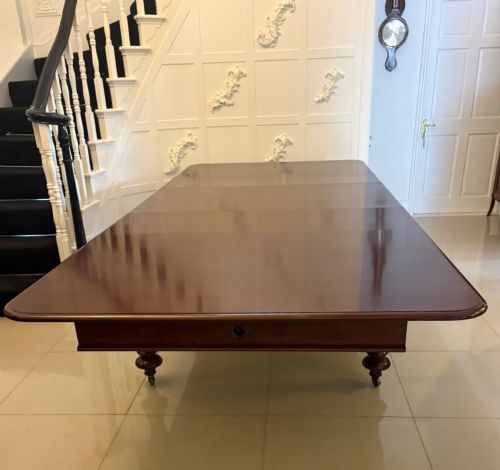
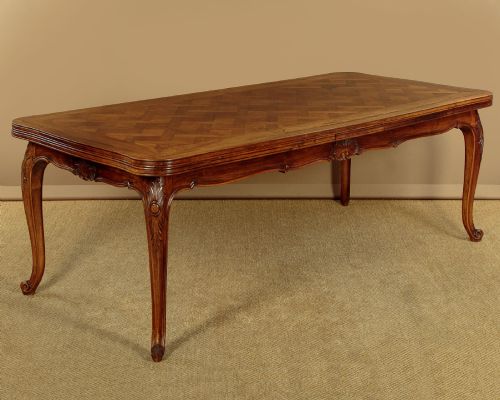
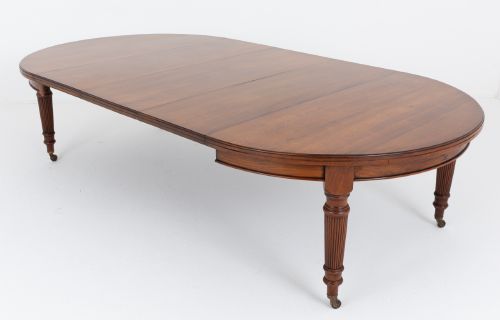
A wooden extending table provides surface area that adjusts through ingenious mechanisms like draw leaves, drop leaves, or removable centre leaves. These pieces emerge primarily from the nineteenth and early twentieth centuries, spanning styles from Regency and Victorian to Edwardian and rustic farmhouse.
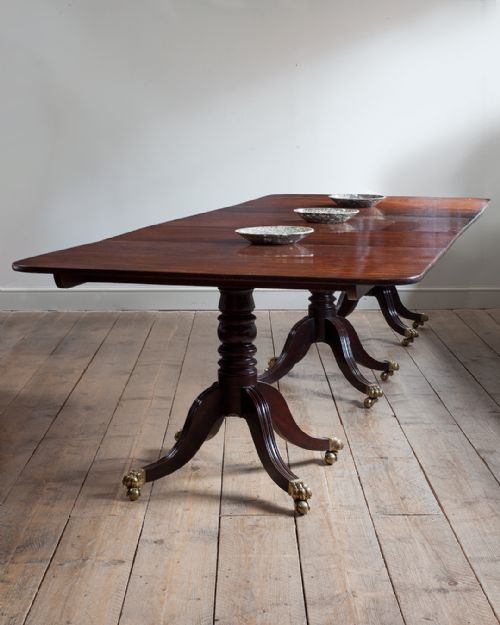
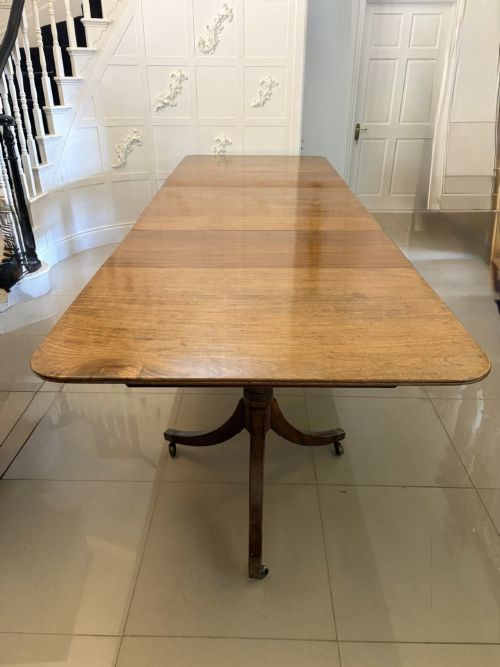
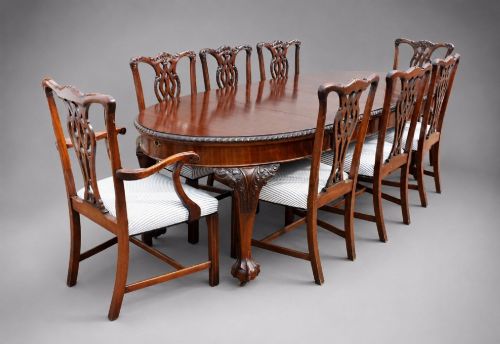
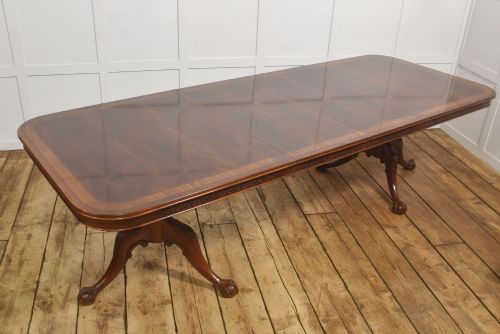
The materials range widely across the inventory, with mahogany dominating alongside sturdy oak, warm walnut, and occasional fruitwood or cherry. Tables appear in various scales, from compact twin-pillar formats to grand multi-pedestal designs seating over twenty guests.
Materials and construction
Cabinet makers utilised dense hardwoods such as mahogany and oak to ensure structural integrity across expanding joints and heavy leaf systems. Figured veneers, satinwood banding, and brass fittings frequently accentuate the primary timber surfaces.
Mechanical ingenuity defines these tables, employing draw leaf mechanisms, pedestal bases, and folding gateleg actions that allow smooth transitions without compromising stability.
Some tables stretch long enough to host a small village feast, proving our ancestors took hospitality quite seriously.
Gradations of craftsmanship
Distinction lies in the selection of timber figure, such as richly grained figured mahogany or burr walnut, and the precision of the extension mechanism. Superior examples integrate leaves seamlessly into the overall design, maintaining stability and alignment across multiple pillars or leaves.
Fine joinery, hand-carved details, and original brass hardware elevate certain pieces, whereas utilitarian examples focus strictly on domestic function using plain oak or fruitwood.
Maple & Co·Whytock & Reid·F & J Smith
The Wooden Extending Table Glossary
- Draw leaf
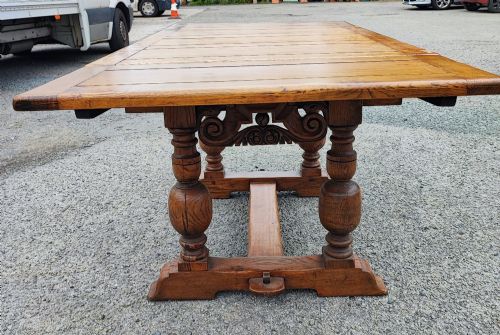
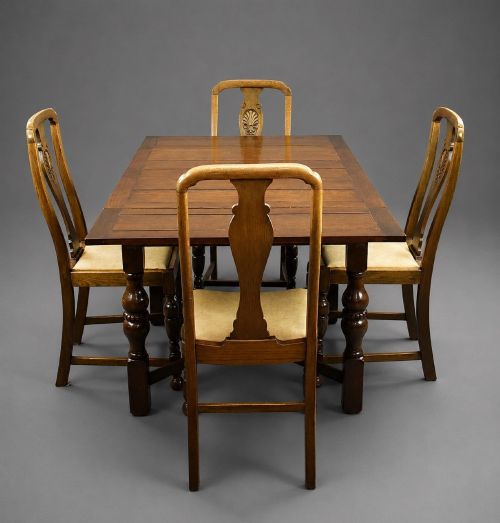
- A table fitted with internal leaves that pull out from beneath the main top to extend the surface area. This mechanism appeared frequently in oak refectory and provincial dining tables.
- Pedestal base
- A central column or cluster of columns supporting the table top, often fitted with reeded legs and brass castors. Multi-pedestal formats allow grand tables to maintain stability.
- Drop leaf
- A table top featuring hinged flaps on the sides that fold down when not in use. This clever design saves space in smaller rooms.
- Refectory table
- A long, narrow dining table traditionally built with solid timber and sturdy stretcher bases. These forms often incorporate pull-out extensions for modern adaptability.
- Reeded legs
- Pillar legs carved with parallel convex mouldings that provide a classical decorative finish. This detail is typical of Regency dining tables.
Wooden Extending Table: Frequently Asked Questions
How do draw leaf tables operate?
Draw leaf tables utilise hidden extension leaves stored directly beneath the main surface. Operators simply pull the ends outward, causing the central or end leaves to rise into place.
This system allows quick adjustment without requiring separate storage space for loose leaves.
How do I care for antique wood surfaces?
Antique timber requires gentle maintenance using natural wax polishes rather than modern silicone sprays. Keeping tables away from direct heat sources prevents the wood from drying and splitting.
Using coasters and placemats protects the polished finish from moisture and heat marks.
Can I seat extra guests comfortably?
Extending tables specifically cater to fluctuating guest numbers through removable leaves or folding mechanisms. Inserting leaves transforms a compact daily table into a large dining surface.
Checking the maximum extended length and leg clearance ensures adequate seating space.