



Medallion Wool Carpet
A medallion wool carpet brings centuries of regional weaving traditions into a room, offering distinct patterns shaped by Persian, Caucasian and Anatolian makers.
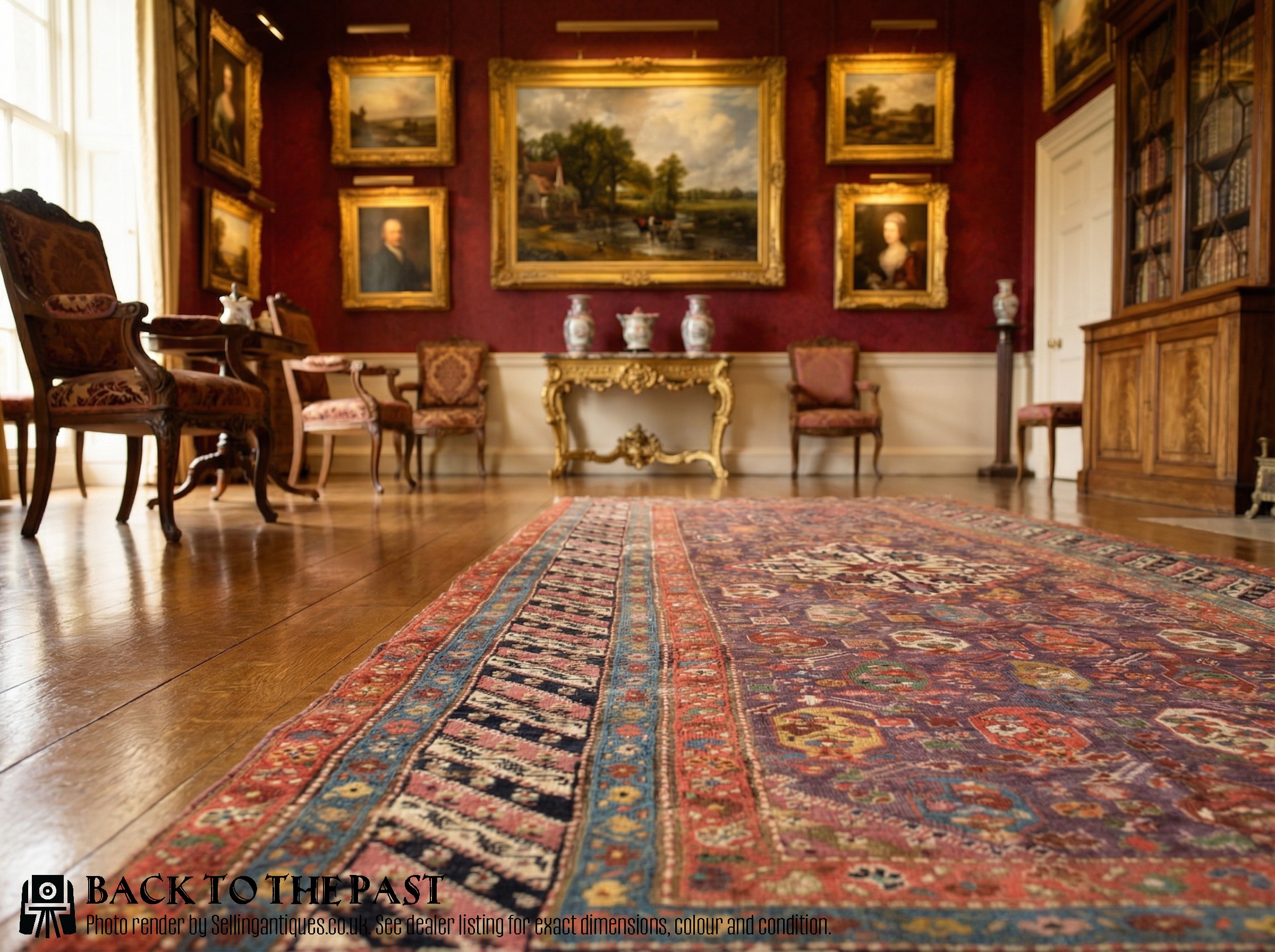
Medallion Wool Carpet
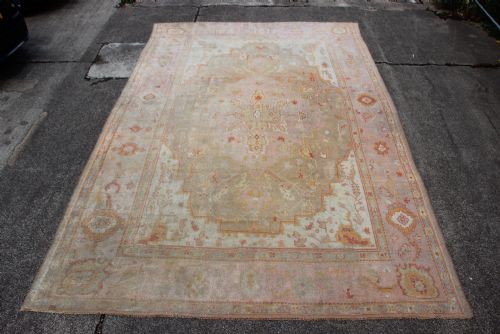
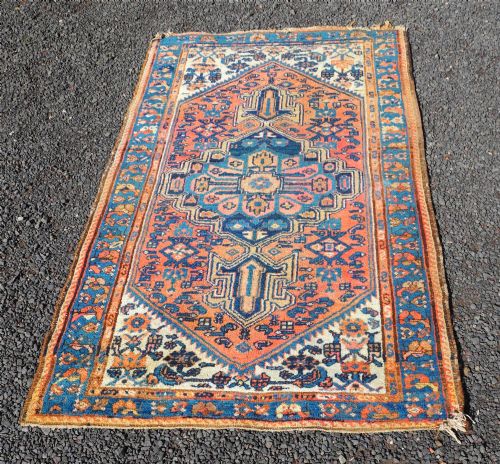
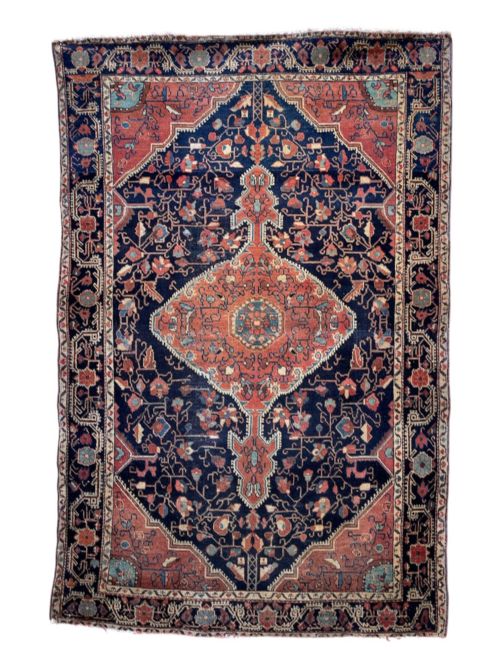
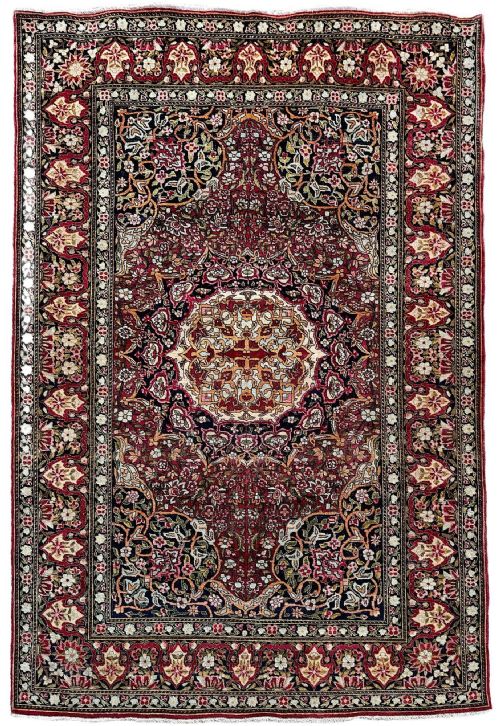
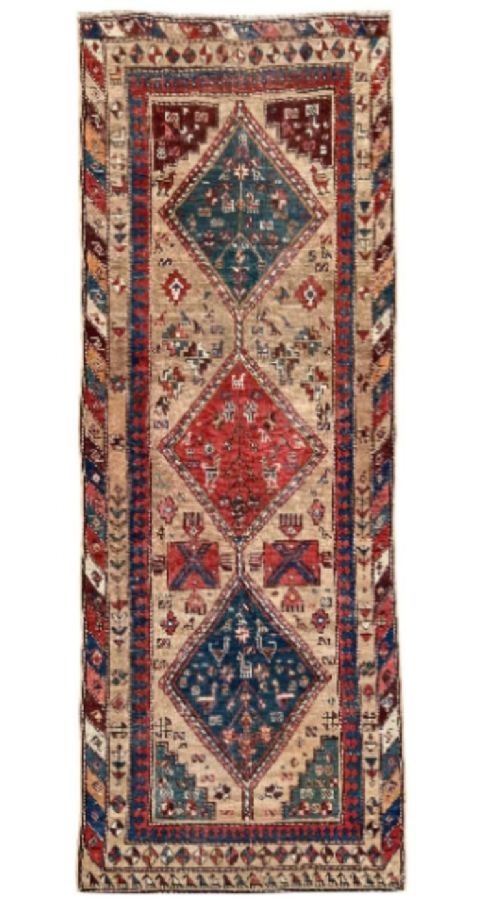
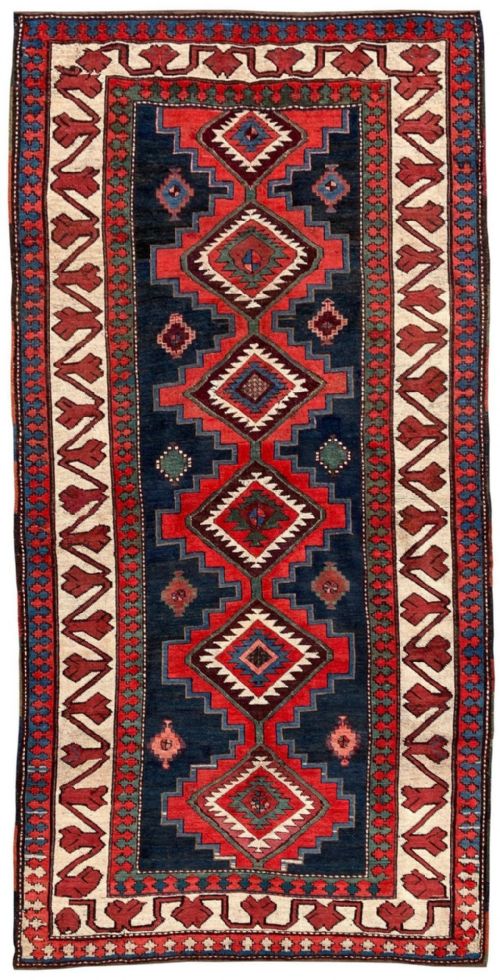
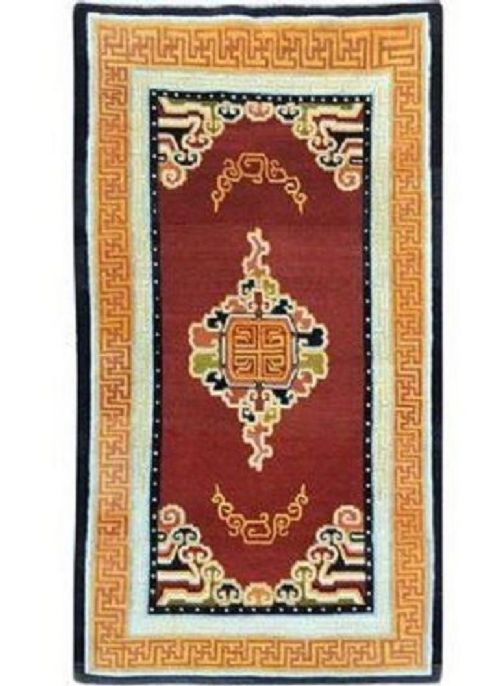
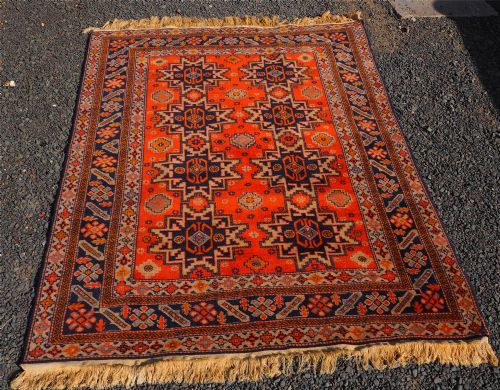
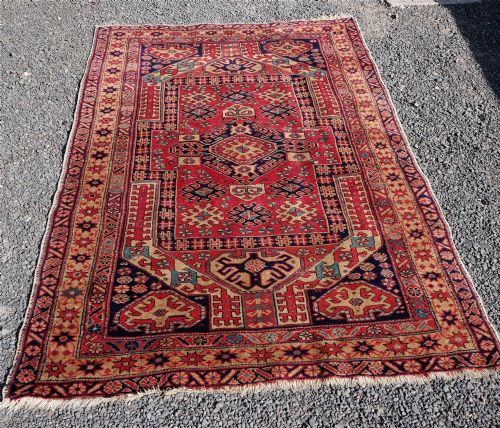
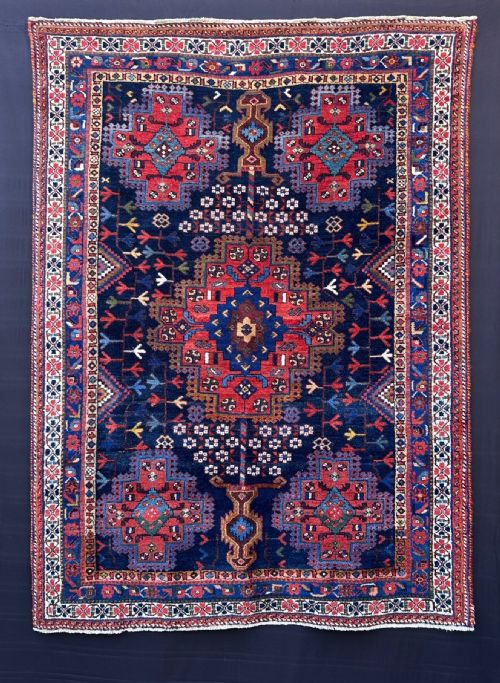
Makers utilised various regional styles, including Heriz, Kazak, Oushak, and Khamseh designs, executed as area rugs, runners, and large carpets. The most frequent examples encountered on this page date from the late nineteenth century through to the 1930s.
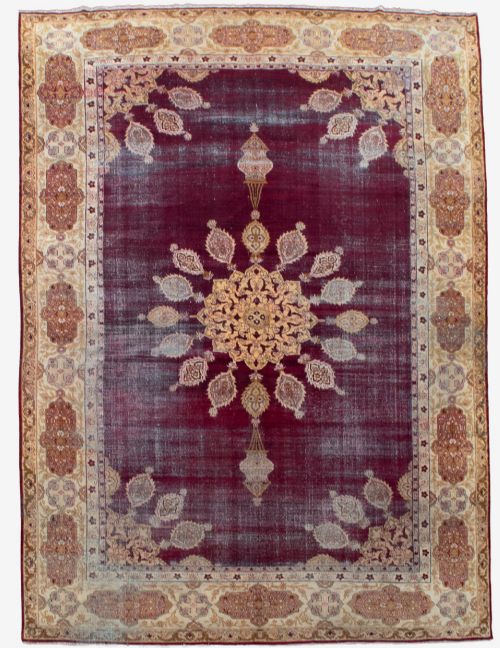
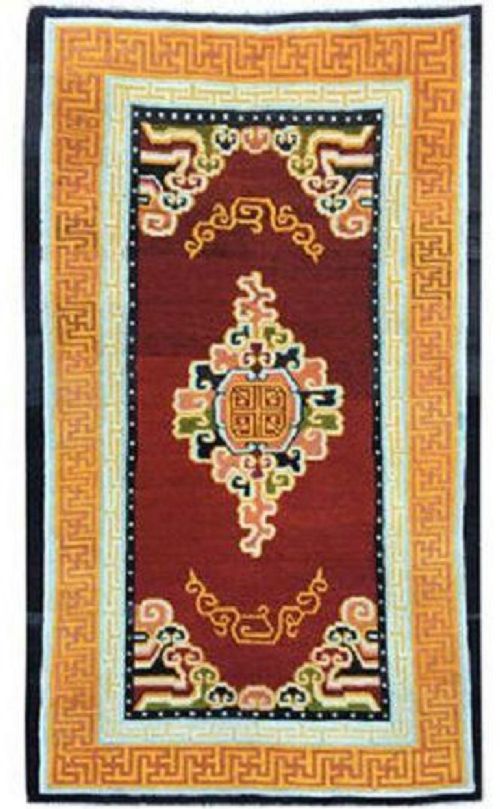
The characteristic central field design anchors the composition, whether rendered with geometric village motifs or intricate curvilinear floral arrangements. Each piece reflects the specific weaving heritage of its origin, from tribal workshops to established provincial centres.
Materials and construction techniques
Construction relies primarily on wool piles hand-knotted onto foundation warps, with cotton frequently utilised for structural support in Persian and Turkish village pieces. Certain examples incorporate camel wool fields or silk highlights to add texture and catch the light across the design.
Weavers employed traditional hand-weaving methods passed down through generations, using natural dyes derived from plants and minerals to colour the wool yarns. The density of the knotting and the preparation of the fibres determine the durability and weight of each individual runner or carpet.
Medallion Wool Carpet Retail Price Guide 2026
Typical asking prices for medallion wool carpet among the pieces listed under this phrase on Sellingantiques today, from the lower quarter to the upper quarter. They describe what is for sale here now, not the wider market.
Listings feature pieces spanning from the mid-nineteenth century through to the 1930s, incorporating wool, cotton, silk, and camel wool.
Factors determining quality
The standard of a carpet depends on the precision of the knotting, the balance of the composition, and the depth achieved by the dye palette. Finer examples display crisp delineation within the central medallion and harmonious transitions across the border guards.
The integrity of the wool foundation and the preservation of the original edges and fringe areas dictate the structural soundness of older pieces. Superior materials, such as lustrous wool or well-prepared silk highlights, retain their visual impact and handle more fluidly.
The Medallion Wool Carpet Glossary
- Medallion
- The central ornamental motif or design focal point positioned in the middle of the carpet field. This element often dictates the symmetrical arrangement of the surrounding patterns.
- Kelleh
- A long, narrow format carpet traditionally proportioned for specific room dimensions. These pieces offer extended rectangular fields flanked by detailed borders.
- Warp
- The vertical foundation threads stretched lengthwise on the loom onto which the knots are tied. The visibility and tension of these threads contribute to the rug's structural integrity.
- Kilim
- A flat-woven carpet or rug produced without a pile by tightly interweaving warp and weft strands. These pieces present a smooth, durable surface with distinct geometric designs.
Medallion Wool Carpet: Frequently Asked Questions
How do I clean an antique wool carpet?
Professional specialist cleaning is essential for older wool textiles to prevent dye migration and fibre damage. Regular gentle vacuuming without a beater bar removes surface dust safely between washes.
Avoid using domestic cleaning agents or excessive water on the pile, as these treatments weaken natural dyes and foundational threads. Consult a conservator for specific maintenance advice tailored to the age of the piece.
Where were these carpets originally made?
Production centres span traditional weaving regions including Persia, the Caucasus, and Anatolia. Village communities and nomadic confederacies each developed distinct regional designs and colour palettes.
Specific towns and provinces, such as Heriz, Saroukh, and Oushak, became renowned for their characteristic medallion formats and superior knotting techniques.
Are these carpets suitable for heavy foot traffic?
Durable wool piles and sturdy cotton foundations allow many traditional rugs to withstand daily use in domestic spaces. Placed with an appropriate underlay, they maintain their structural stability in hallways and living rooms.
Fine or delicate examples with silk highlights or fragile foundations benefit from placement in lower-traffic areas to preserve their condition.