


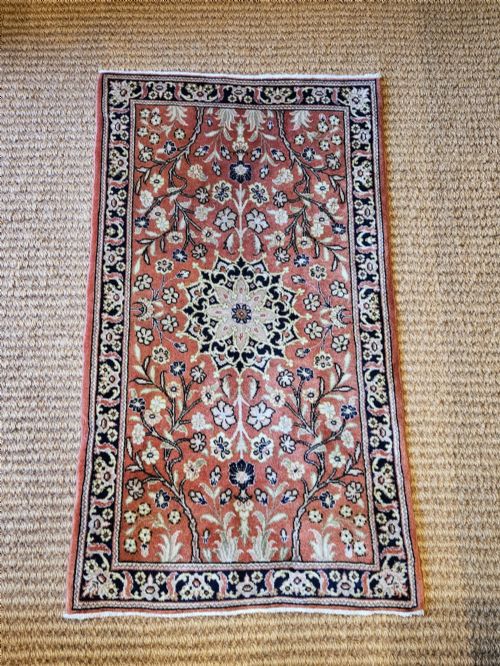
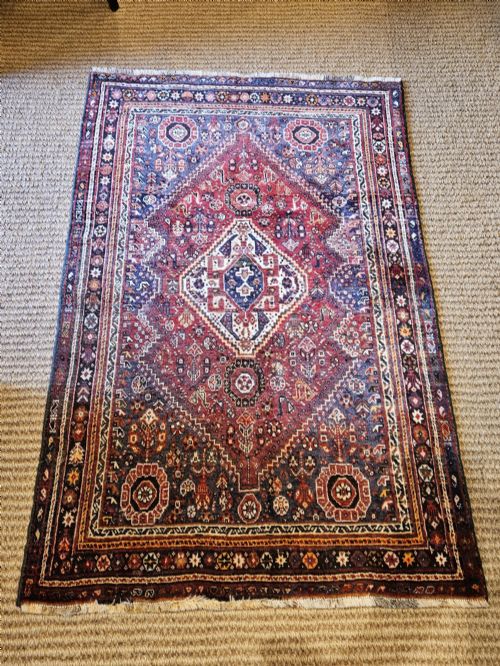
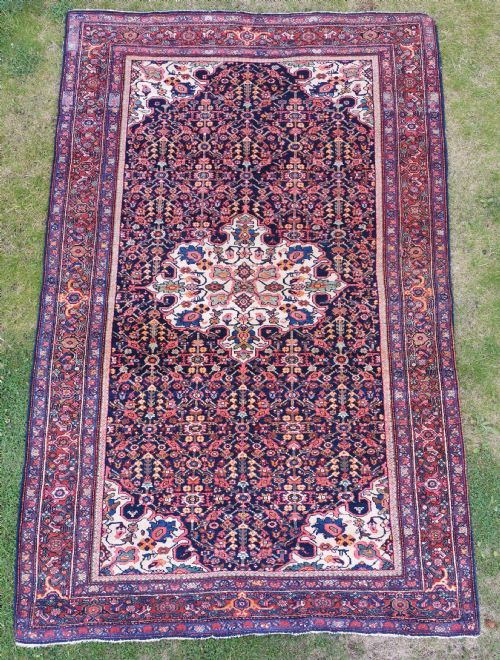
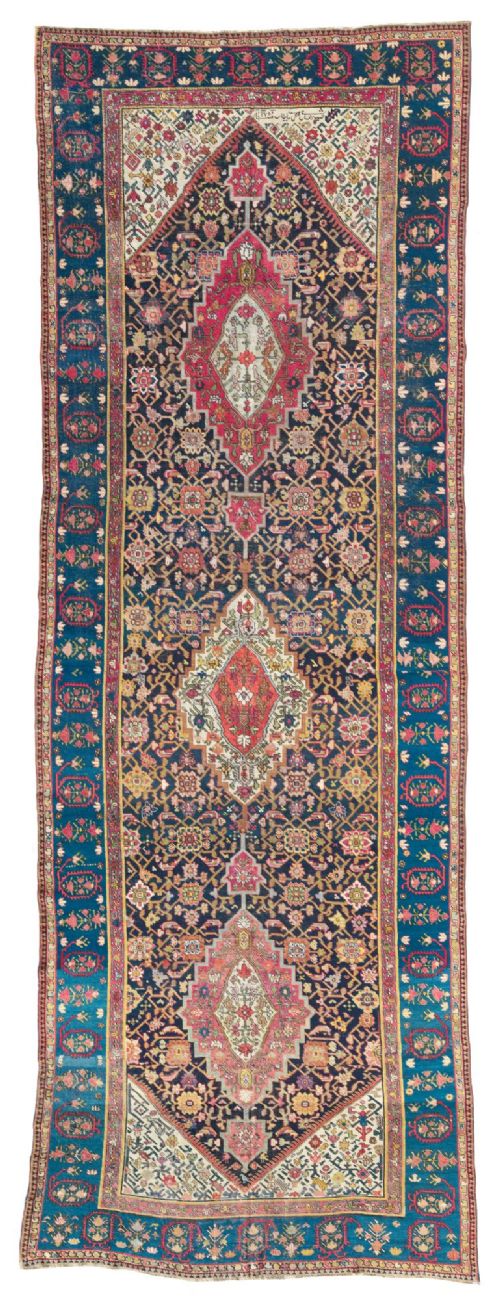
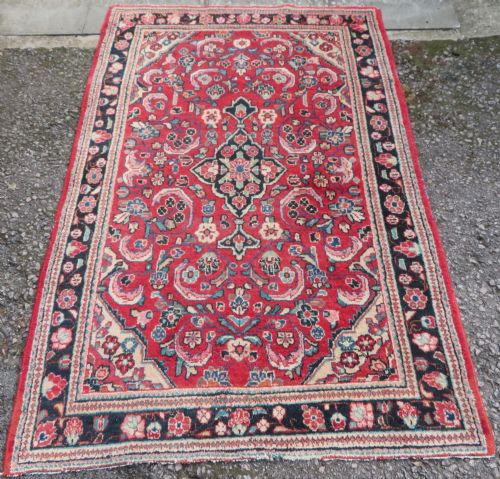
Medallion Persian Rug
A medallion persian rug anchors a room with centuries of woven tradition, offering deep historical character and intricate geometric symmetry.
Medallion Persian Rug
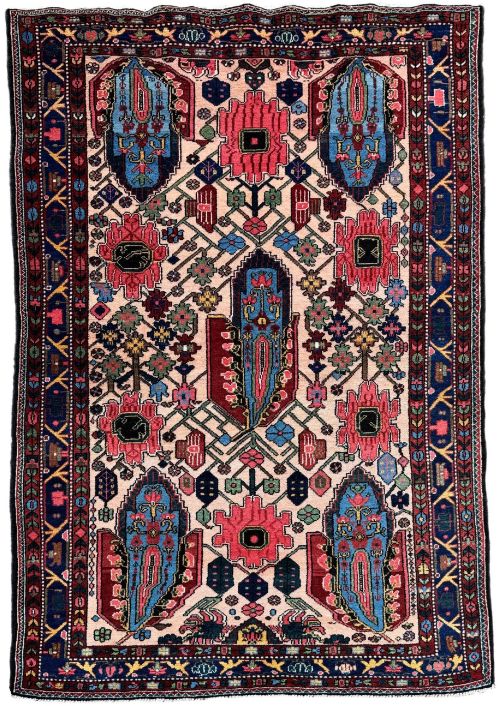
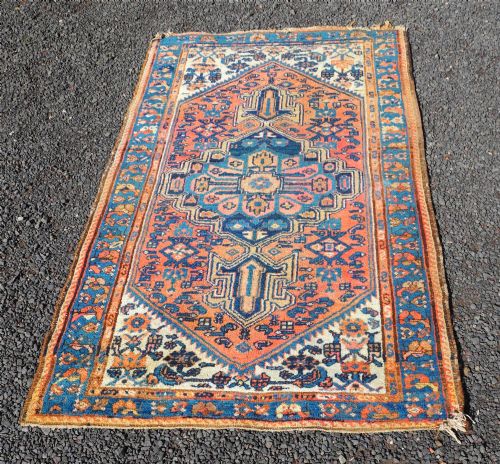
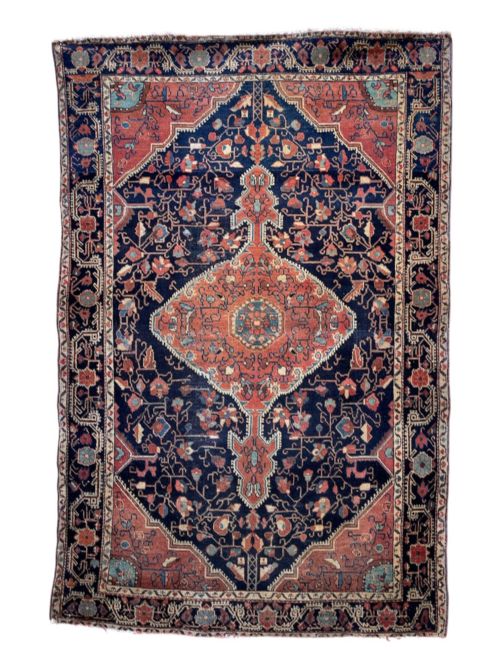
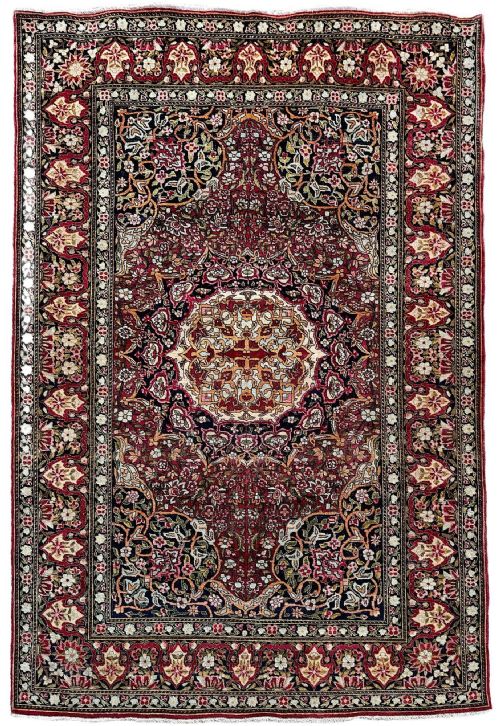
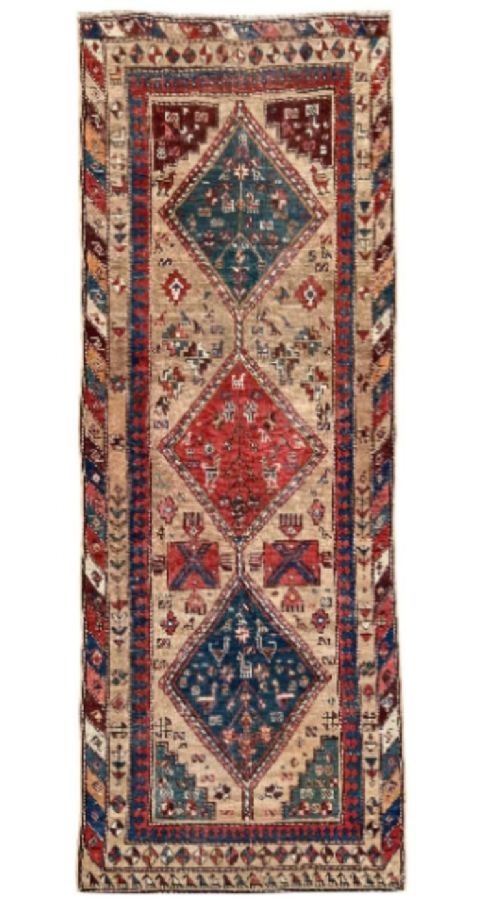
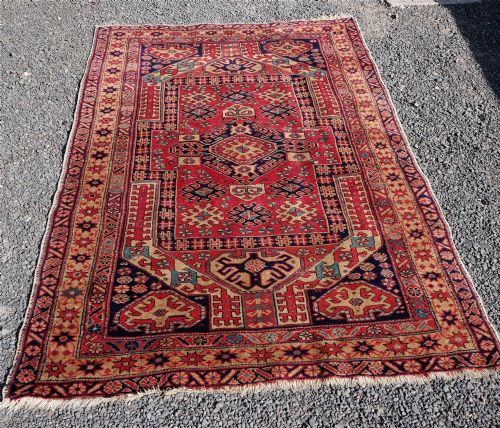
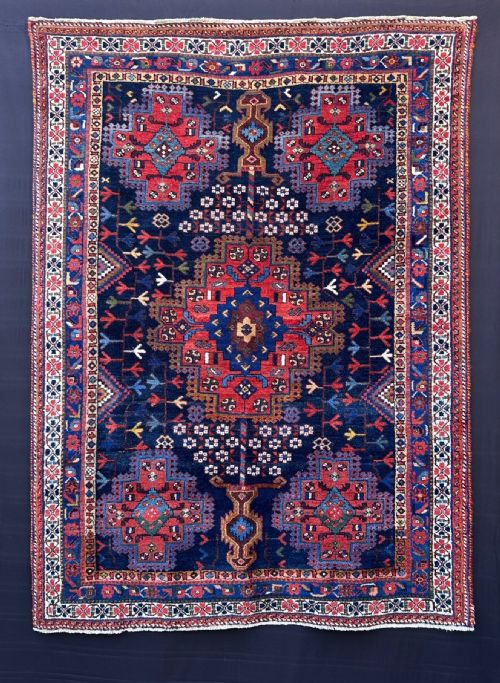
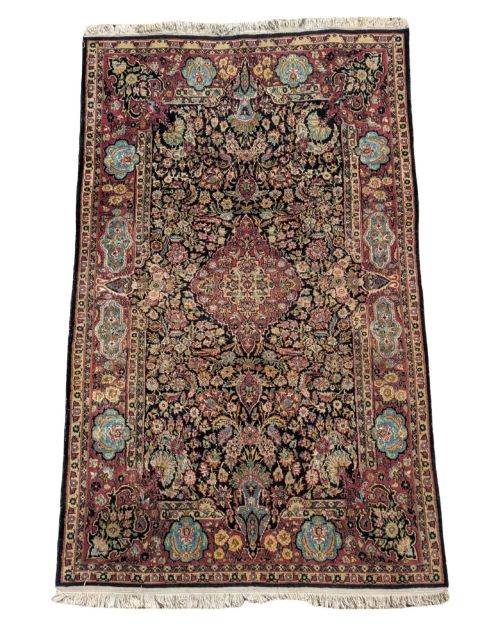
A medallion persian rug centres its composition around a distinct central ornament, a design tradition deeply rooted in village and tribal weaving across Iran. These pieces emerge from specific regional centres including BakhtIari, Hamadan, Sarouk, Malayer, Isfahan, Heriz, Khamseh, and Qashqai.
The inventory demonstrates a strong representation of South West Persian tribal output, alongside northwestern village and town workshops. Buyers frequently encounter formats ranging from smaller area rugs to roomsize carpets featuring single, triple, or linked medallion layouts.
The aesthetic vocabulary bridges structured urban compositions and expressive tribal motifs, incorporating floral elements, ivory grounds, and butterflies alongside the principal medallion. Dating spans from the late nineteenth century through to the 1940s.
Materials and Construction
Weavers constructed these rugs using wool for the pile and cotton for the foundations, ensuring a durable structure that withstands generations of use.
Manual knotting techniques executed by skilled artisans in workshops, villages, and tribal camps created the dense pile and intricate graphic detail seen across the archived and current pieces.
Medallion Persian Rug Retail Price Guide 2026
Typical asking prices for medallion persian rug among the pieces listed under this phrase on Sellingantiques today, from the lower quarter to the upper quarter. They describe what is for sale here now, not the wider market.
Defining Quality in Woven Medallions
Quality rests upon the precision of the knotting and the crispness of the medallion geometry, where tighter execution yields sharper lines and greater durability. The sophistication of the regional design, from simple tribal repeats to complex Heratti patterns, dictates the visual depth of the piece.
The choice of wool and the depth of the palette elevate certain examples, with vibrant or harmonious natural tones distinguishing superior village and tribal weaving from more ordinary production.
BakhtIari village weavers·Sarouk production·Malayer weavers·Isfahan workshops·Heriz carpet weavers·Khamseh tribal weavers·Qashqai weavers
The Medallion Persian Rug Glossary
- Medallion
- A central ornamental design motif placed in the field of the rug. It serves as the primary focal point of the composition.
- Heratti
- A repeating floral trellis pattern enclosing a central rosette flanked by leaves. This classic motif frequently accompanies medallion designs in northwestern Persian weaving.
- Pile
- The raised surface of the rug formed by the ends of knotted yarn. Wool is the predominant material utilised for this upper layer.
- Foundation
- The underlying grid of warp and weft threads that supports the pile. Cotton is standard for this structural base in the recorded pieces.
- Tribal
- Pertaining to nomadic or semi-nomadic groups producing rugs from memory and local tradition. These pieces often display expressive geometry and regional character.
Medallion Persian Rug: Frequently Asked Questions
How do I identify a tribal medallion rug?
Tribal examples display characteristic geometric freedom, often featuring triple or linked medallions with stylised motifs rooted in regional weaving traditions.
These pieces originate from nomadic or village groups in regions such as Shiraz and the south-west, differing from the formal precision of city workshops.
What materials were used in these rugs?
The recorded pieces utilise wool for the soft, durable pile surface and cotton for the underlying structural foundation threads.
This combination provided both the necessary tensile strength for the warp and weft and the receptive texture for dyed wool knotting.
How do I care for an antique rug?
Protect the wool pile by vacuuming gently without a rotating brush roll and keeping the textile away from direct, prolonged sunlight.
Professional cleaning tailored to antique textiles ensures the cotton foundation and wool fibres remain stable over decades of daily life.
When were these medallion rugs made?
The pieces span from the late nineteenth century through the 1910s and 1920s, extending into examples dated to 1940.
Earlier nineteenth-century works reflect traditional tribal output, while subsequent decades show continued village and regional production across Persia.