



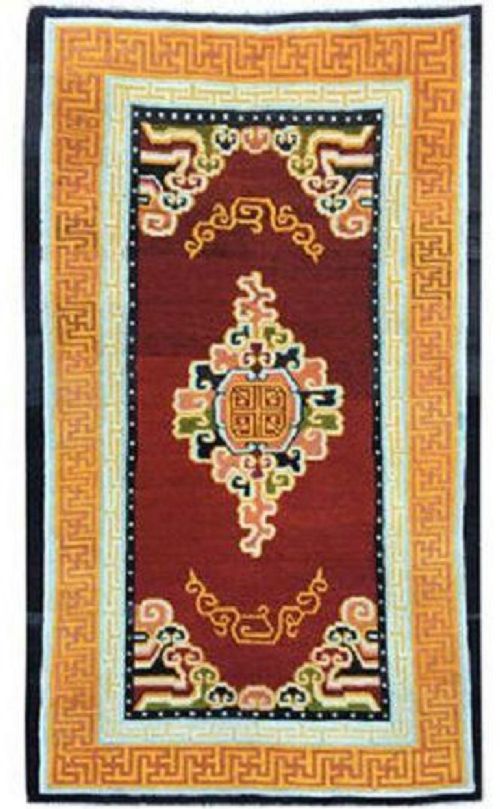
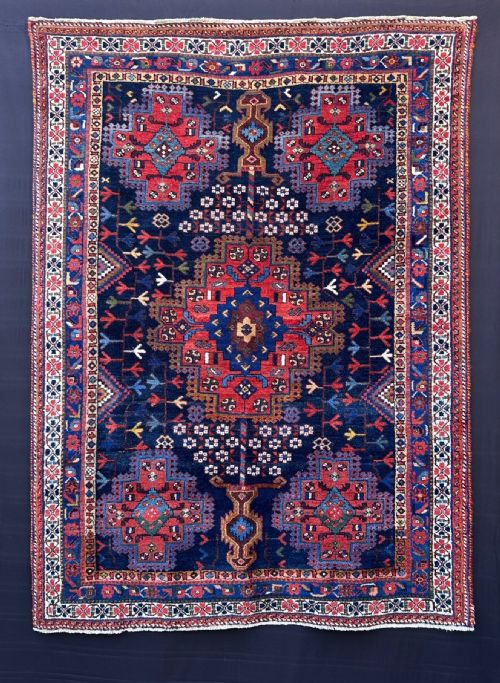
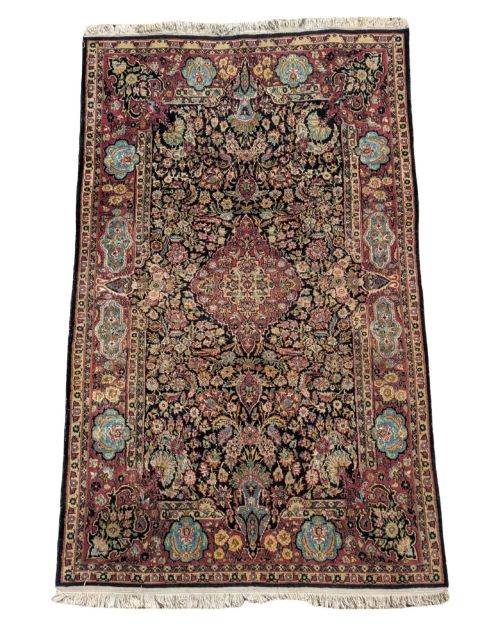
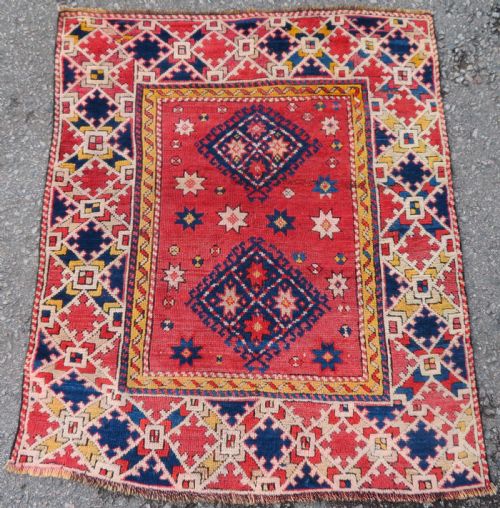
Medallion Area Rug
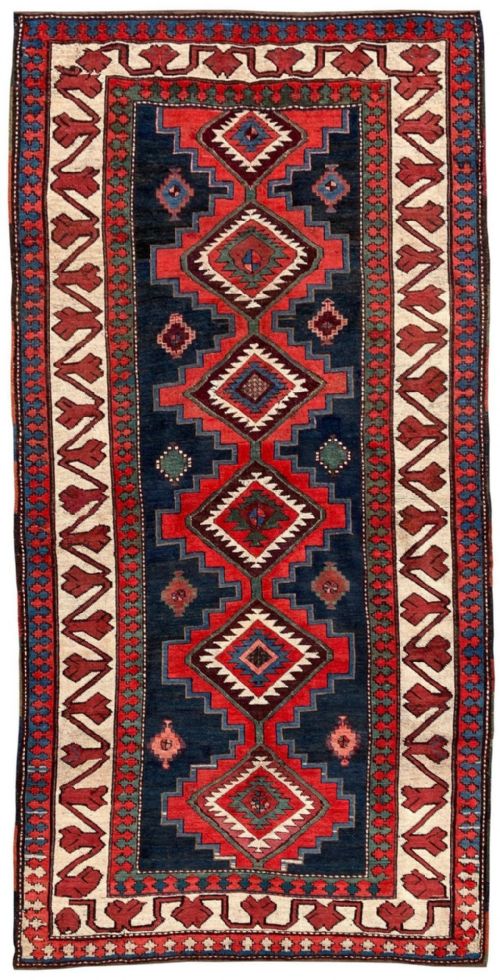
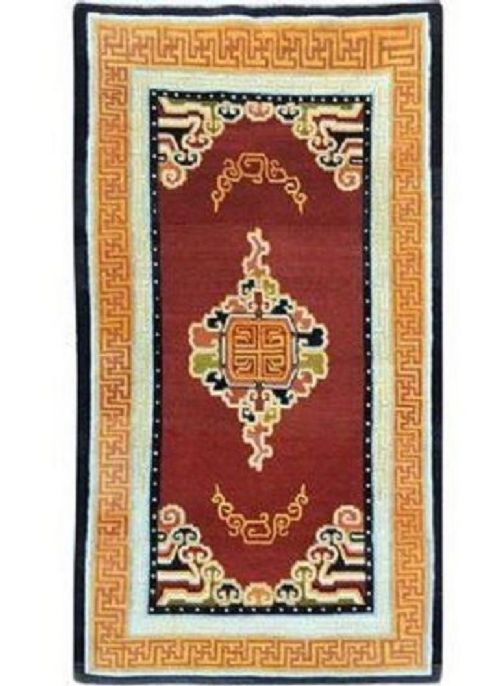
These medallion area rug examples are woven floor coverings featuring central motifs, prized for grounding a room with traditional pattern.
Medallion Area Rug
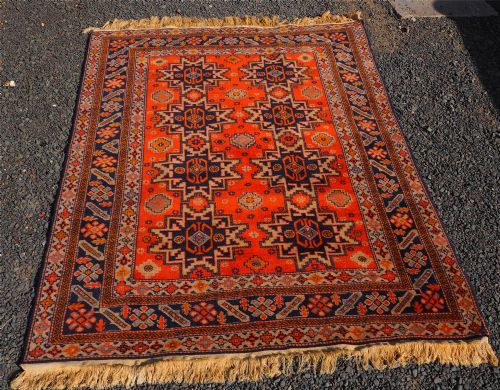
A medallion area rug brings traditional floor covering design into domestic spaces through distinct central motifs. The pieces available range across styles such as Persian and Anatolian, reflecting diverse regional weaving traditions.
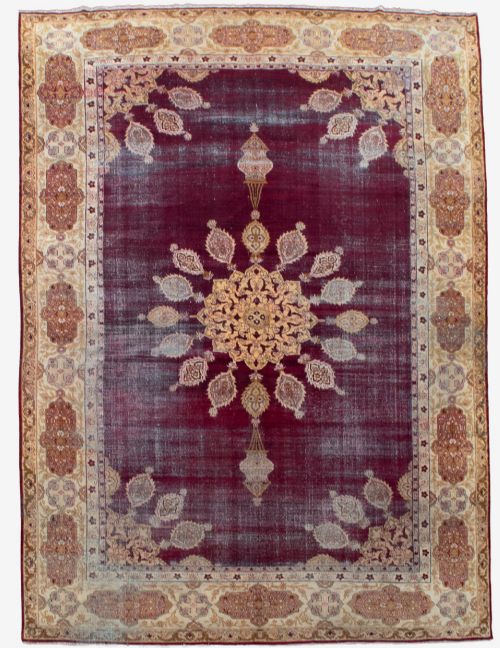
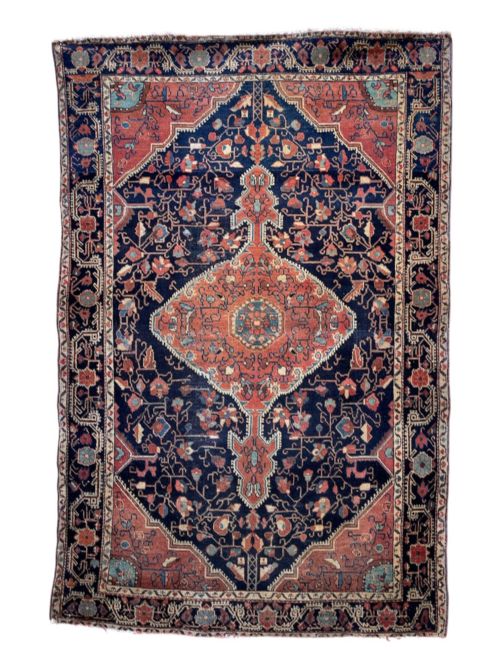
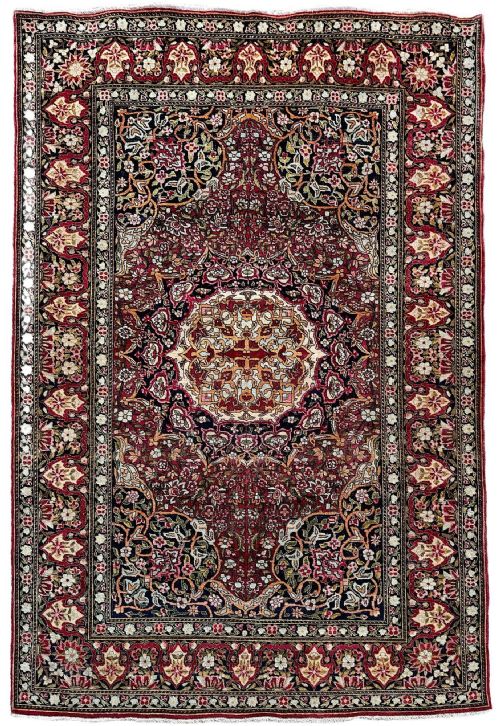
Production dates span from the late nineteenth century through to the interwar period, specifically covering the 1870s, 1880s, 1890s, 1920, and 1930. Forms include both rugs and larger carpets featuring classic floral designs and medallion layouts on grounds of varying colours.
Buyers encounter formats that originate from specific weaving centres like Tabriz, Farahan, Isparta, and Senneh. Each piece demonstrates the characteristic aesthetic choices of its particular period and region of origin.
How they were made
The construction of these floor coverings relies primarily on wool and cotton materials. Weavers utilised these textiles to build durable foundations and soft pile surfaces.
The combination of wool pile upon cotton foundations provides both structural stability and rich texture. Artisans employed traditional knotting and weaving techniques passed down through generations.
Medallion Area Rug Retail Price Guide 2026
Typical asking prices for medallion area rug among the pieces listed under this phrase on Sellingantiques today, from the lower quarter to the upper quarter. They describe what is for sale here now, not the wider market.
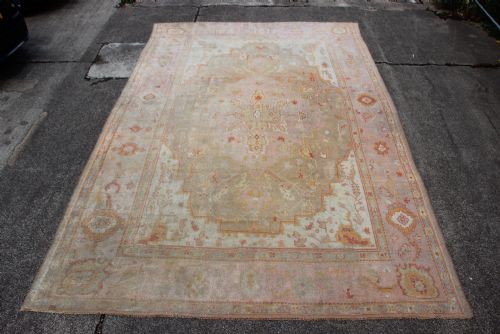
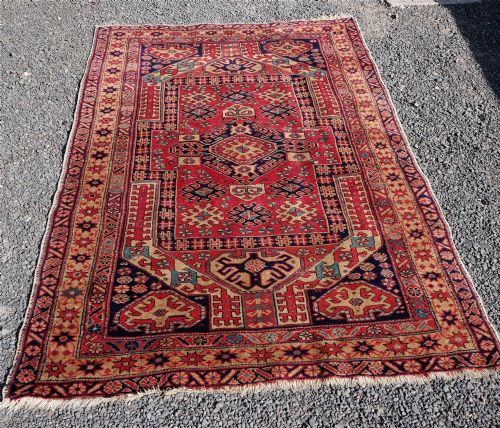
Light red grounds paired with pastel colours bring a surprisingly gentle warmth to early twentieth century Turkish Isparta carpets.
What varies in quality
Quality differences lie in the precision of the weave and the clarity of the central medallion design. Finer examples display meticulous execution in floral details and harmonious colour palettes.
The handling of wool and cotton foundation materials dictates the overall longevity and tactile appeal of each piece. Superior execution results in balanced proportions and resilient structure across the entire field.
The Medallion Area Rug Glossary
- Medallion
- A distinct central ornamental motif placed in the middle of the field. This design element serves as the focal point of the composition.
- Ground
- The background colour or surface field surrounding the central medallion and secondary patterns. It establishes the primary visual tone of the piece.
- Pile
- The upright yarn loops or cut ends that form the soft surface of the rug. This layer absorbs wear and displays the woven design.
- Foundation
- The underlying grid of warp and weft threads that supports the pile. Cotton is commonly utilised for this structural framework.
Medallion Area Rug: Frequently Asked Questions
What is a medallion area rug?
A medallion area rug is a woven floor covering defined by a prominent central design motif. These pieces incorporate traditional patterns originating from Persian and Anatolian weaving traditions.
Such textiles bring historical character and structured pattern to interior spaces. They combine wool and cotton materials to create decorative and functional floor coverings.
How do I date these rugs?
Dating relies on stylistic indicators, structural materials, and documented regional traditions from periods like the late nineteenth and early twentieth centuries. Specific design characteristics help distinguish pieces from the 1870s through to the 1930s.
Examining the weave density and colour palette provides further clues regarding age. Comparing individual pieces to established examples from centres like Tabriz or Senneh aids accurate attribution.
How should I care for wool rugs?
Wool rugs require gentle maintenance to preserve the integrity of the natural fibres and pile. Regular vacuuming without a rotating brush prevents dirt accumulation.
Professional cleaning ensures the wool and cotton materials remain undamaged over time. Placing rugs out of harsh direct sunlight helps maintain the original pastel and rich colours.
Where were these rugs made?
These textiles originate from historic weaving regions in Persia and Turkey, including specific towns and cities. Locations such as Tabriz, Farahan, Isparta, and Senneh produced distinct regional styles.
Local workshops utilised native materials and traditional techniques characteristic of their geographic area. These regional differences create the varied aesthetic seen across surviving examples.