
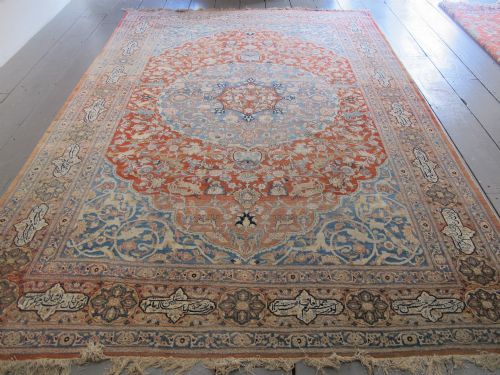


Persian Tabriz Rug
When you search for a persian tabriz rug, you enter a tradition of North-West Persian weaving that spans centuries of intricate knotting.
Persian Tabriz Rug
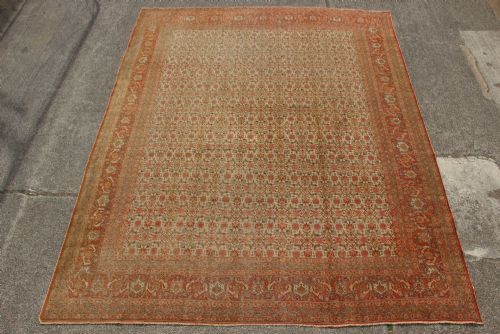
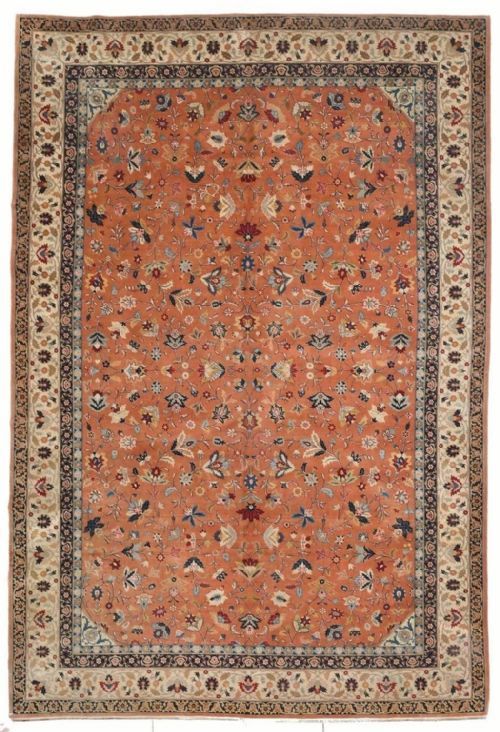
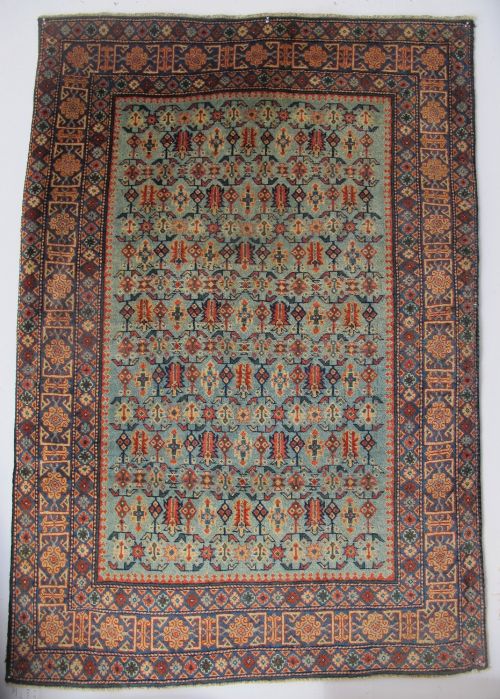
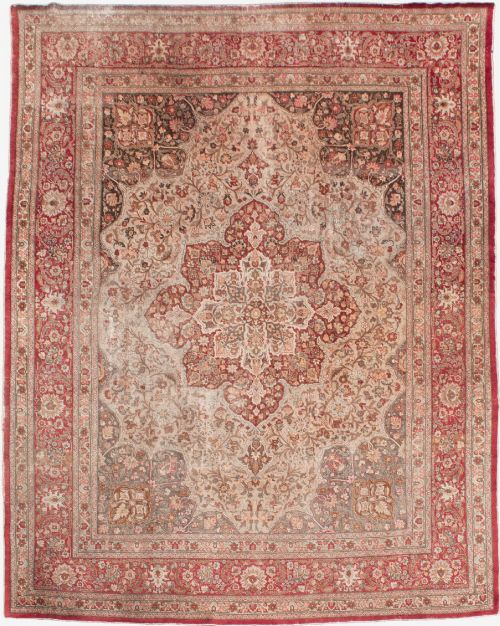
A persian tabriz rug originates from the historic weaving centre of Tabriz in North-West Persia, taking forms that range from intimate scatter rugs to grand country house carpets. These floor coverings display traditional Persian motifs, including classic floral patterns and all-over Herati designs, created in various dimensions.
The pieces available here lean heavily toward pieces from the late nineteenth and early twentieth centuries, particularly around the 1900 to 1930 period. Buyers will encounter both room-sized examples and smaller village rugs originating from the wider Tabriz region.
Older specimens stretch back through the nineteenth century into the eighteenth century, demonstrating deep historical roots in Persian Safavid and Qajar traditions. These carpets serve both decorative and functional roles in interior spaces.
Materials and Construction
Weavers constructed these carpets using natural materials such as wool, cotton, and occasionally silk. Wool provides the durable pile for standard floor use, whilst cotton frequently forms the sturdy foundation warp and weft threads.
Certain finer pieces incorporate silk elements or entire silk piles, yielding a lighter handle and reflective sheen. The combination of these textiles dictates the structural weight and drape of each rug.
Several carpets depict complex hunting scenes woven entirely by hand from wool and cotton.
Assessing Quality
The refinement of a piece relies upon the density of the weave and the precision of the design execution. Superior examples display crisp botanical or geometric drawing within the borders and fields.
Palette choice also distinguishes the output, with certain workshops employing soft pastel colours or balanced natural dyes that enhance the visual depth. The handling of specialised formats, such as hunting designs or prayer layouts, demonstrates the weaver's mastery.
Haji Jalili·Benlian
The Persian Tabriz Rug Glossary
- Herati
- A repeating floral motif composed of a central rosette surrounded by four acanthus leaves. This pattern forms a continuous lattice across the field of many Persian carpets.
- Warp
- The vertical foundation threads stretched tightly on the loom before knotting begins. Cotton or wool yarns serve this purpose.
- Weft
- The horizontal threads passed back and forth across the warp threads after rows of knots. They bind the structure together.
- Prayer Rug
- A smaller format featuring a mihrab or arch design indicating the direction of prayer. These often include architectural columns or hanging lamps.
- Qajar Period
- An era in Persian history spanning from the late eighteenth to the early twentieth century. Many carpets on this page date from this dynastic timeframe.
Persian Tabriz Rug: Frequently Asked Questions
What is a Haji Jalili rug?
A Haji Jalili rug refers to carpets produced by the master weaver Haji Jalili or his workshop in Tabriz during the late nineteenth or early twentieth century. These pieces are recognised by specific colour palettes and fine, distinctive floral compositions.
They often feature muted or pastel tones rather than saturated primary colours, distinguishing them from standard commercial production of the same era.
How do I care for an old carpet?
Protecting a vintage textile involves keeping it out of direct sunlight to prevent dye degradation. Regular gentle vacuuming without a rotating power brush maintains the wool pile.
Professional cleaning tailored for antique oriental rugs should be utilised periodically rather than domestic wet washing methods.
What is a Herati design?
The Herati design is a classic Persian repeating pattern featuring a central flowerhead enclosed by curved leaves. It creates an integrated all-over texture across the central field of the rug.
This motif appears frequently in North-West Persian weaving and provides visual continuity from edge to edge.
Are these carpets made of wool or silk?
The pieces utilise wool, cotton, and occasionally silk in their construction. Wool is the predominant material used for the soft pile, supported by cotton foundations.
Selected examples feature silk highlights or consist entirely of silk, offering a finer texture and subtle lustre.