
Mechanical Wind Up Watch
A mechanical wind up watch brings together traditional craftsmanship and active daily engagement, spanning pocket watches and wristwatches from the Victorian era to the mid-twentieth century.
Mechanical Wind Up Watch
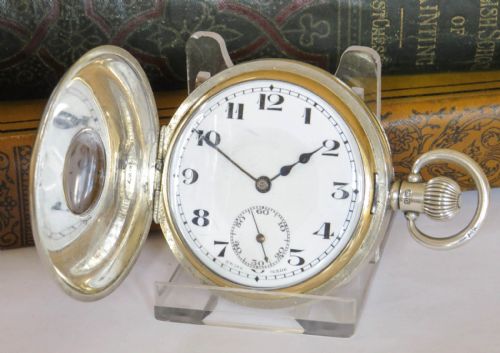
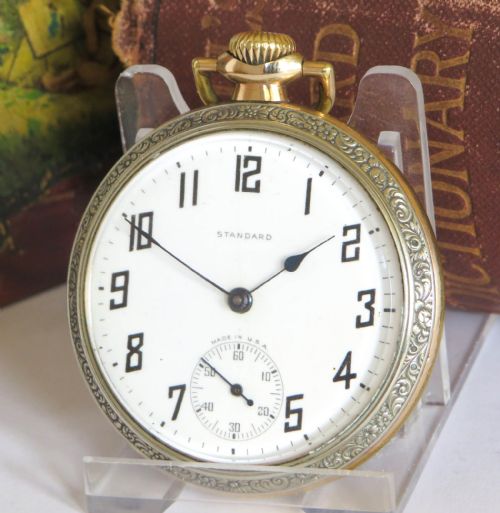
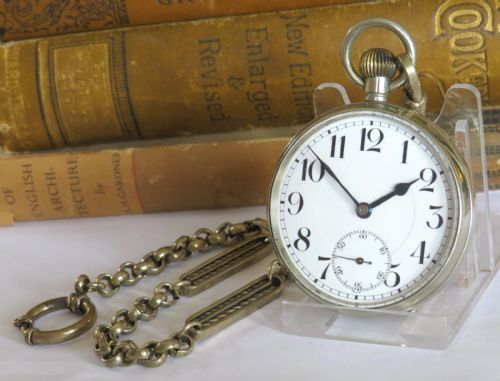
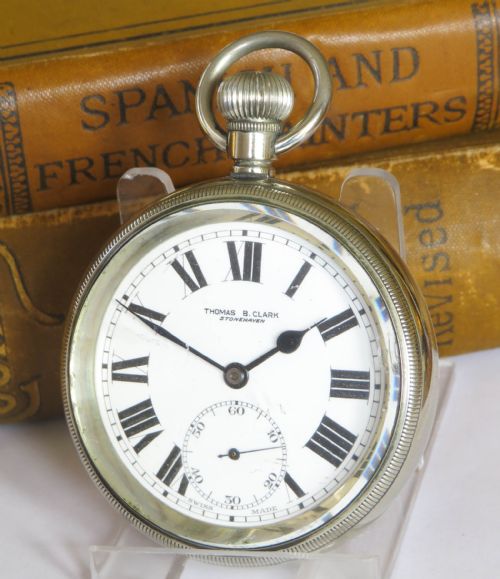
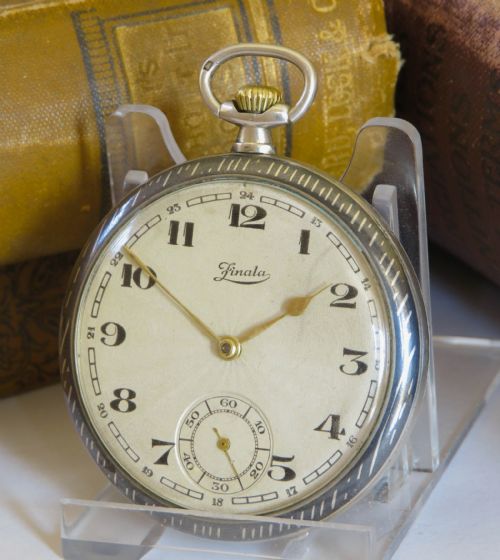
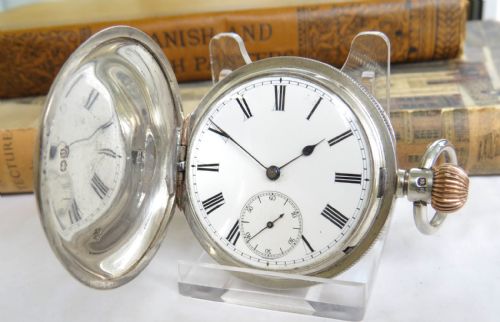
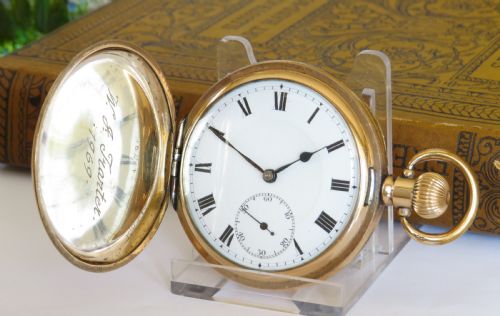
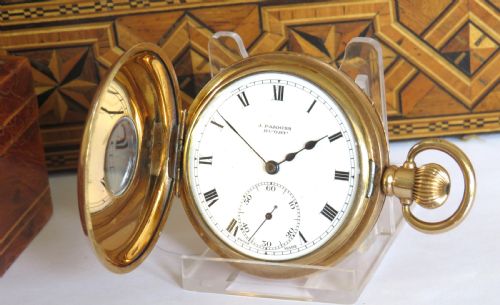
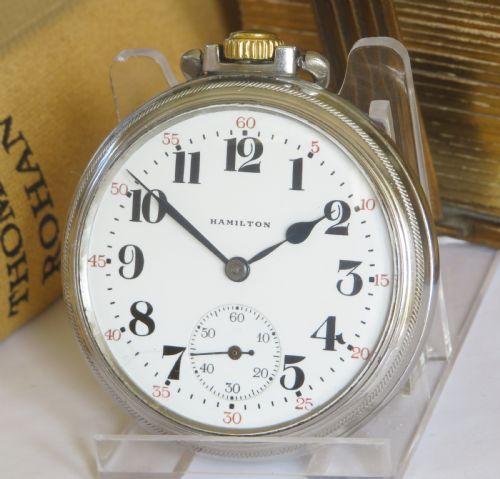
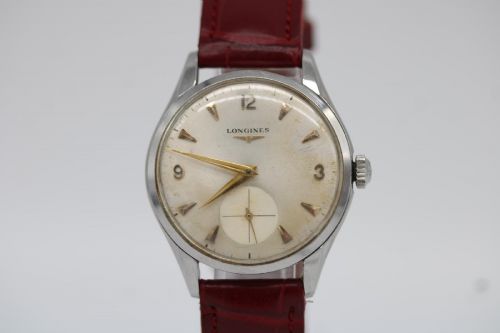
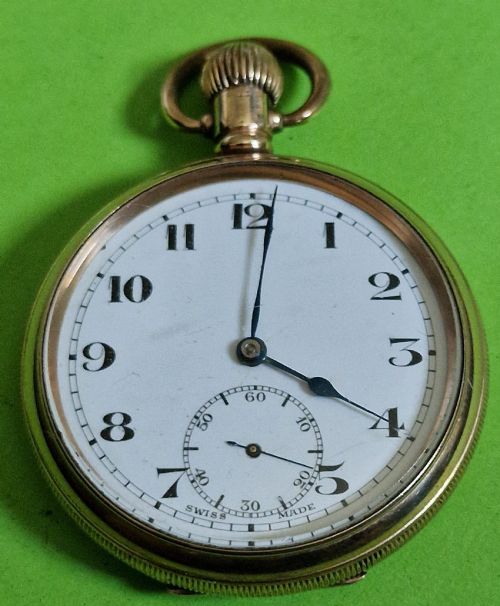
A mechanical wind up watch encompasses both pocket watches and wristwatches produced across the late nineteenth century, the Edwardian period, the 1920s, 1930s, 1940s, 1950s, and 1960s. These timepieces range from plain utility models to decorated hunter and half hunter designs with specialist inscriptions or awards.
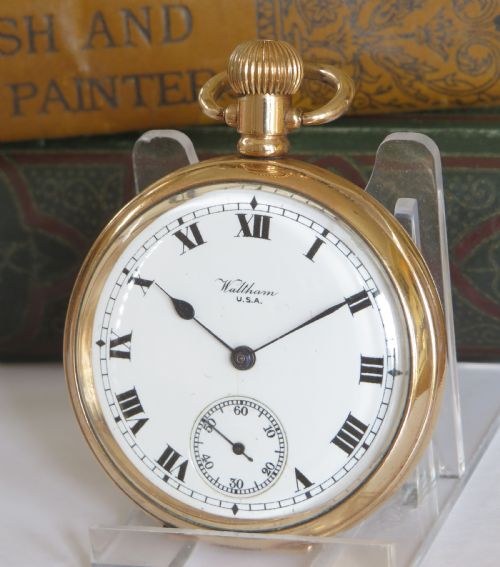
The selections most commonly encountered on this page originate from the 1930s and the 1920s, heavily weighted towards pocket watches alongside mid-century wristwatches. Makers represented include Waltham, Revue, Longines, and Zenith, alongside specialist retailers and military or award pieces.
Buyers seek these objects for their intricate internal movements and tangible connection to past decades of horology. Every specimen requires manual winding to store energy in the mainspring, maintaining a direct physical link between owner and mechanism.
Materials and construction methods
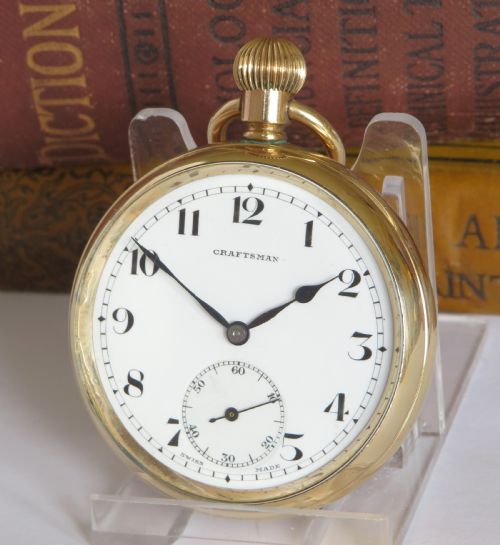
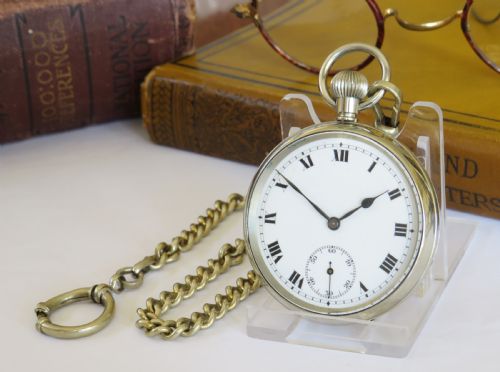
Cases are formed from varied metals including silver, gold plate, stainless steel, brass, and solid gold, paired with glass crystals and enamel dials. Many pocket watches feature intricate niello decoration or protective outer hunter covers hinged to the main body.
Internal mechanisms rely on complex gear trains, escapements, and jewelled bearings fashioned from steel and brass components. These movements are assembled by hand and housed within protective metal casings designed to shield the delicate gears from dust and moisture.
Several vintage pocket watches carry poignant bravery awards and presentation inscriptions from local fishermen and societies.
Evaluating standard and execution
Quality varies according to the precision and finish of the internal movement, denoted by the number of jewels and the sophistication of the escapement. High-grade examples feature refined adjustments and signed movements from established Swiss or American houses.
Case materials and exterior ornamentation also dictate the tier of a piece, moving from standard nickel and brass to heavy silver, gold plate, or solid gold constructions. Signed dials, original fitted boxes, and documented provenance elevate the standing of individual watches.
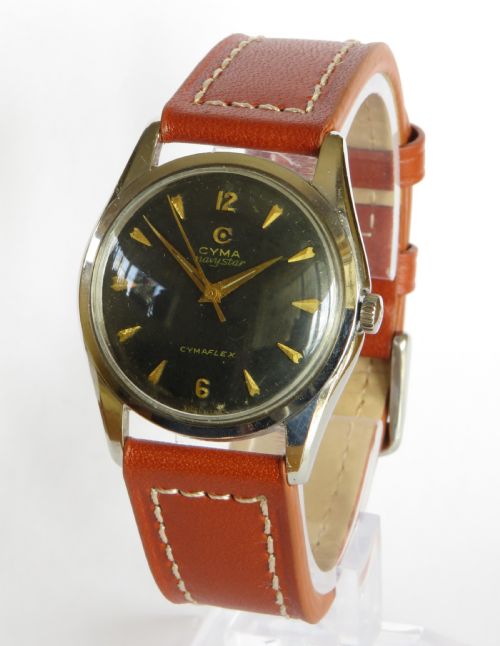
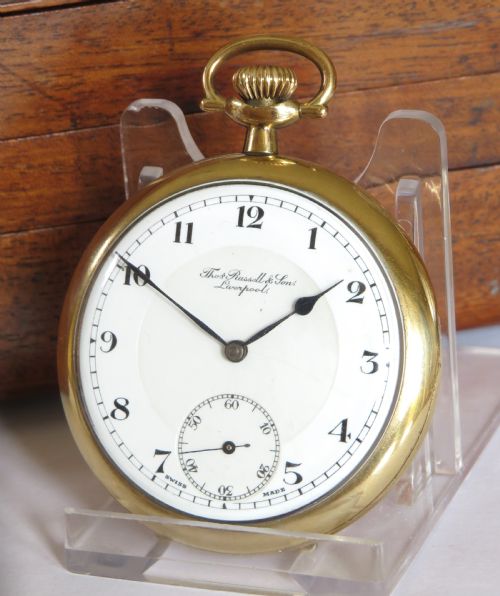
Cyma Navystar·Thomas Russell And Son·New York Standard·Octava·Revue·Silvana·Longines·Hamilton·Venus·Smiths·Zenith·Elgin·Havila·Waltham·Avia·Lanco·Doxa·Fortex·Helvetia·Langendorf·Phoenix Indestructible·A Golay Leresche Geneve·Eastern Watch Case Co·Baume And Co·Alliance Lever
The Mechanical Wind Up Watch Glossary
- Hunter pocket watch
- A pocket watch featuring a spring-loaded metal cover that protects the glass dial. The cover opens via a push-piece on the crown.
- Half hunter pocket watch
- A pocket watch with a metal outer cover containing a central glass or open aperture. This allows the user to read the hands without opening the case.
- Mainspring
- The coiled spring housed within the barrel that stores mechanical energy when wound. As it unwinds, it drives the gear train of the watch.
- Chronograph
- A watch equipped with a display function for measuring elapsed time independently of the main timekeeping hands. These often include subsidiary dials for seconds or minutes.
- Niello
- A black metallic alloy used as an inlay on engraved metal surfaces. It creates high-contrast decorative patterns on watch cases.
Mechanical Wind Up Watch: Frequently Asked Questions
How do I wind a mechanical watch?
Rotate the crown clockwise between your thumb and forefinger until you feel firm resistance. Stop immediately at that point to avoid overwinding and damaging the mainspring.
Most manual wind models require this action once every twenty-four hours to maintain continuous operation.
What is the difference between a hunter and an open face watch?
A hunter watch includes a protective metal lid attached by a hinge over the dial. An open face watch leaves the glass crystal exposed at all times.
Hunter cases were designed to shield the delicate glass face from scratches during rugged everyday use.
Can I wear a vintage mechanical watch daily?
Yes, many collectors wear these pieces regularly provided they receive proper care and routine mechanical servicing. Regular use helps keep the internal oils distributed evenly across the gear train.
Keep older watches away from water and strong magnetic fields to preserve their accuracy.
How do I identify the age of a pocket watch?
Examine the movement serial numbers and hallmark stamps inside the case back. British silver and gold cases usually carry assay office marks and date letters that pinpoint the exact year of manufacture.
Maker signatures on the dial and movement plates also provide reliable clues to the production era.