
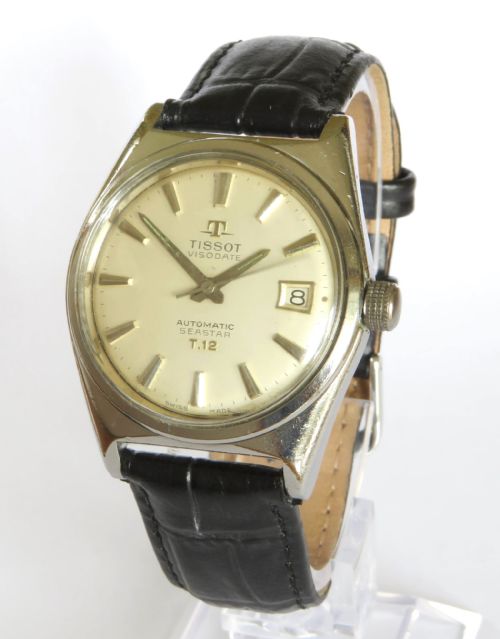
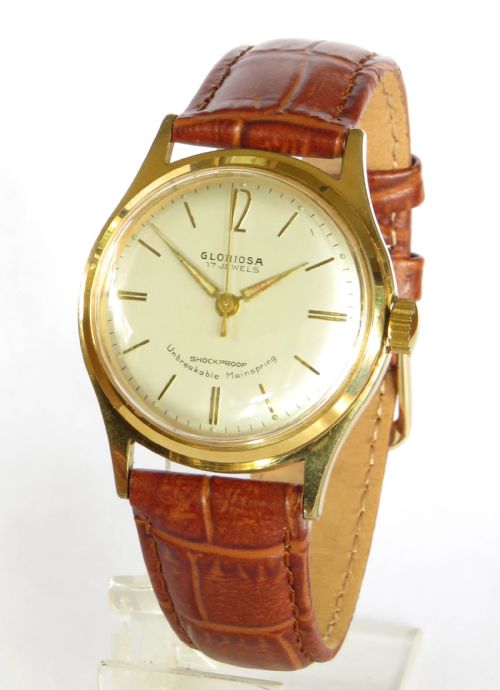
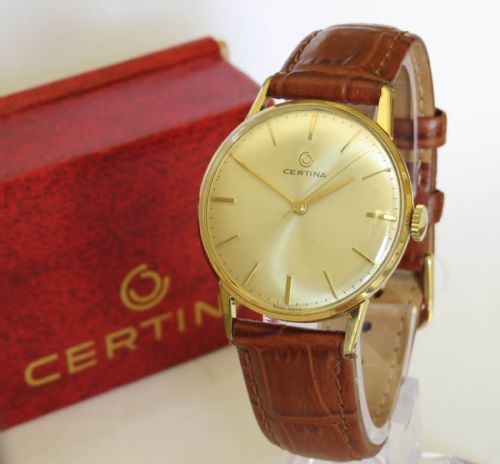
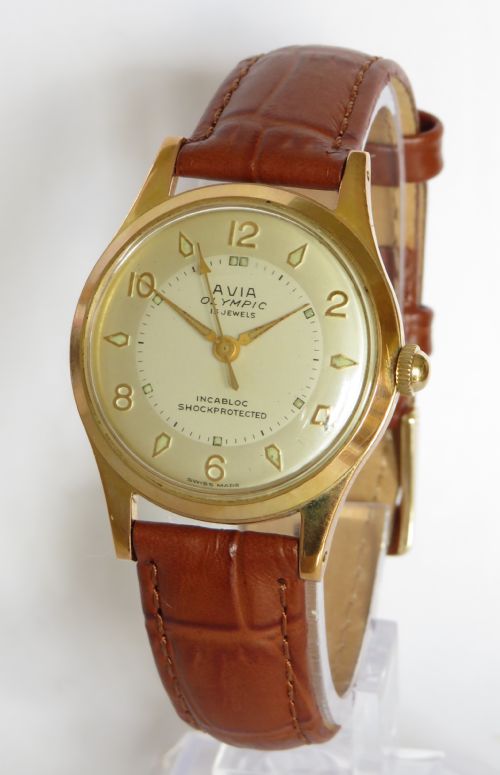
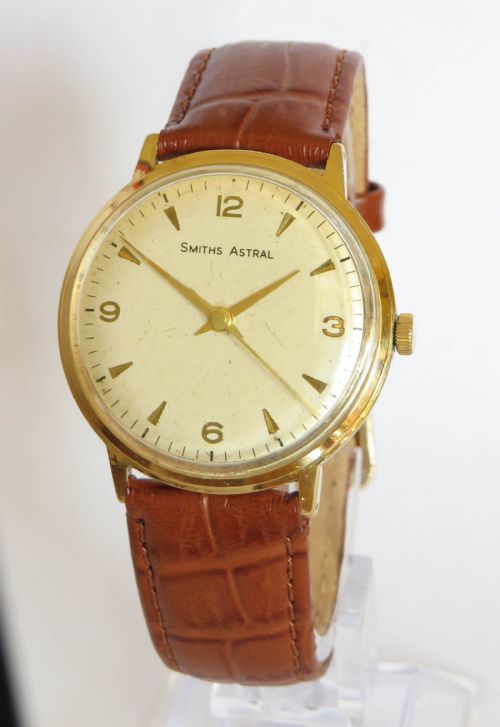


1960s Gold Plated Watch
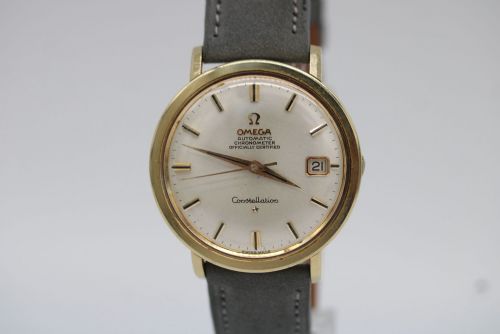
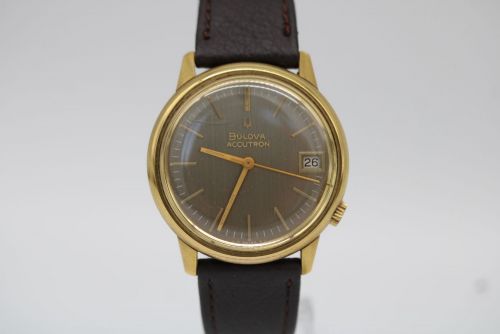
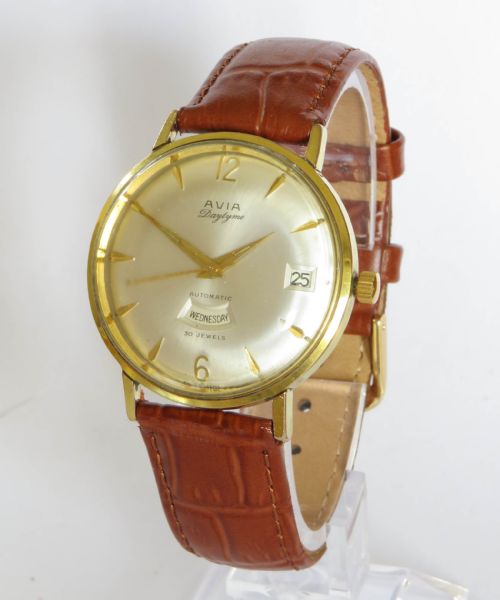
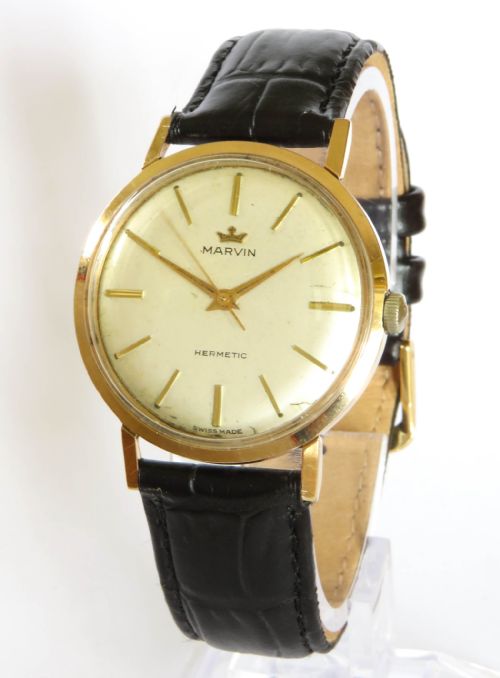
These 1960s gold plated watch examples capture the mid-century modern aesthetic perfectly, offering timeless elegance on the wrist.
1960s Gold Plated Watch
A 1960s gold plated watch represents a distinct era of mid-century horology, spanning the 1950s and 1960s. These gents wristwatches showcase the refined styling typical of the period, often housing mechanical or automatic movements within a gold-plated case.
Buyers seeking a 1960s gold plated watch frequently encounter pieces featuring traditional round or square cases, complemented by dials in silver, champagne, or gold sunburst finishes. Leather straps and stainless steel case backs complete the standard configuration of these vintage timepieces.
Judging quality in vintage timepieces
The standard of a 1960s gold plated watch depends heavily on the preservation of the gold layer across the case and the crispness of the dial markings. Sunburst finishes and signed dials retain their appeal when unblemished by moisture or excessive wear.
Mechanical integrity distinguishes different tiers of these watches, particularly the sophistication of the internal calibre and the inclusion of original boxes or chronograph complications. Renowned makers and specific reference numbers elevate certain pieces above standard production models.
Some models feature alarm functions or specialised date displays, proving that mid-century designers loved packing tiny mechanical tricks onto your wrist.
Omega·Bulova·Tissot·Zenith·Breitling·Longines
The 1960s Gold Plated Watch Glossary
- Gold Plate
- A layer of gold applied to a base metal core. This technique provided the luxurious appearance of solid gold at a more accessible cost during manufacturing.
- Calibre
- The specific internal mechanical movement manufactured for a watch. Collectors reference this number to identify the exact movement family.
- Chronograph
- A watch equipped with a stopwatch function alongside standard timekeeping. Independent sub-dials typically display elapsed minutes and hours.
- Acrylic
- A lightweight, shatter-resistant plastic used for watch crystals during the mid-century period. It can be polished easily to remove minor surface scratches.
- Manual Wind
- A mechanical movement requiring the wearer to turn the crown regularly to tension the mainspring. These watches operate without batteries.
1960s Gold Plated Watch: Frequently Asked Questions
How do I wind a manual watch?
Turn the crown gently clockwise between your thumb and forefinger until you feel resistance. Stop immediately to avoid damaging the mainspring.
Perform this action at the same time each day for consistent timekeeping.
Are these watches waterproof?
Vintage timepieces generally lack modern water resistance seals. Avoid submerging them or wearing them during swimming.
Accidental splashes require immediate drying to protect the internal movement from moisture damage.
How often should a watch be serviced?
Mechanical movements benefit from professional oiling and cleaning every few years to ensure longevity. Watchmakers inspect gears and seals during this maintenance.
Reliable timekeeping indicates the movement functions correctly.
What is the difference between automatic and manual?
Automatic movements wind themselves using the natural motion of the wearer's wrist via an internal rotor. Manual watches rely entirely on hand-winding through the crown.
Both systems represent standard mid-century horological engineering.