
1960s Swiss Wristwatch
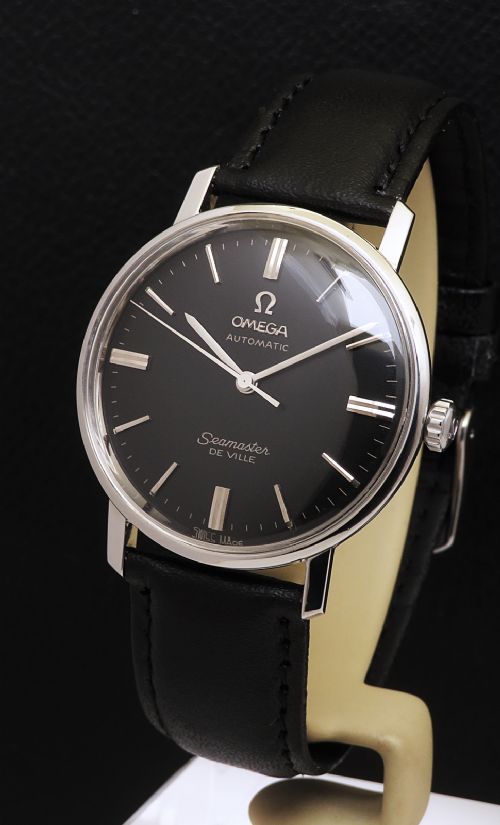
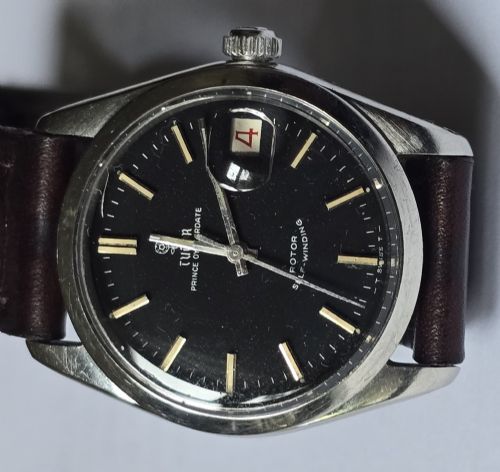
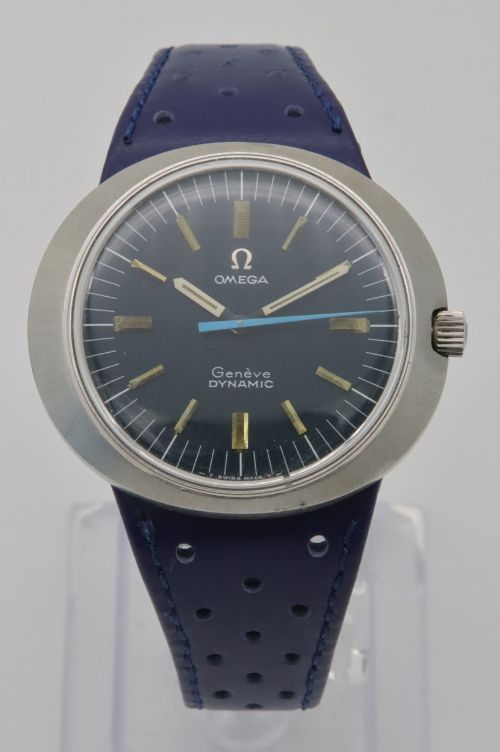
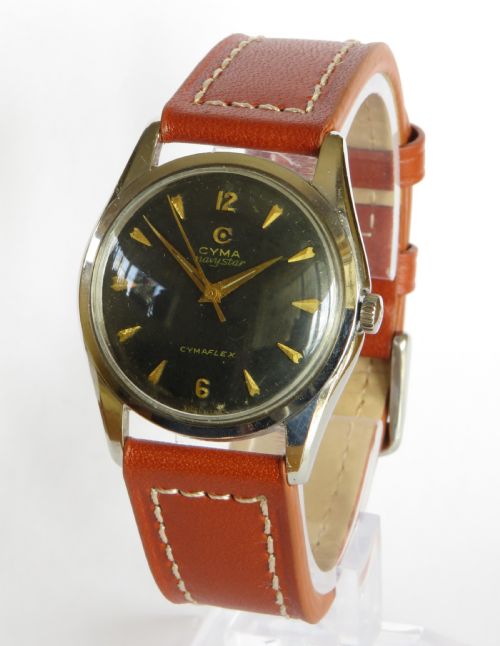
A 1960s swiss wristwatch embodies the functional engineering and clean styling of mid-century horology, offering buyers wearable mechanical history.
1960s Swiss Wristwatch
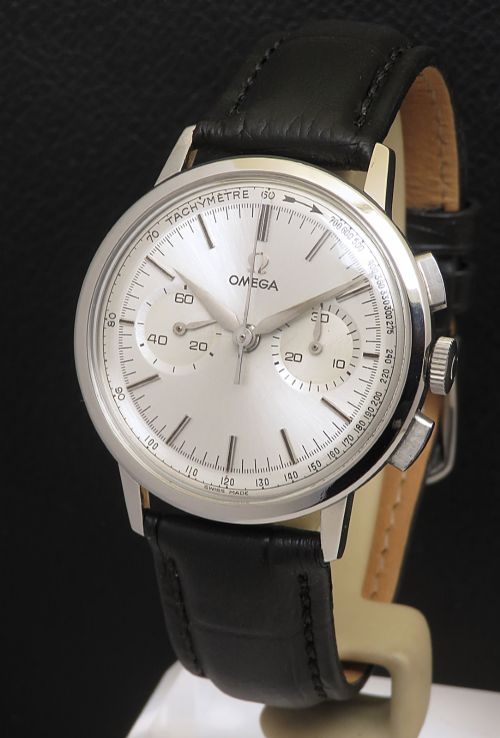
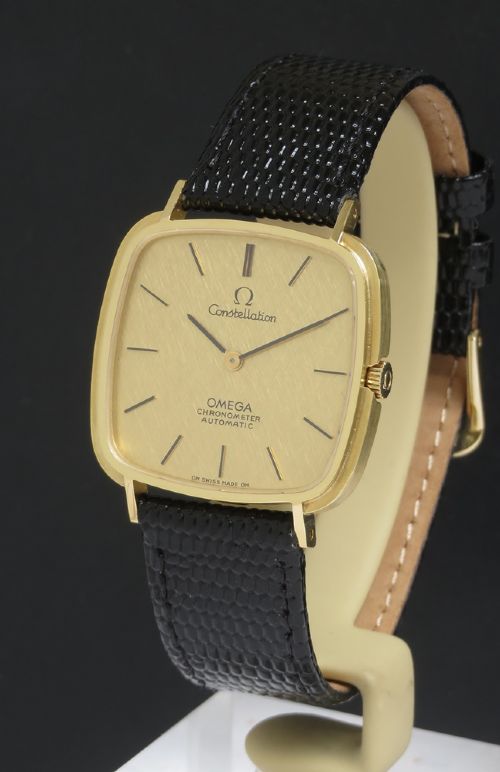
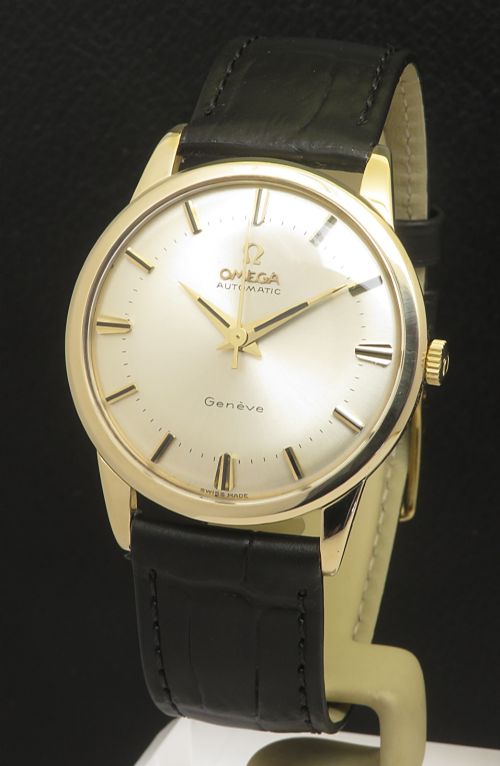
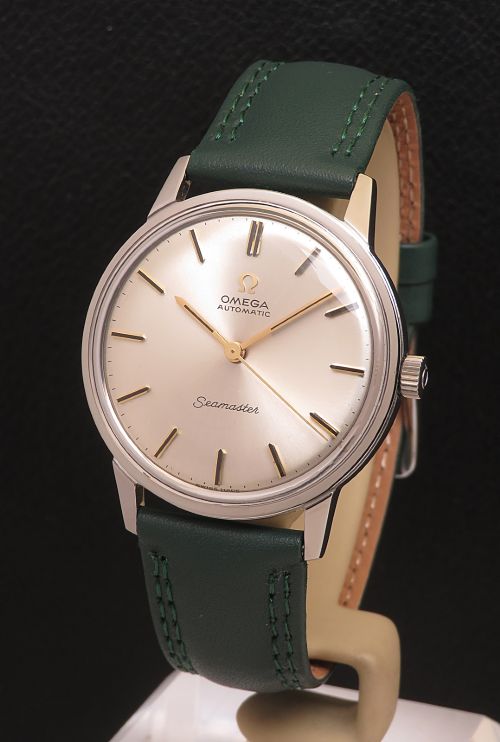
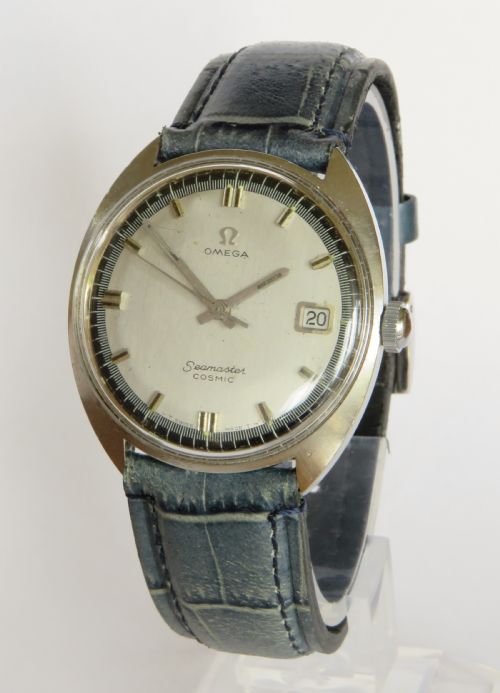
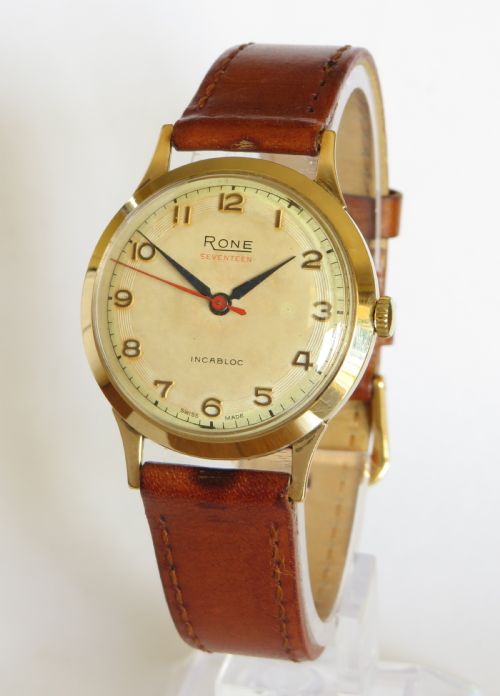
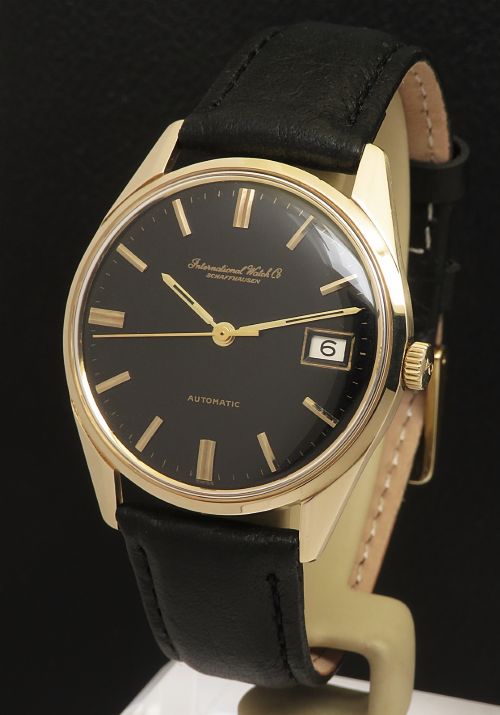
A 1960s swiss wristwatch encompasses mechanical wristwatches, automatic date models, chronographs and cocktail watches produced during the 1960s. These pieces represent a period of significant design evolution in horology, spanning styles such as Mid-Century Modern and 1960s Horology.
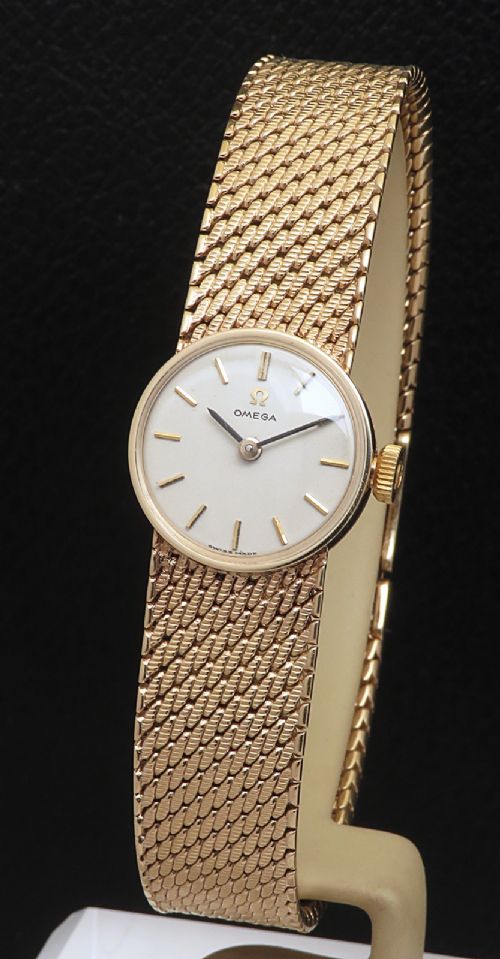
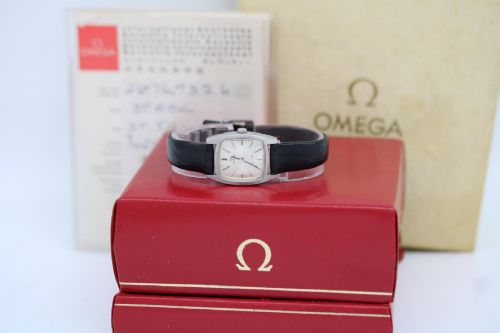
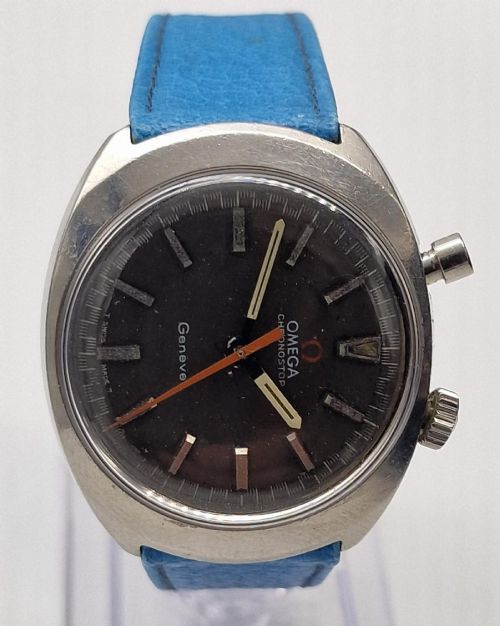
The selections available lean heavily toward gentlemen's wristwatches alongside select ladies' variants. Prominent forms include the classic dress watch and robust utility pieces designed for daily wear.
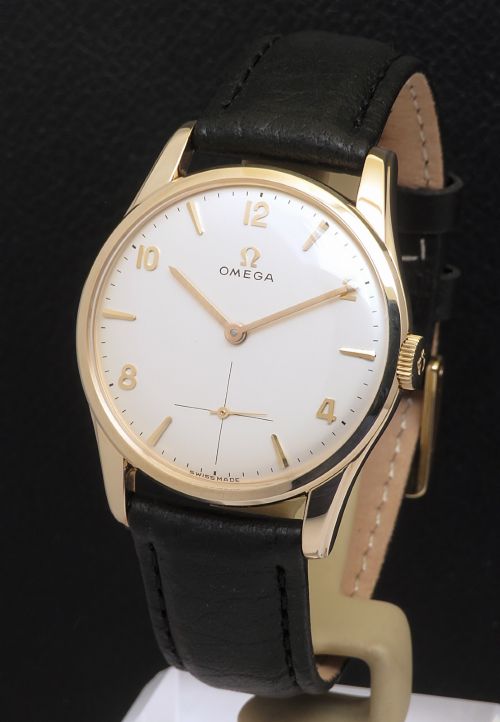
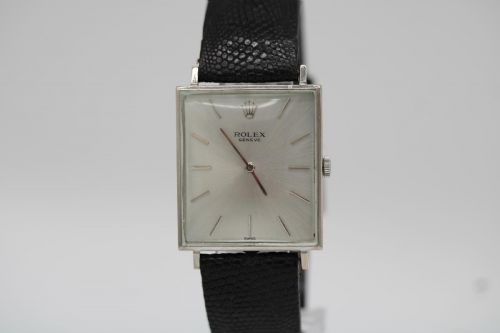
Most examples originate from established Swiss workshops and major manufactures of the era. Buyers encounter both stainless steel utility designs and precious metal iterations housed in gold or white gold.
Materials and construction
The construction relies on metals such as stainless steel, gold plate, solid 9ct gold and 18ct white gold for the cases. Leather straps secure the pieces to the wrist, while acrylic and acrylic glass protect the dials.
Movements inside these mechanical pieces utilise precision gearing, manual wind mechanisms and automatic winding rotors. Specialist finishing includes chronometer certification and patinated dial treatments.
1960s Swiss Wristwatch Retail Price Guide 2026
Typical asking prices for 1960s swiss wristwatch among the pieces listed under this phrase on Sellingantiques today, from the lower quarter to the upper quarter. They describe what is for sale here now, not the wider market.
Mid-Century Modern and 1960s Horology dominate the stylistic definitions recorded across the inventory.
Quality differences
The standard of a 1960s swiss wristwatch depends upon the precision of its movement, such as chronometer-grade calibres versus standard mechanical movements. The choice of casing material, ranging from stainless steel to solid 18ct gold, similarly shifts the tier of the piece.
Preservation of original components, including dials, straps, buckles and boxes, alters the desirability of the watch. Fully restored mechanical interiors and unpolished case lines mark the distinction between average examples and top-tier survivals.
Omega·Tudor·Rolex·Bulova·IWC·Longines·Breitling·Cyma·Tissot·Certina
The 1960s Swiss Wristwatch Glossary
- Chronometer
- A high-precision watch capable of carrying a certificate of accuracy from an official testing body. These movements represent the upper tier of mechanical reliability.
- Automatic
- A self-winding mechanical movement that uses a weighted rotor to tension the mainspring using the natural motion of the wearer's wrist.
- Calibre
- The specific internal mechanism or movement model designation used by the manufacturer to identify the engineering inside the case.
- Acrylic glass
- A lightweight, shatter-resistant polymer material utilised for crystal covers over the dial during the mid-century period.
- Cocktail watch
- A smaller, decorative ladies' timepiece often featuring precious metals and gemstones intended for evening wear.
1960s Swiss Wristwatch: Frequently Asked Questions
How do I wind a manual watch?
Wind the crown gently in a clockwise direction until you feel slight resistance. Stop immediately to avoid damaging the internal mainspring.
Most vintage pieces require daily winding at the same time to maintain accurate timekeeping throughout use.
Are these watches waterproof?
Vintage timepieces lack modern gasket sealing standards. Moisture can easily compromise the delicate internal mechanics and dial.
Keep these watches away from water, rain and humidity entirely to preserve the movement and casing.
What is an automatic movement?
An automatic movement winds itself using the kinetic energy from the movement of your arm. An internal weighted rotor turns to tension the spring.
This mechanism removes the need for manual daily winding while the watch remains in regular wear.
How often need they be serviced?
Mechanical watches require periodic cleaning and lubrication of the gears every few years to prevent wear. Professional watchmakers dismantle the movement to replace degraded oils.
Regular servicing ensures the internal components function smoothly and keeps timekeeping accurate.