

Mechanical Desk Clock
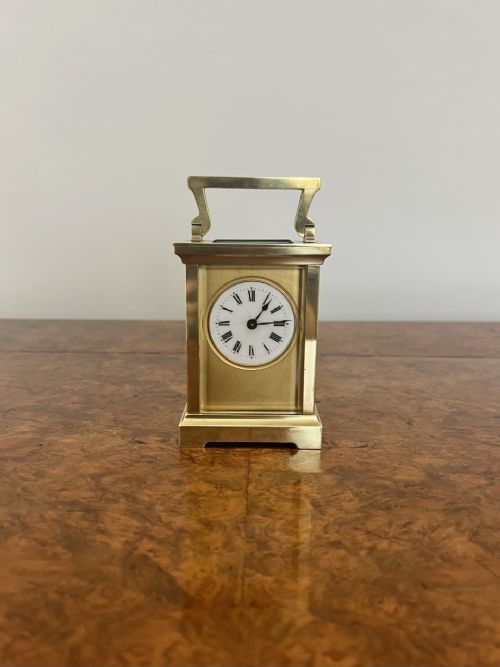
These mechanical desk clock pieces combine precision engineering with period cabinetry, offering reliable timekeeping housed in brass, mahogany, and bakelite cases.
Mechanical Desk Clock
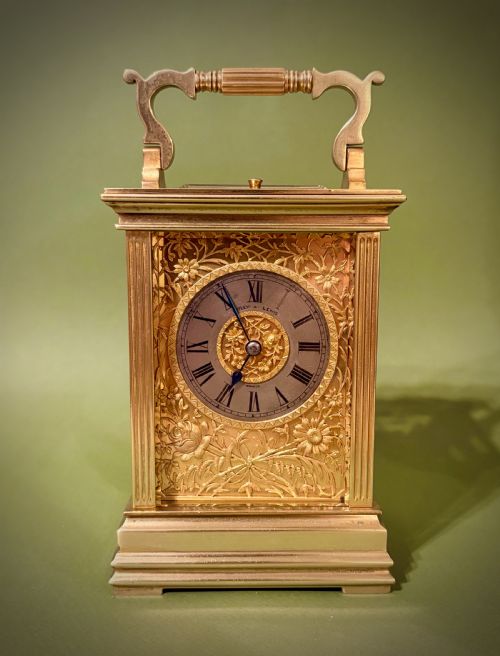
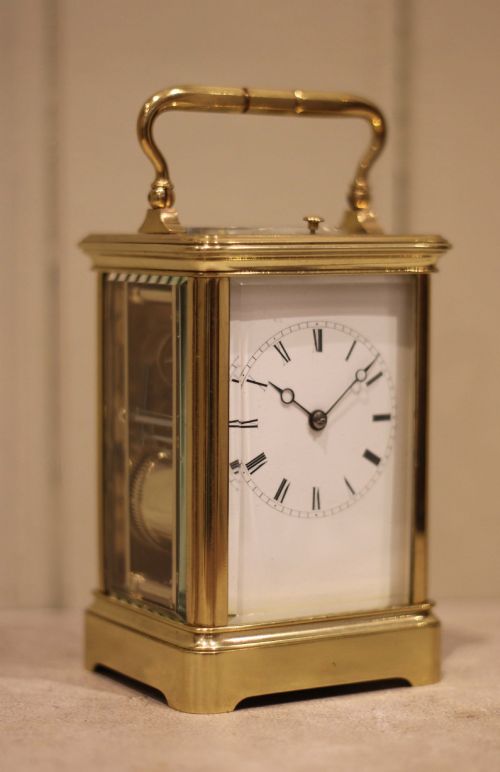
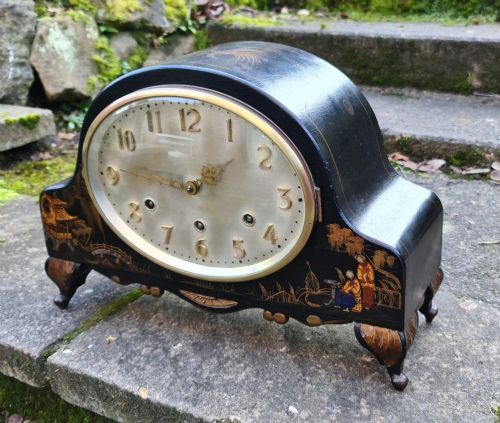
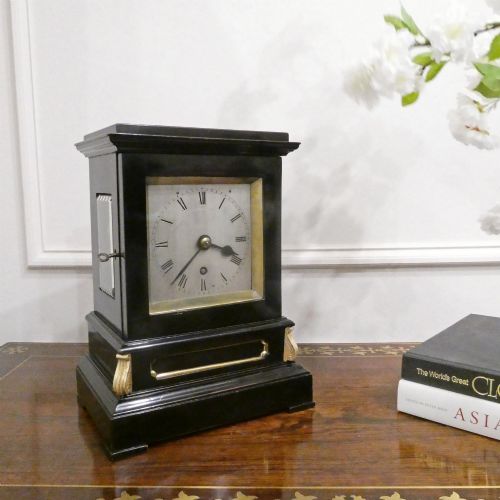
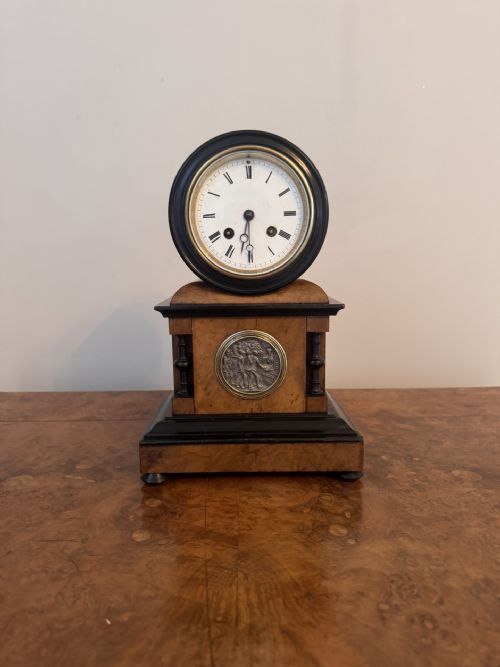
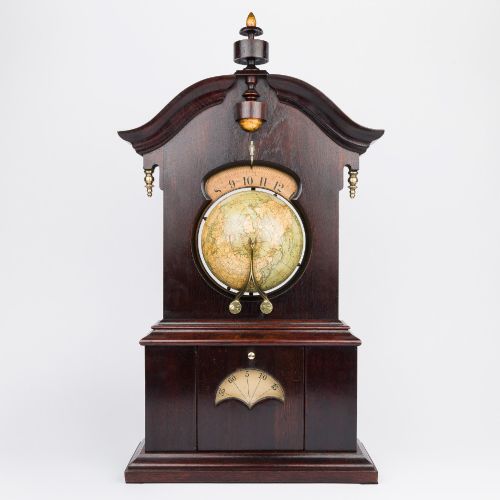
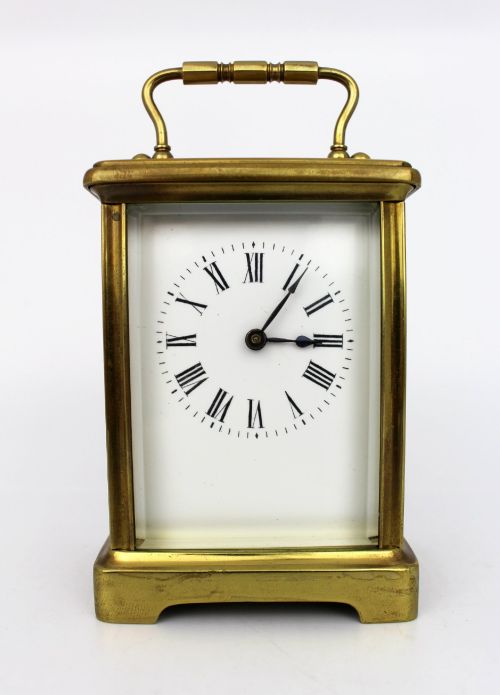
A mechanical desk clock sits on a table, shelf, or writing surface, driven by springs or weights rather than batteries. When exploring mechanical desk clock options, buyers encounter portable carriage designs, heavy mantel pieces, and streamlined twentieth-century models.
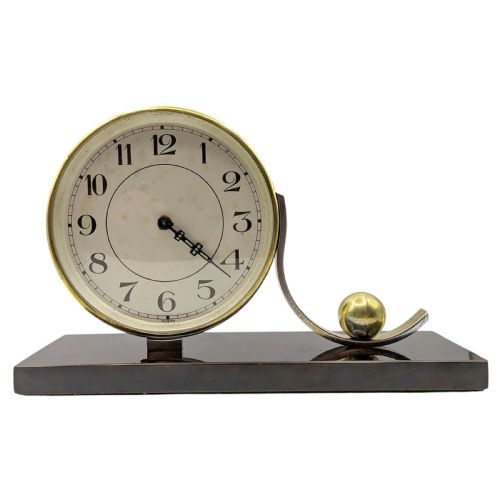
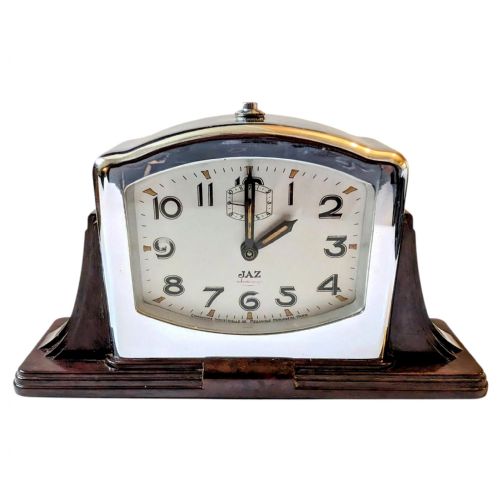
The selections span from nineteenth-century brass carriage housings to Art Deco bakelite and chrome creations. Victorian and Edwardian examples sit alongside French and Swiss travel pieces, bringing mechanical movement to daily workspaces.
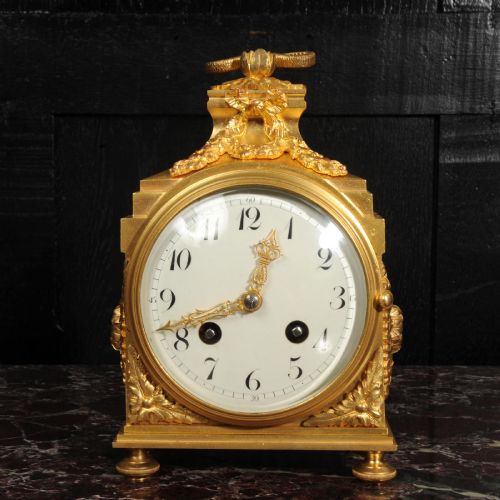
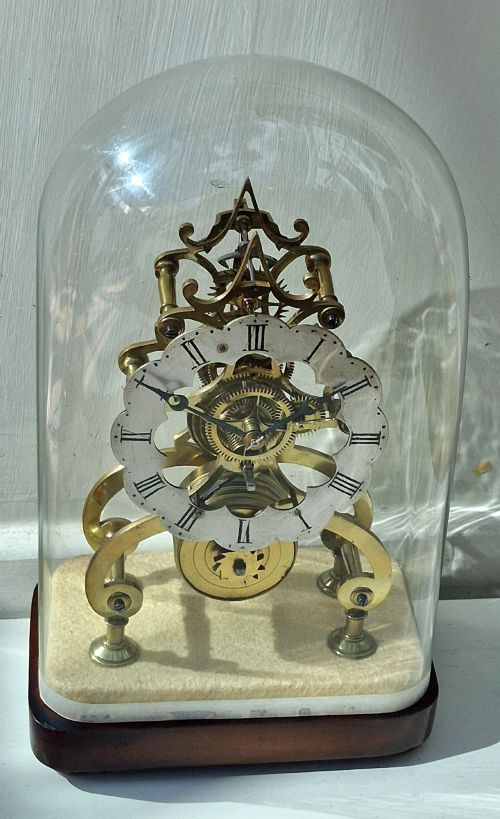
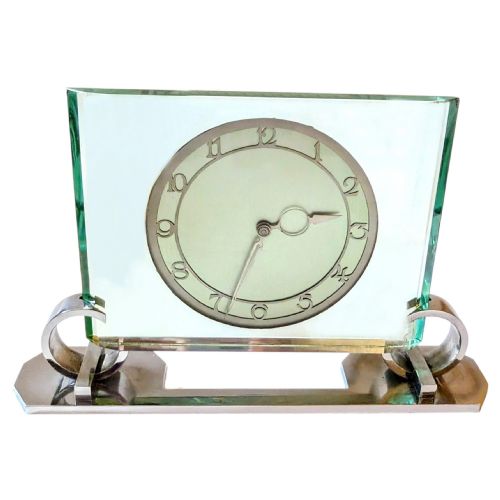
Mantel and table formats dominate the selection, often featuring glass panels that reveal internal escapements and striking trains. These instruments served both utilitarian scheduling and ornamental display in period rooms.
How they were made
Cases combine structural timber such as mahogany, walnut, and ebonised wood with cast brass, gilt bronze, and chrome plating. Bakelite appears in later twentieth-century pieces, forming moulded geometric housings for compact movements.
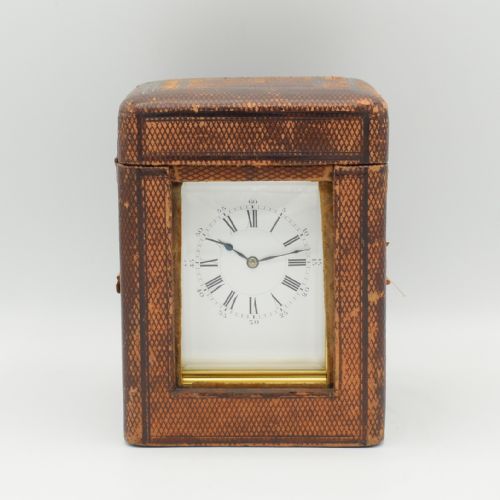
Dials utilise white enamel with Roman or Arabic numerals, protected behind bevelled glass panes. Metal elements are frequently cast, engraved, and polished, while travel clocks include fitted leather or metal carrying cases.
Mechanical Desk Clock Retail Price Guide 2026
Typical asking prices for mechanical desk clock among the pieces listed under this phrase on Sellingantiques today, from the lower quarter to the upper quarter. They describe what is for sale here now, not the wider market.
Materials across these listings span brass, glass, enamel, mahogany, chrome, leather, ebonised wood, and gilt brass.
What varies in quality
Quality rests in the execution of the movement and the crispness of the case casting or cabinet woodwork. Heavier gauge brass frames and finely engraved gilt masks separate standard pieces from workshop triumphs.
The integrity of the dial enamel and the presence of original escapement components dictate the standard of preservation. Makers who invested in jewelled bearings and repeating strike trains produced superior timepieces.
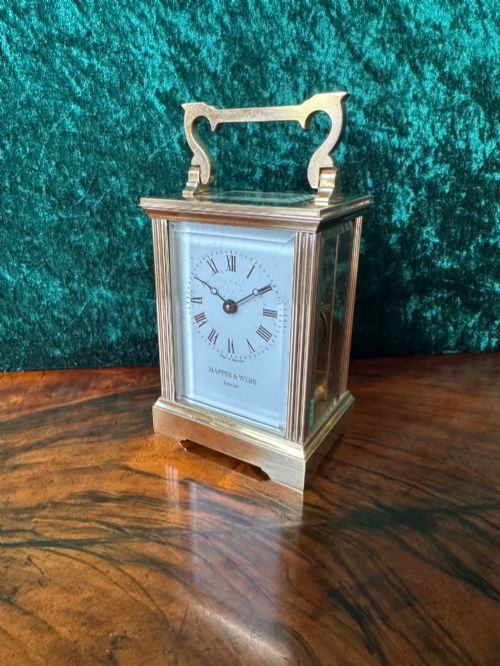
Henri Jacot·Mappin and Web·Richard Winter of Chieveley·Pickford of London·Drocourt Paris·Duverdrey and Bloquel·Smiths Clockmakers·Jaz
The Mechanical Desk Clock Glossary
- Carriage clock
- A portable timekeeper originally designed for travel, housed in a brass case with glass panels and a swing handle. These units typically feature spring-driven movements and platform escapements.
- Mantel clock
- A domestic timepiece designed to sit on a fireplace shelf or table, constructed from wood, brass, or ceramic. They often include striking mechanisms to mark the passing hours.
- Skeleton clock
- A timepiece with open framework plates that expose the entire gear train and movement to view. They are usually mounted on a plinth under a glass dome.
- Gorge case
- A stepped brass housing style common in nineteenth-century carriage clocks, featuring distinctive concave mouldings. This architectural frame securely holds the bevelled glass panels in position.
- Fusee movement
- A conical pulley mechanism connected to the mainspring by a chain or cord, ensuring even tension as the spring unwinds. This device improves accuracy throughout the power reserve.
Mechanical Desk Clock: Frequently Asked Questions
How often do mechanical desk clocks need winding?
Most mechanical desk clocks run for thirty hours, eight days, or fourteen days between windings. The power reserve depends on the specific spring barrel and gear train design.
Daily use requires matching the winding routine to the movement type. Some modern-to-period transitional pieces utilise distinct keys for time and strike trains.
Where should I place a mechanical desk clock?
Position these clocks on stable, level surfaces away from direct sunlight, draughts, and moisture. Wooden mantel pieces and sturdy desks provide adequate support for heavy brass and timber housings.
Level placement ensures the pendulum or platform escapement beats evenly. Uneven surfaces cause the mechanism to stop or lose time.
What is a repeating carriage clock?
A repeating carriage clock sounds the last elapsed hour and quarter-hour when a button or pendant is pressed. This complication allowed users to check the time in the dark during travel.
Mechanisms of this type require complex striking trains alongside standard gear trains. They represent higher tiers of nineteenth-century horological craftsmanship.
How do I identify Art Deco desk clocks?
Art Deco desk clocks display geometric forms, streamlined chrome accents, and contrasting bakelite or walnut materials. Dial numerals often feature stylised sans-serif fonts typical of the 1920s and 1930s.
These pieces break away from traditional Victorian ornamentation in favour of industrial modernity. Movement construction shifted toward mass-produced Swiss and domestic calibres.