


Masons English Ceramics
These masons english ceramics bring sturdy ironstone bodies and vivid Chinoiserie patterns to the table.
Masons English Ceramics
When you search for masons english ceramics, you encounter robust ironstone vessels produced across the nineteenth and early twentieth centuries. The selection centres on functional and decorative forms such as jugs, tureens, plates, and vases.
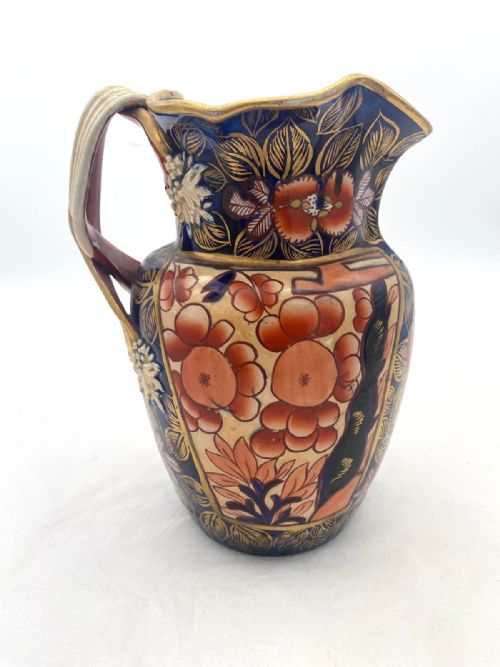
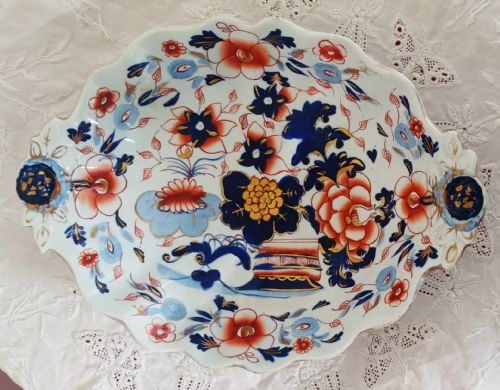
Most pieces you meet on this page date from the Georgian and Victorian periods, often displaying Chinoiserie or Japan pattern decorations. These wares combine utilitarian weight with intricate hand-finished designs.
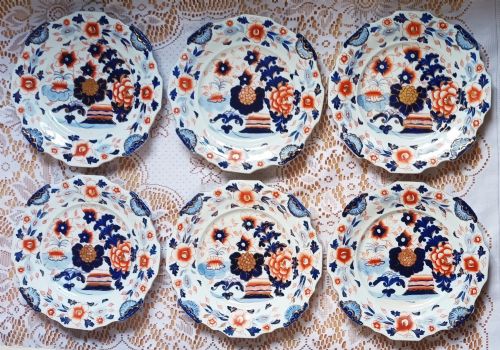
The objects range from miniature Hydra jugs to large hall vases and sets of dessert plates. Collectors find both table service items and standalone garnitures among the offerings.
Materials and Techniques
Makers utilised patent ironstone, a dense ceramic body designed to withstand daily use while accepting detailed transfers and hand-painted pigments. This heavy ceramic forms the foundation for nearly every vessel.
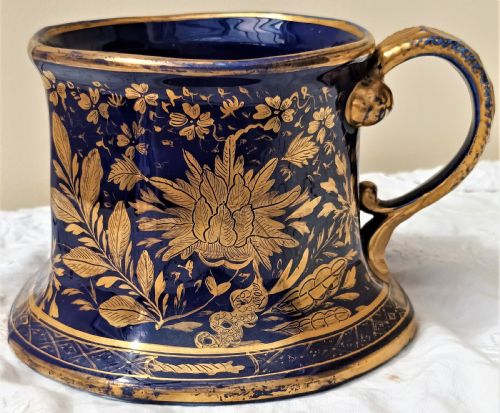
Glazes and enamel colours, including mazarine blue and orange grounds, were applied alongside gold leaf and gilding to highlight the motifs. Artisans combined transfer printing with meticulous hand-painting to build up complex patterns.
Listings span the 19th Century, Georgian, Regency, Victorian, and Edwardian periods, featuring ironstone, enamel, gold leaf, and gilding.
Judging Quality
Quality rests in the crispness of the transfer printing and the precision of the hand-painted enamels. Finer examples retain bright gilding and clean separation of colours across the surface.
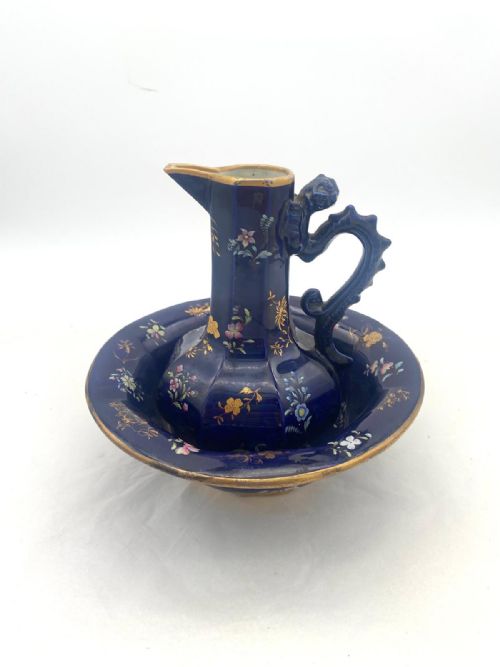
The crispness of moulded details, such as the serpents on Hydra jugs or the facets on octagonal vessels, distinguishes superior pieces. Scratched or worn glazes and faded enamel reduce the visual impact of the pattern.
Miles Mason·C.J. Mason
The Masons English Ceramics Glossary
- Ironstone
- A dense, durable ceramic paste patented to create heavy pottery that mimics porcelain. It resists chipping better than earthenware while remaining opaque.
- Hydra jug
- A distinctive pitcher featuring a serpent-handle and an octagonal or faceted body. This form frequently appears in early nineteenth-century production.
- Chinoiserie
- European decorative motifs inspired by Chinese art and design. These patterns feature imaginary landscapes, exotic birds, and architectural elements.
- Comport
- A raised dish or bowl used for serving fruit or dessert at the table. Comports stand on a central foot or base.
- Ashet
- A large serving dish or platter used for presenting meat or main courses. The term remains common in British ceramics terminology.
- Garniture
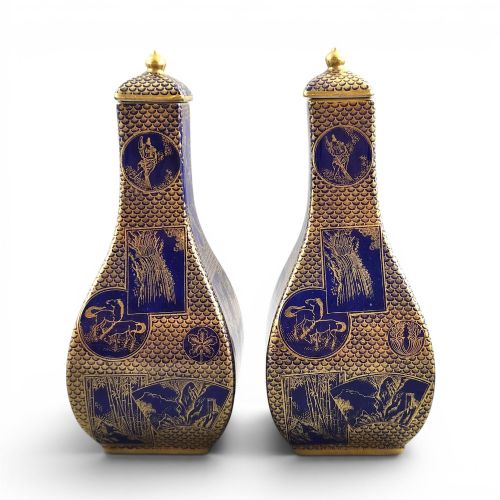
- A set of matching vases or vessels designed to be displayed together on a mantelpiece or sideboard.
Masons English Ceramics: Frequently Asked Questions
What is ironstone ceramic?
Ironstone is a heavy, durable ceramic body patented in the nineteenth century to provide a strong alternative to porcelain. It takes glazes and enamels exceptionally well.
Potters used it for kitchenware, tableware, and large decorative pieces that needed strength without losing aesthetic detail.
How do I date a piece?
Dating relies on identifying the style of the pattern, the shape of the vessel, and any marks stamped or printed on the base. Georgian and Regency pieces often feature vibrant Chinoiserie transfers.
Later Edwardian examples introduce different colorways and slightly altered stylistic interpretations while retaining the core ironstone material.
Were these pieces used daily?
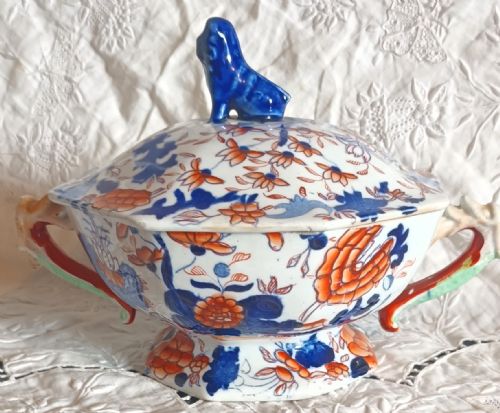
Many items were made for active use on the dining table, including tureens, soup bowls, plates, and jugs. Their robust ironstone construction made them practical for serving food.
Other forms, such as large hall vases and garnitures, served primarily as decorative ornaments in nineteenth-century homes.
What are Chinoiserie patterns?
Chinoiserie designs reflect European interpretations of Chinese and East Asian artistic traditions. They typically depict imagined gardens, exotic birds, fences, and pavilions.
These motifs were applied using a mix of transfer printing and hand-painted enamel colours to create rich, layered surfaces.