


Marquetry Walnut Cupboard
A marquetry walnut cupboard brings together timber and detailed pictorial inlay, offering practical storage alongside historic craft.
Marquetry Walnut Cupboard
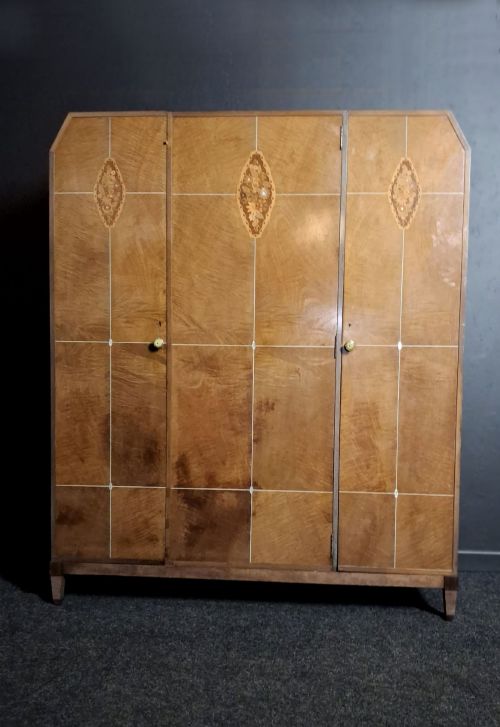
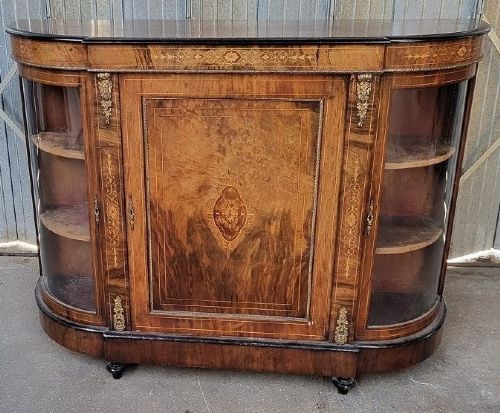
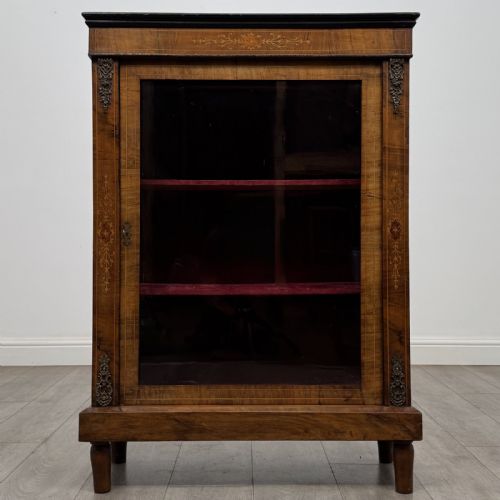
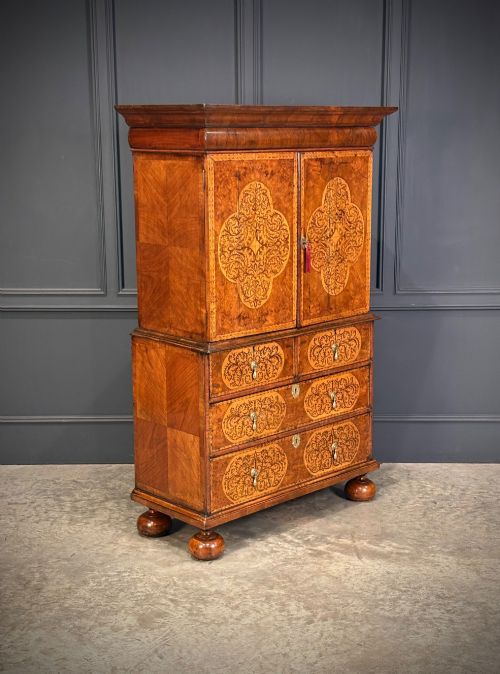
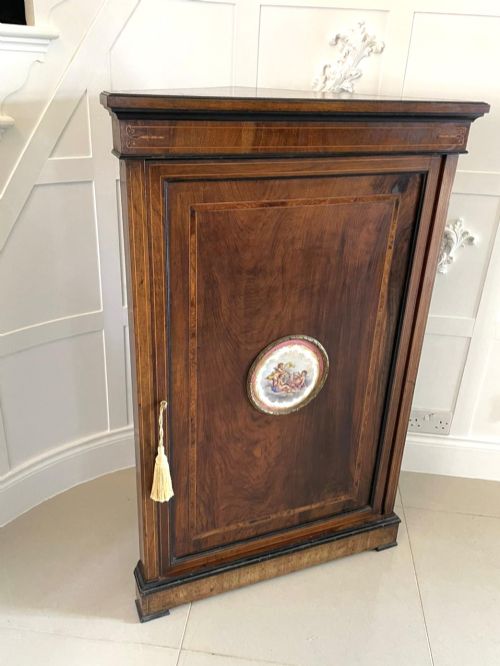
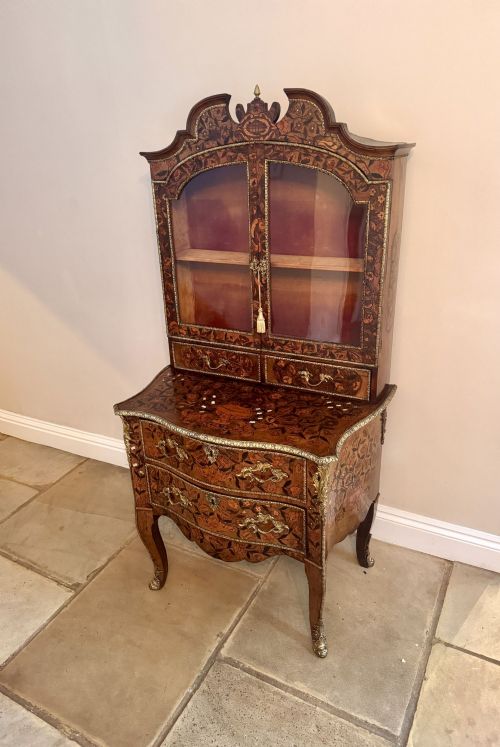
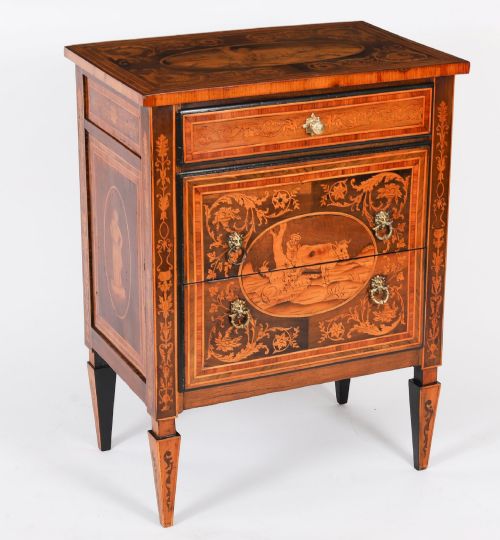
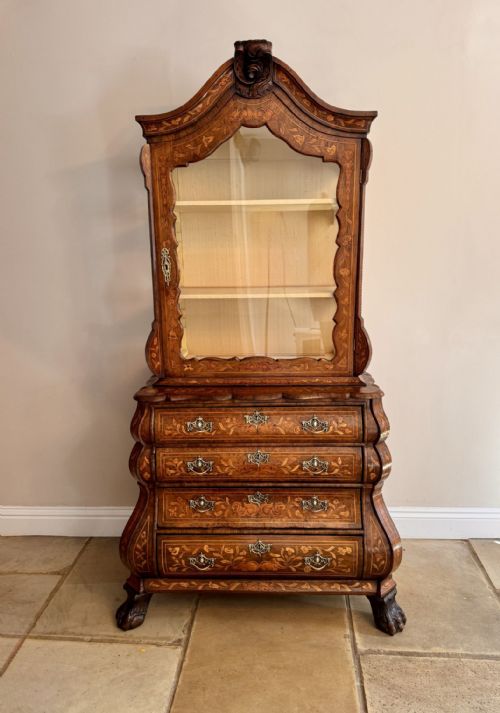
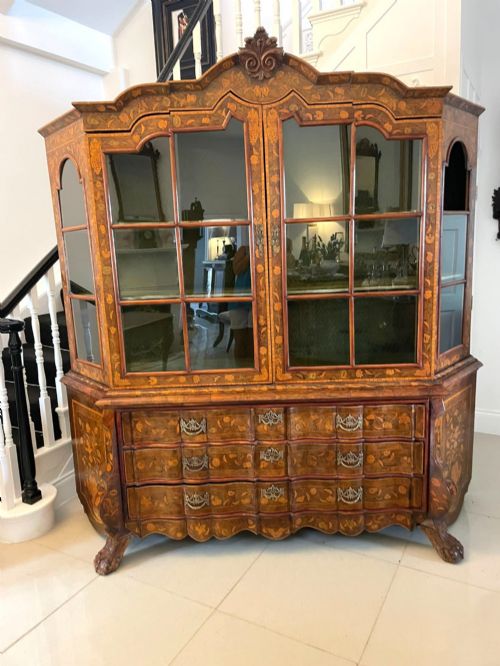
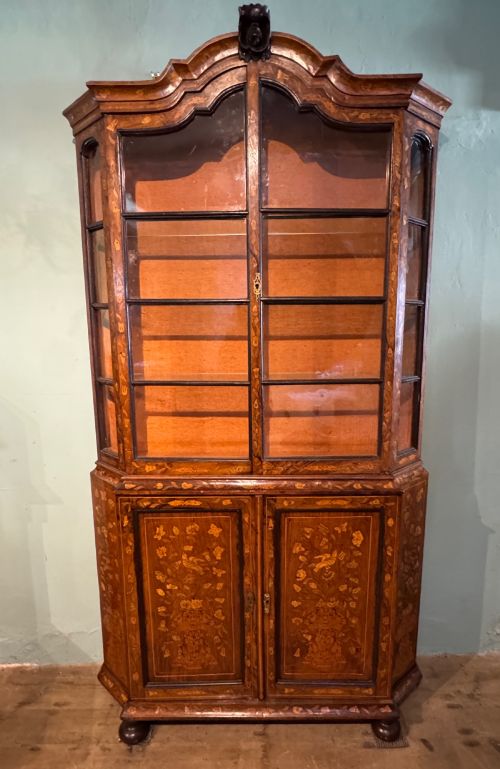
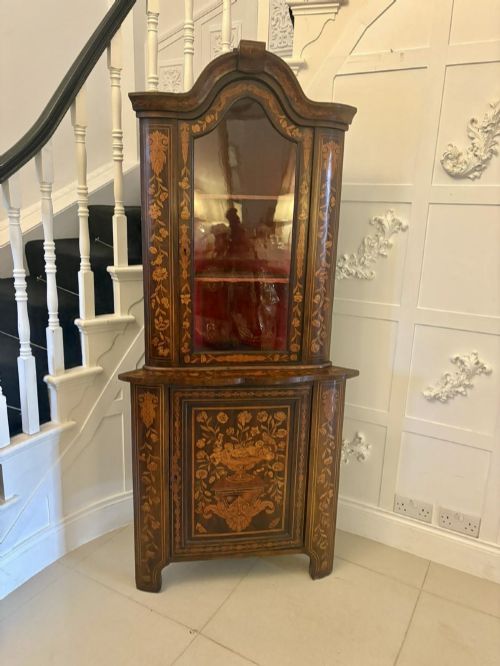
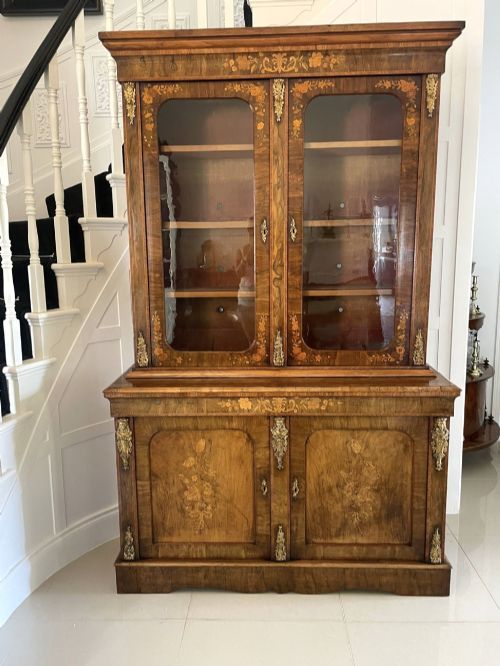
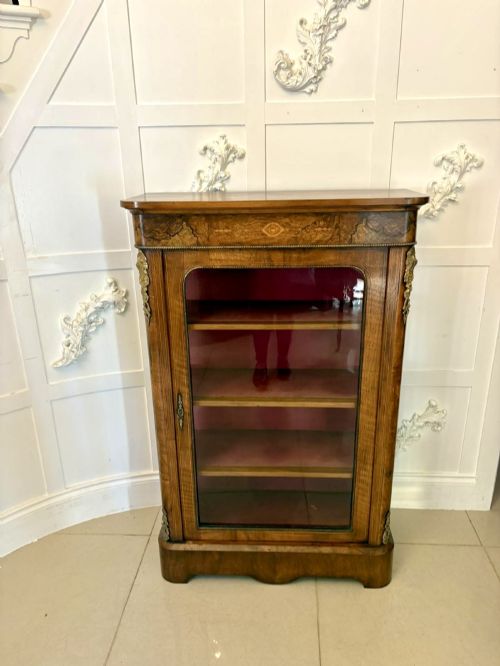
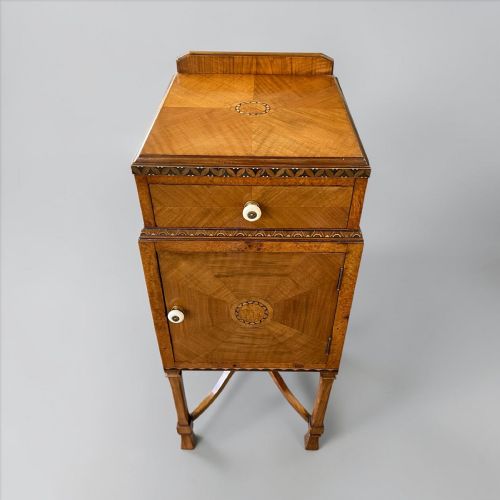
A marquetry walnut cupboard encompasses a wide assortment of historic forms designed for storage and display, ranging from tall display cabinets and linen presses to corner units and smaller bedside chests. The examples on this page span several centuries, including 17th-century Baroque pieces, 18th-century Dutch floral inlaid cabinets, and Victorian creations with ormolu mounts.
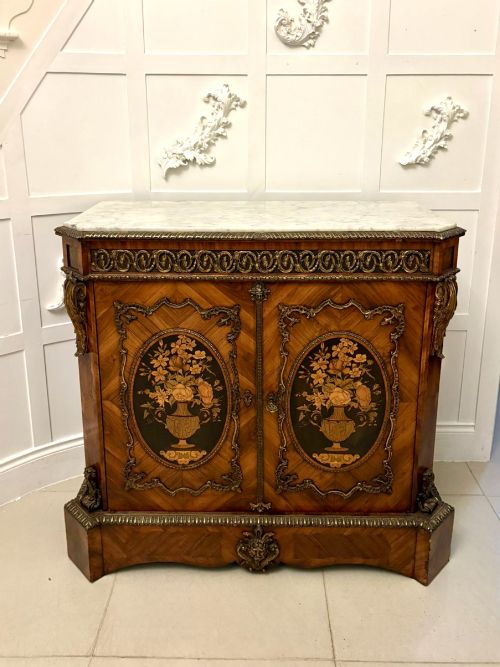
Buyers encounter different regional interpretations, such as Dutch floral marquetry on bombe chests, French Louis XVI style marble-topped side cabinets, and English Victorian pier cabinets. The core material across these diverse origins remains walnut, frequently enhanced by burr walnut veneers and contrasting fruitwood inlays.
Domestic and display requirements dictate the specific format, with floor-standing corner cupboards and bedside tables appearing alongside grand cabinets on stands. Each period brings distinct proportions, from the architectural rigour of William & Mary designs to the decorative curves of later revival styles.
Materials and Technique
Cabinetmakers construct these pieces using solid walnut and burr walnut veneers, applying delicate marquetry panels composed of fruitwood and occasionally pewter inlay. The natural grain patterns of the timber provide a rich background for the intricate floral and pictorial designs set into the surfaces.
Many 19th-century and continental examples incorporate cast ormolu mounts, brass details, and polished marble tops to accent the woodwork. Glazed doors, bevelled glass panels, and specialised locking mechanisms complete the construction of the larger display cabinets and bookcases.
Marquetry Walnut Cupboard Retail Price Guide 2026
Typical asking prices for marquetry walnut cupboard among the pieces listed under this phrase on Sellingantiques today, from the lower quarter to the upper quarter. They describe what is for sale here now, not the wider market.
Listings feature walnut, burr walnut, fruitwood, and kingwood across periods spanning from the seventeenth century to the Art Deco era.
Evaluating the Craft
The sophistication of the marquetry work separates standard items from exceptional pieces, visible in the precision of the fruitwood cut and the shading achieved through hot sand scorching. Mastery over the veneer layout ensures the burr walnut grain flows symmetrically across doors and drawers.
The integration of secondary materials, such as fire-gilt ormolu mounts and heavy marble tops, indicates the original tier of production. Structural integrity in the carcase joinery and the survival of original brass hardware further distinguish superior examples.
Epstein
The Marquetry Walnut Cupboard Glossary
- Marquetry
- Decorative veneer work arranged in pictorial or geometric patterns using various woods and organic materials. This technique differs from inlay by assembling the pattern across the entire surface before application.
- Burr Walnut
- Timber taken from the abnormal growth of a walnut tree, producing highly figured, swirling grain patterns. Cabinetmakers prize this wood for prominent door panels and drawer fronts.
- Ormolu
- Gilt bronze mounts cast and chased for decorative effect on furniture. Makers apply these metal ornaments to corners, feet, and friezes.
- Pier Cabinet
- A narrow display or storage cabinet designed specifically to stand against the wall space between windows. These pieces often feature glass doors and velvet-lined interiors.
- Bombé
- A swelling, convex curved shape typical of continental furniture fronts and sides. This bulging contour requires advanced woodworking skill to veneer accurately.
Marquetry Walnut Cupboard: Frequently Asked Questions
How do I care for walnut furniture?
Keep wooden surfaces away from direct heat sources and strong sunlight to prevent the timber from drying out or fading over time. Apply a microcrystalline wax periodically to maintain the sheen of the polish without building up residue.
Dust the marquetry panels gently with a soft cloth to protect the delicate fruitwood veneers from abrasive particles. Avoid liquid polishes that contain silicone, which can penetrate porous historic finishes.
Where should I place a corner cabinet?
Position these cupboards in unused room angles to maximise floor space while introducing architectural interest to bare corners. Floor-standing variants work well in dining rooms for storing porcelain and glassware.
Ensure the surrounding humidity remains stable to protect the joints and prevent the veneer from lifting. Taller pieces may require wall anchoring for safety, depending on their height and weight distribution.
What is the difference between marquetry and inlay?
Marquetry involves cutting a complete picture or pattern from sheets of veneer and gluing it onto a carcase as a single decorative skin. This method covers entire surfaces with contrasting woods and botanical motifs.
Inlay requires carving recesses directly into a solid piece of wood and inserting contrasting materials into those channels. Marquetry dominates the surfaces of Dutch and Victorian cabinets on this page.
How do I identify a 18th century Dutch cabinet?
Look for elaborate floral marquetry executed in fruitwood across the doors, sides, and sloping fronts of the cabinet. These pieces frequently feature bombé lower sections or rest on substantial bracket feet.
Examine the secondary woods and construction methods inside the drawers to confirm the period origin. Pewter highlights mixed into the floral marquetry often indicate earlier Baroque craftsmanship from the 17th or 18th century.