



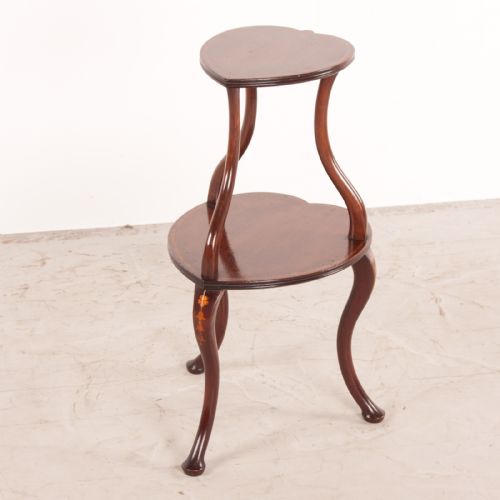
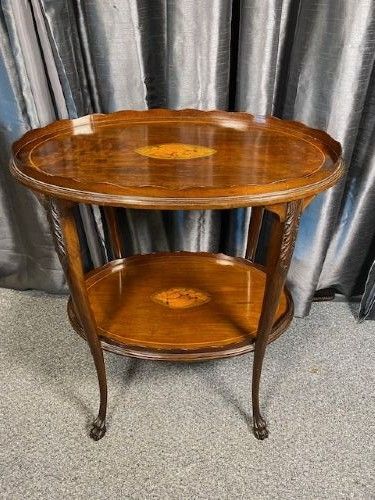
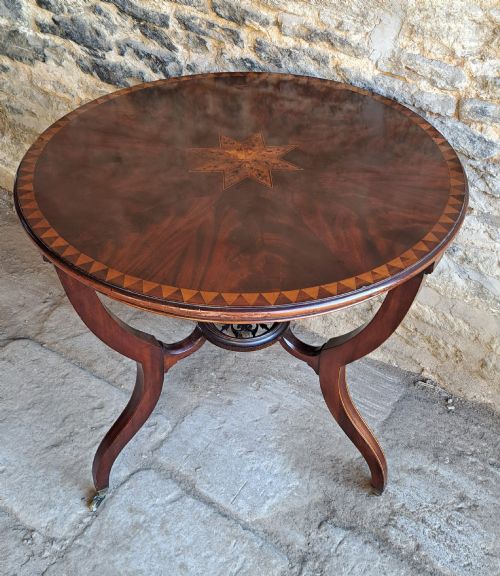
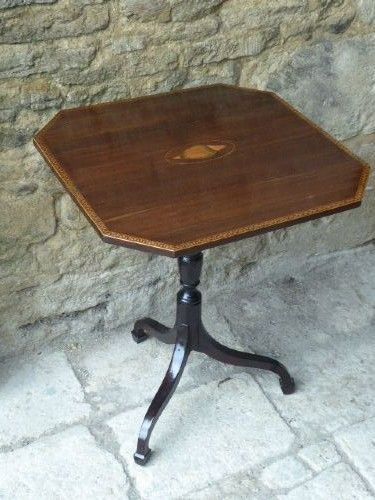
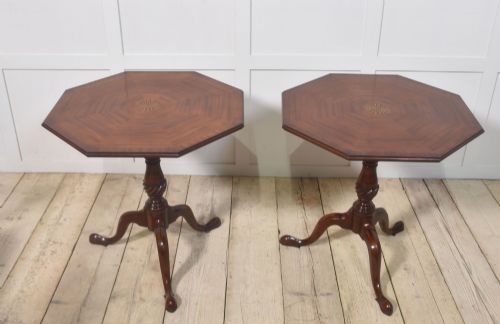
Marquetry Mahogany Side Table
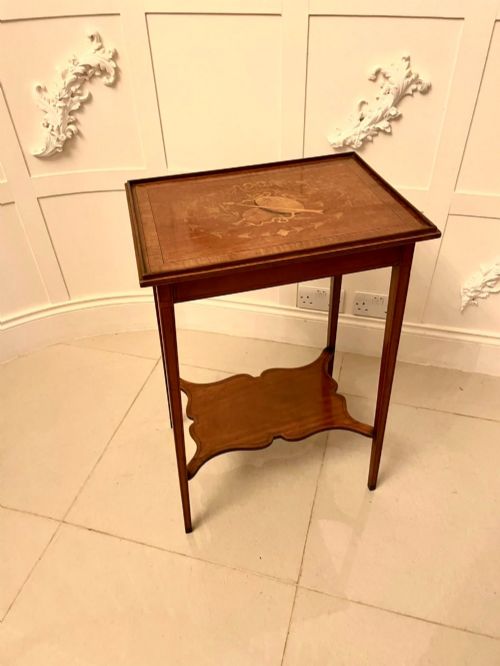
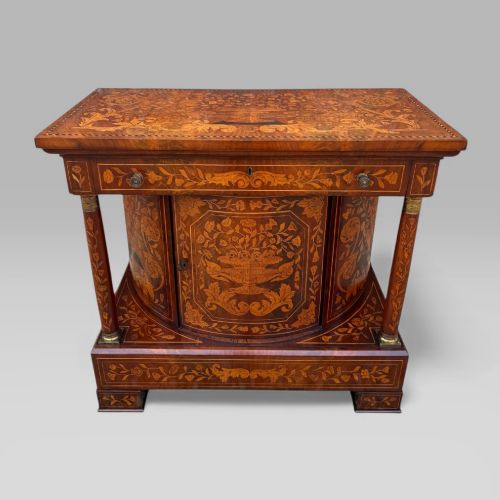
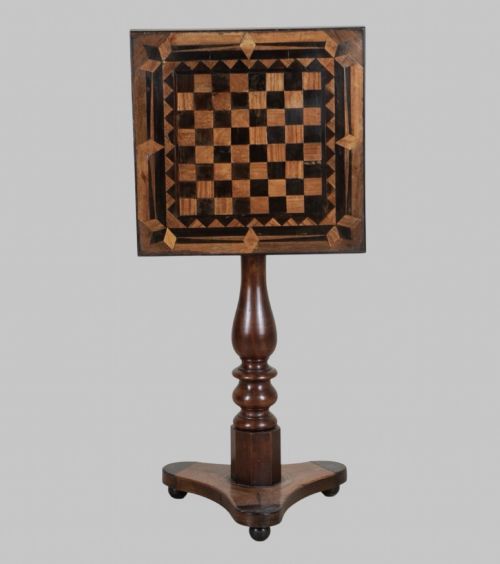
These marquetry mahogany side table examples bring together figured timbers and meticulous floral or geometric patterns for practical surface space.
Marquetry Mahogany Side Table
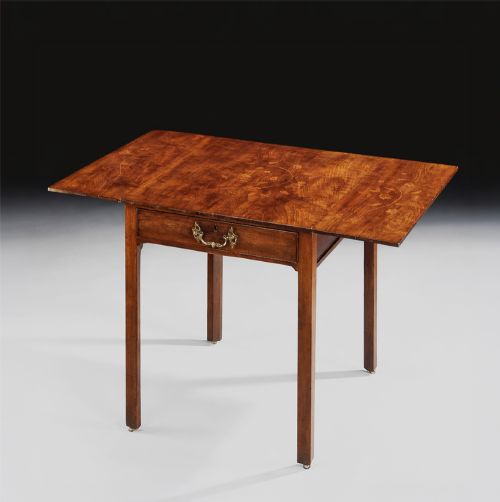
A marquetry mahogany side table appears in forms ranging from compact occasional tables and Pembroke tables to larger console and serving pieces, spanning the eighteenth, nineteenth, and early twentieth centuries.
The Edwardian era and the Georgian period provide many of the examples seen here, alongside French nineteenth-century interpretations of Louis styles.
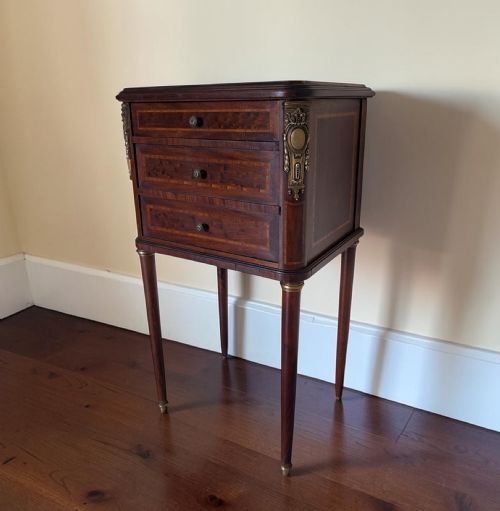
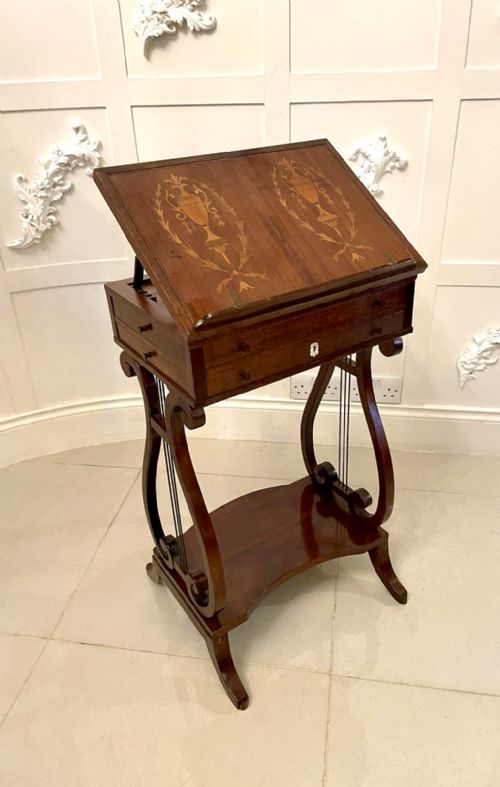
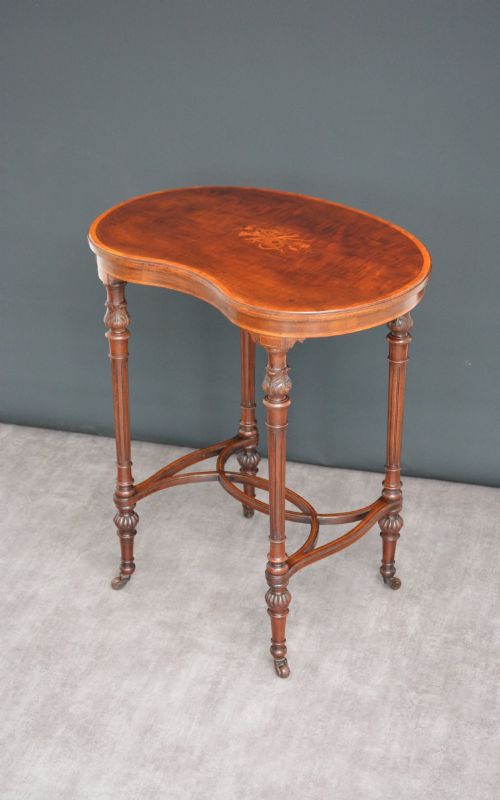
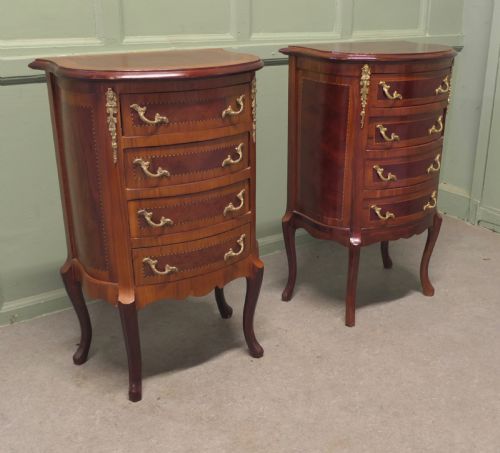
Buyers frequently encounter variants such as envelope card tables, kidney-shaped lamp tables, and bedside cabinets incorporating intricate wood inlays.
Materials and construction
Craftsmen built these pieces using solid and veneered mahogany, applying contrasting timbers such as satinwood, boxwood, and walnut for detailed marquetry motifs.
Mounts of cast ormolu and fittings of brass often accent the woodwork, particularly on French pieces influenced by cabinet-making traditions of the eighteenth century.
Listings span multiple decades from the Georgian period through the Edwardian era, utilising mahogany, satinwood, brass, and marble.
Judging execution
The standard of a marquetry mahogany side table rests on the precision of the timber cut and the sharpness of the inlaid details.
Richer examples show careful selection of grain patterns in the primary mahogany veneer and seamless integration of contrasting woods within the marquetry panels.
François Linke·A Hugnet Paris·Maples & Co
The Marquetry Mahogany Side Table Glossary
- Marquetry
- Decorative veneer work forming pictures or patterns using various woods applied to a carcass. This technique defines the surface ornamentation of these tables.
- Pembroke table
- A small table with hinged drop leaves on either side. It typically includes one or more small drawers.
- Ormolu
- Gilded bronze applied as mounts or decorative feet. It appears frequently on French nineteenth-century pieces.
- Satinwood
- A durable, lustrous timber with a golden yellow colour used for contrasting inlay. It highlights geometric or floral borders.
- Demi-lune
- A half-moon shape used for console and serving tables designed to stand flat against a wall.
Marquetry Mahogany Side Table: Frequently Asked Questions
What rooms suit a marquetry mahogany side table?
These tables adapt easily to sitting rooms, hallways, and bedrooms as compact surfaces for lamps or decorative objects. Their finished backs and detailed tabletops allow them to stand away from walls.
Smaller formats like Pembroke or lamp tables fit neatly beside seating, while console and serving versions occupy larger wall spaces.
How do I care for the wood and inlay?
Protect the surfaces by avoiding direct sunlight and excessive heat, which can dry out timber veneers and cause lifting. Dust regularly with a soft, dry cloth.
Apply occasional specialist wax polish sparingly to maintain the lustre of the mahogany and contrasting inlay woods without building up residue.
How can I tell Georgian pieces from Edwardian revivals?
Georgian tables rely on structural joinery methods specific to the eighteenth century, showing natural timber ageing and hand-cut elements beneath the surface. Sheraton Revival and Edwardian examples often feature standardised interior components and machine-assisted construction techniques.
Wood colour and secondary framing timbers inside drawers also help distinguish original eighteenth-century work from later nineteenth-century interpretations.
Were these tables meant for writing or dining?
Most variants serve as occasional furniture for display, holding reading materials, or supporting lamps rather than heavy dining use. Specific forms like card tables include folding tops designed for board games.
Drop-leaf Pembroke tables and small serving formats offered flexible surface space for tea or correspondence in period homes.