


Circular Pedestal Lamp Table
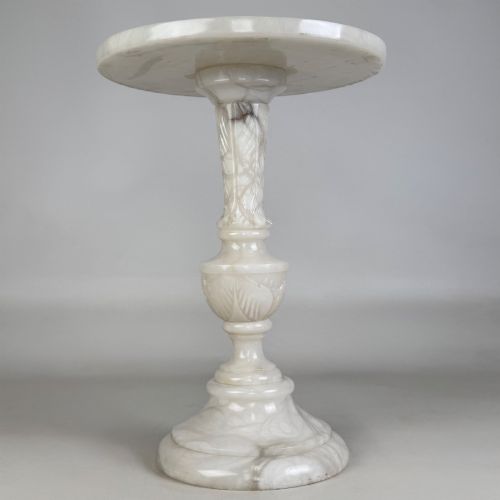
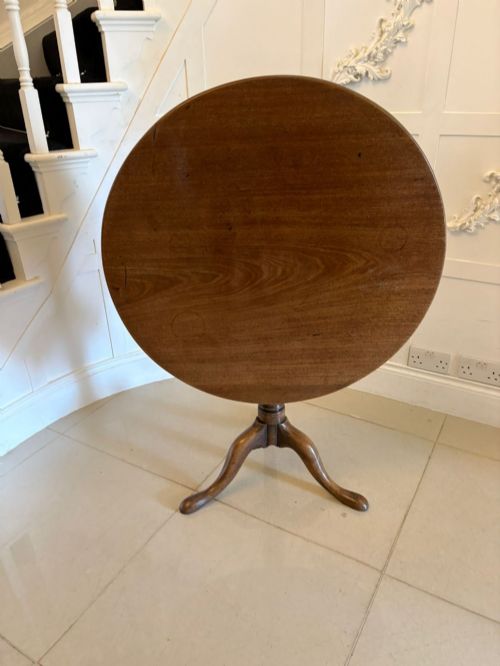
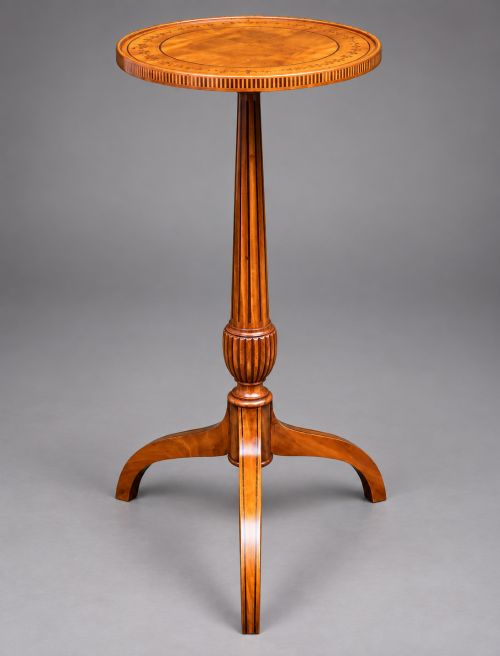
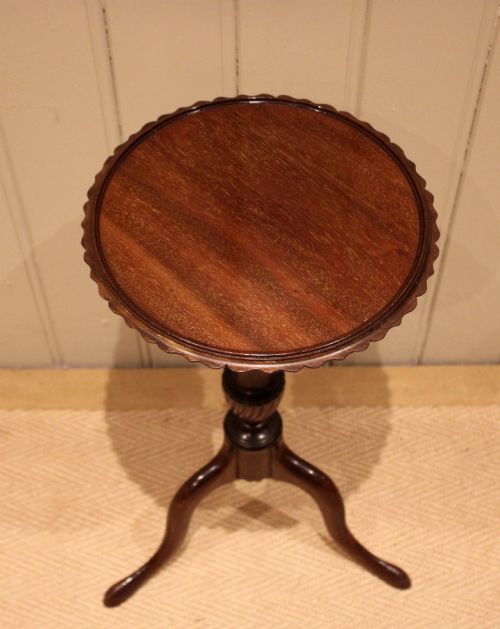
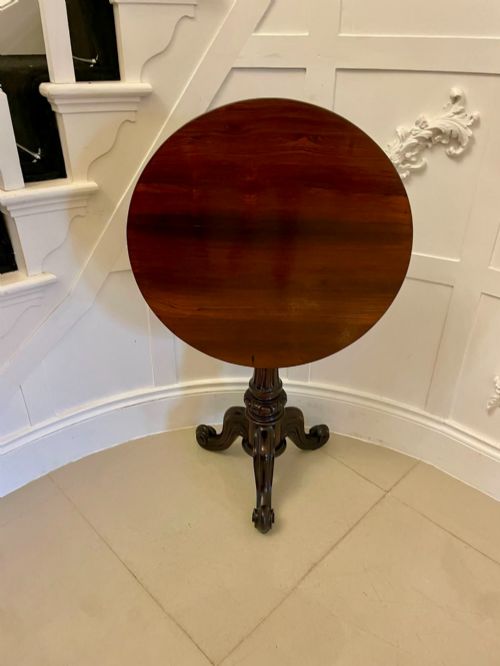
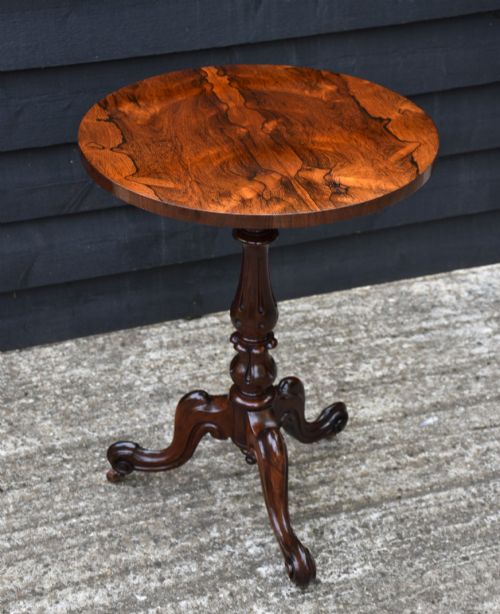
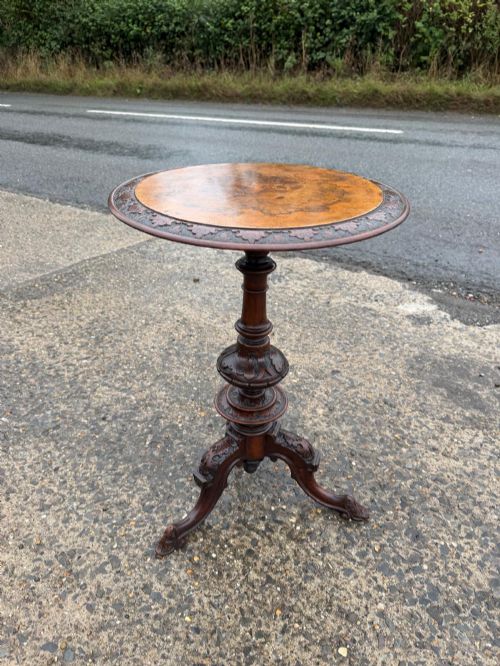
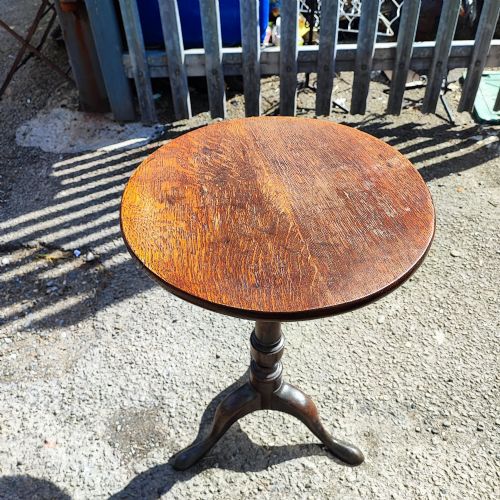
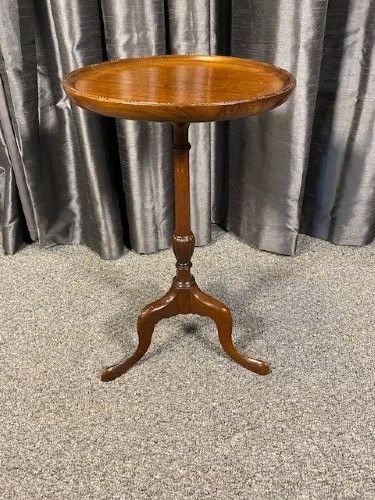
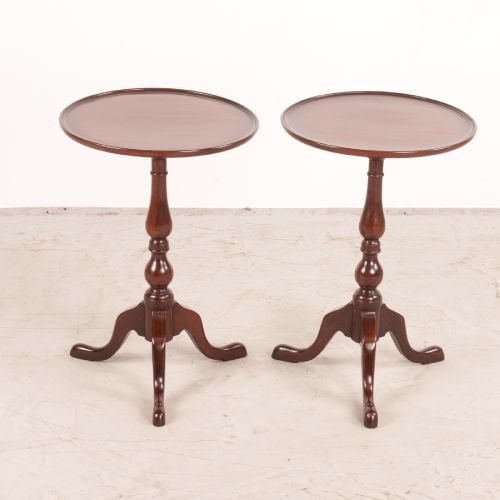
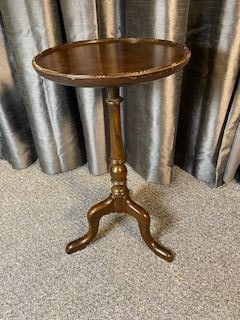
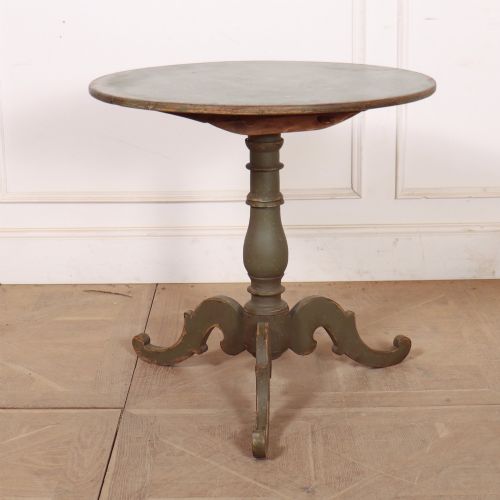
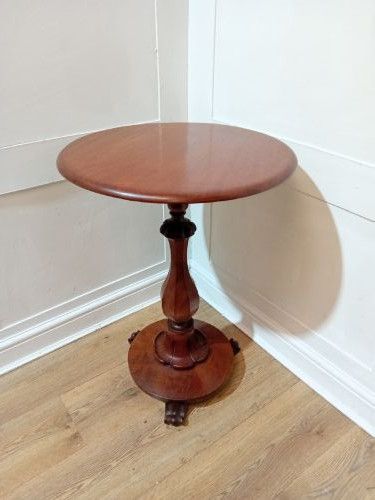
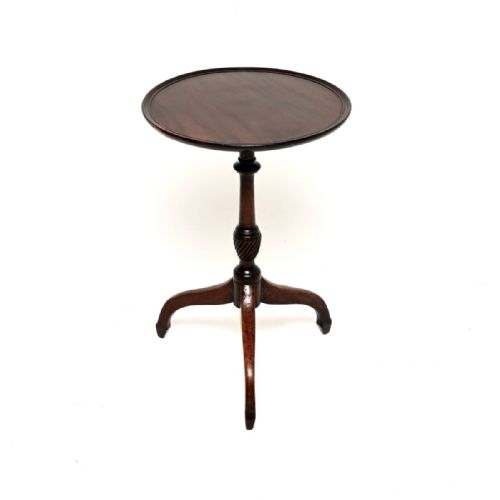
These pieces are circular pedestal lamp tables, compact surfaces designed to hold light near a seat and carry a lamp.
Circular Pedestal Lamp Table
A circular pedestal lamp table stands on a central column supported by tripod legs or a heavy base. These small pieces serve as lamp tables, wine tables, and occasional tables beside seating. The selection here spans the Georgian, Regency, William IV, and Victorian eras, along with Edwardian and later interpretations.
Mahogany dominates the listings, frequently paired with rosewood, walnut, burr walnut, oak, and marble tops. You will also encounter specialised woods such as amboyna, yew, maple, and brass accents on continental forms. English workshops produced many of these, alongside French and Italian examples.
Formats range from simple tilt-top tripod tables to elaborate lamp tables with scalloped edges or leather inserts. Smaller wine tables and low occasional tables appear alongside larger centre tables and metamorphic designs. The central column configuration allows these tables to fit neatly into domestic spaces.
Materials and Construction
Cabinet makers utilised solid timber for turned pedestals and tripod legs, often applying figured veneers such as burr walnut, rosewood, and mahogany to the circular tops. Timber selection dictated the character of the surface, with distinct grain patterns enhanced through polishing.
Joint construction typically involved sturdy pegging or tenoning where the column meets the legs and the top block. Tilt-top mechanisms incorporated clever catch blocks and brass latches to allow the surface to fold away when not in use.
Finishes relied on traditional hand-applied French polish or oil to protect the wood while accentuating natural tones. Marble tops on French and continental pieces sat within fitted wooden rims to support the heavy stone slab securely.
Listings feature mahogany, rosewood, oak, walnut, burr walnut, marble, and brass across Georgian, Regency, William IV, and Victorian periods.
Quality and Distinction
The sophistication of the timber figure on the circular top separates standard utility pieces from exceptional examples. Dense, richly grained rosewood, burr walnut, and amboyna indicate a higher grade of material selection by the maker.
Stability and balance depend upon the joinery connecting the central pillar to the tripod feet. Fine execution shows seamless integration between the turned column and the legs without visible movement or awkward proportions.
Refinement in the turning of the pedestal and the carving of the legs distinguishes workshop output. Crisp moulding details and thoughtful brass or leather embellishments elevate the status of an occasional table.
A Hugnet Paris
The Circular Pedestal Lamp Table Glossary
- Tripod table
- A small circular table supported by a central pillar and three legs. This construction keeps the table stable on uneven floors.
- Gueridon
- A small ornamental French table, often featuring a circular marble top and a central pedestal. These frequently date from the nineteenth century.
- Tilt-top
- A hinged table top that folds vertically to save space when stored against a wall. This mechanism is common on wine and occasional tables.
- Snap top
- An alternative term for a tilt-top table utilising a spring catch to lock the surface horizontal. It prevents the top from tipping accidentally.
- Occasional table
- A general designation for small, moveable tables used for specific tasks around a room. They include lamp tables, wine tables, and side tables.
Circular Pedestal Lamp Table: Frequently Asked Questions
What is a circular pedestal lamp table used for?
These tables provide a compact surface for lighting, drinks, or small decorative items beside a chair or sofa. Their small footprint makes them versatile additions to sitting rooms and libraries.
The central pedestal design ensures that legs do not obstruct seating placement. Historically, smaller versions functioned specifically as wine tables during evening gatherings.
How do I date a mahogany lamp table?
Dating relies on the style of the pedestal, the species of secondary timbers, and construction methods. Georgian and Regency examples often feature slender turned columns and delicate tripod legs.
Later Victorian and Edwardian pieces tend to show heavier proportions, different turning profiles, and machine-cut elements. Comparing the timber grain and the method used to attach the top provides further chronological clues.
What is the difference between a wine table and a lamp table?
Wine tables traditionally featured smaller, tilt-top surfaces designed to hold glasses or bottles during the eighteenth and nineteenth centuries. Lamp tables generally offer slightly broader fixed surfaces intended to support heavy oil lamps or early electric lighting.
Over time, the terms became largely interchangeable as owners repurposed these small tables to suit modern domestic needs.
Can I use an antique pedestal table every day?
These pieces were built for daily use in nineteenth-century homes and remain sturdy enough for modern living. Using coasters helps protect polished timber surfaces from moisture and heat.
Placing them away from direct heat sources and strong sunlight preserves the polish and prevents the timber from splitting.