


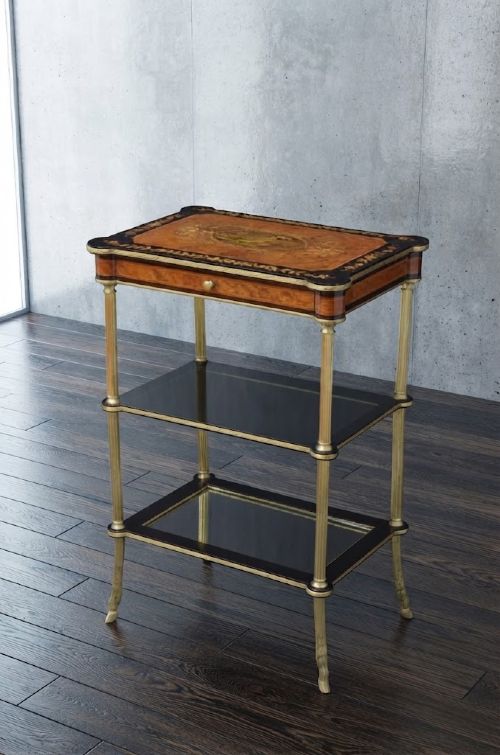
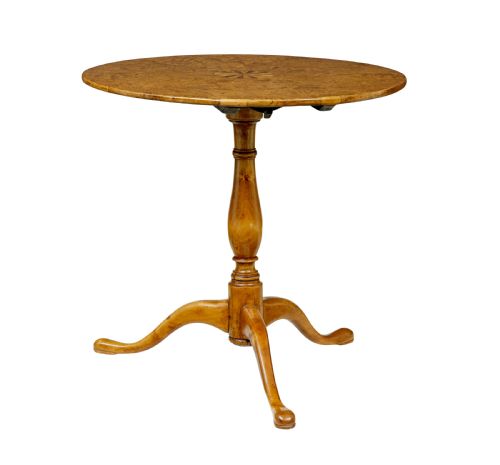
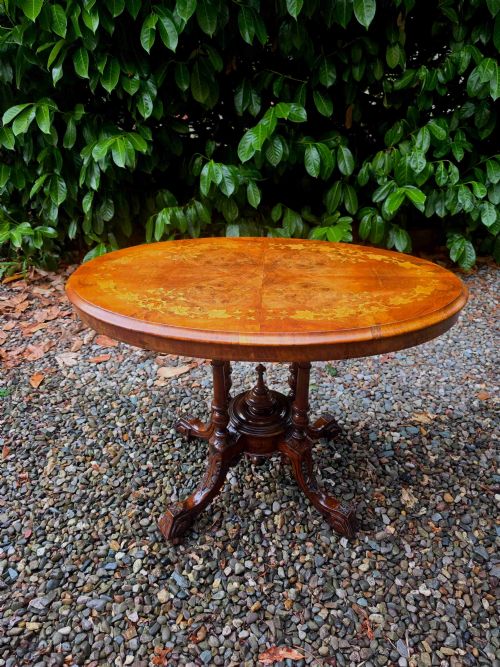
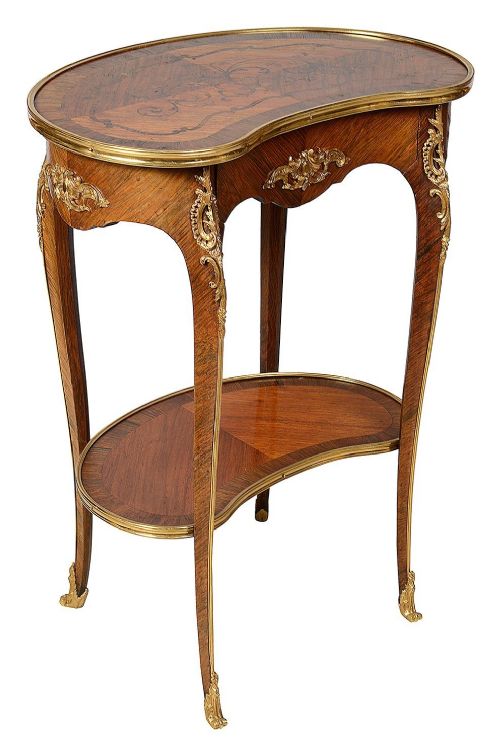
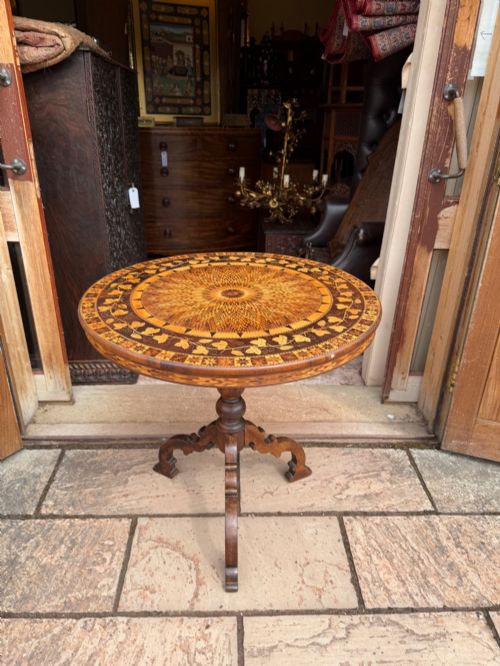
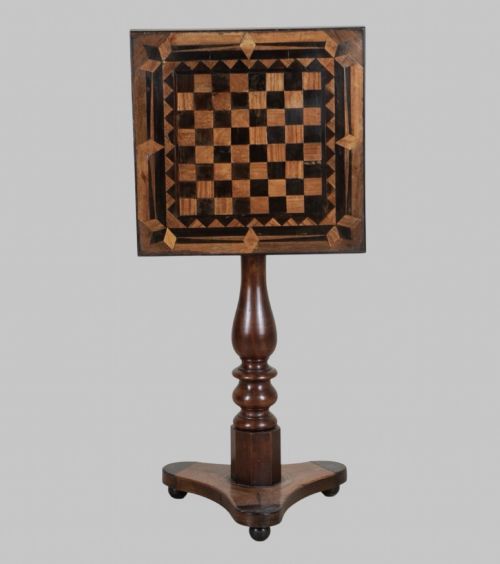
Marquetry Inlaid Occasional Table
When you search for a marquetry inlaid occasional table, you encounter small, decorative stands transformed by intricate wood veneers depicting floral motifs or geometric patterns.
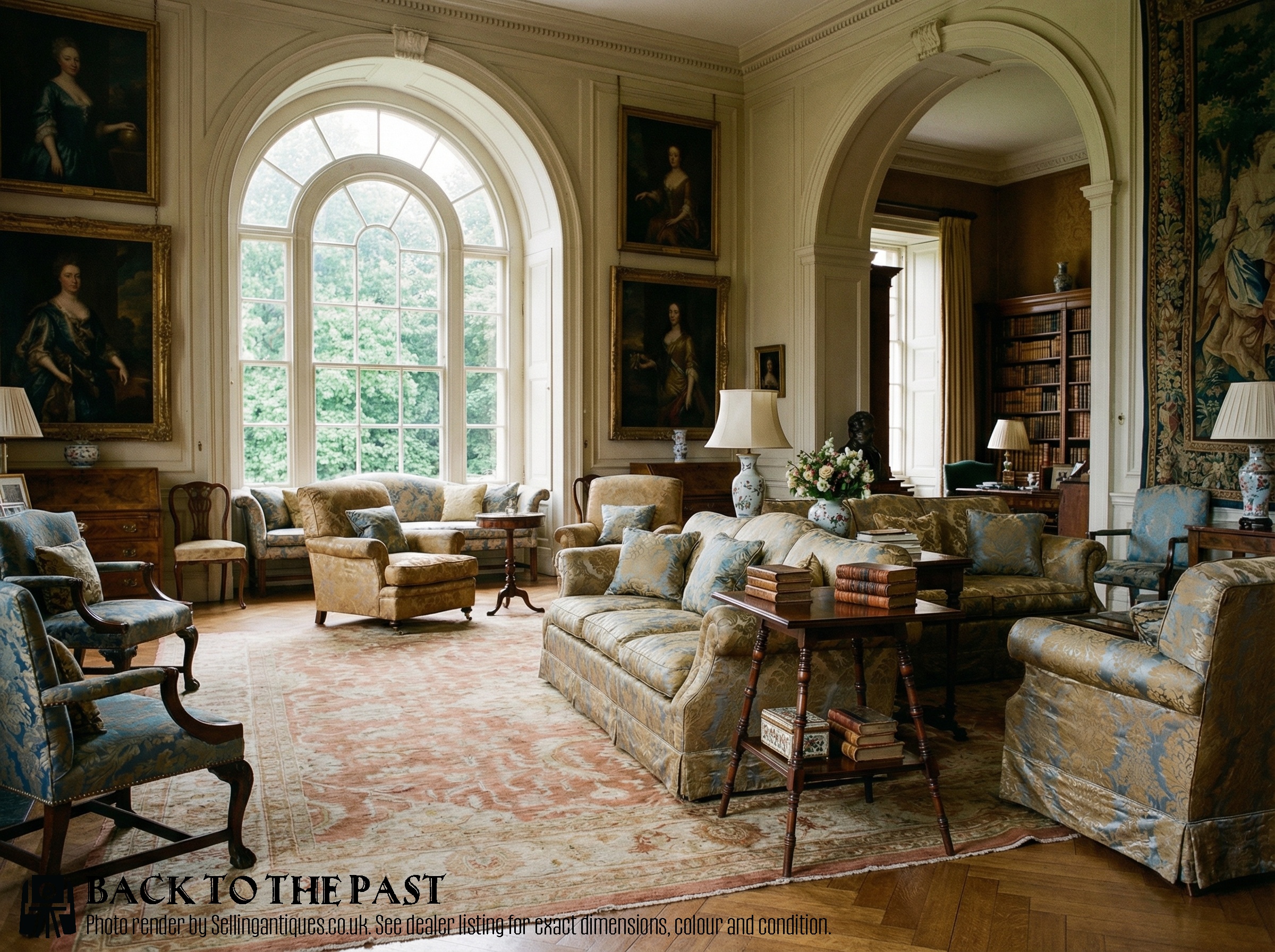
Marquetry Inlaid Occasional Table
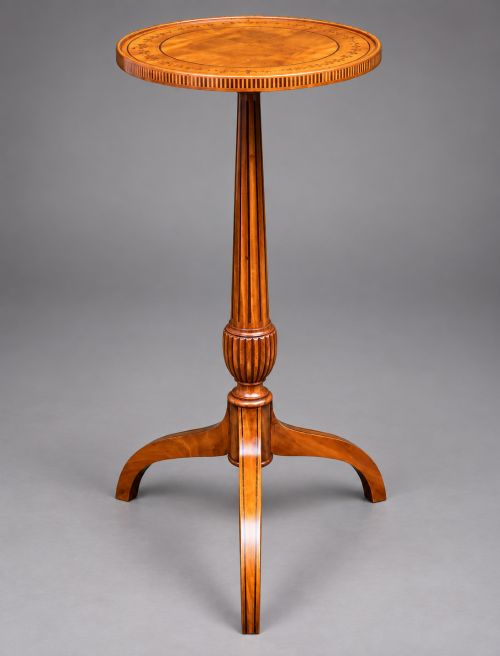
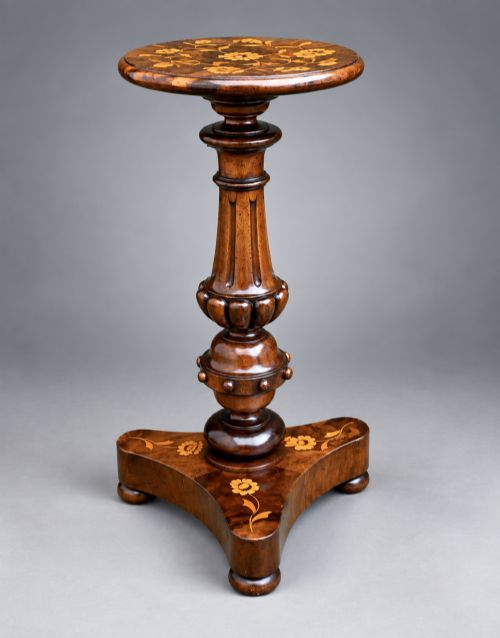
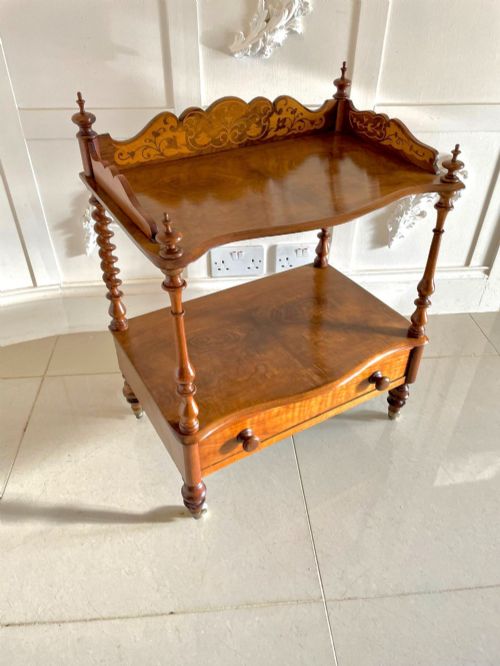
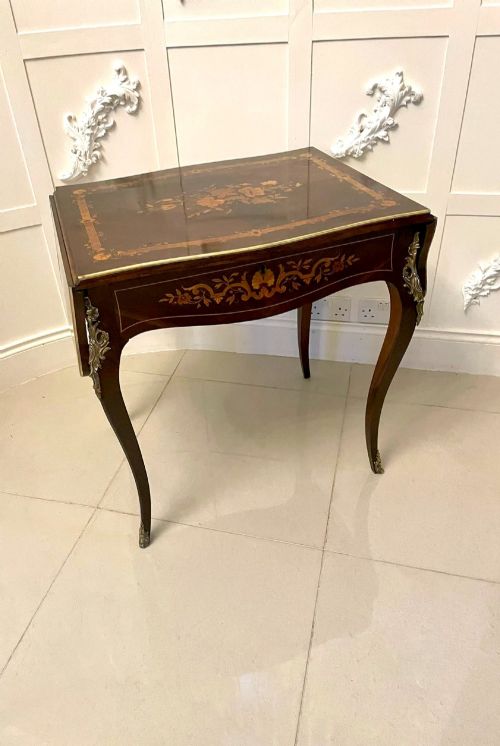
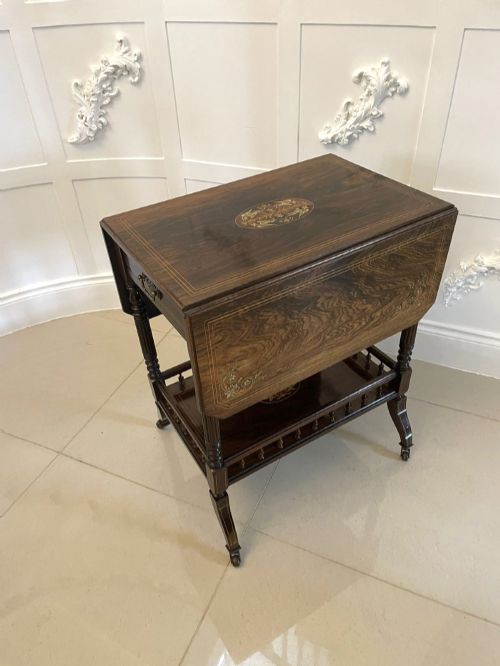
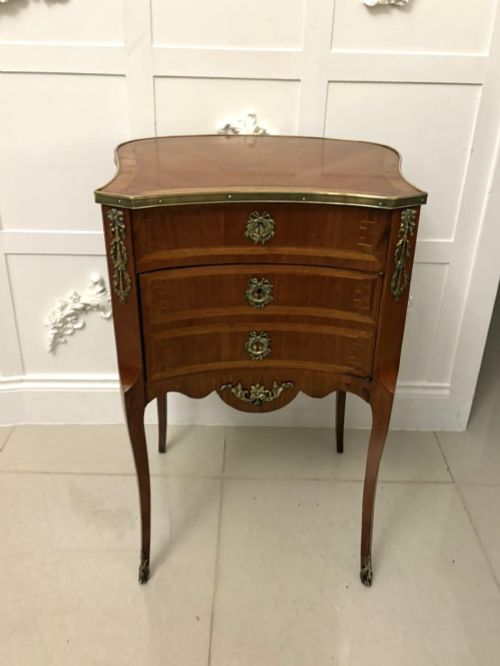
A marquetry inlaid occasional table is a small, moveable piece designed for functional use as a lamp stand, coffee table, or side table in nineteenth and early twentieth century interiors. These tables span several distinct eras, with Victorian burr walnut examples and Edwardian satinwood or mahogany designs appearing frequently alongside French Louis XV style centre pieces.
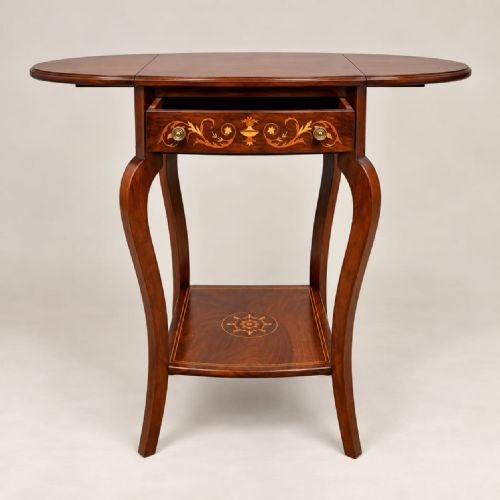
Makers produced diverse forms ranging from drop-leaf sewing tables and oval lamp tables to octagonal tables and kidney-shaped tea tables. While many originate from British workshops, French and Italian Sorrento makers also contributed significantly to the surviving repertoire.
The integration of detailed pictorial or abstract veneers defines the category, turning simple occasional furniture into focal points for a room.
How they were made
Craftsmen built these tables using sturdy secondary timbers like mahogany or pine as a carcase, applying fine veneers of walnut, rosewood, satinwood, kingwood, or fruitwood to the visible surfaces. Marquetry involves cutting contrasting thin wood veneers together to form pictorial designs, which are then glued into recesses on the table top.
Ormolu mounts, brass edging, and mother of pearl details frequently supplement the wood veneers, particularly on French revival and Middle Eastern pieces. Ebonised finishes and gilt bronze mounts add further contrast to the complex timber patterns found on Victorian and Edwardian examples.
Period origins span from eighteenth-century Sheraton designs through to early twentieth-century Arts and Crafts and Moorish style occasional tables.
What varies in quality
The standard of a marquetry inlaid occasional table depends largely on the precision of the veneer work and the depth of figure in the background timber. Burr walnut and figured satinwood provide superior visual movement compared to plain secondary woods.
Execution of the pictorial inlay separates standard production from exceptional pieces, where shading is achieved by scorching veneer edges in hot sand. The choice of underlying timber, stability of the frame construction, and presence of original mounts dictate the overall grade of the piece.
Gillows·Donald Ross·Maple and Co·Liberty and Co
The Marquetry Inlaid Occasional Table Glossary
- Marquetry
- The art of applying decorative pieces of veneer to a structural structure to form pictorial or geometric designs. This technique distinguishes ornamental tables from plain veneered surfaces.
- Parquetry
- Geometric mosaic woodwork arranged in regular patterns like cubes or chequers. It differs from marquetry through its reliance on repeating angular shapes rather than figurative motifs.
- Ormolu
- Gilded bronze mounts used extensively on French and English tables during the nineteenth century. These metal enrichments protect corners and frame the inlaid tops.
- Burr walnut
- A highly figured timber harvested from walnut tree growths, prized for its swirling grain patterns. It forms the primary visual field for many Victorian table tops.
- Satinwood
- A pale, lustrous hardwood utilised for fine English and continental furniture inlay. Its reflective quality creates bright contrasts against darker rosewood or mahogany.
Marquetry Inlaid Occasional Table: Frequently Asked Questions
How do I identify French marquetry?
French pieces often utilise kingwood or rosewood grounds paired with elaborate floral sprays and gilt bronze or ormolu mounts. The style frequently reflects Louis XV revival tastes with curved cabriole legs.
English equivalents tend to favour burr walnut or satinwood with more restrained geometric banding or Sheraton revival motifs. Examining the underlying construction timber often clarifies the origin of the workshop.
How do I care for antique veneer?
Maintain stable humidity levels in your room to prevent the thin wood veneers from lifting or cracking over time. Avoid placing these tables in direct sunlight, which can fade sensitive rosewood and satinwood colours.
Clean surfaces with a dry cloth and apply occasional high-grade wax polish to nourish the timber. Protect the top from moisture by using coasters beneath any lamps or cups.
Are these tables sturdy enough for daily use?
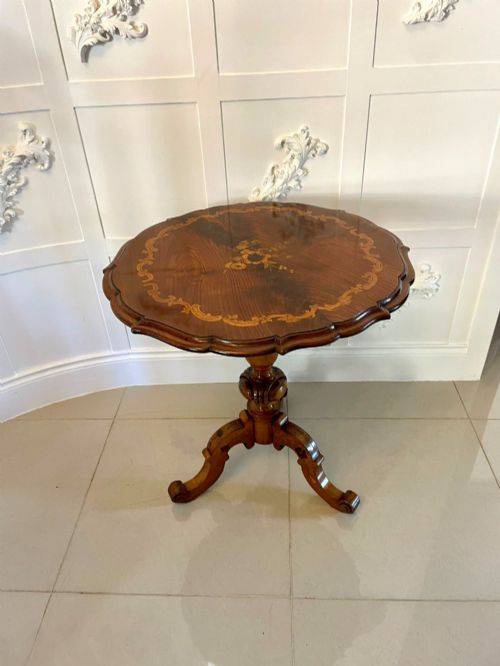
Most occasional tables were constructed for light domestic duties rather than heavy weight-bearing tasks. Three-legged tripod bases and delicate Pembroke designs require careful placement to avoid tipping.
Heavier centre tables and pedestal forms offer greater stability for everyday placement. Checking the tightness of joints ensures the structure remains sound during normal use.