

Marquetry Display Bookcase
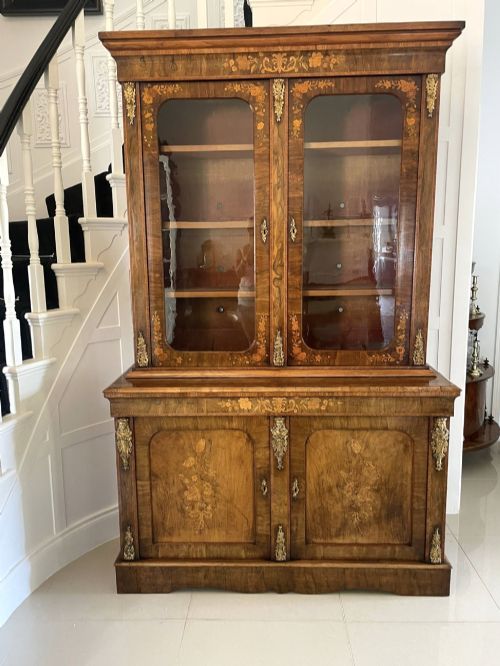
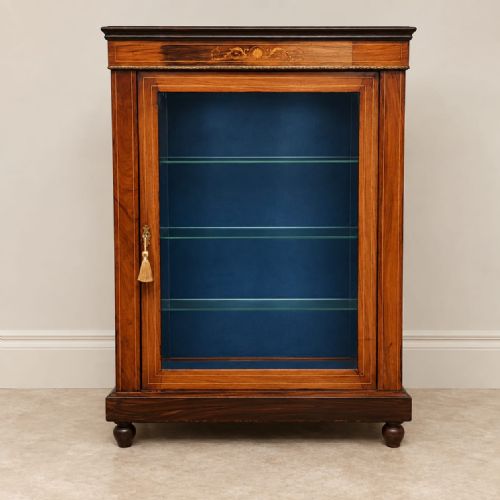
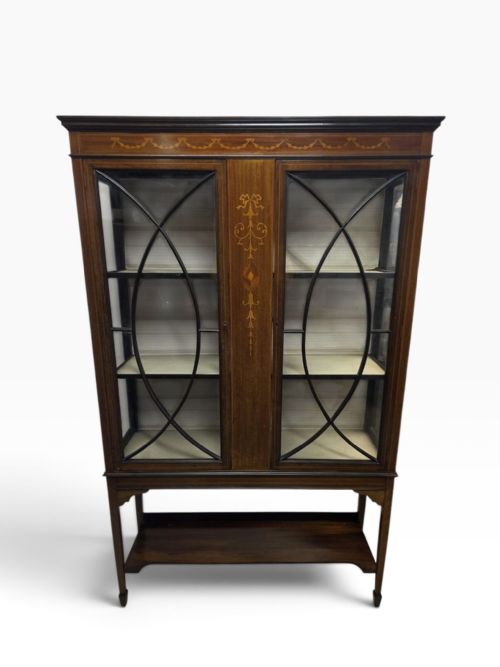
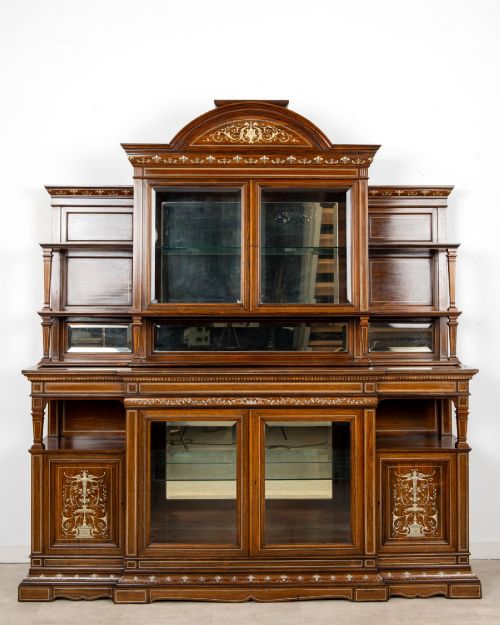
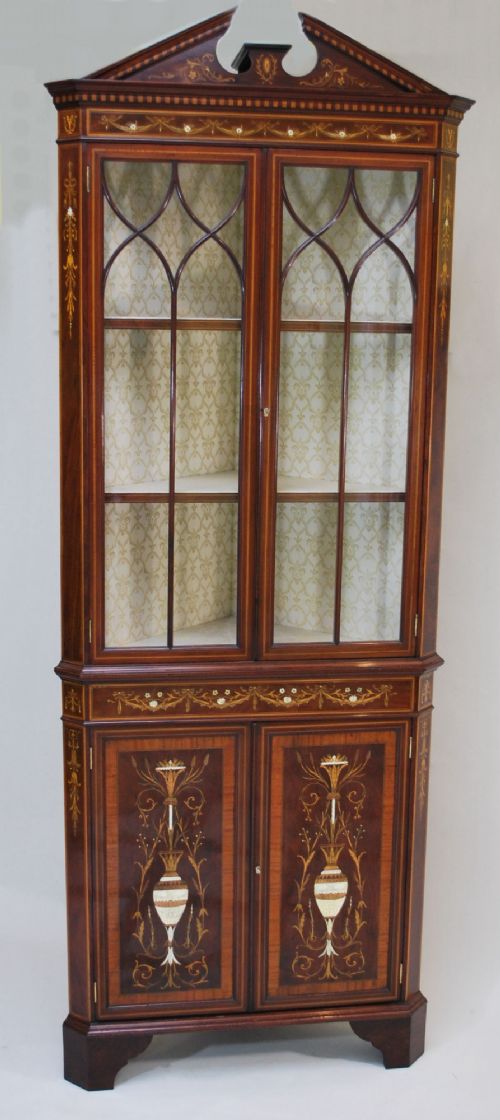
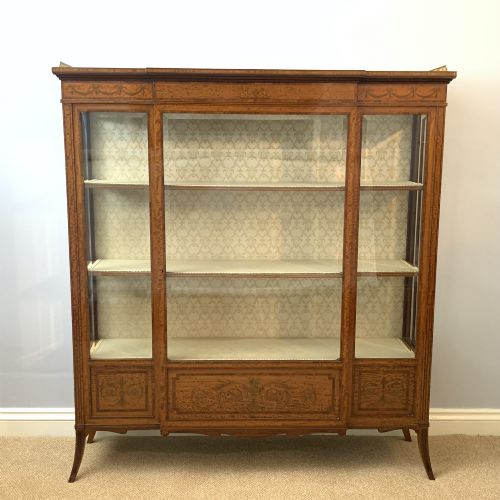
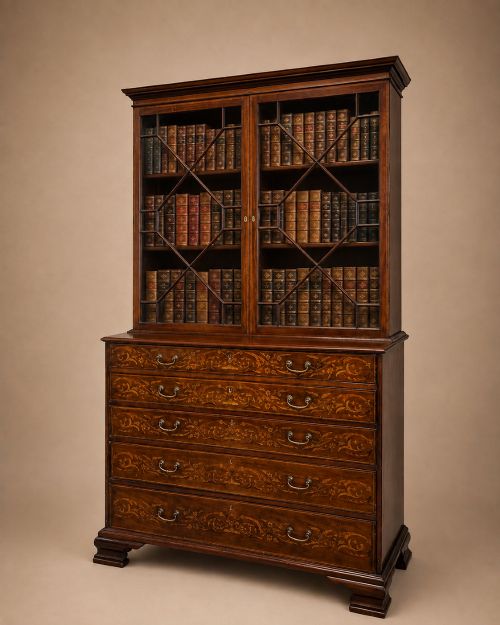
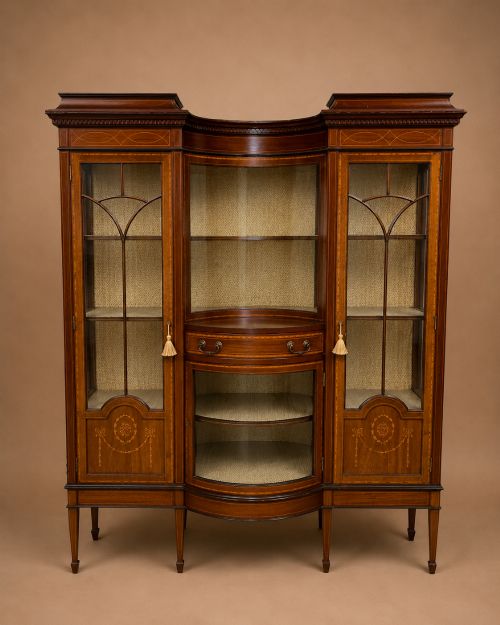
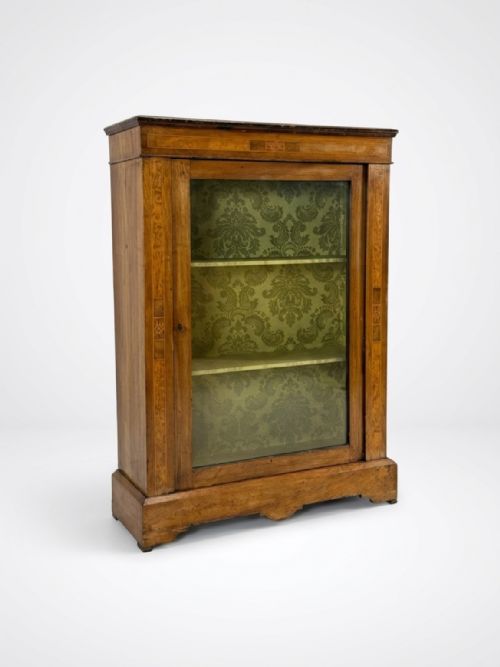
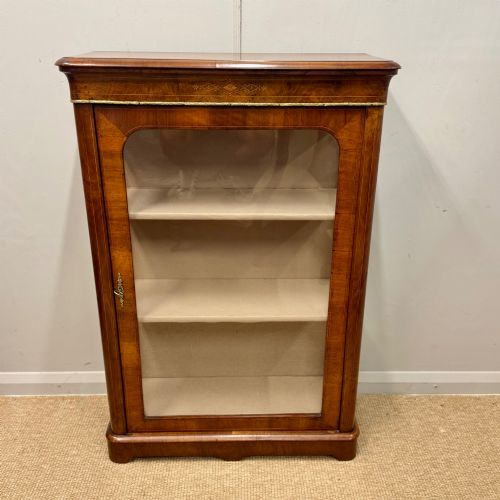
A marquetry display bookcase brings together intricate floral and pictorial wood inlays with glazed shelving for holding treasured books and objects.

Marquetry Display Bookcase
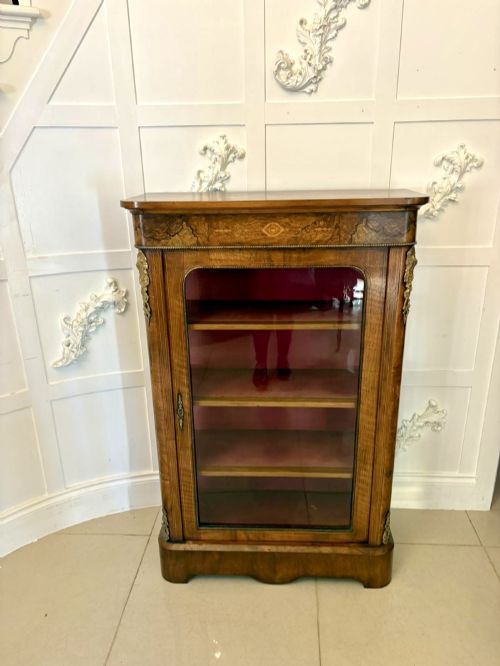
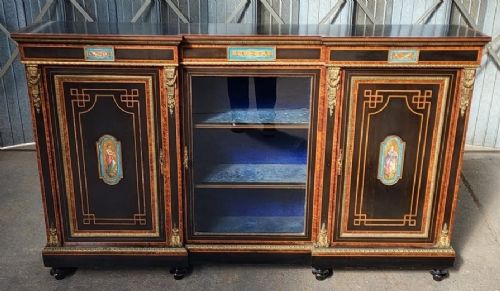
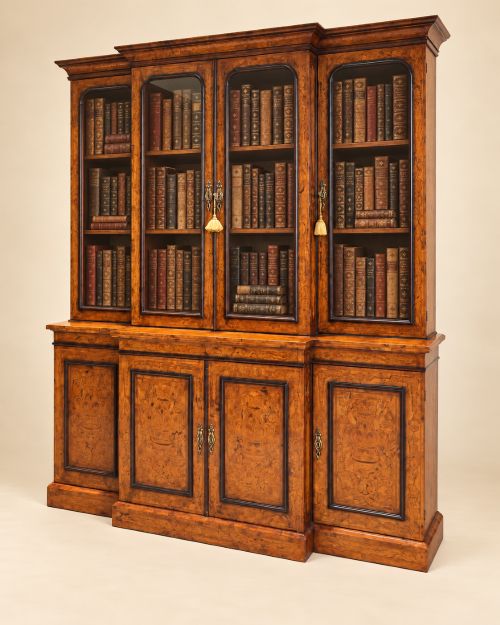
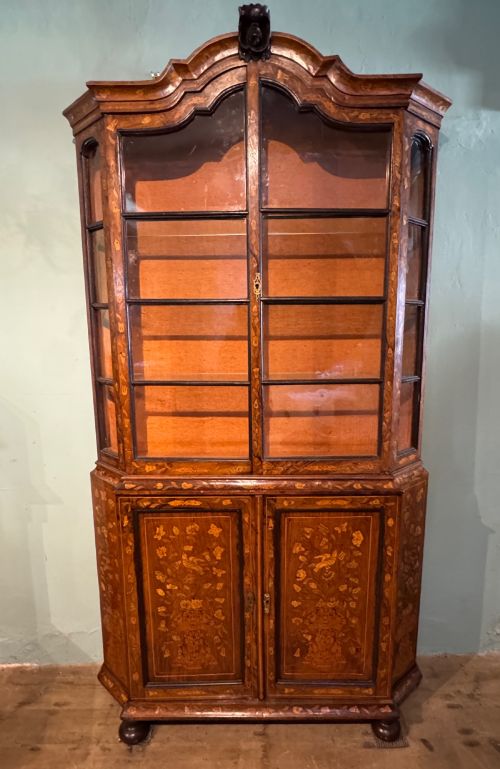
A marquetry display bookcase combines the storage function of a traditional bookcase with glazed upper sections or cabinet spaces designed to exhibit books and delicate items. These pieces emerge predominantly from the nineteenth and early twentieth centuries, spanning Victorian, Edwardian, and revival aesthetics.
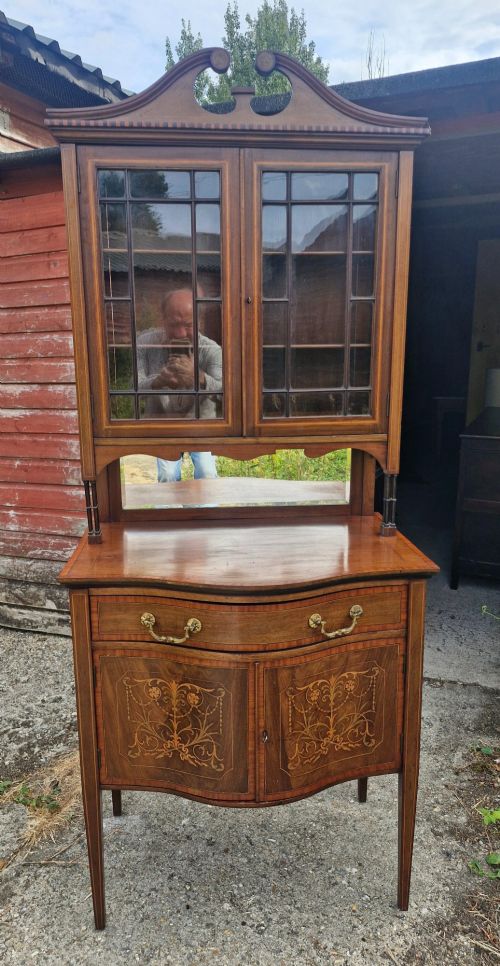
Origins vary across English workshops, Dutch makers, and continental European centres, with several pieces drawing on Sheraton Revival and Louis XV design idioms. The primary function remains the combination of protected shelving and decorative surface enrichment.
Materials and construction methods
Carpenters utilised sturdy primary timbers such as mahogany, walnut, and satinwood for the structural carcasses, incorporating burr walnut veneers to yield rich, swirling grain patterns across the primary surfaces. Specialised contrasting woods were sliced finely to create the pictorial marquetry motifs embedded into the panels.
Metal components played a structural and decorative role, with cast or chased ormolu mounts and brass fittings securing corners, framing glass panels, and accentuating door borders. Glass panes were fitted into timber frames or vitrine doors to enclose the display compartments securely.
Marquetry Display Bookcase Retail Price Guide 2026
Typical asking prices for marquetry display bookcase among the pieces listed under this phrase on Sellingantiques today, from the lower quarter to the upper quarter. They describe what is for sale here now, not the wider market.
Listings feature mahogany, walnut, satinwood, and rosewood cabinets ornamented with brass, ormolu, and glass.
Factors determining quality
Quality rests significantly on the precision and complexity of the wood inlays, where tightly fitted botanical or pictorial marquetry demonstrates superior craftsmanship compared to simpler geometric stringing. The choice of underlying timber, such as highly figured burr walnut or select satinwood, distinguishes standard utility furniture from high-end commissions.
The integration of cast ormolu mounts and the weight of the timber framing elevate the architectural presence of the cabinet. Finer examples display meticulous attention to interior shelving adjustments, secure door alignment, and uncompromised glazed panels.
Collinson and Lock·Edwards and Roberts·Lamb of Manchester·August Ungethüm·Maple and Co
The Marquetry Display Bookcase Glossary
- Marquetry
- Decorative veneer work arranged in intricate pictorial or floral patterns across a wooden surface. This technique employs various contrasting timbers to create detailed motifs.
- Ormolu
- Gilded bronze mounts applied to furniture edges and corners for ornamentation. These decorative metal additions became prominent during the nineteenth century.
- Pier Cabinet
- A narrow cabinet designed specifically to stand against the wall space between windows. These compact display pieces were popular in Victorian drawing rooms.
- Vitrine
- A glass-fronted display cabinet intended for exhibiting porcelain, curiosities, or fine books. The glass panels permit illumination of the contents from multiple angles.
- Burr Walnut
- Timber taken from the abnormal growth of a walnut tree, yielding a swirling, highly figured grain. Cabinet makers prized this wood for high-status veneered panels.
Marquetry Display Bookcase: Frequently Asked Questions
What is a marquetry display bookcase?
A marquetry display bookcase is a cabinet featuring glazed sections for exhibiting books or objects, embellished with detailed wood veneer patterns.
These pieces combine storage with decorative surface artistry, utilising contrasting timber veneers to form floral or geometric designs.
How do I date these cabinets?
Dating relies on examining the timber choices, structural styles, and hardware associated with specific periods like the Victorian and Edwardian eras.
Cabinet construction methods and prevailing design revivals, such as Sheraton Revival or French Belle Epoque, also help narrow down the decade of manufacture.
Where were these bookcases placed?
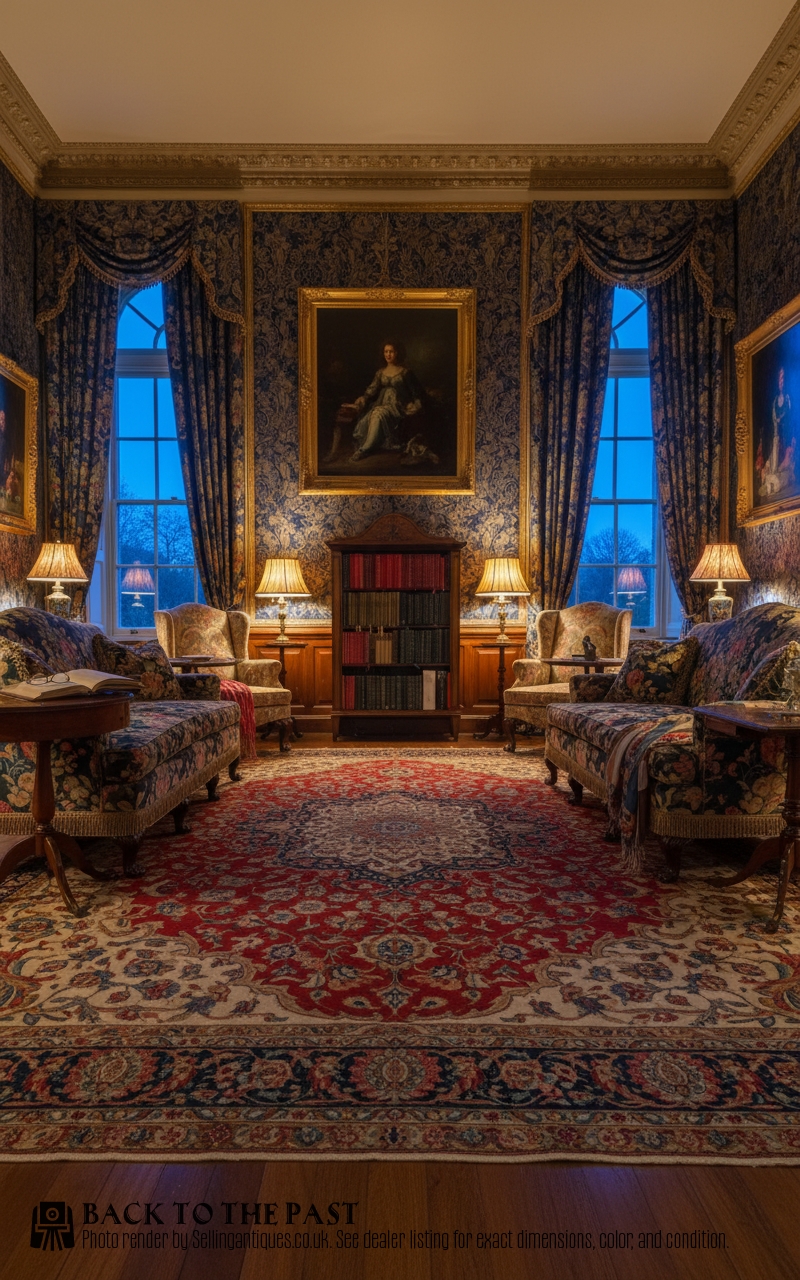
These cabinets traditionally stood in formal drawing rooms, libraries, or parlours where hosts displayed their literary collections and valued ornaments.
Narrower pier variants fitted neatly between windows, while larger breakfront and bureau forms anchored the walls of larger studies.
How do I care for the wood?
Maintaining these pieces involves keeping them out of direct sunlight to protect the sensitive veneers and delicate timber tones from fading.
Applying appropriate furniture wax occasionally helps nourish the polished wood surfaces without building up heavy residues.