





Maritime Landscape Painting
A maritime landscape painting captures the movement of water, light on coastal shores, and the enduring presence of vessels upon rivers and seas.
Maritime Landscape Painting
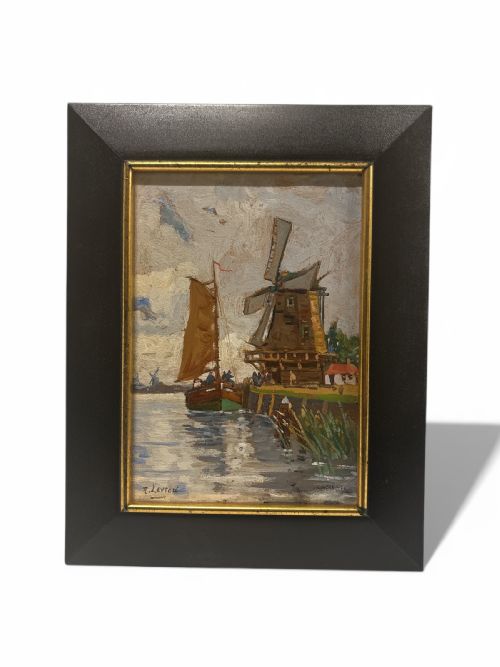
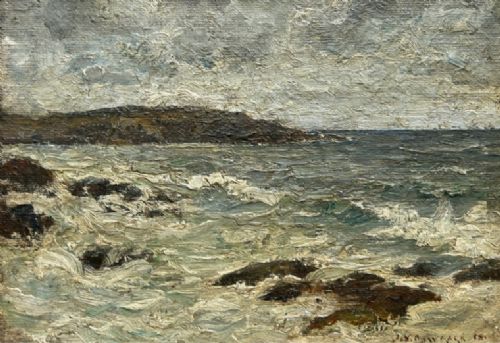
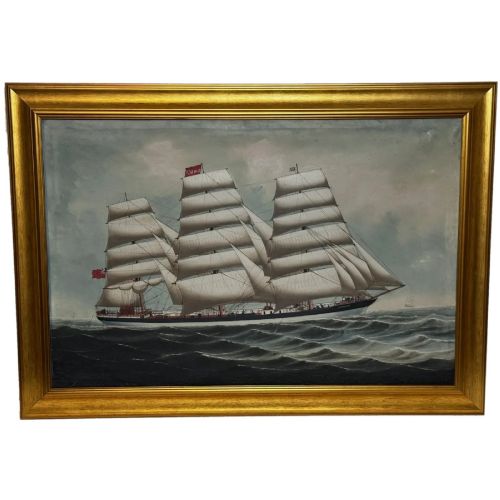
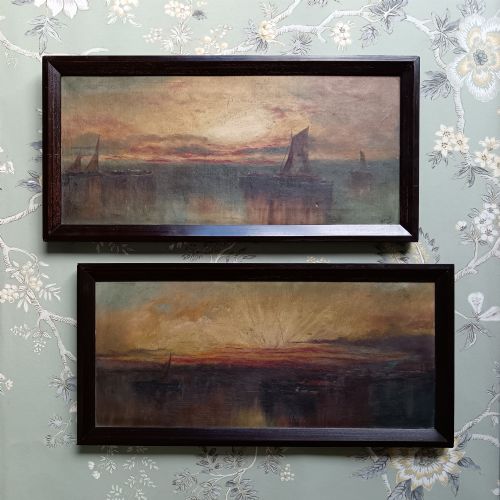
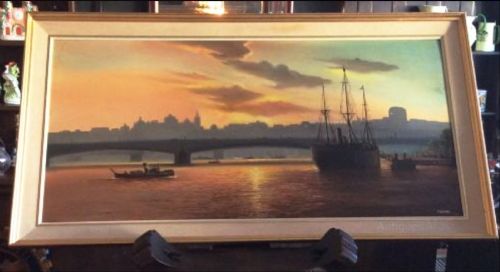
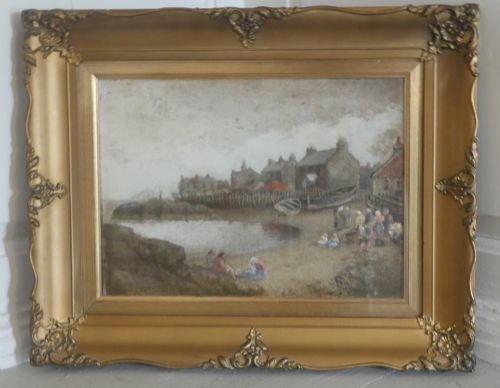
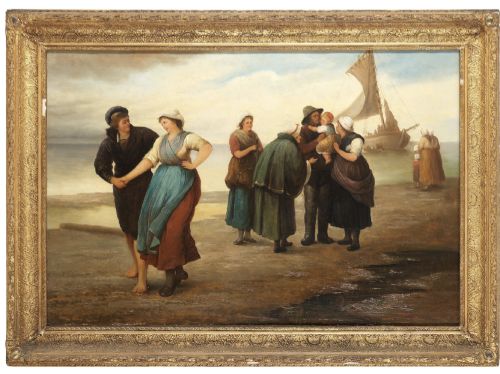
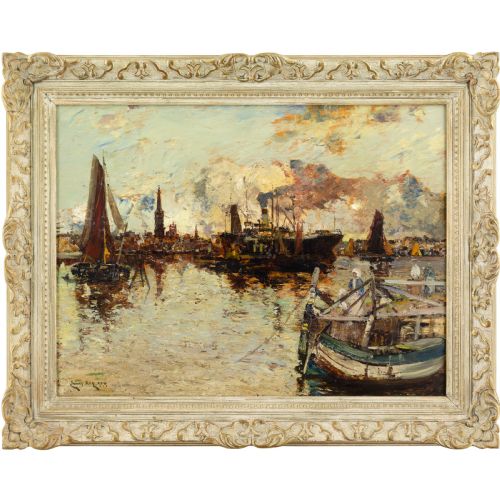
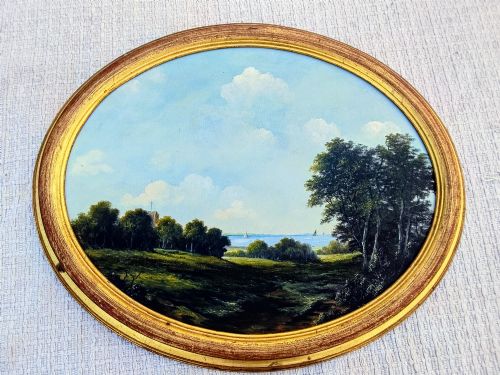
A maritime landscape painting depicts coastal shores, harbours, rivers, and open waters populated by fishing boats, barges, and larger vessels. These works record the changing light and weather of sea and land, ranging from calm Venetian lagoons to stormy northern estuaries.
The selections available span from the nineteenth century through the Edwardian period and into the mid-twentieth century, encompassing both British and European views. Buyers encounter oils on canvas or board alongside watercolours on paper, often set within period frames of gilt wood.
Many compositions focus on specific locations such as London bridges over the Thames, northern harbours like Anstruther, or continental ports including Palermo and Antwerp. They function simultaneously as topographical records and atmospheric studies of light upon water.
How They Were Made
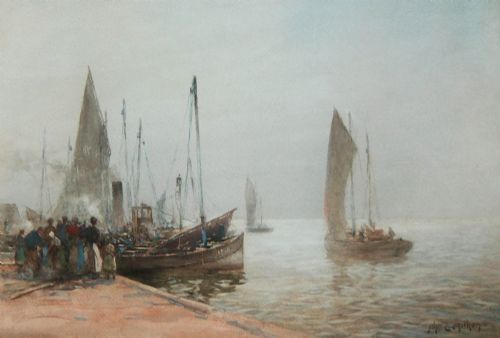
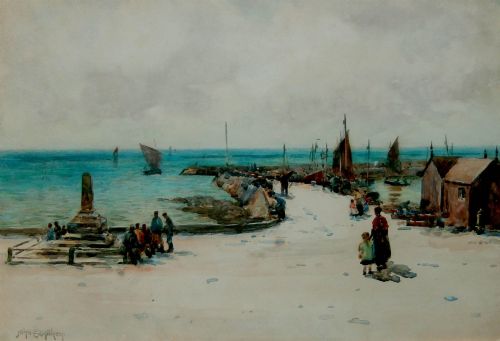
Painters utilised oil paint applied to canvas, board, or paper to build depth and texture, sometimes employing a thick impasto technique to render the churn of coastal waves. Others worked in watercolour on paper, capturing luminous skies and transparent washes of sea and river water.
Canvases were stretched and mounted within wooden frames, frequently finished in gilt wood to complement the visual weight of the pigment. Board supports were also common, particularly for smaller outdoor studies executed directly in the landscape.
Maritime Landscape Painting Retail Price Guide 2026
Typical asking prices for maritime landscape painting among the pieces listed under this phrase on Sellingantiques today, from the lower quarter to the upper quarter. They describe what is for sale here now, not the wider market.
Horses once shared coastal paths with smugglers, as recorded by nineteenth-century painters watching the tides.
What Varies in Quality
The strength of a composition rests on the artist's handling of atmospheric light and the convincing movement of water against hull and shore. Weaker works rely on formulaic arrangements, whereas accomplished examples demonstrate acute observation of maritime weather and topography.
The integration of the painted surface with its original frame affects the integrity of the piece, as period gilt wood settings enhance the visual context of nineteenth and early twentieth-century works.
Kenneth Cozens·James Orrock·R Leyton·Reginald Arthur Borstel·B. Nash·James E. Aitken·John E. Aitken·William Banks Fortescue·James Kay·Thomas William Morley·Bonaventura Peeters·Peter Brannan·Francis Moltino·Paul Bret·Hector Caffieri·Bernard Benedict Hemy·Thomas Creswick·Lucy Pratt·Cyril Walduck Edwards·Willem Bos·Thomas Maidment·Donald McIntyre·Cecil Allan Mould·John Wilson Carmichael·Alfred G. Morgan
The Maritime Landscape Painting Glossary
- Seascape
- A work depicting the sea, coastal views, or marine activity. These pieces focus primarily on open water or coastal shores rather than inland topography.
- Impasto
- Paint applied thickly to a canvas or board, leaving visible brush or palette knife marks. This technique creates physical texture that catches the light and adds a sense of movement to water or clouds.
- Gilt wood
- Wood carved and covered with a thin layer of gold leaf or gold paint. Frames constructed in this manner were standard for framing fine art paintings through the nineteenth and twentieth centuries.
- Watercolour
- A paint consisting of pigment suspended in a water-based solution, typically applied to paper. It allows for translucent washes that suit the depiction of skies and water.
- Provenance
- The documented history of ownership of an artwork. Tracing this record establishes the authenticity and past exhibitions of a painting.
Maritime Landscape Painting: Frequently Asked Questions
What subjects do maritime paintings show?
These works depict harbours, coastal paths, rivers, and open seas with vessels ranging from small fishing boats to large merchant ships. Many capture specific locations such as the River Thames in London, European ports, or northern fishing havens.
Artists recorded the changing conditions of tides and weather, focusing on the interplay of light upon water, sails, and masonry along the shore.
Are these paintings executed in oil or watercolour?
The works utilise both oil and watercolour mediums depending on the artist's preference and period style. Oils appear on canvas or wooden boards, frequently building up textured surfaces through thick paint application.
Watercolours are executed on paper, offering transparent washes that capture luminous skies and coastal atmospheres.
How do I date a maritime painting?
Dating relies upon stylistic markers, costume details of figures depicted on quaysides or boats, and the recorded working periods of the artists. Signatures, inscriptions on the reverse, and historical framing styles provide further chronological clues.
Works span from the nineteenth century through the Edwardian era into the mid-twentieth century, reflecting evolving approaches to marine art.
How should I frame and display these works?
Many pieces retain their period gilt wood frames, which complement the tonal range of the paintings and protect the edges of the canvas or paper. Displaying them away from direct sunlight preserves the pigments of both oils and watercolours.
Ensuring stable indoor humidity prevents warping of wooden panels and degradation of paper supports over time.