
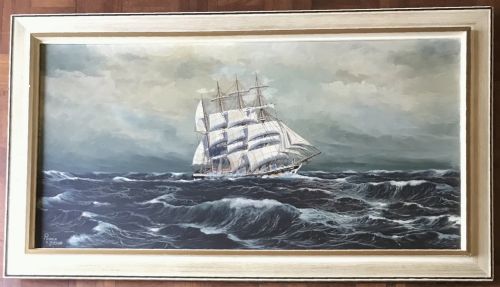
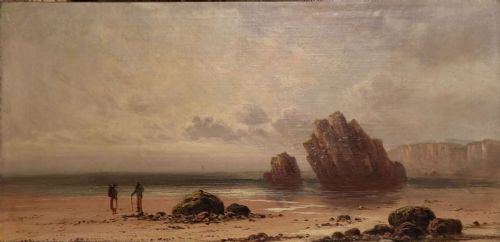



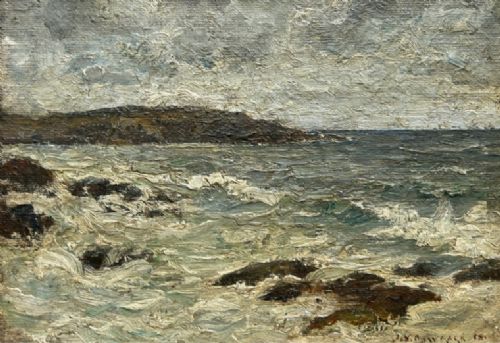
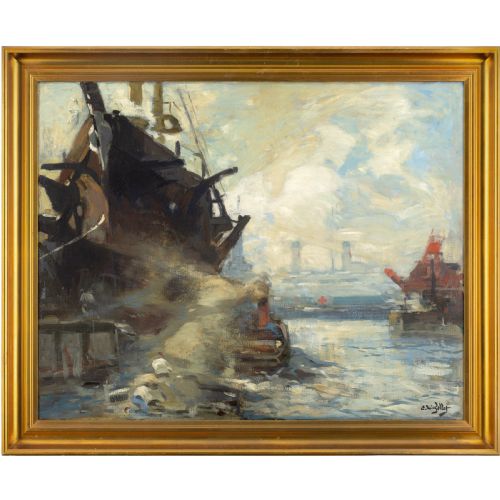

Marine Art Canvas
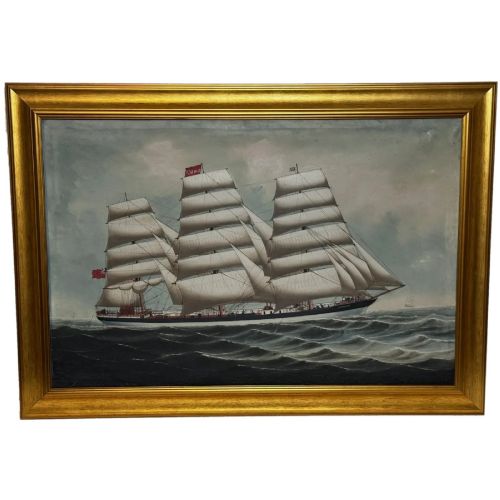
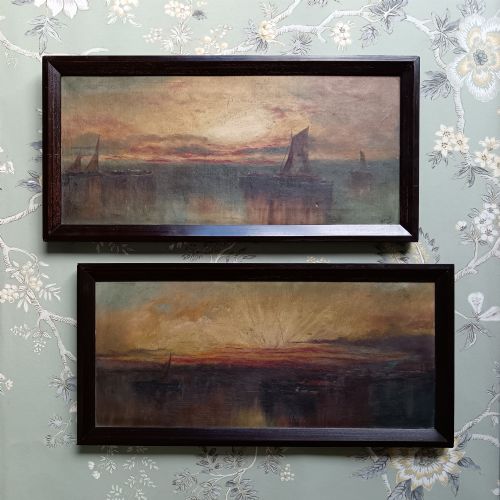
When you search for marine art canvas, you are looking at oil paintings capturing ships, shores, and seas spanning several centuries.
Marine Art Canvas
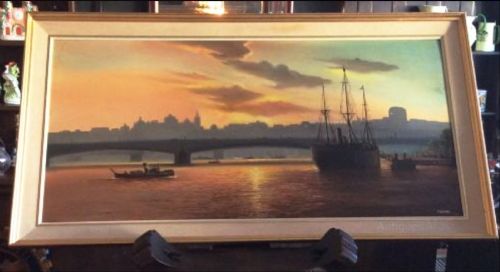
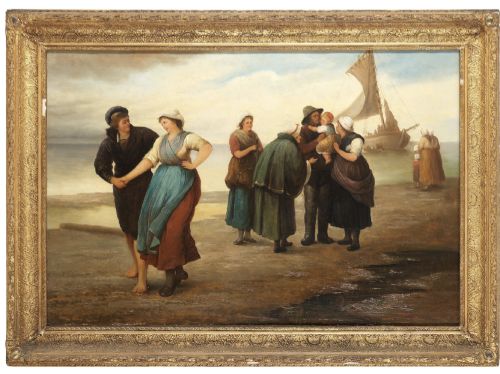
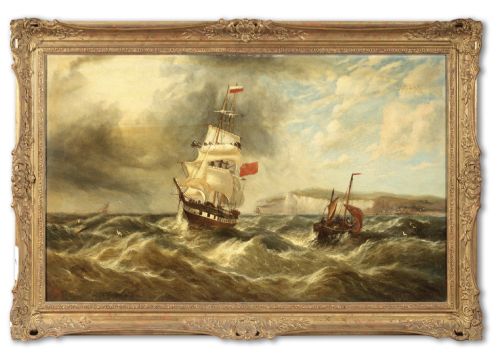
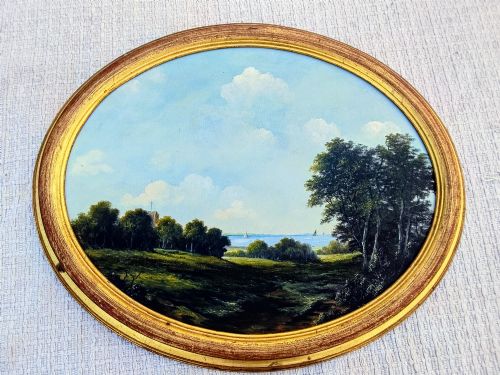
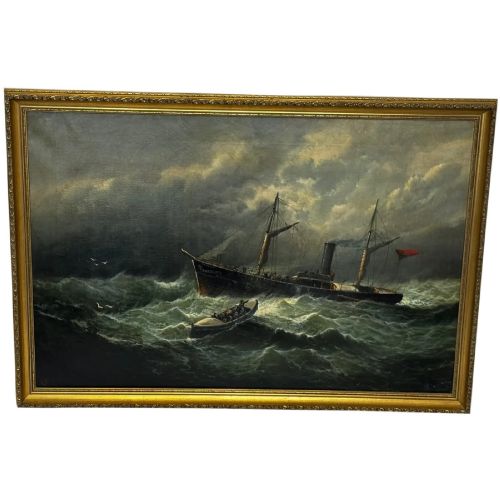
When you search for marine art canvas, you encounter a diverse selection of oil paintings depicting coastal views, river scenes, and open sea voyages. These works range from nineteenth-century depictions of merchant ships and naval vessels to mid-twentieth-century interpretations of harbours and coastal landscapes.
You are most likely to meet Victorian and nineteenth-century works alongside mid-twentieth-century examples on this page. The subjects stretch from turbulent gales involving Dutch boats to calm river scenes along the Thames featuring bridges and townscapes.
Materials and technique
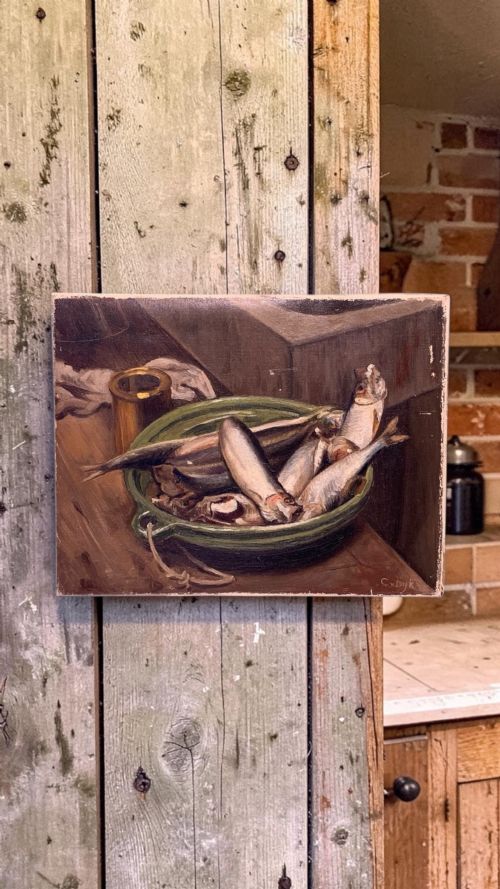
The primary foundation for these works is canvas, though wood and board also appear across various periods. Painters built their compositions using oil paint and oil on canvas, frequently housed within gilt or giltwood frames that complement the maritime subject matter.
Techniques vary from the smooth academic application seen in traditional school pieces to textured impasto oil painting on rocky coastal seascapes. Artists employed brushwork to render the movement of water, the play of light at sunset, and the heavy atmosphere of shipping in rough seas.
Several canvases capture unexpected maritime moments, from wartime hospital ships to submarine studies and oyster pickers.
Distinctions in standard
The distinction between a standard piece and a superior one rests upon the artist's command of light, atmosphere, and maritime architecture. Masterful handling of water surface movement, atmospheric perspective, and accurate vessel rigging elevate a painting beyond mere documentation.
Framing and preservation also contribute significantly to the overall quality of the piece. Surviving examples retaining their original giltwood frames and stable canvas grounds represent the upper tier of the range.
Clifford Hanney·Eugène-Louis Gillot·William McAlpine·Reginald Arthur Borstel·Bernard Gribble·Bonaventura Peeters·Clive Browne·Peter Brannan·Paul Bret·Francis Moltino·Bernard Benedict Hemy·Thomas Creswick·Willem Bos·John Wilson Carmichael·Lai Fong·Joseph Farquharson·Richard B. Spencer·William Henry Williamson·Jean Hippolyte Marchand·Leopold Pascal
The Marine Art Canvas Glossary
- Canvas
- A heavy woven fabric used as a surface for oil painting. It provides the tensile strength required for large historical maritime scenes.
- Giltwood
- Wood carved and covered with a thin layer of gold leaf. This material frequently frames nineteenth-century marine paintings.
- Impasto
- Paint applied thickly to a canvas so that the brush or palette knife marks remain visible. This technique often represents crashing waves or rocky shorelines.
- Seascape
- A work of art depicting the sea, coastlines, or maritime activity. These compositions focus primarily on water and atmospheric weather conditions.
Marine Art Canvas: Frequently Asked Questions
What is marine art canvas?
Marine art canvas encompasses oil paintings on fabric depicting ships, coastal landscapes, and maritime scenes. These works document naval history, commercial shipping, and coastal life across different centuries.
Subjects range from calm river views with bridges to dramatic shipwrecks and vessels battling rough seas. Artists utilise oil paint to capture the shifting light on water and the details of sailing vessels.
How do I identify the period?
Dating relies upon examining the style of the painting, the rigging of depicted ships, and the recorded signatures of known artists. Nineteenth-century works often feature detailed sailing vessels and academic techniques.
Mid-century pieces introduce looser brushwork, modernist influences, and altered colour palettes. Comparing the canvas preparation and frame construction also aids in determining the era.
How do I care for an oil painting?
Maintaining an oil painting on canvas requires stable environmental conditions with minimal humidity fluctuations. Dust should be removed gently from the surface using a soft, dry brush.
Avoiding exposure to direct heat sources prevents the canvas from sagging and the oil paint from cracking over time. Professional conservation should be sought for cleaning or structural repairs.