






British Coastal Scene Art
British coastal scene art captures maritime life and fishing ports along the shore through historic paintings and watercolours.
British Coastal Scene Art
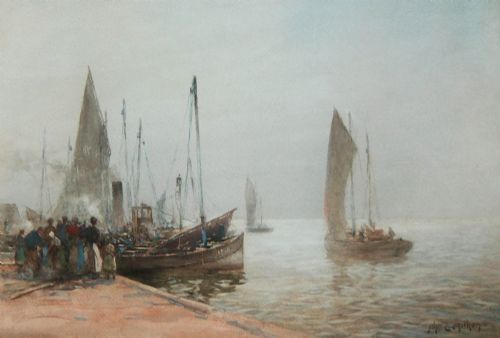
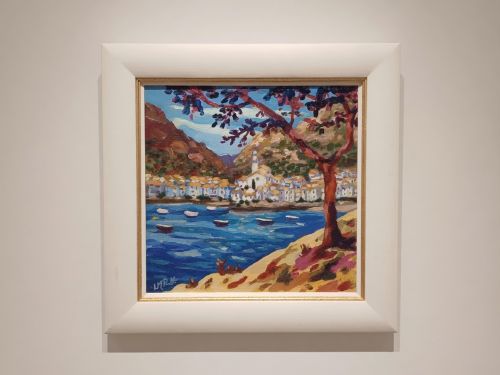
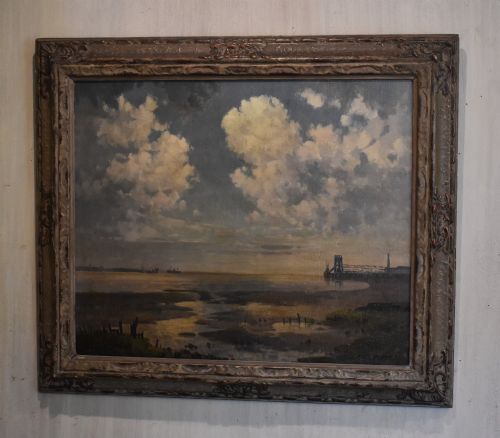
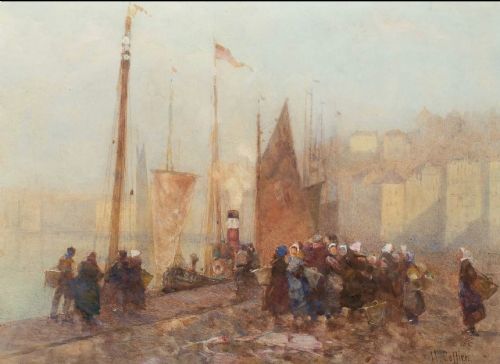
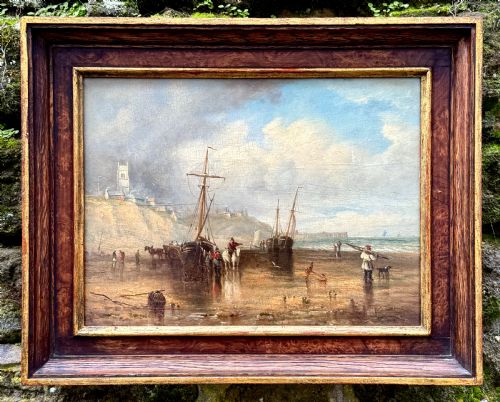
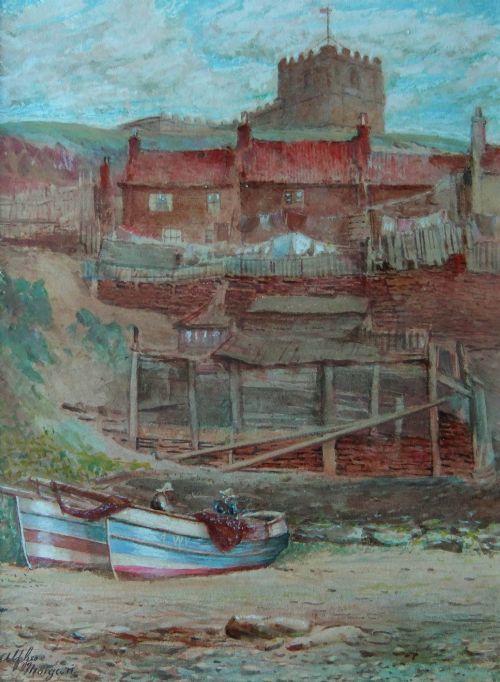
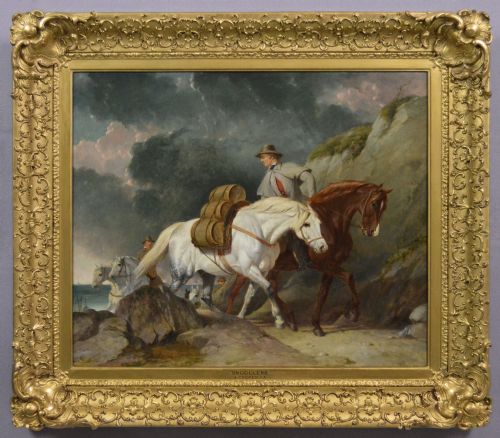
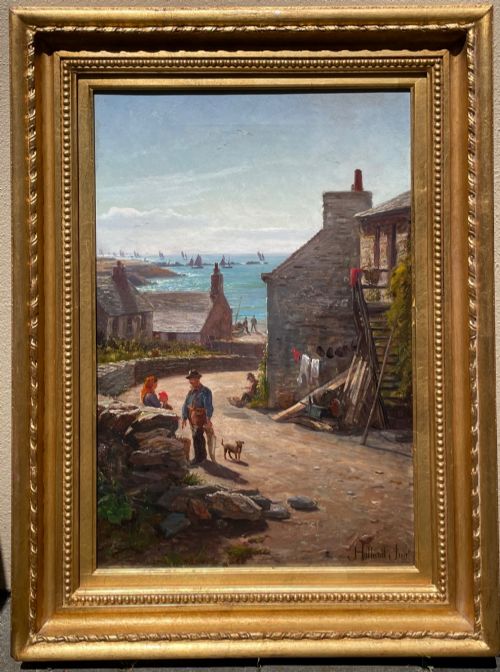
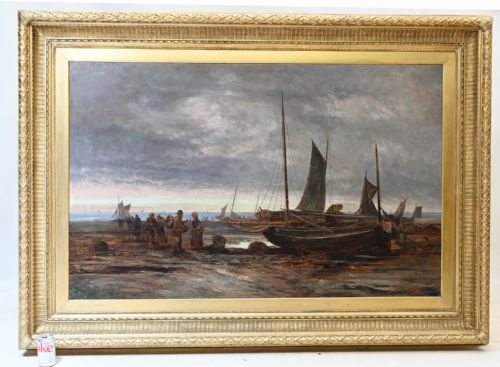
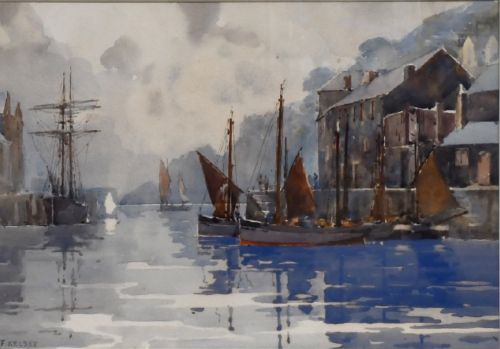
British coastal scene art encompasses paintings and watercolours depicting harbours, fishing boats, and shorelines. You will frequently encounter 19th-century watercolours and Victorian oil paintings showing traditional maritime life.
The works range from detailed depictions of Yorkshire and Cornish ports to broader seascapes executed in various regional styles. These pieces record historical ports, vessels, and coastal communities across Britain.
Materials and methods
Artists painted primarily with oil paint on canvas, board, and panel, or applied watercolour pigment onto paper. These mediums allowed painters to capture the changing light and atmospheric conditions of the sea.
Framed works often utilise wood frames, sometimes retaining historic glass to protect fragile watercolours from moisture. Support materials range from card to heavy canvas depending on the period.
Regional depictions highlight specific coastal hubs including Whitby, St Ives, and various North Sea ports.
Quality factors
Quality rests upon the artist's handling of light, water movement, and maritime architecture within the composition. Stronger pieces display confident brushwork and accurate depiction of rigging and hulls.
Condition of the pigment and paper or canvas significantly affects the visual impact. Works retaining vibrant colour and minimal surface damage represent the higher tier of these historic paintings.
James Orrock·William Banks Fortescue·Abraham Cooper·John Holland·Claude Thomas Stanfield Moore
The British Coastal Scene Art Glossary
- Watercolour
- A painting method where fine pigment is suspended in a water-based solution and applied to paper. It relies on the white of the paper showing through transparent washes.
- Oil paint
- A slow-drying paint made by mixing pigments with a drying oil, typically linseed oil. This medium allows for rich textures and deep colour blending.
- Seascape
- A work of art depicting the sea, coastal views, ships, or marine life. It forms a distinct category separate from inland landscapes.
- Provenance
- The chronological history of the ownership of a piece of art. Clear provenance helps verify the authenticity and origin of historic paintings.
British Coastal Scene Art: Frequently Asked Questions
What periods do these coastal paintings cover?
The works span from the Victorian era and the late 19th century through the early decades of the 20th century. Mid-century and later modernist interpretations also appear.
Most pieces reflect the artistic movements of their specific decade, ranging from traditional Victorian fine art to British Impressionism.
How were these watercolours and oils displayed?
Historic paintings were typically housed in heavy wooden frames designed to complement the subject matter. Many retain their original framing or period mountings.
Watercolours required glass protection to prevent the paper and pigments from degrading due to atmospheric moisture and light exposure.
Where do these coastal scenes usually set?
Locations focus heavily on British and Irish shores, particularly active fishing ports and harbours in Cornwall, Yorkshire, and Scotland. Popular sites include St Ives, Whitby, and various North Sea havens.
Artists frequently painted working ports, recording local vessels, fishwives, and maritime trades of the period.
How do I care for a historic watercolour?
Keep watercolours away from direct sunlight to prevent the pigments from fading and the paper from yellowing. Maintaining stable indoor humidity protects both the paper support and the wooden frame.
Avoid hanging watercolours in damp rooms like kitchens or bathrooms to safeguard the delicate paint layers.